Lorin Clarisse, Vanloubbeeck Yannick, Baudart Sébastien, Ska Michaël, Bayat Babak, Brauers Geoffroy, Clarinval Géraldine, Donner Marie-Noëlle, Marchand Martine, Koutsoukos Marguerite, Mettens Pascal, Cohen Joe, Voss Gerald
GSK Vaccines, Rixensart, Belgium.
PLoS One. 2015 Apr 9;10(4):e0122835. doi: 10.1371/journal.pone.0122835. eCollection 2015.
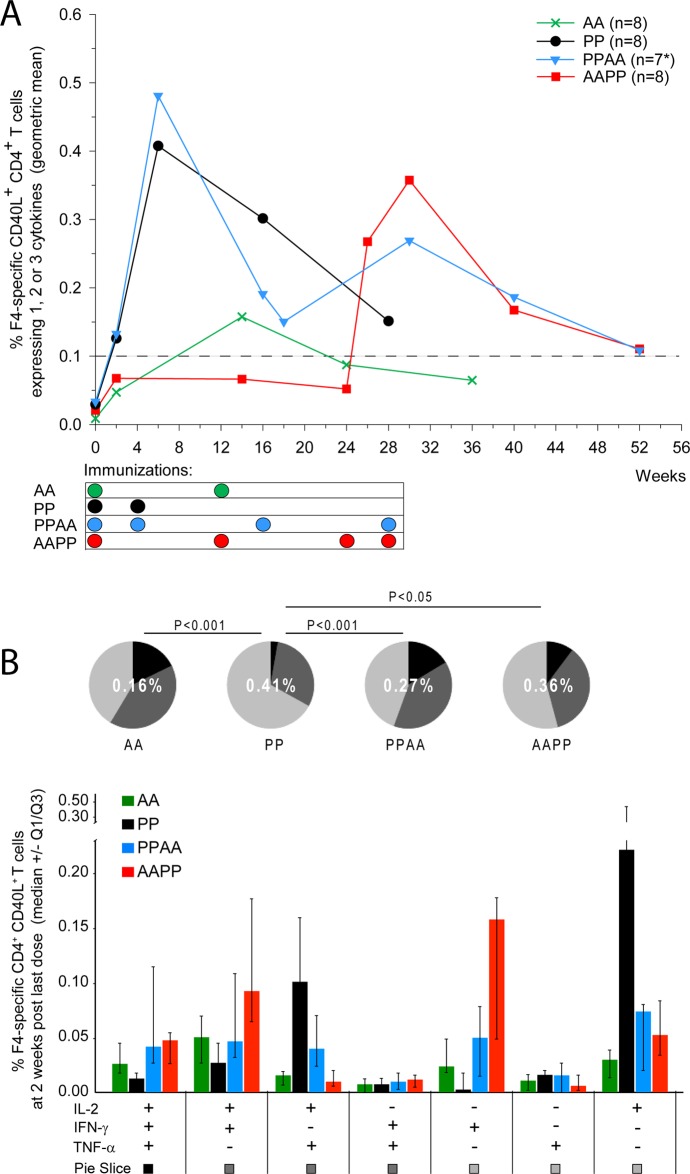
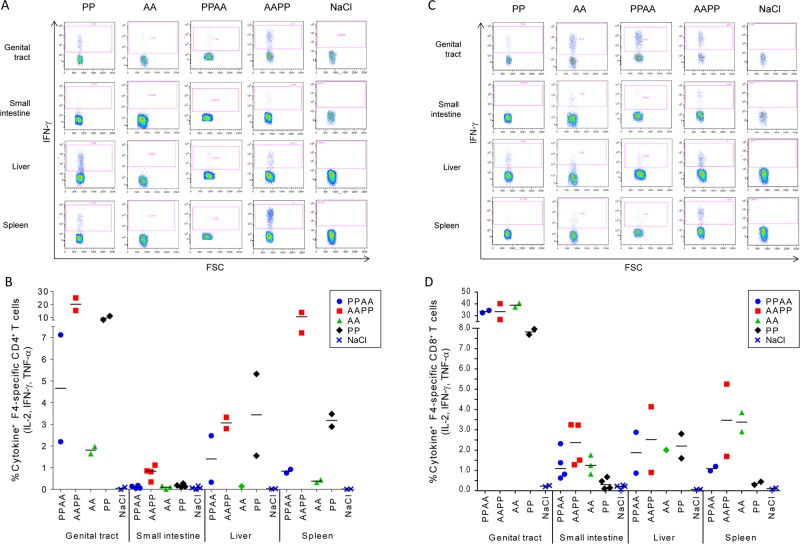
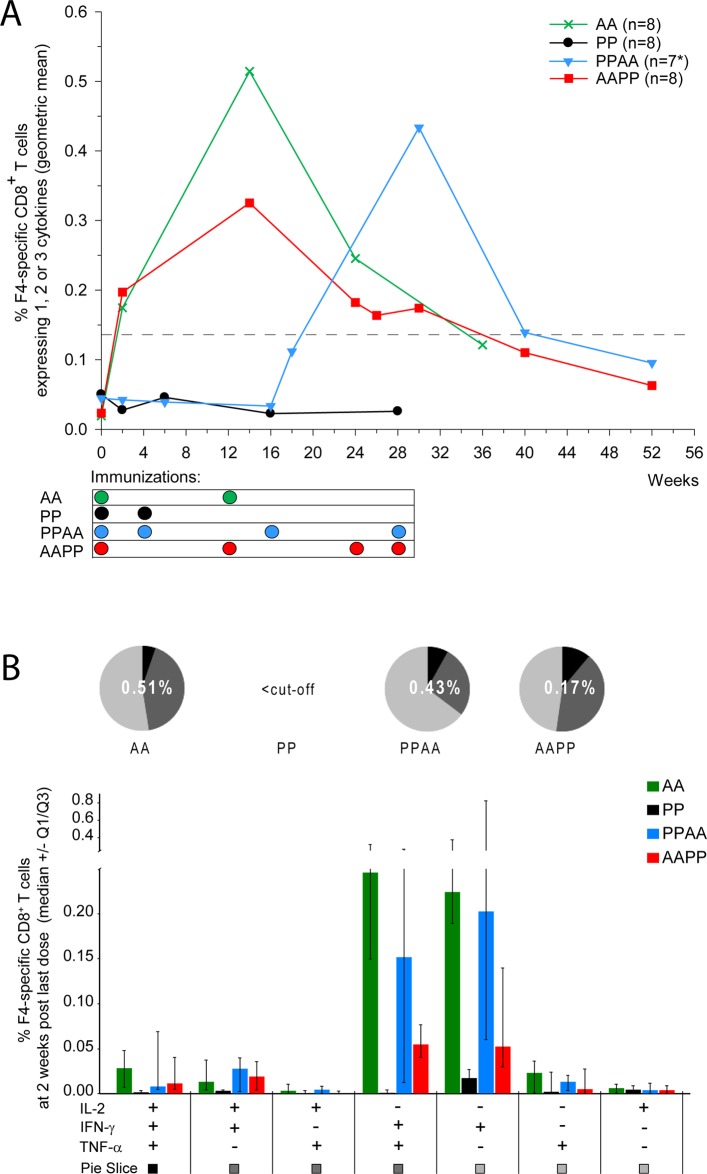
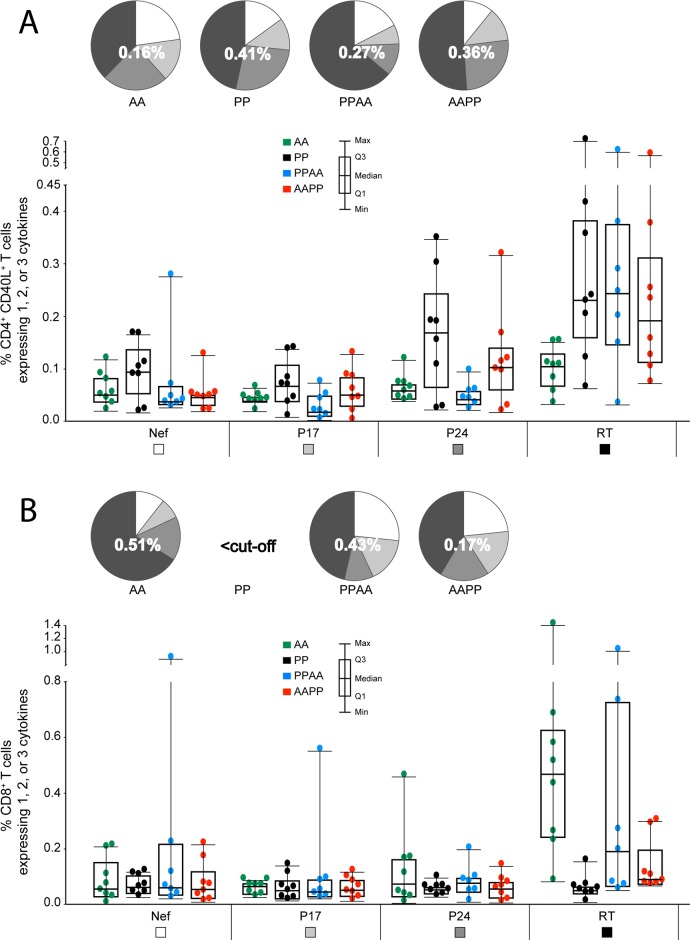
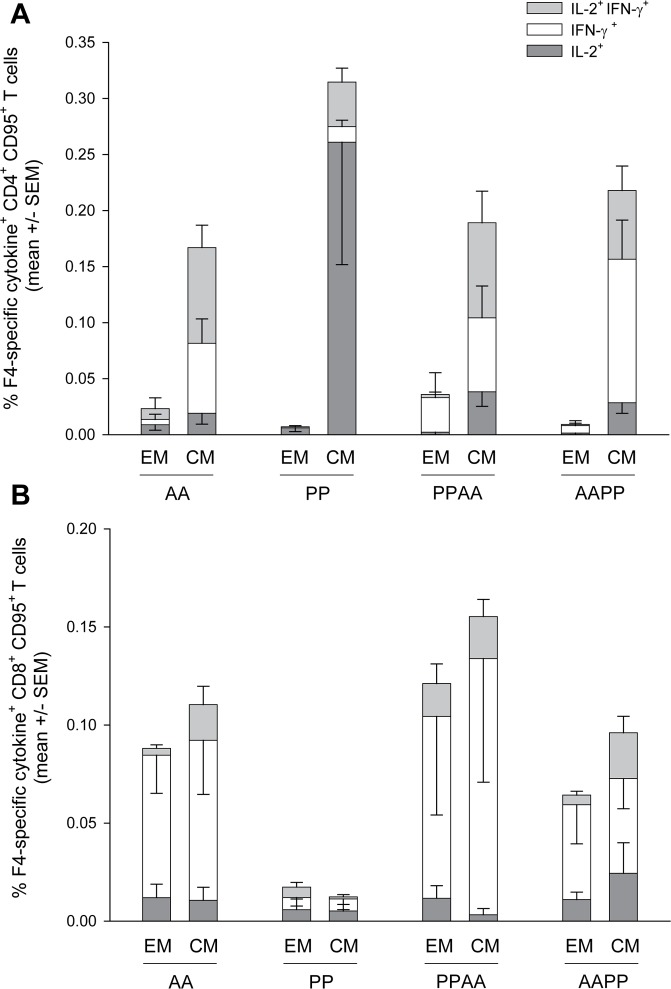
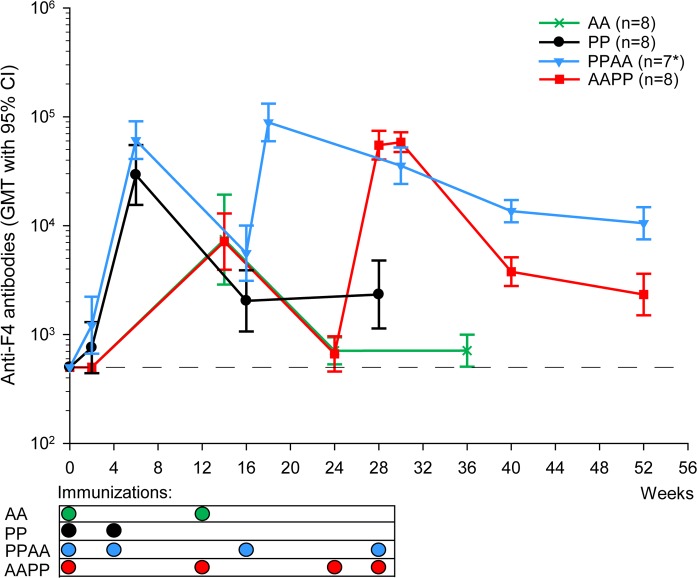
HIV-1-specific CD4+ and CD8+ T lymphocytes are important for HIV-1 replication control. F4/AS01 consists of F4 recombinant fusion protein (containing clade B Gag/p24, Pol/RT, Nef and Gag/p17) formulated in AS01 Adjuvant System, and was shown to induce F4-specific polyfunctional CD4+ T-cell responses in humans. While replication-incompetent recombinant HIV-1/SIV antigen-expressing human adenoviral vectors can elicit high-frequency antigen-specific CD8+ T-cell responses, their use is hampered by widespread pre-existing immunity to human serotypes. Non-human adenovirus serotypes associated with lower prevalence may offer an alternative strategy. We evaluated the immunogenicity of AdC7-GRN ('A'), a recombinant chimpanzee adenovirus type 7 vector expressing clade B Gag, RT and Nef, and F4/AS01 ('P'), when delivered intramuscularly in homologous (PP or AA) and heterologous (AAPP or PPAA) prime-boost regimens, in macaques and mice. Vaccine-induced HIV-1-antigen-specific T cells in peripheral blood (macaques), liver, spleen, and intestinal and genital mucosa (mice) were characterized by intracellular cytokine staining. Vaccine-specific IgG antibodies (macaques) were detected using ELISA. In macaques, only the heterologous prime-boost regimens induced polyfunctional, persistent and balanced CD4+ and CD8+ T-cell responses specific to each HIV-1 vaccine antigen. AdC7-GRN priming increased the polyfunctionality of F4/AS01-induced CD4+ T cells. Approximately 50% of AdC7-GRN-induced memory CD8+ T cells exhibited an effector-memory phenotype. HIV-1-specific antibodies were detected with each regimen. In mice, antigen-specific CD4+ and CD8+ T-cell responses were detected in the mucosal and systemic anatomical compartments assessed. When administered in heterologous prime-boost regimens, AdC7-GRN and F4/AS01 candidate vaccines acted complementarily in inducing potent and persistent peripheral blood HIV-1-specific CD4+ and CD8+ T-cell responses and antibodies in macaques. Besides, adenoviral vector priming modulated the cytokine-expression profile of the protein-induced CD4+ T cells. Each regimen induced HIV-1-specific T-cell responses in systemic/local tissues in mice. This suggests that prime-boost regimens combining adjuvanted protein and low-seroprevalent chimpanzee adenoviral vectors represent an attractive vaccination strategy for clinical evaluation.
HIV-1特异性CD4+和CD8+ T淋巴细胞对于HIV-1复制控制至关重要。F4/AS01由F4重组融合蛋白(包含B亚型Gag/p24、Pol/RT、Nef和Gag/p17)与AS01佐剂系统配制而成,已证明其能在人体中诱导F4特异性多功能CD4+ T细胞应答。虽然无复制能力的表达重组HIV-1/SIV抗原的人腺病毒载体可引发高频抗原特异性CD8+ T细胞应答,但由于普遍存在对人血清型的预先免疫,其应用受到阻碍。与较低流行率相关的非人腺病毒血清型可能提供一种替代策略。我们评估了AdC7-GRN(“A”)的免疫原性,AdC7-GRN是一种表达B亚型Gag、RT和Nef的重组黑猩猩腺病毒7型载体,以及F4/AS01(“P”),当以同源(PP或AA)和异源(AAPP或PPAA)初免-加强方案肌肉注射给药时,在猕猴和小鼠中的免疫原性。通过细胞内细胞因子染色对外周血(猕猴)、肝脏、脾脏以及肠道和生殖黏膜(小鼠)中疫苗诱导的HIV-1抗原特异性T细胞进行了表征。使用酶联免疫吸附测定法检测了疫苗特异性IgG抗体(猕猴)。在猕猴中,只有异源初免-加强方案诱导了针对每种HIV-1疫苗抗原的多功能、持久且平衡的CD4+和CD8+ T细胞应答。AdC7-GRN初免增强了F4/AS01诱导的CD4+ T细胞的多功能性。约50%的AdC7-GRN诱导的记忆CD8+ T细胞表现出效应记忆表型。每种方案均检测到了HIV-1特异性抗体。在小鼠中,在所评估的黏膜和全身解剖区域检测到了抗原特异性CD4+和CD8+ T细胞应答。当以异源初免-加强方案给药时,AdC7-GRN和F4/AS01候选疫苗在诱导猕猴外周血中强效且持久的HIV-1特异性CD4+和CD8+ T细胞应答及抗体方面起到互补作用。此外,腺病毒载体初免调节了蛋白诱导的CD4+ T细胞的细胞因子表达谱。每种方案均在小鼠的全身/局部组织中诱导了HIV-1特异性T细胞应答。这表明,将佐剂蛋白与低血清流行率的黑猩猩腺病毒载体相结合的初免-加强方案是一种具有吸引力的用于临床评估的疫苗接种策略。