Hamilton Nalo, Márquez-Garbán Diana, Mah Vei, Fernando Gowry, Elshimali Yahya, Garbán Hermes, Elashoff David, Vadgama Jaydutt, Goodglick Lee, Pietras Richard
UCLA School of Nursing, Los Angeles, CA 90095, USA ; UCLA Jonsson Comprehensive Cancer Center, Los Angeles, CA 90095, USA.
UCLA Jonsson Comprehensive Cancer Center, Los Angeles, CA 90095, USA ; Division of Hematology-Oncology, Department of Medicine, UCLA David Geffen School of Medicine, Los Angeles, CA 90095, USA.
Biomed Res Int. 2015;2015:925703. doi: 10.1155/2015/925703. Epub 2015 Mar 22.
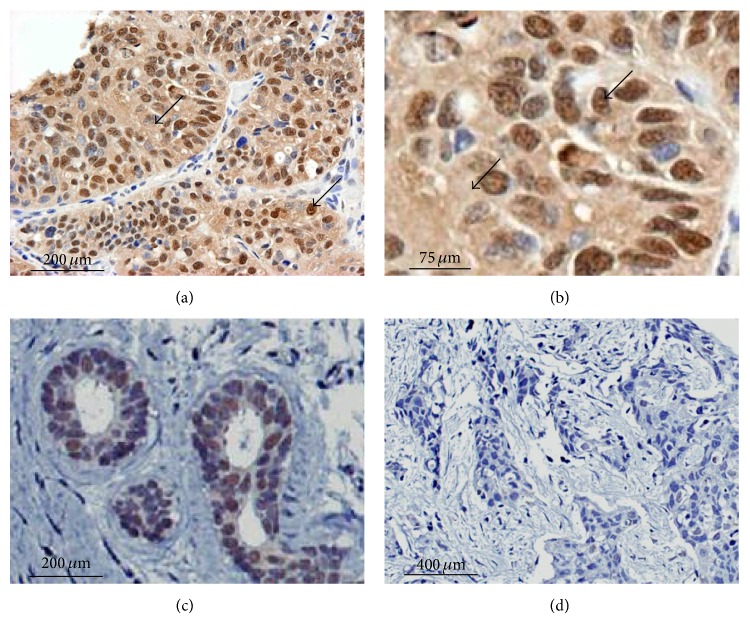
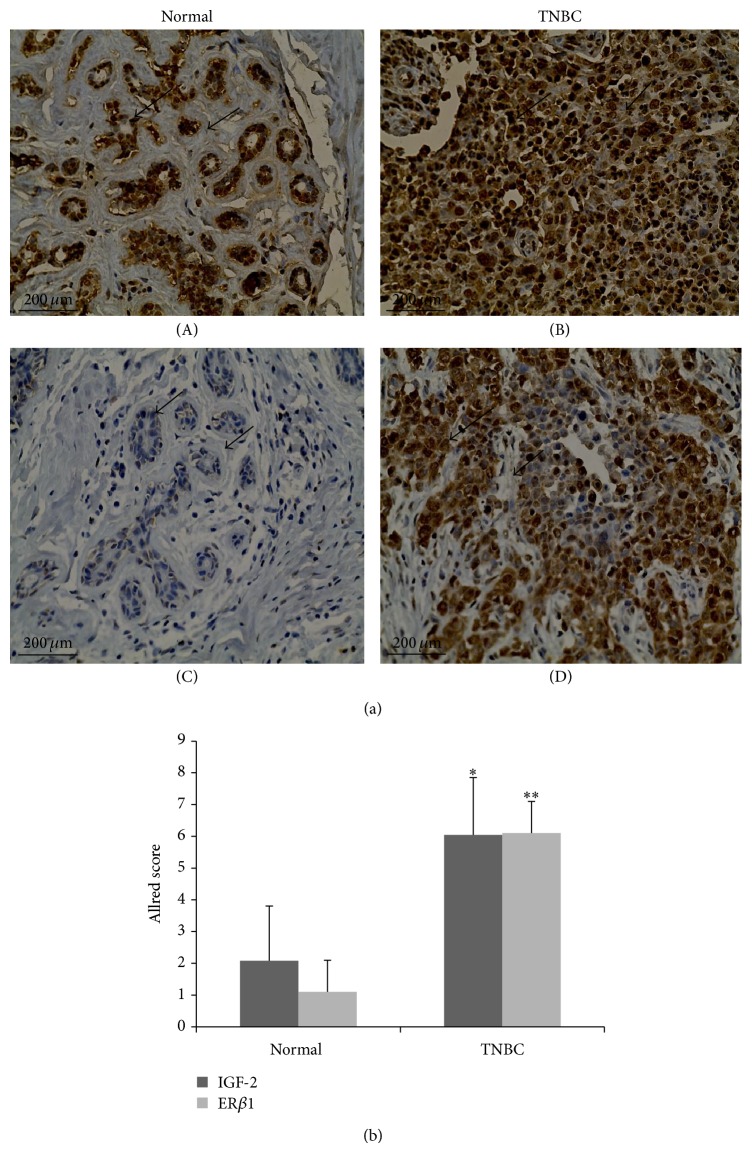
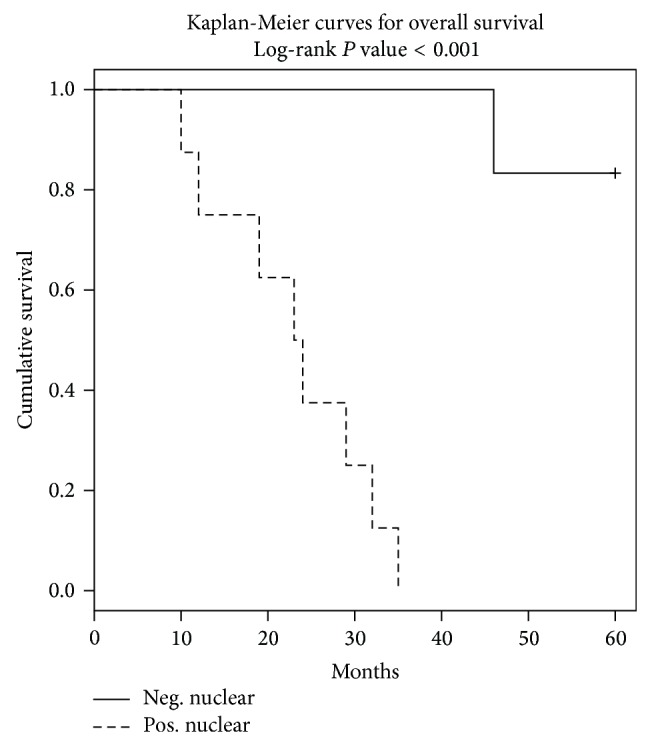
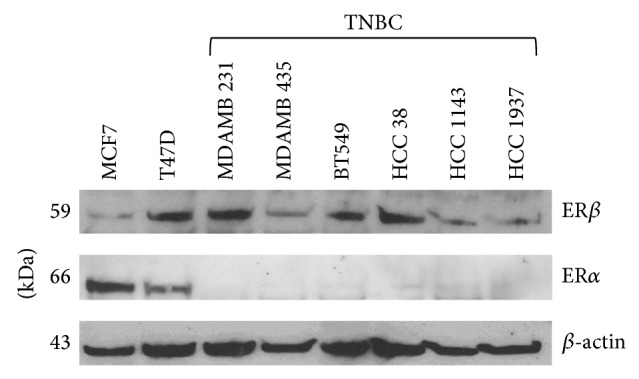
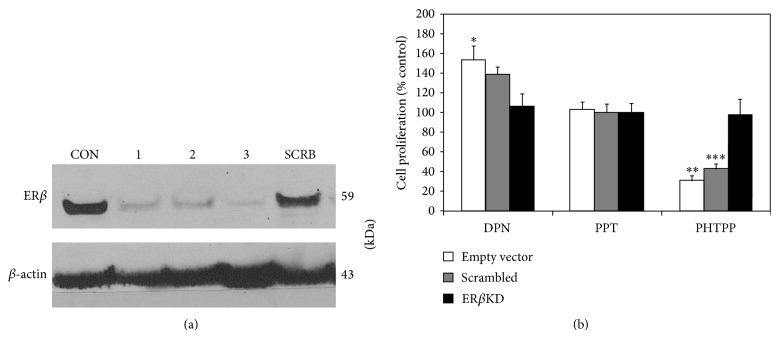
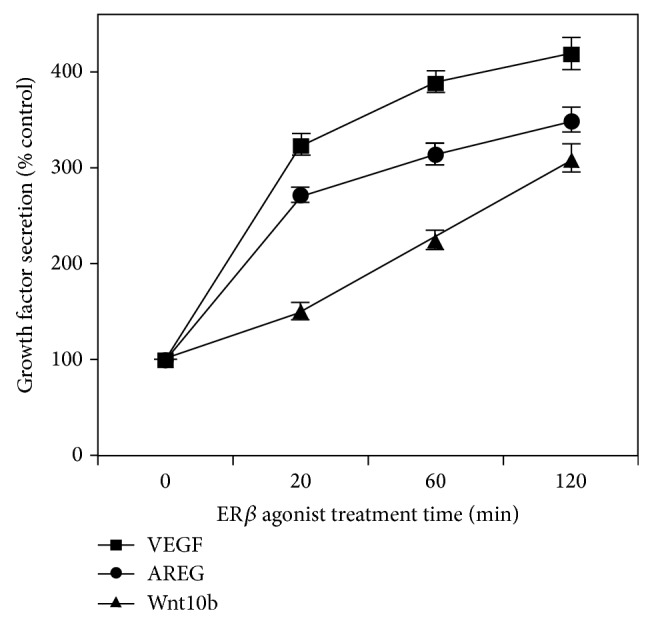
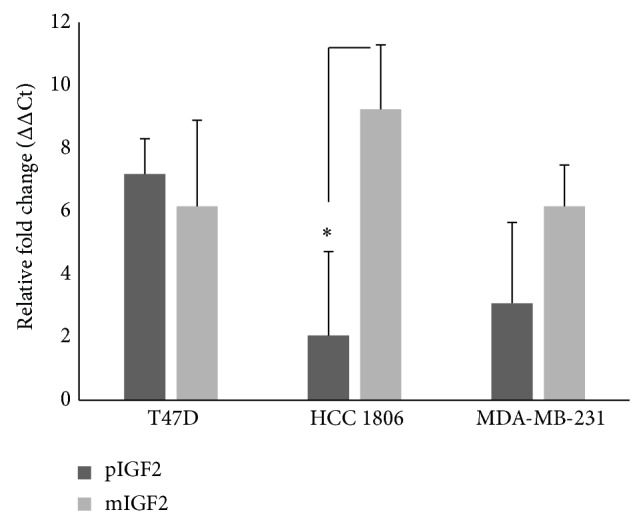
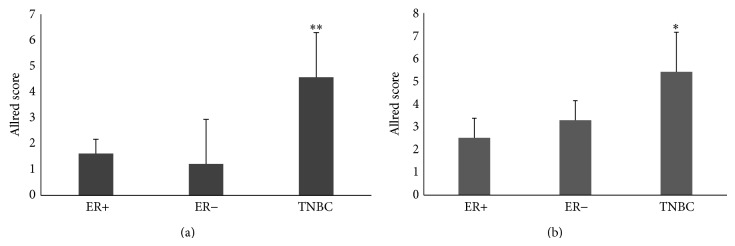
Triple-negative breast cancer (TNBC) occurs in 10-15% of patients yet accounts for almost half of all breast cancer deaths. TNBCs lack expression of estrogen and progesterone receptors and HER-2 overexpression and cannot be treated with current targeted therapies. TNBCs often occur in African American and younger women. Although initially responsive to some chemotherapies, TNBCs tend to relapse and metastasize. Thus, it is critical to find new therapeutic targets. A second ER gene product, termed ERβ, in the absence of ERα may be such a target. Using human TNBC specimens with known clinical outcomes to assess ERβ expression, we find that ERβ1 associates with significantly worse 5-year overall survival. Further, a panel of TNBC cell lines exhibit significant levels of ERβ protein. To assess ERβ effects on proliferation, ERβ expression in TNBC cells was silenced using shRNA, resulting in a significant reduction in TNBC proliferation. ERβ-specific antagonists similarly suppressed TNBC growth. Growth-stimulating effects of ERβ may be due in part to downstream actions that promote VEGF, amphiregulin, and Wnt-10b secretion, other factors associated with tumor promotion. In vivo, insulin-like growth factor-2 (IGF-2), along with ERβ1, is significantly expressed in TNBC and stimulates high ERβ mRNA in TNBC cells. This work may help elucidate the interplay of metabolic and growth factors in TNBC.
三阴性乳腺癌(TNBC)在10% - 15%的患者中出现,但几乎占所有乳腺癌死亡病例的一半。三阴性乳腺癌缺乏雌激素和孕激素受体表达以及HER - 2过表达,无法用目前的靶向疗法进行治疗。三阴性乳腺癌常发生于非裔美国女性和年轻女性中。尽管三阴性乳腺癌最初对某些化疗有反应,但往往会复发和转移。因此,找到新的治疗靶点至关重要。在缺乏雌激素受体α(ERα)的情况下,第二种雌激素受体基因产物,即雌激素受体β(ERβ),可能就是这样一个靶点。利用具有已知临床结果的人类三阴性乳腺癌标本评估ERβ表达,我们发现ERβ1与显著更差的5年总生存率相关。此外,一组三阴性乳腺癌细胞系显示出显著水平的ERβ蛋白。为了评估ERβ对增殖的影响,使用短发夹RNA(shRNA)使三阴性乳腺癌细胞中的ERβ表达沉默,导致三阴性乳腺癌细胞增殖显著降低。ERβ特异性拮抗剂同样抑制了三阴性乳腺癌的生长。ERβ的生长刺激作用可能部分归因于促进血管内皮生长因子(VEGF)、双调蛋白和Wnt - 10b分泌的下游作用,这些是与肿瘤进展相关的其他因素。在体内,胰岛素样生长因子2(IGF - 2)与ERβ1一起在三阴性乳腺癌中显著表达,并刺激三阴性乳腺癌细胞中高表达的ERβ mRNA。这项工作可能有助于阐明三阴性乳腺癌中代谢和生长因子的相互作用。