Barnhart Christopher D, Yang Dongren, Lein Pamela J
Department of Molecular Biosciences, School of Veterinary Medicine, University of California Davis, Davis, CA, United States of America.
PLoS One. 2015 Apr 17;10(4):e0124521. doi: 10.1371/journal.pone.0124521. eCollection 2015.
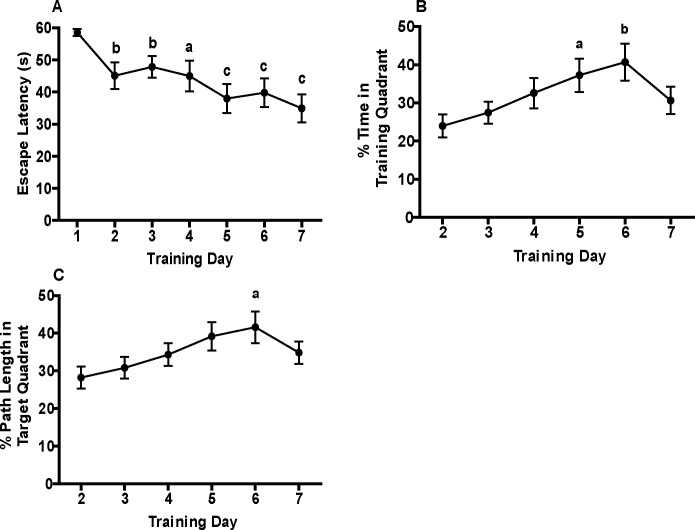
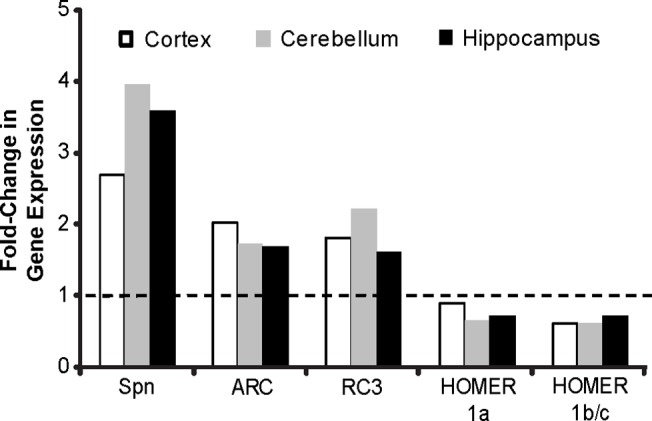
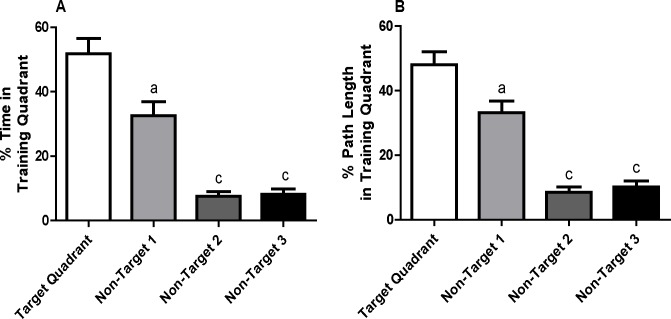
Mouse models have been indispensable for elucidating normal and pathological processes that influence learning and memory. A widely used method for assessing these cognitive processes in mice is the Morris water maze, a classic test for examining spatial learning and memory. However, Morris water maze studies with mice have principally been performed using adult animals, which preclude studies of critical neurodevelopmental periods when the cellular and molecular substrates of learning and memory are formed. While weanling rats have been successfully trained in the Morris water maze, there have been few attempts to test weanling mice in this behavioral paradigm even though mice offer significant experimental advantages because of the availability of many genetically modified strains. Here, we present experimental evidence that weanling mice can be trained in the Morris water maze beginning on postnatal day 24. Maze-trained weanling mice exhibit significant improvements in spatial learning over the training period and results of the probe trial indicate the development of spatial memory. There were no sex differences in the animals' performance in these tasks. In addition, molecular biomarkers of synaptic plasticity are upregulated in maze-trained mice at the transcript level. These findings demonstrate that the Morris water maze can be used to assess spatial learning and memory in weanling mice, providing a potentially powerful experimental approach for examining the influence of genes, environmental factors and their interactions on the development of learning and memory.
小鼠模型对于阐明影响学习和记忆的正常及病理过程而言不可或缺。在小鼠中评估这些认知过程的一种广泛使用的方法是莫里斯水迷宫,这是一种用于检测空间学习和记忆的经典测试。然而,对小鼠进行的莫里斯水迷宫研究主要是使用成年动物进行的,这排除了对关键神经发育时期的研究,而在这些时期学习和记忆的细胞及分子基础得以形成。虽然幼龄大鼠已成功在莫里斯水迷宫中接受训练,但很少有人尝试在此行为范式中测试幼龄小鼠,尽管由于有许多基因改造品系可供使用,小鼠具有显著的实验优势。在此,我们提供实验证据表明,从出生后第24天开始,幼龄小鼠可以在莫里斯水迷宫中接受训练。经迷宫训练的幼龄小鼠在训练期间空间学习能力有显著提高,且探测试验结果表明其空间记忆得到了发展。在这些任务中,动物的表现不存在性别差异。此外,在经迷宫训练的小鼠中,突触可塑性的分子生物标志物在转录水平上上调。这些发现表明,莫里斯水迷宫可用于评估幼龄小鼠的空间学习和记忆,为研究基因、环境因素及其相互作用对学习和记忆发育的影响提供了一种潜在的强大实验方法。