Zhang Rui, Thamm Douglas H, Misra Vikram
Department of Microbiology, Western College of Veterinary Medicine, University of Saskatchewan, Saskatoon, SK, Canada.
Present address: Department of Basic Veterinary Medicine, College of Veterinary Medicine, China Agricultural University, Beijing, China.
BMC Vet Res. 2015 Feb 7;11:22. doi: 10.1186/s12917-015-0331-y.
We had previously shown that the bLZip domain-containing transcription factor, Zhangfei/CREBZF inhibits the growth and the unfolded protein response (UPR) in cells of the D-17 canine osteosarcoma (OS) line and that the effects of Zhangfei are mediated by it stabilizing the tumour suppressor protein p53. To determine if our observations with D-17 cells applied more universally to canine OS, we examined three other independently isolated canine OS cell lines--Abrams, McKinley and Gracie.
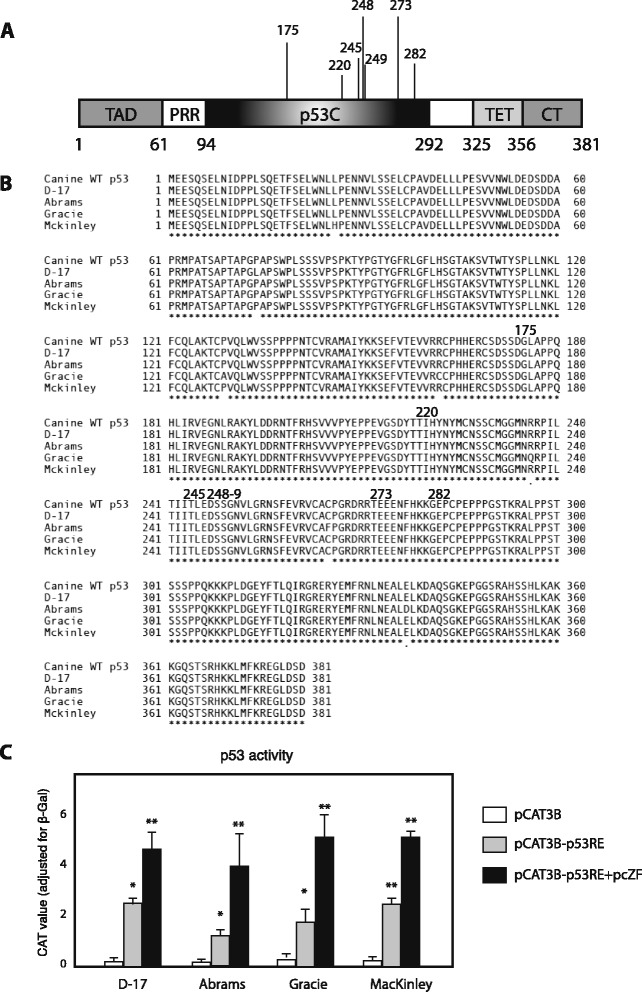
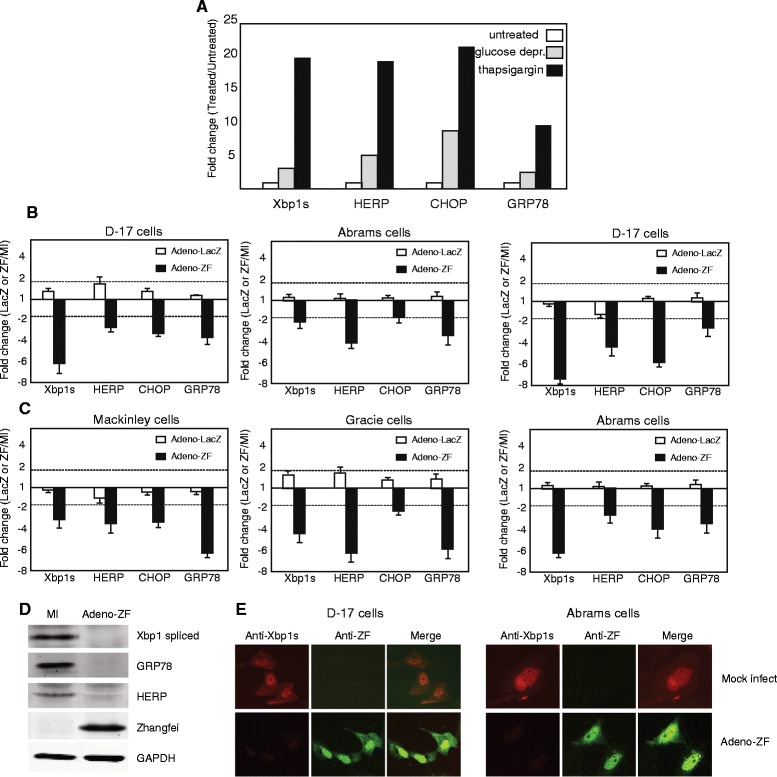
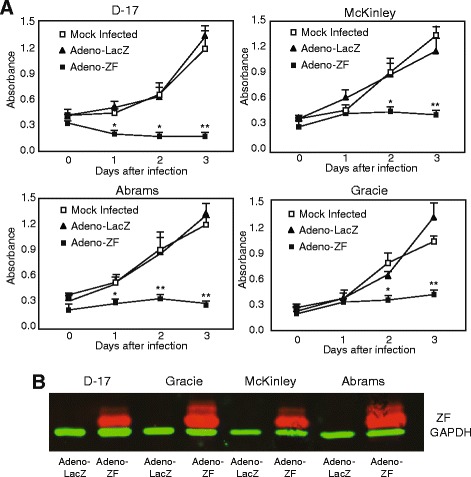
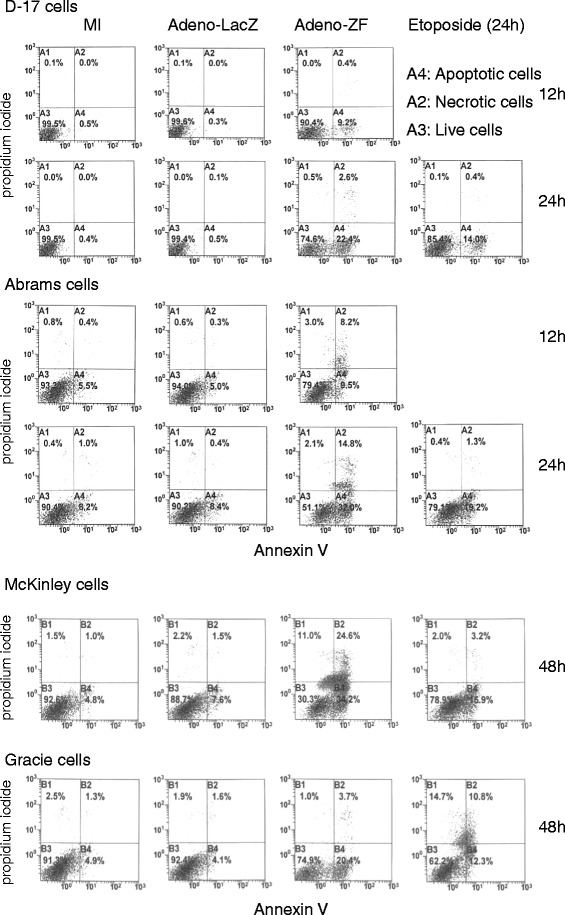
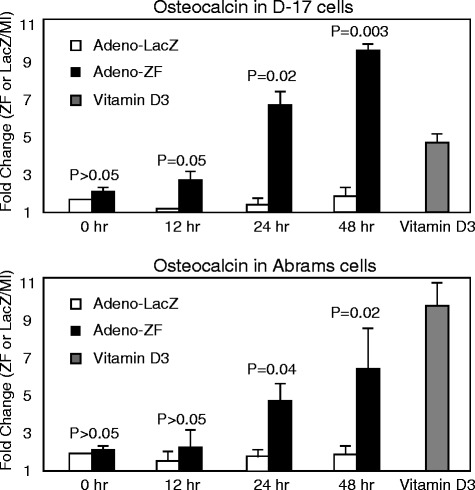
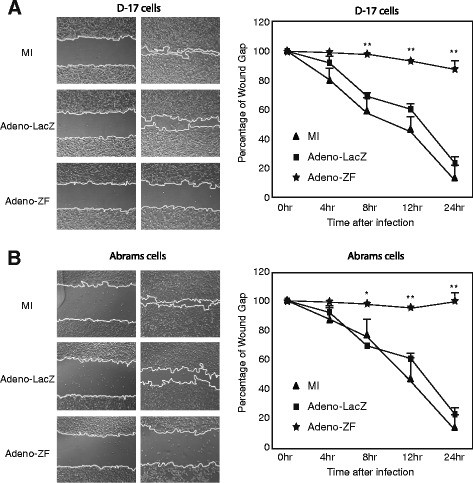
Like D-17, the three cell lines expressed p53 proteins that were capable of activating promoters with p53 response elements on their own, and synergistically with Zhangfei. Furthermore, as with D-17 cells, Zhangfei suppressed the growth and UPR-related transcripts in the OS cell lines. Zhangfei also induced the activation of osteocalcin expression, a marker of osteoblast differentiation and triggered programmed cell death.
Osteosarcomas are common malignancies in large breeds of dogs. Although there has been dramatic progress in their treatment, these therapies often fail, leading to recurrence of the tumour and metastatic spread. Our results indicate that induction of the expression of Zhangfei in OS, where p53 is functional, may be an effective modality for the treatment of OS.
我们之前已经表明,含bLZip结构域的转录因子张飞/CREBZF抑制D-17犬骨肉瘤(OS)细胞系细胞的生长和未折叠蛋白反应(UPR),并且张飞的作用是通过稳定肿瘤抑制蛋白p53来介导的。为了确定我们对D-17细胞的观察结果是否更普遍地适用于犬OS,我们检测了另外三个独立分离的犬OS细胞系——艾布拉姆斯、麦金利和格雷西。
与D-17细胞一样,这三个细胞系表达的p53蛋白能够自身激活具有p53反应元件的启动子,并与张飞协同激活。此外,与D-17细胞一样,张飞抑制OS细胞系中的生长和UPR相关转录本。张飞还诱导骨钙素表达的激活,骨钙素是成骨细胞分化的标志物,并引发程序性细胞死亡。
骨肉瘤是大型犬种常见的恶性肿瘤。尽管它们的治疗取得了显著进展,但这些治疗往往失败,导致肿瘤复发和转移扩散。我们的结果表明,在p53功能正常的OS中诱导张飞的表达可能是治疗OS的一种有效方式。