Qiao Shuxi, Dennis Michael, Song Xiufeng, Vadysirisack Douangsone D, Salunke Devika, Nash Zachary, Yang Zhifen, Liesa Marc, Yoshioka Jun, Matsuzawa Shu-Ichi, Shirihai Orian S, Lee Richard T, Reed John C, Ellisen Leif W
1] Massachusetts General Hospital Cancer Center, Boston, Massachusetts 02114, USA [2] Harvard Medical School, Boston, Massachusetts 02115, USA.
Massachusetts General Hospital Cancer Center, Boston, Massachusetts 02114, USA.
Nat Commun. 2015 Apr 28;6:7014. doi: 10.1038/ncomms8014.
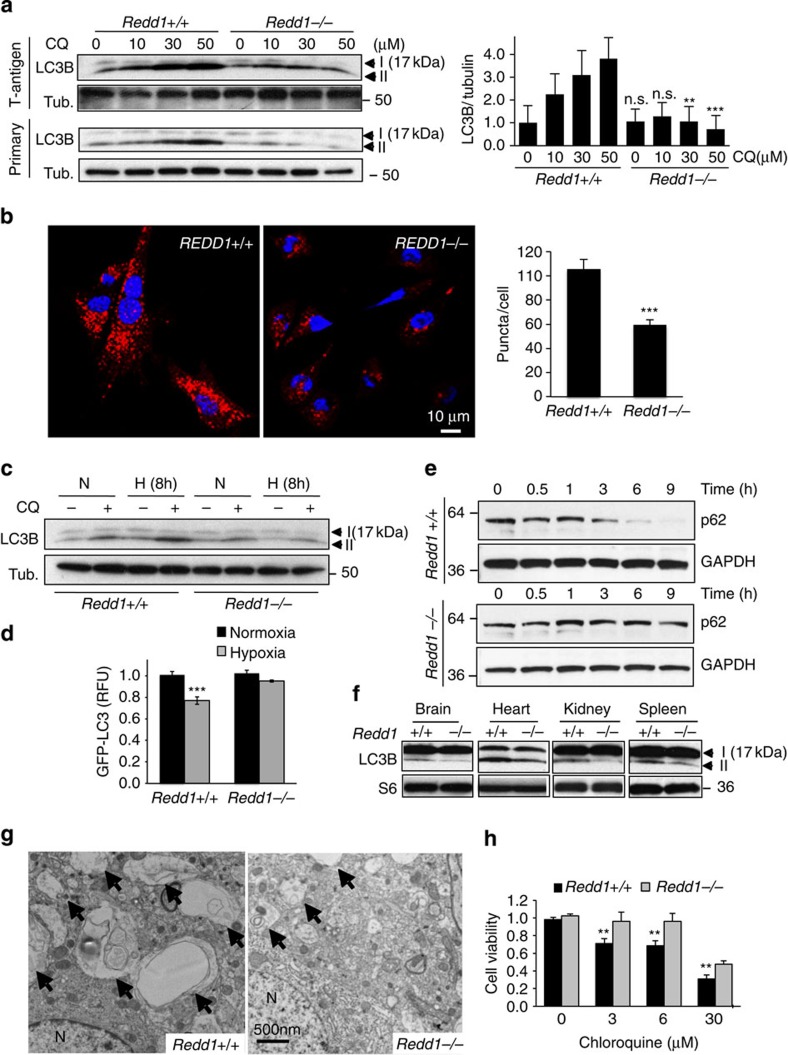
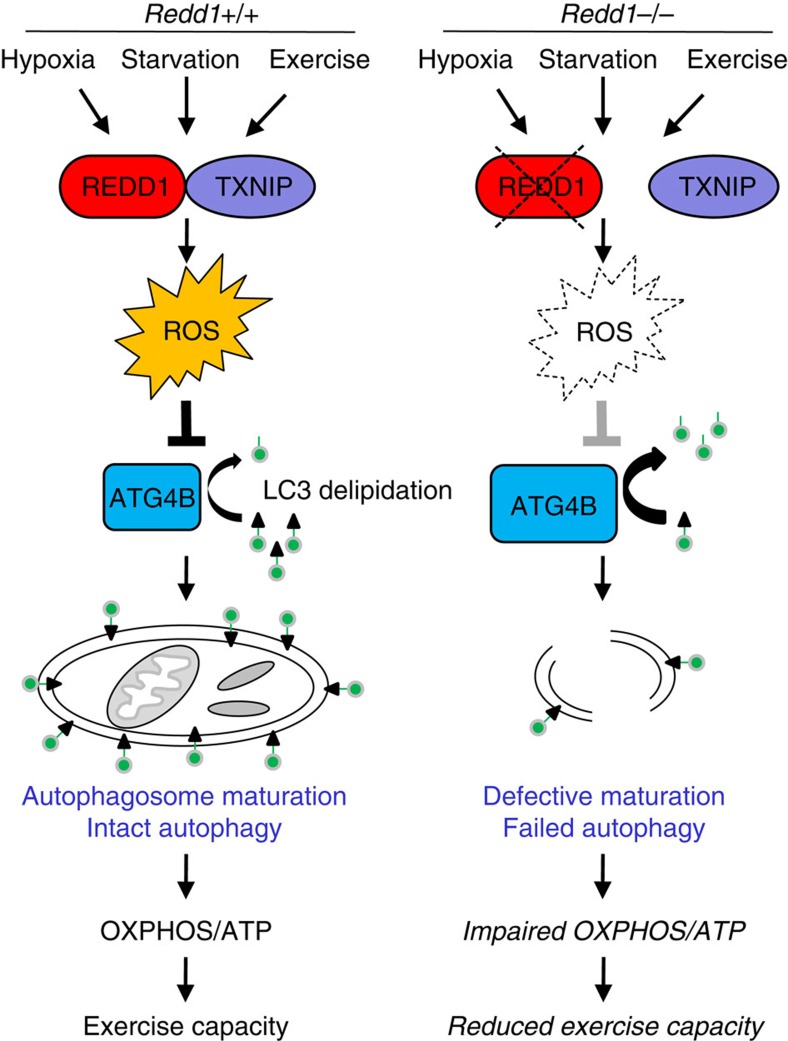
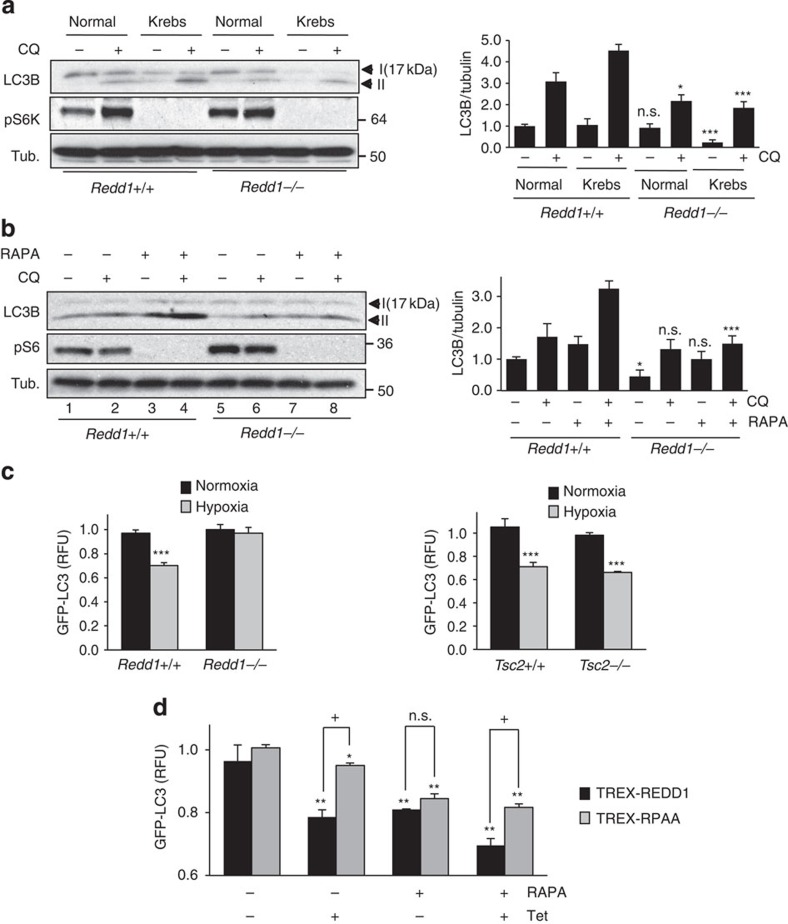
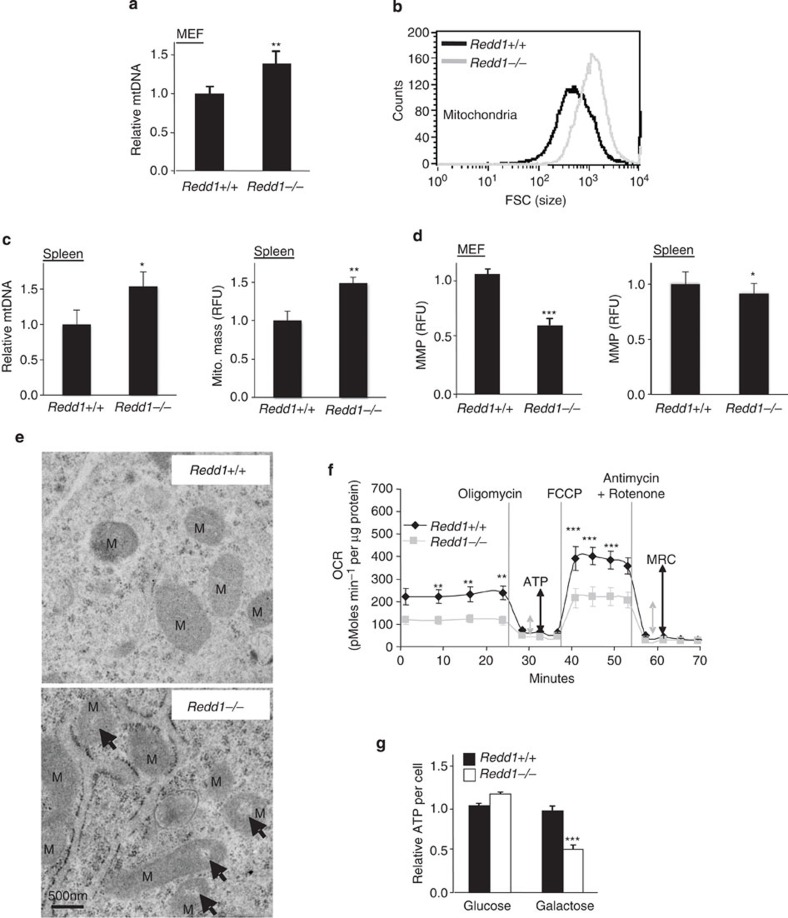
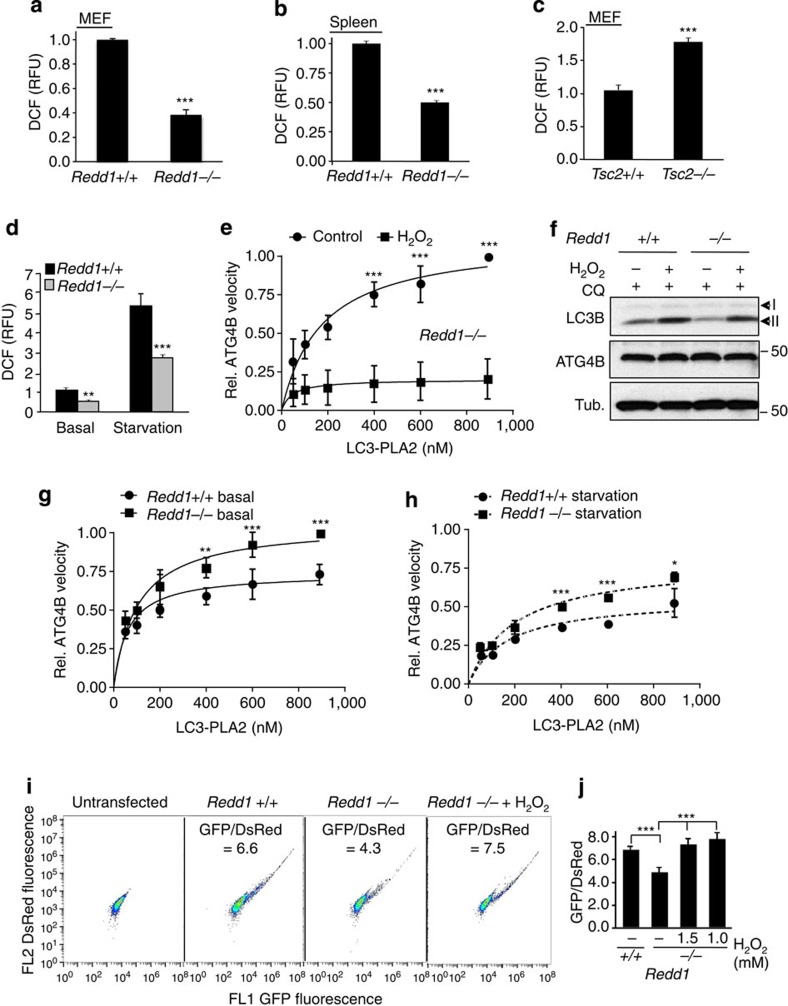
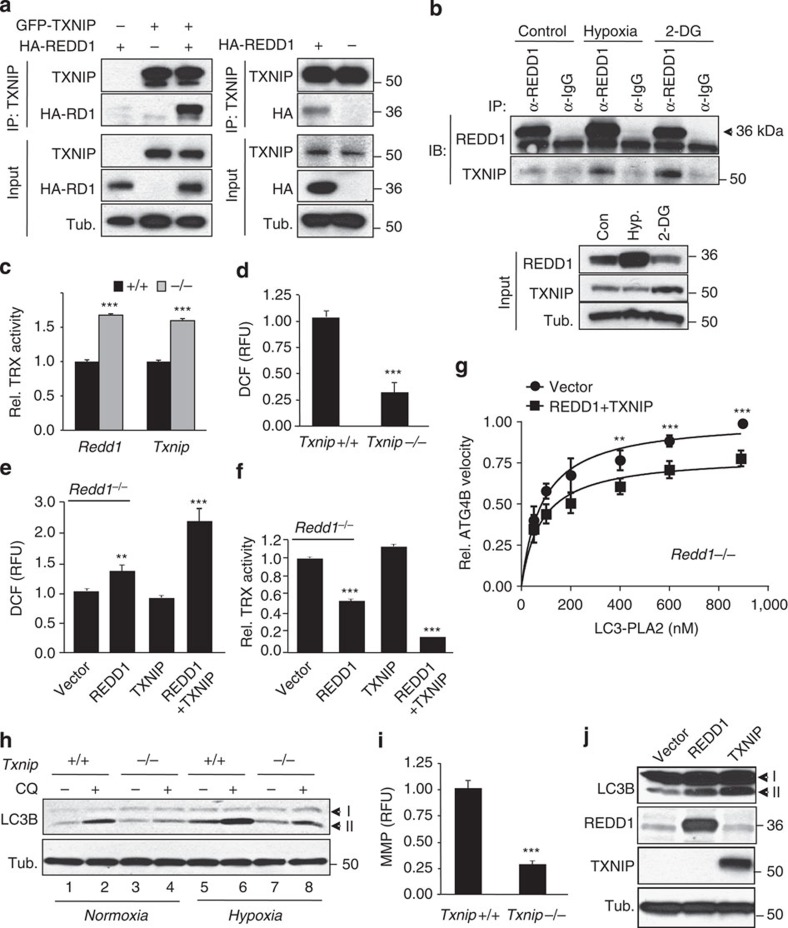
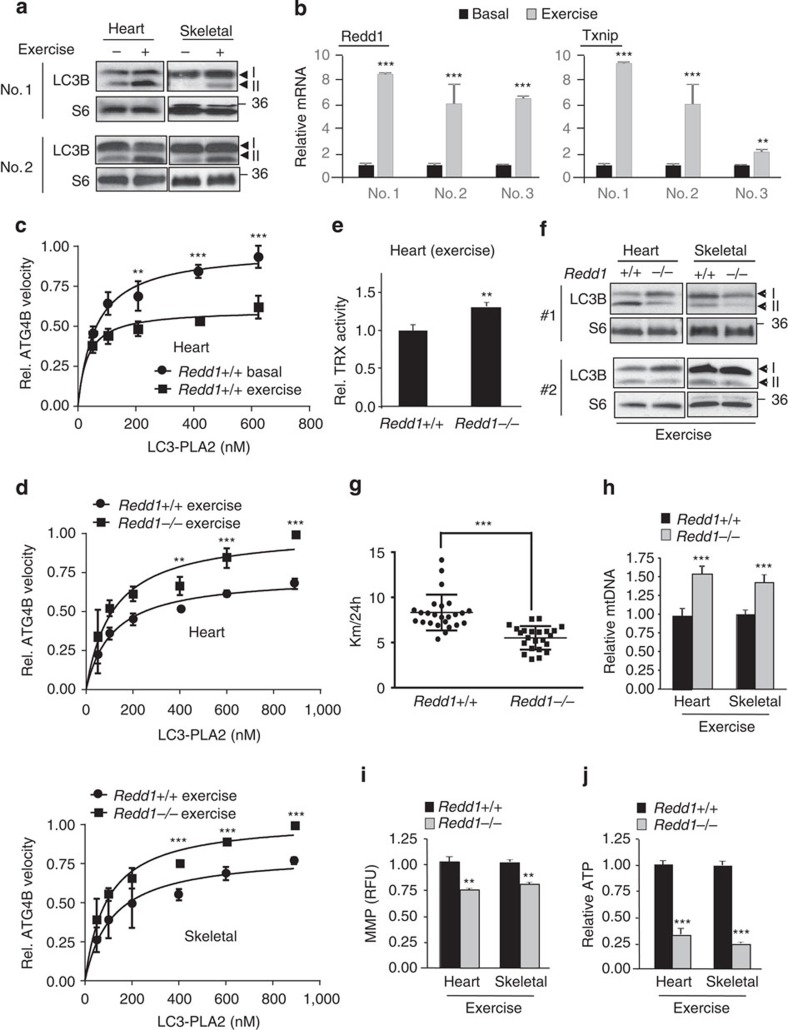
Macroautophagy (autophagy) is a critical cellular stress response; however, the signal transduction pathways controlling autophagy induction in response to stress are poorly understood. Here we reveal a new mechanism of autophagy control whose deregulation disrupts mitochondrial integrity and energy homeostasis in vivo. Stress conditions including hypoxia and exercise induce reactive oxygen species (ROS) through upregulation of a protein complex involving REDD1, an mTORC1 inhibitor and the pro-oxidant protein TXNIP. Decreased ROS in cells and tissues lacking either REDD1 or TXNIP increases catalytic activity of the redox-sensitive ATG4B cysteine endopeptidase, leading to enhanced LC3B delipidation and failed autophagy. Conversely, REDD1/TXNIP complex expression is sufficient to induce ROS, suppress ATG4B activity and activate autophagy. In Redd1(-/-) mice, deregulated ATG4B activity and disabled autophagic flux cause accumulation of defective mitochondria, leading to impaired oxidative phosphorylation, muscle ATP depletion and poor exercise capacity. Thus, ROS regulation through REDD1/TXNIP is physiological rheostat controlling stress-induced autophagy.
巨自噬(自噬)是一种关键的细胞应激反应;然而,对应激反应中控制自噬诱导的信号转导途径却知之甚少。在此,我们揭示了一种新的自噬控制机制,其失调会破坏体内线粒体的完整性和能量稳态。包括缺氧和运动在内的应激条件通过上调一种涉及REDD1(一种mTORC1抑制剂)和促氧化蛋白TXNIP的蛋白质复合物来诱导活性氧(ROS)。在缺乏REDD1或TXNIP的细胞和组织中,ROS的减少会增加氧化还原敏感的ATG4B半胱氨酸内肽酶的催化活性,导致LC3B去脂作用增强和自噬失败。相反,REDD1/TXNIP复合物的表达足以诱导ROS、抑制ATG4B活性并激活自噬。在Redd1基因敲除小鼠中,ATG4B活性失调和自噬通量受损会导致有缺陷的线粒体积累,从而导致氧化磷酸化受损、肌肉ATP消耗和运动能力下降。因此,通过REDD1/TXNIP对ROS的调节是控制应激诱导自噬的生理调节器。