Chen Peili, Li Yan Chun, Toback F Gary
Department of Medicine, University of Chicago, Illinois 60637, United States of America.
PLoS One. 2015 Apr 28;10(4):e0125490. doi: 10.1371/journal.pone.0125490. eCollection 2015.
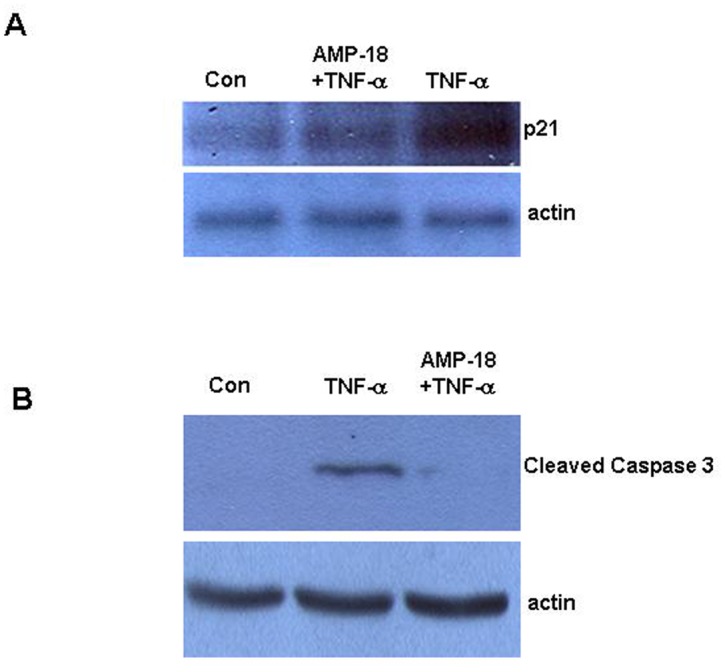
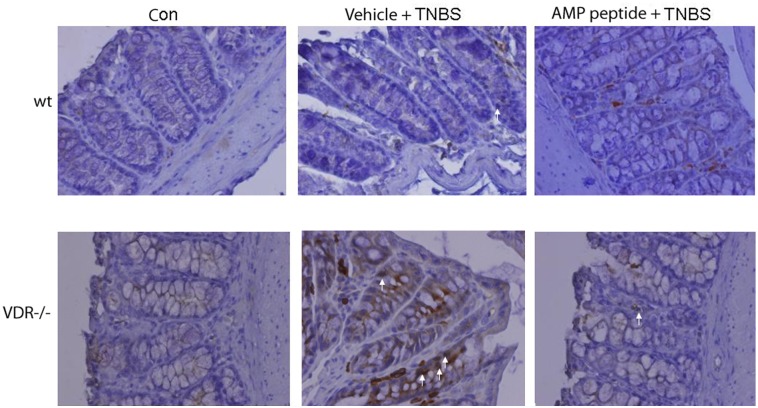
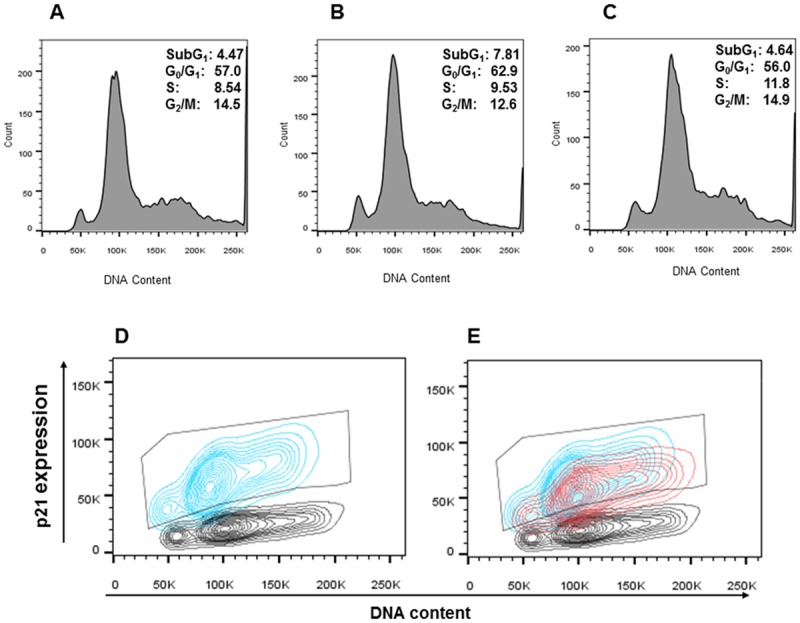
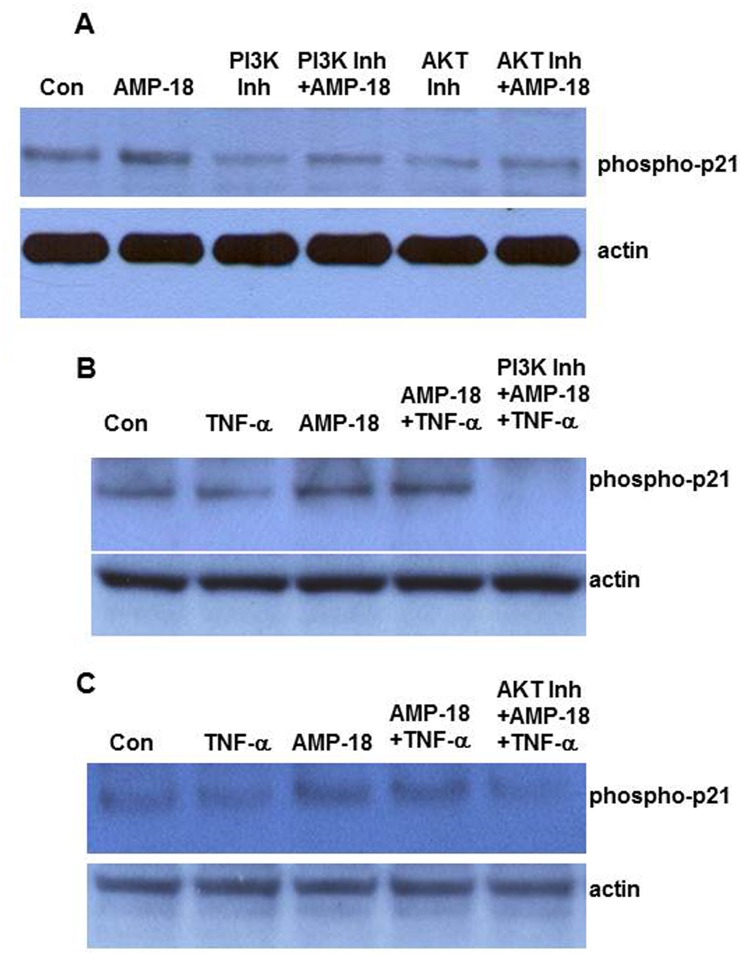
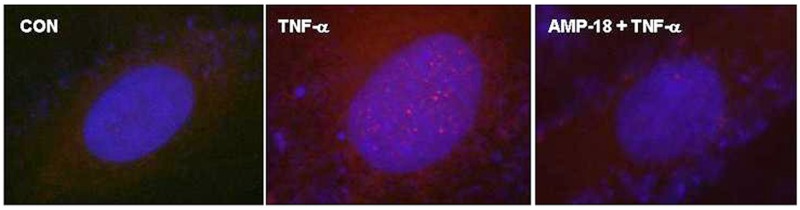
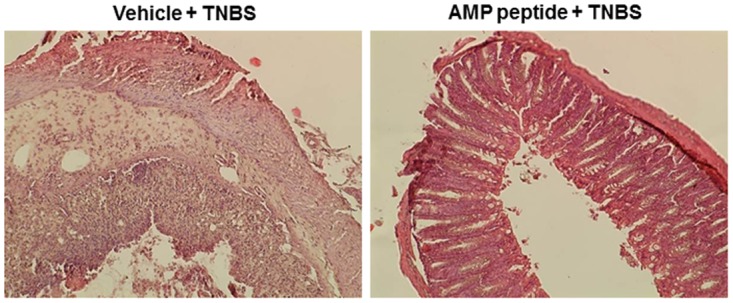
Dysregulated homeostasis of epithelial cells resulting in disruption of mucosal barrier function is an important pathogenic mechanism in inflammatory bowel diseases (IBD). We have characterized a novel gastric protein, Antrum Mucosal Protein (AMP)-18, that has pleiotropic properties; it is mitogenic, anti-apoptotic and can stimulate formation of tight junctions. A 21-mer synthetic peptide derived from AMP-18 exhibits the same biological functions as the full-length protein and is an effective therapeutic agent in mouse models of IBD. In this study we set out to characterize therapeutic mechanisms and identify molecular targets by which AMP-18 maintains and restores disrupted epithelial homeostasis in cultured intestinal epithelial cells and a mouse model of IBD. Tumor necrosis factor (TNF)-α, a pro-inflammatory cytokine known to mediate gastrointestinal (GI) mucosal injury in IBD, was used to induce intestinal epithelial cell injury, and study the effects of AMP-18 on apoptosis and the cell cycle. An apoptosis array used to search for targets of AMP-18 in cells exposed to TNF-α identified the cyclin-dependent kinase inhibitor p21 WAF1/CIP1. Treatment with AMP-18 blunted increases in p21 expression and apoptosis, while reversing disturbed cell cycle kinetics induced by TNF-α. AMP-18 appears to act through PI3K/AKT pathways to increase p21 phosphorylation, thereby reducing its nuclear accumulation to overcome the antiproliferative effects of TNF-α. In vitamin D receptor-deficient mice with TNBS-induced IBD, the observed increase in p21 expression in colonic epithelial cells was suppressed by treatment with AMP peptide. The results indicate that AMP-18 can maintain and/or restore the homeostatic balance between proliferation and apoptosis in intestinal epithelial cells to protect and repair mucosal barrier homeostasis and function, suggesting a therapeutic role in IBD.
上皮细胞稳态失调导致黏膜屏障功能破坏是炎症性肠病(IBD)的重要致病机制。我们鉴定了一种新型胃蛋白,胃窦黏膜蛋白(AMP)-18,它具有多种生物学特性;具有促有丝分裂、抗凋亡作用,并能刺激紧密连接的形成。一种源自AMP-18的21肽合成肽具有与全长蛋白相同的生物学功能,并且是IBD小鼠模型中的有效治疗剂。在本研究中,我们着手表征治疗机制并确定分子靶点,通过这些靶点,AMP-18可在培养的肠上皮细胞和IBD小鼠模型中维持和恢复被破坏的上皮细胞稳态。肿瘤坏死因子(TNF)-α是一种已知可介导IBD中胃肠道(GI)黏膜损伤的促炎细胞因子,用于诱导肠上皮细胞损伤,并研究AMP-18对细胞凋亡和细胞周期的影响。一种凋亡芯片用于在暴露于TNF-α的细胞中寻找AMP-18的靶点,鉴定出细胞周期蛋白依赖性激酶抑制剂p21 WAF1/CIP1。用AMP-18处理可抑制p21表达和细胞凋亡的增加,同时逆转由TNF-α诱导的细胞周期动力学紊乱。AMP-18似乎通过PI3K/AKT途径发挥作用,增加p21磷酸化,从而减少其核内积累,以克服TNF-α的抗增殖作用。在TNBS诱导的IBD的维生素D受体缺陷小鼠中,用AMP肽治疗可抑制结肠上皮细胞中观察到的p21表达增加。结果表明,AMP-18可维持和/或恢复肠上皮细胞增殖和凋亡之间的稳态平衡,以保护和修复黏膜屏障稳态及功能,提示其在IBD中的治疗作用。