Parrott Marissa L, Ward Simon J, Temple-Smith Peter D, Selwood Lynne
Department of Zoology, University of Melbourne, Parkville, Australia; Wildlife Conservation and Science, Zoos Victoria, Parkville, Australia.
Department of Zoology, University of Melbourne, Parkville, Australia; Biodiversity Conservation Division, NT Department of Natural Resources, Environment, the Arts and Sport, Palmerston, Australia.
PLoS One. 2015 Apr 29;10(4):e0122381. doi: 10.1371/journal.pone.0122381. eCollection 2015.
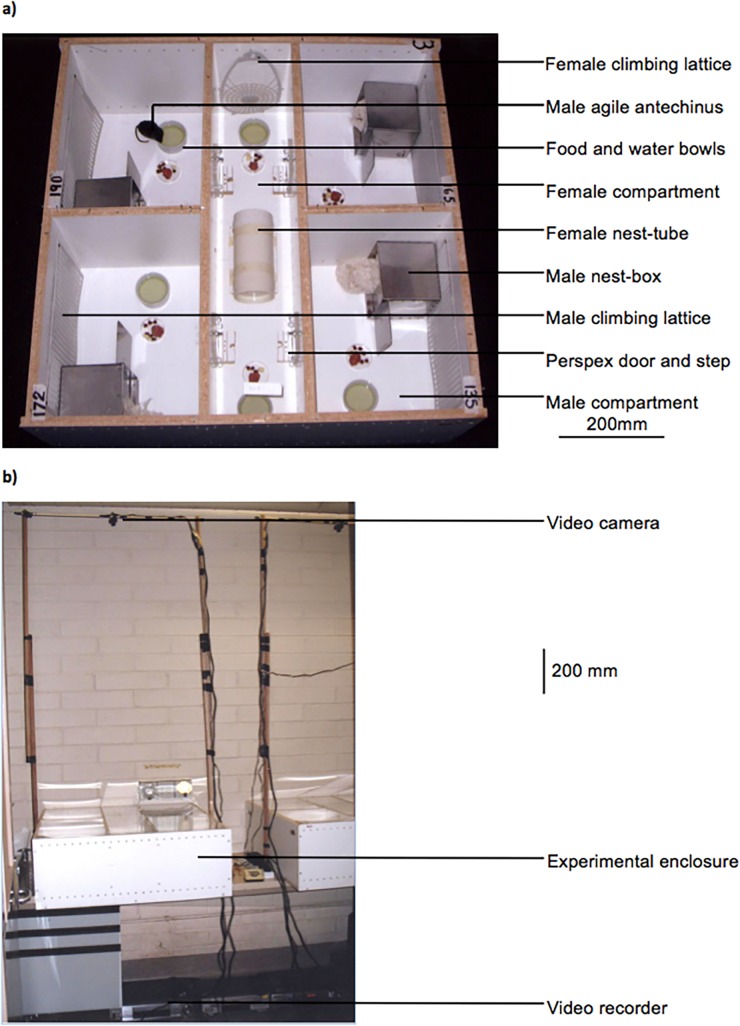
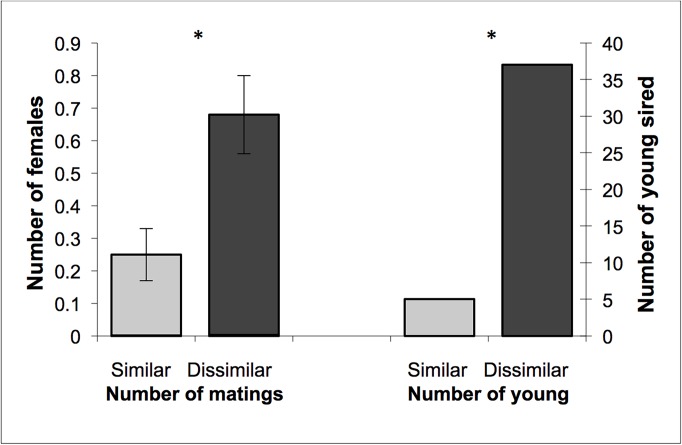
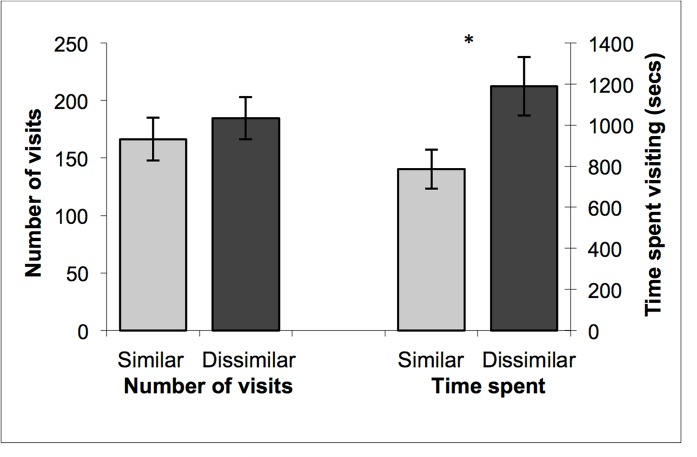
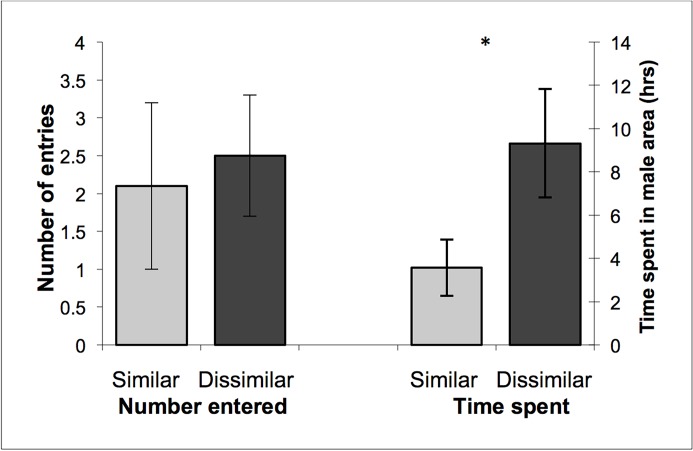
Females in a variety of taxa mate with more than one male during a single oestrus and exhibit mate preferences for genetically compatible males, but the influence of female mate choice on siring success is not clearly understood. Whether females choose to mate with more than one male or endure forced copulations is also often unknown. Here, we examined the effects of genetic relatedness on female mate choice and siring success in a small semelparous carnivorous marsupial, the agile antechinus (Antechinus agilis), during two consecutive breeding seasons. Experimental trials were conducted in captivity over periods of 72 hours using interconnected enclosures in which female antechinus could choose to access any of four separated males, but males were only able to access females that entered their quarters. Females had access to two genetically similar and two genetically dissimilar males simultaneously and all behavioural interactions were observed and scored from continuous video recordings. Genetic similarity between mates and paternity of young was determined by microsatellite analyses. Some females chose to enter and mate with more than one male during a single oestrus period. Although females investigated all males, they spent significantly more time visiting, and mated more times with, genetically dissimilar males. Males that were genetically dissimilar to the female sired 88% of subsequent offspring. Whilst males mated readily with most females, they rejected the advances of some receptive females, indicating a previously unexpected level of male mate choice. The results show that genetic relatedness between mates has a significant influence on mate choice, breeding and siring success in the agile antechinus.
在多个分类群中,雌性在单次发情期会与不止一只雄性交配,并对基因相容的雄性表现出配偶偏好,但雌性配偶选择对父系成功的影响尚不清楚。雌性是选择与不止一只雄性交配还是忍受强迫交配通常也不为人知。在这里,我们在连续两个繁殖季节研究了基因相关性对一种小型一次性繁殖的肉食性有袋动物——敏捷狭足袋鼩(Antechinus agilis)的雌性配偶选择和父系成功的影响。实验在圈养环境中进行,为期72小时,使用相互连接的围栏,雌性狭足袋鼩可以选择接触四个分开的雄性中的任何一个,但雄性只能接触进入它们区域的雌性。雌性可以同时接触到两个基因相似和两个基因不相似的雄性,所有行为互动都通过连续视频记录进行观察和评分。配偶之间的基因相似性和幼崽的父系通过微卫星分析确定。一些雌性在单次发情期选择与不止一只雄性交配并进入其领地。尽管雌性会对所有雄性进行调查,但它们花在拜访基因不相似的雄性上的时间明显更多,与之交配的次数也更多。与雌性基因不相似的雄性生育了88%的后代。虽然雄性很容易与大多数雌性交配,但它们拒绝了一些处于发情期雌性的求爱,这表明雄性配偶选择的程度出乎意料。结果表明,配偶之间的基因相关性对敏捷狭足袋鼩的配偶选择及其繁殖和父系成功有显著影响。