Liu Runping, Zhang Luyong, Yang Jing, Zhang Xiaoxuan, Mikkelsen Ross, Song Shiyu, Zhou Huiping
Jiangsu Center for Drug Screening, China Pharmaceutical University, Nanjing, 210009, China; Department of Microbiology & Immunology, Virginia Commonwealth University, Richmond, VA, 23298, United States of America.
Jiangsu Center for Drug Screening, China Pharmaceutical University, Nanjing, 210009, China.
PLoS One. 2015 May 1;10(5):e0125928. doi: 10.1371/journal.pone.0125928. eCollection 2015.
Human head and neck squamous cell carcinoma (HNSCC) is the sixth most malignant cancer worldwide. Despite significant advances in the delivery of treatment and surgical reconstruction, there is no significant improvement of mortality rates for this disease in the past decades. Radiotherapy is the core component of the clinical combinational therapies for HNSCC. However, the tumor cells have a tendency to develop radiation resistance, which is a major barrier to effective treatment. HIV protease inhibitors (HIV PIs) have been reported with radiosensitizing activities in HNSCC cells, but the underlying cellular/molecular mechanisms remain unclear. Our previous study has shown that HIV PIs induce cell apoptosis via activation of endoplasmic reticulum (ER) stress. The aim of this study was to examine the role of ER stress in HIV PI-induced radiosensitivity in human HNSCC.
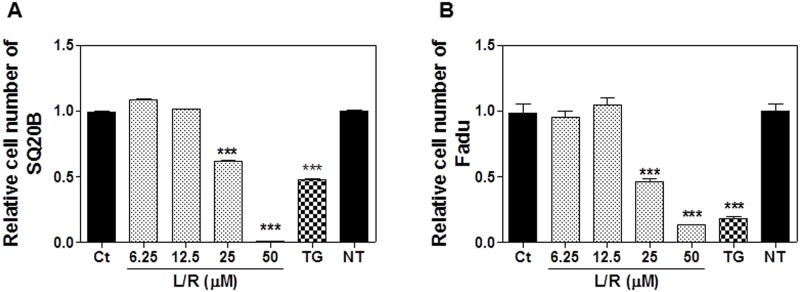
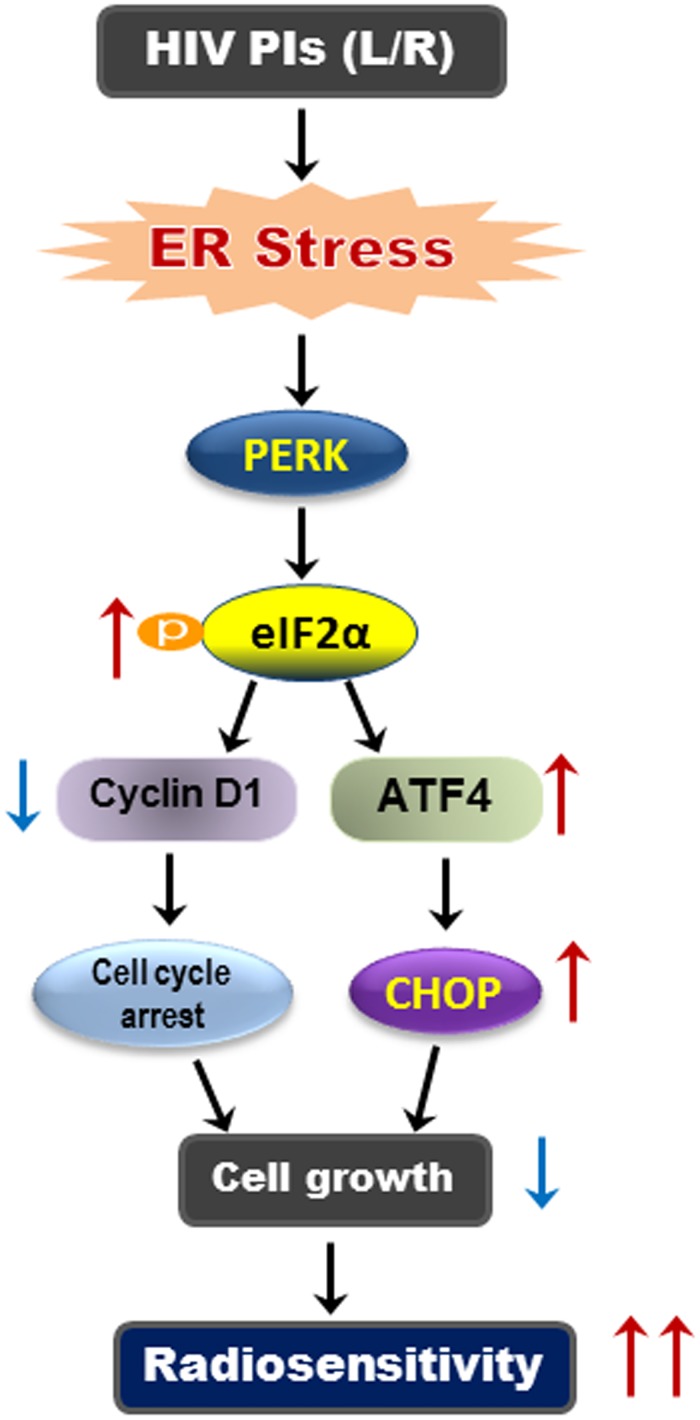
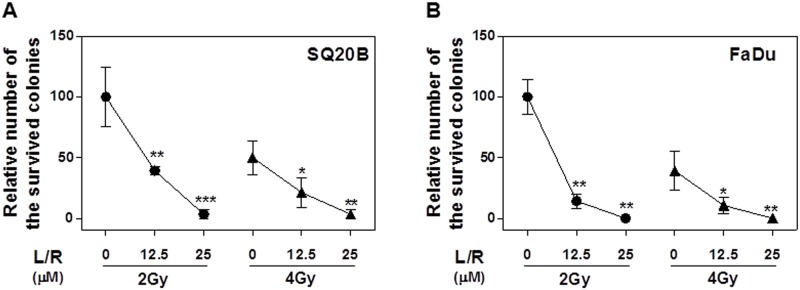
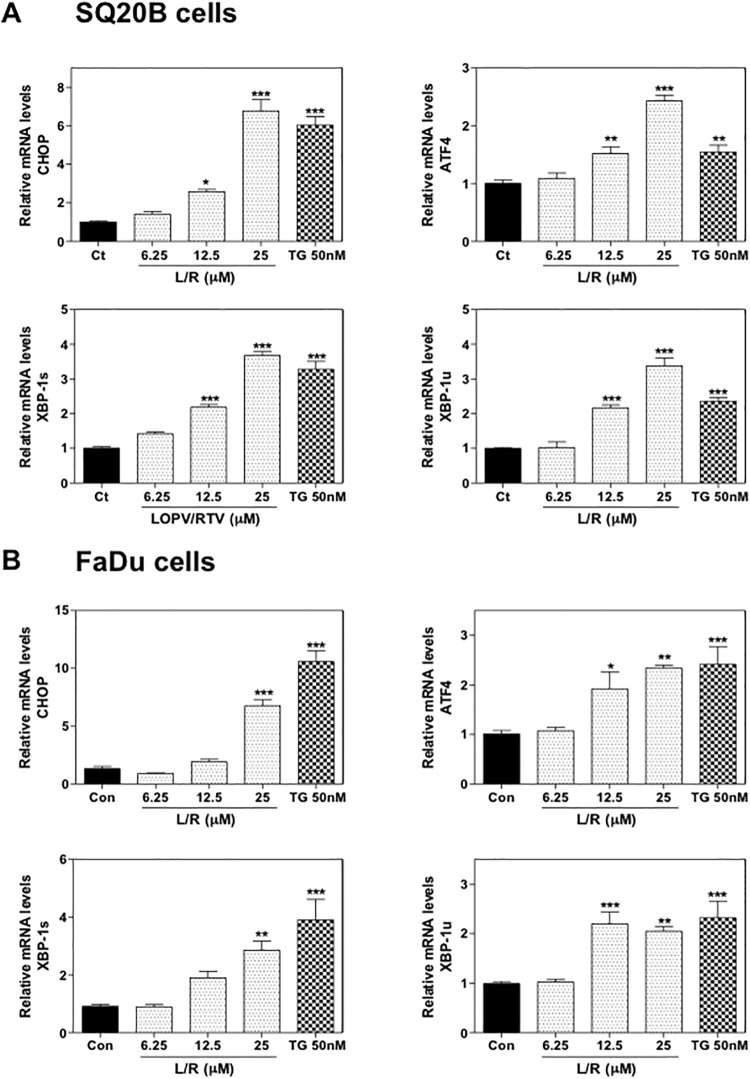
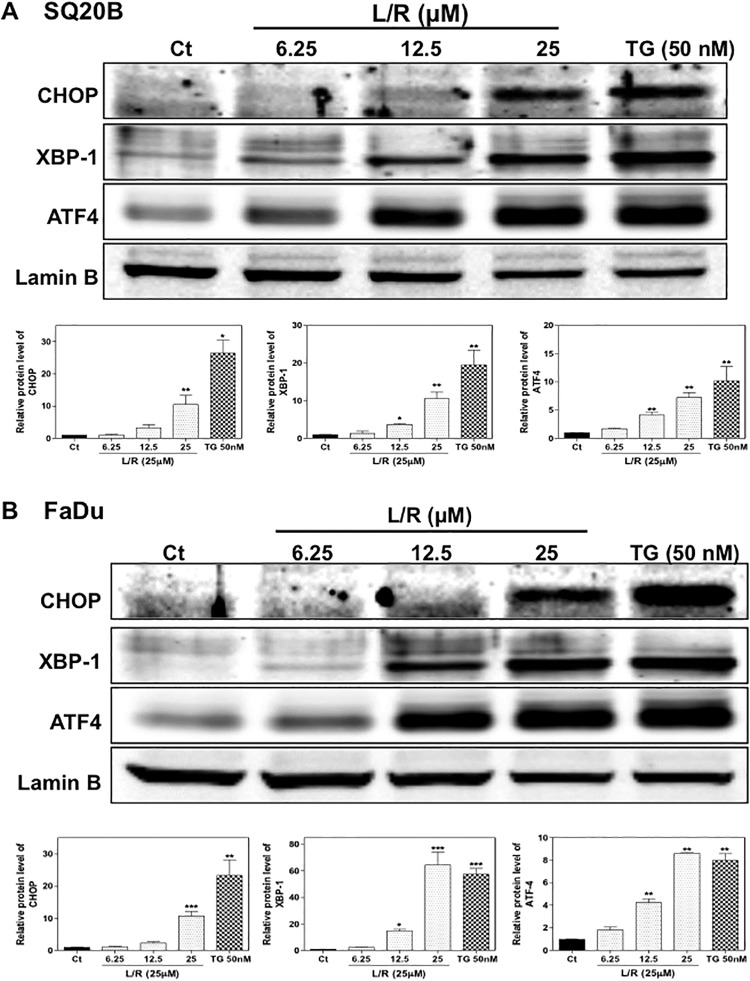
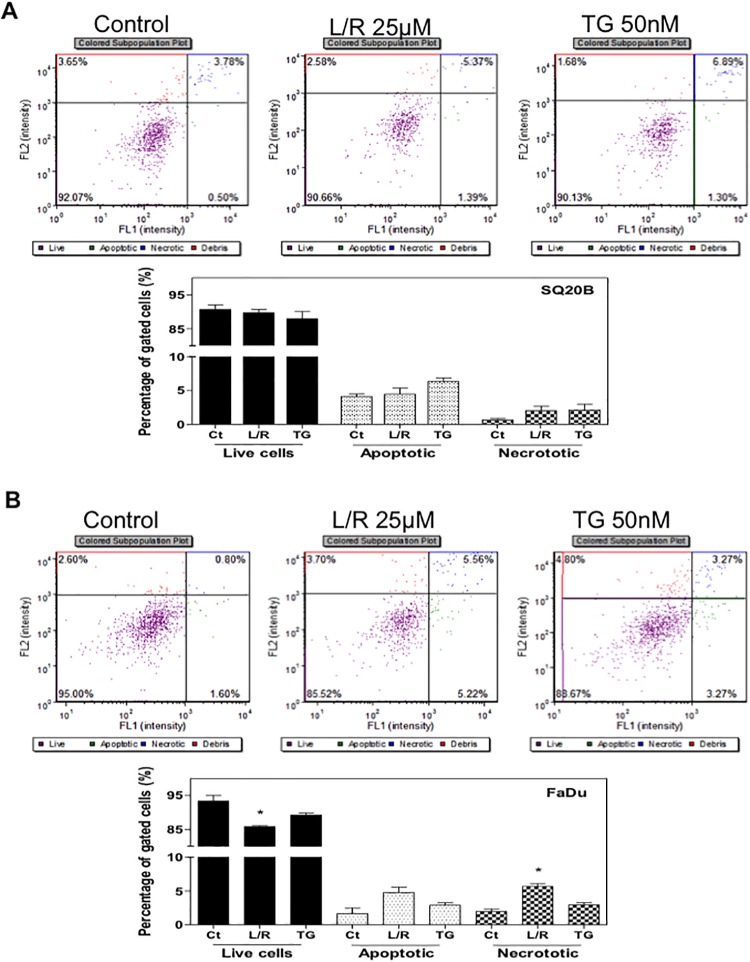
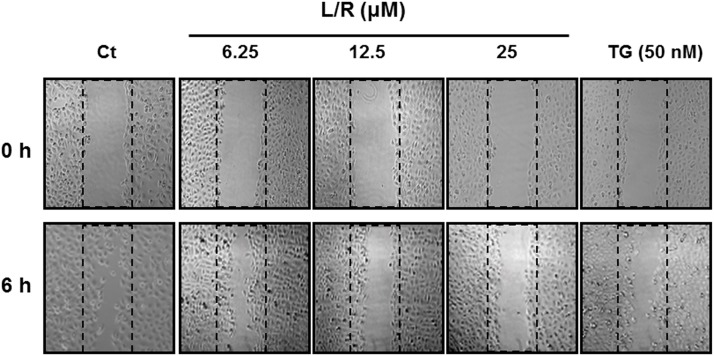
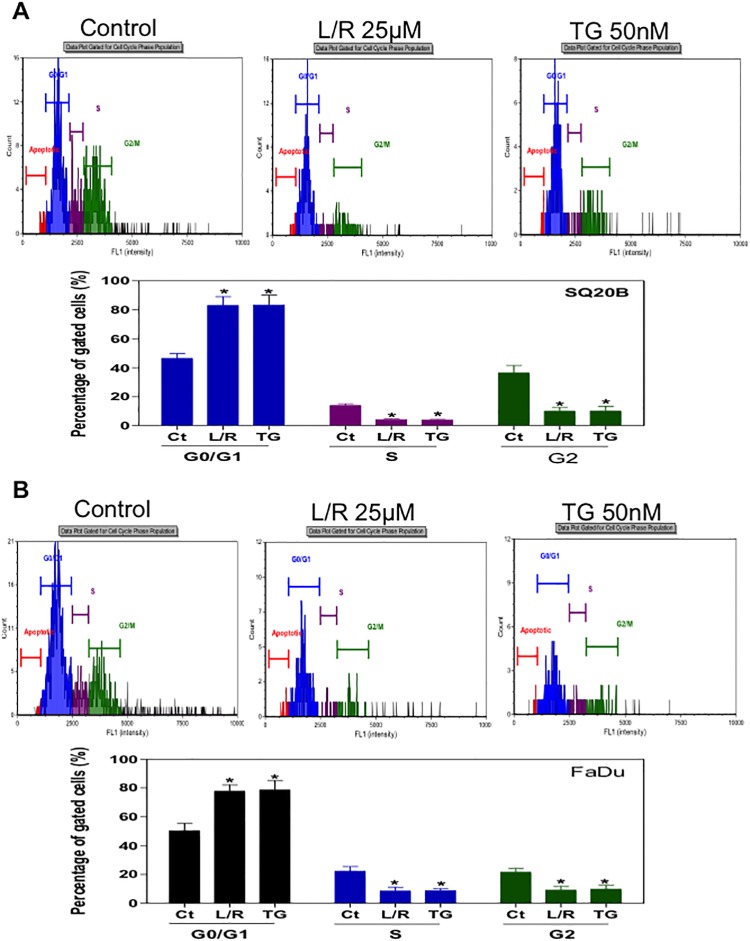
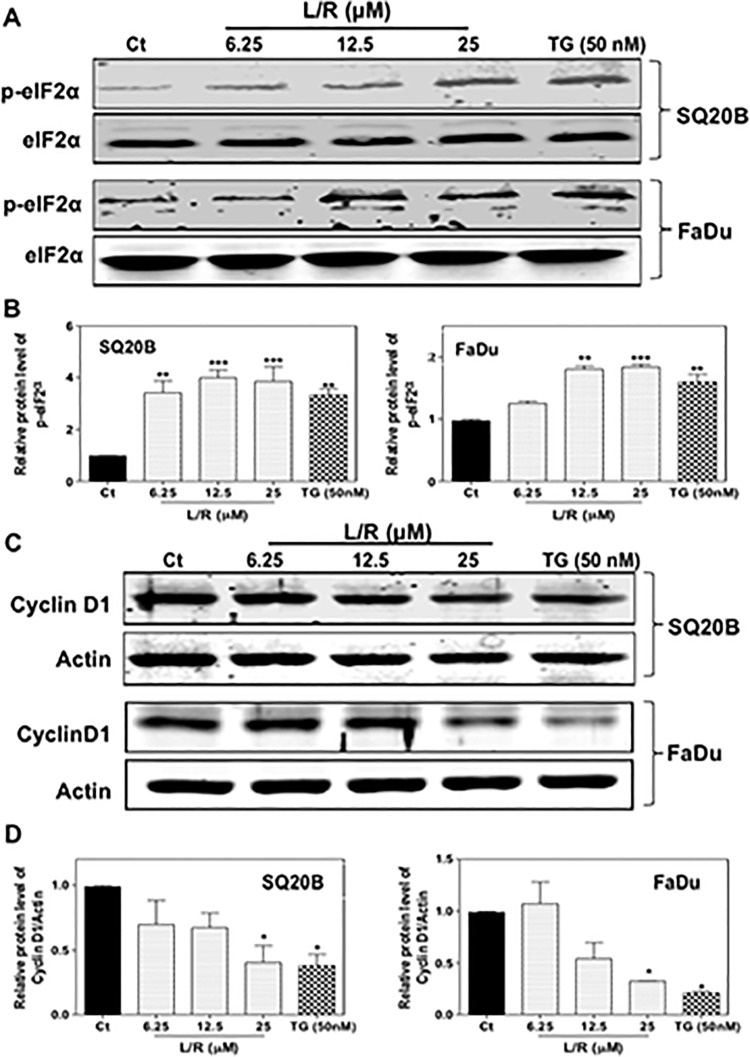
HNSCC cell lines, SQ20B and FaDu, and the most commonly used HIV PIs, lopinavir and ritonavir (L/R), were used in this study. Clonogenic assay was used to assess the radiosensitivity. Cell viability, apoptosis and cell cycle were analyzed using Cellometer Vision CBA. The mRNA and protein levels of ER stress-related genes (eIF2α, CHOP, ATF-4, and XBP-1), as well as cell cycle related protein, cyclin D1, were detected by real time RT-PCR and Western blot analysis, respectively. The results demonstrated that L/R dose-dependently sensitized HNSCC cells to irradiation and inhibited cell growth. L/R-induced activation of ER stress was correlated to down-regulation of cyclin D1 expression and cell cycle arrest under G0/G1 phase.
HIV PIs sensitize HNSCC cells to radiotherapy by activation of ER stress and induction of cell cycle arrest. Our results provided evidence that HIV PIs can be potentially used in combination with radiation in the treatment of HNSCC.
人类头颈部鳞状细胞癌(HNSCC)是全球第六大恶性肿瘤。尽管在治疗和手术重建方面取得了显著进展,但在过去几十年中,该疾病的死亡率并未得到显著改善。放射治疗是HNSCC临床联合治疗的核心组成部分。然而,肿瘤细胞有产生放射抗性的倾向,这是有效治疗的主要障碍。据报道,HIV蛋白酶抑制剂(HIV PIs)在HNSCC细胞中具有放射增敏活性,但其潜在的细胞/分子机制仍不清楚。我们之前的研究表明,HIV PIs通过激活内质网(ER)应激诱导细胞凋亡。本研究的目的是探讨ER应激在HIV PI诱导的人HNSCC放射敏感性中的作用。
本研究使用了HNSCC细胞系SQ20B和FaDu,以及最常用的HIV PIs洛匹那韦和利托那韦(L/R)。采用克隆形成试验评估放射敏感性。使用Cellometer Vision CBA分析细胞活力、凋亡和细胞周期。分别通过实时RT-PCR和蛋白质印迹分析检测ER应激相关基因(eIF2α、CHOP、ATF-4和XBP-1)的mRNA和蛋白质水平,以及细胞周期相关蛋白细胞周期蛋白D1。结果表明,L/R剂量依赖性地使HNSCC细胞对辐射敏感并抑制细胞生长。L/R诱导的ER应激激活与细胞周期蛋白D1表达下调和G0/G1期细胞周期阻滞相关。
HIV PIs通过激活ER应激和诱导细胞周期阻滞使HNSCC细胞对放射治疗敏感。我们的结果提供了证据,表明HIV PIs可潜在地与放疗联合用于治疗HNSCC。