Burgess Alison, Shah Kairavi, Hough Olivia, Hynynen Kullervo
Physical Sciences, Sunnybrook Research Institute, 2075 Bayview Ave, S665, Toronto, ON M4N 3M5, Canada.
Expert Rev Neurother. 2015 May;15(5):477-91. doi: 10.1586/14737175.2015.1028369.
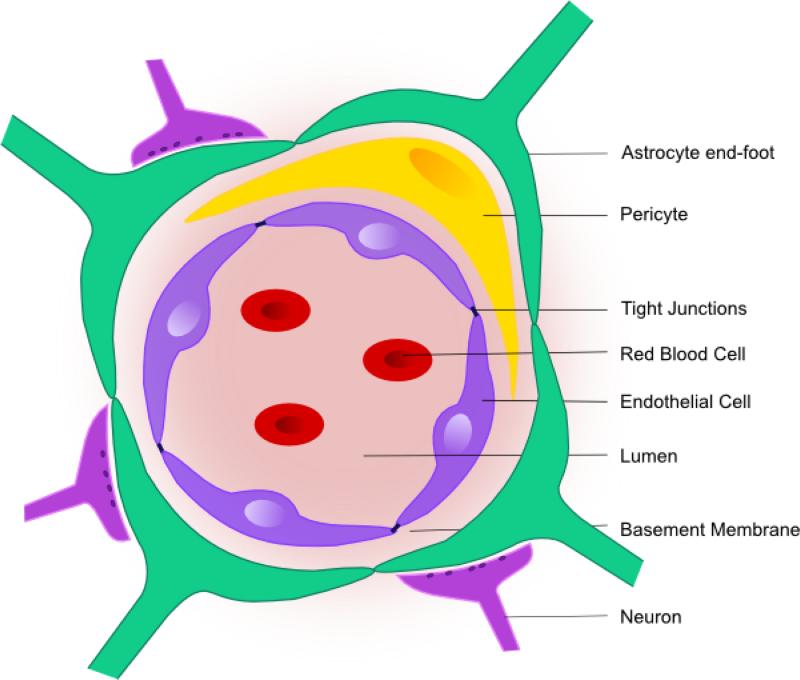
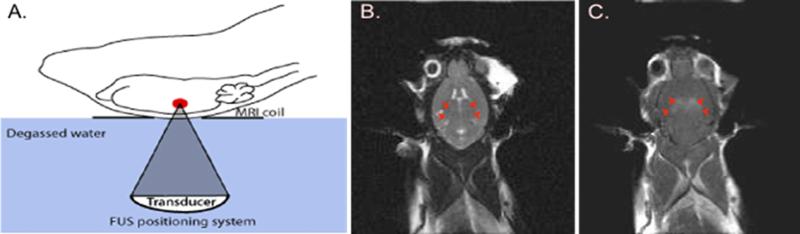
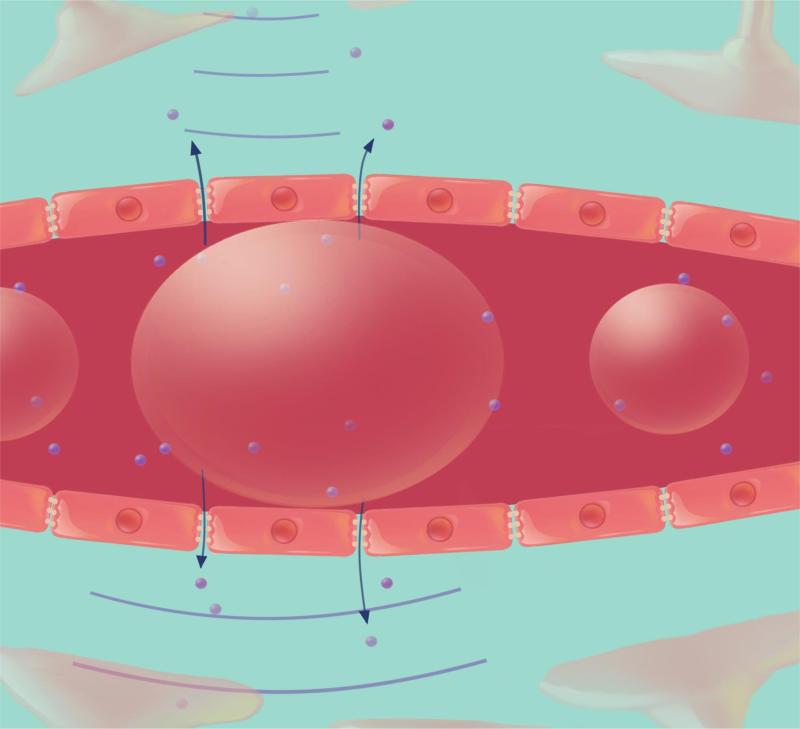
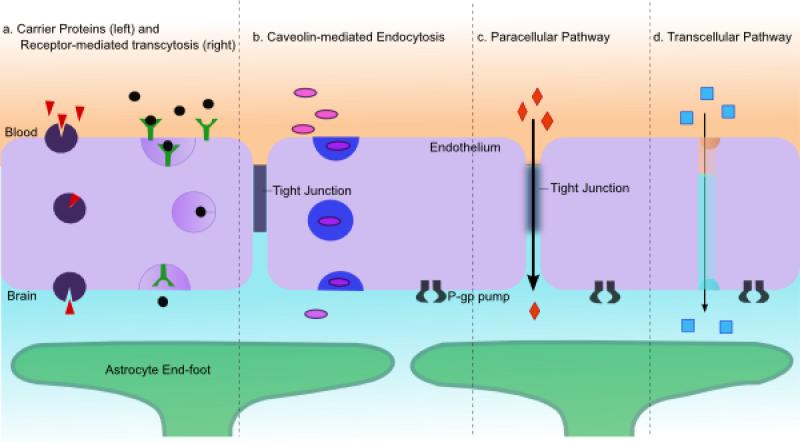
Despite recent advances in blood-brain barrier (BBB) research, it remains a significant hurdle for the pharmaceutical treatment of brain diseases. Focused ultrasound (FUS) is one method to transiently increase permeability of the BBB to promote drug delivery to specific brain regions. An introduction to the BBB and a brief overview of the methods, which can be used to circumvent the BBB to promote drug delivery, is provided. In particular, we discuss the advantages and limitations of FUS technology and the efficacy of FUS-mediated drug delivery in models of disease. MRI for targeting and evaluating FUS treatments, combined with administration of microbubbles, allows for transient, reproducible BBB opening. The integration of a real-time acoustic feedback controller has improved treatment safety. Successful clinical translation of FUS has the potential to transform the treatment of brain disease worldwide without requiring the development of new pharmaceutical agents.
尽管血脑屏障(BBB)研究最近取得了进展,但它仍然是脑部疾病药物治疗的一个重大障碍。聚焦超声(FUS)是一种可短暂增加血脑屏障通透性以促进药物向特定脑区递送的方法。本文介绍了血脑屏障,并简要概述了可用于绕过血脑屏障以促进药物递送的方法。特别是,我们讨论了FUS技术的优缺点以及FUS介导的药物递送至疾病模型中的疗效。用于靶向和评估FUS治疗的MRI与微泡给药相结合,可实现短暂、可重复的血脑屏障开放。实时声学反馈控制器的集成提高了治疗安全性。FUS的成功临床转化有可能在无需开发新药剂的情况下改变全球脑部疾病的治疗方式。