Aubry A, Galiacy S, Ceccato L, Marchand C, Tricoire C, Lopez F, Bremner R, Racaud-Sultan C, Monsarrat B, Malecaze F, Allouche M
1] Université de Toulouse, UPS, EA4555, GR2DE, CPTP, Toulouse F-31300, France [2] Lunenfeld Tanenbaum Research Institute, Mount Sinai Hospital, Toronto, M5G 1X5, Canada [3] Department of Laboratory Medicine and Pathobiology, University of Toronto, Toronto, M5S 1A1, Canada.
1] Université de Toulouse, UPS, EA4555, GR2DE, CPTP, Toulouse F-31300, France [2] CHU Purpan, Toulouse F-31300, France.
Cell Death Dis. 2015 May 7;6(5):e1736. doi: 10.1038/cddis.2015.102.
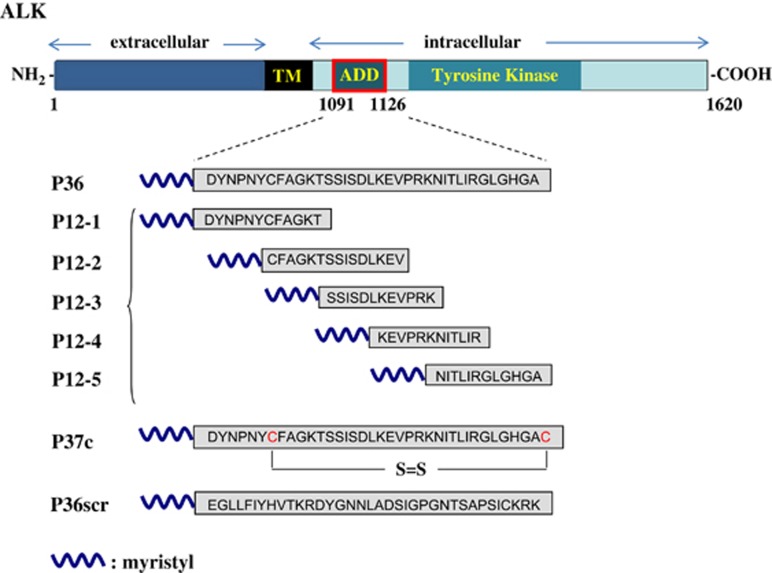
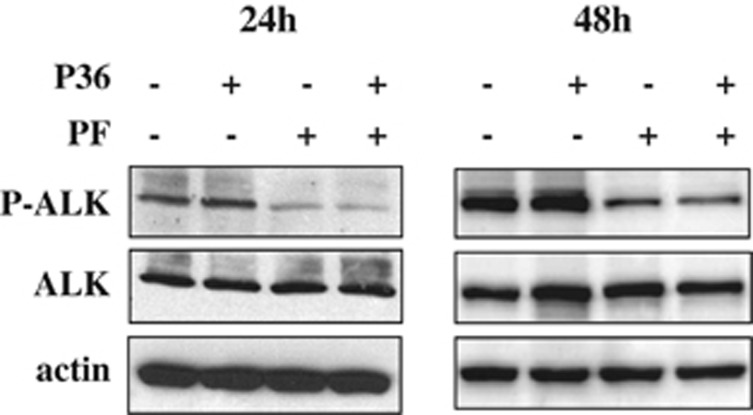
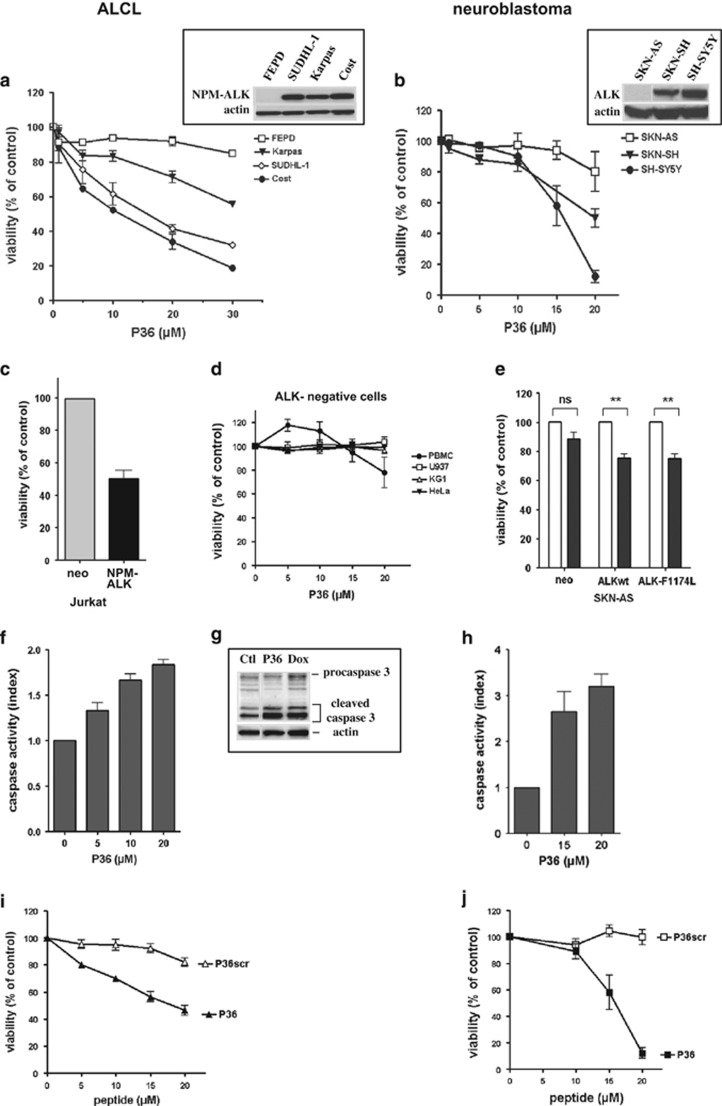
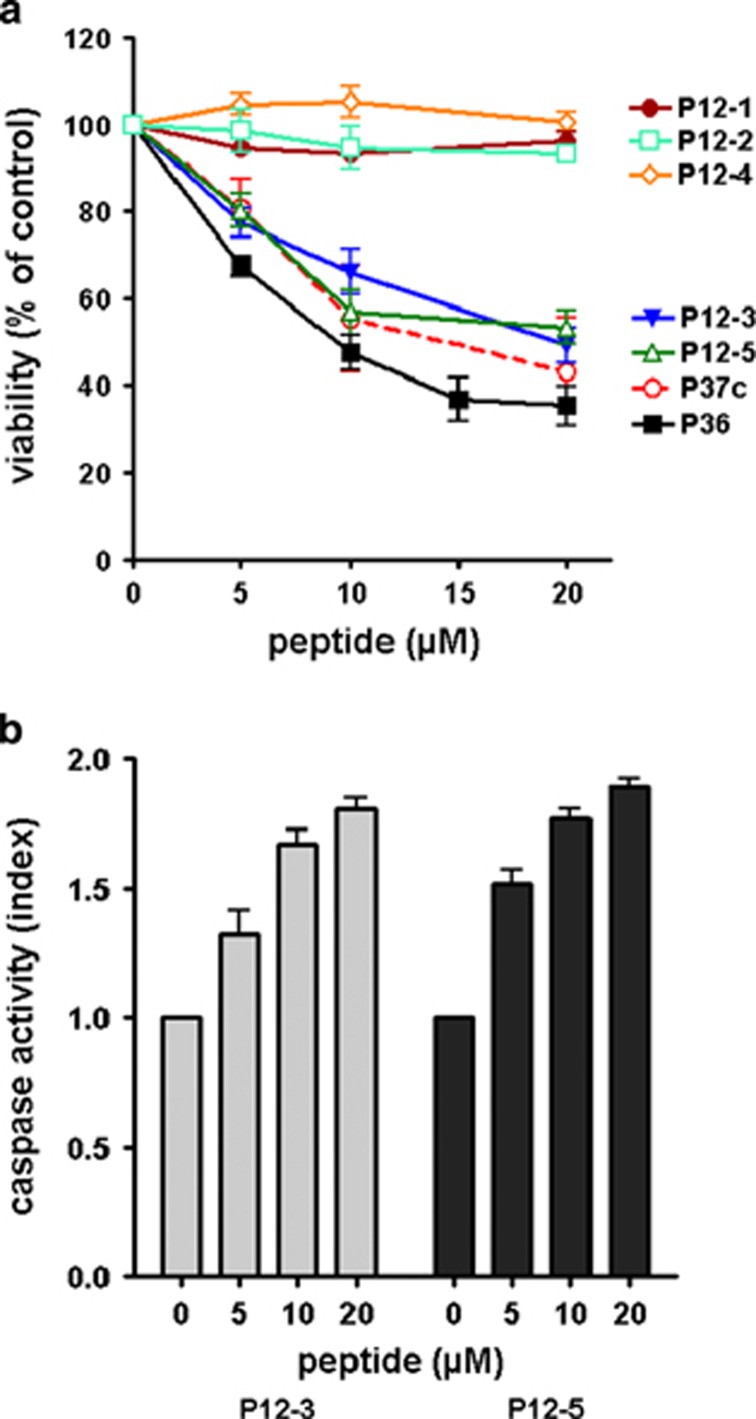
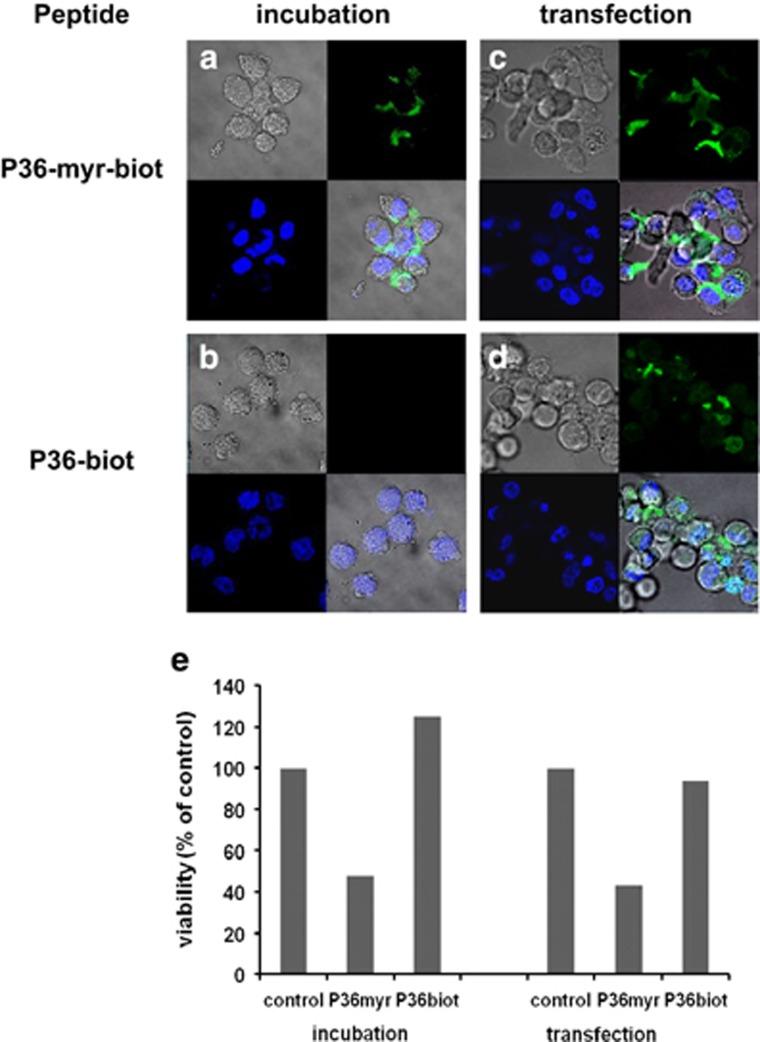
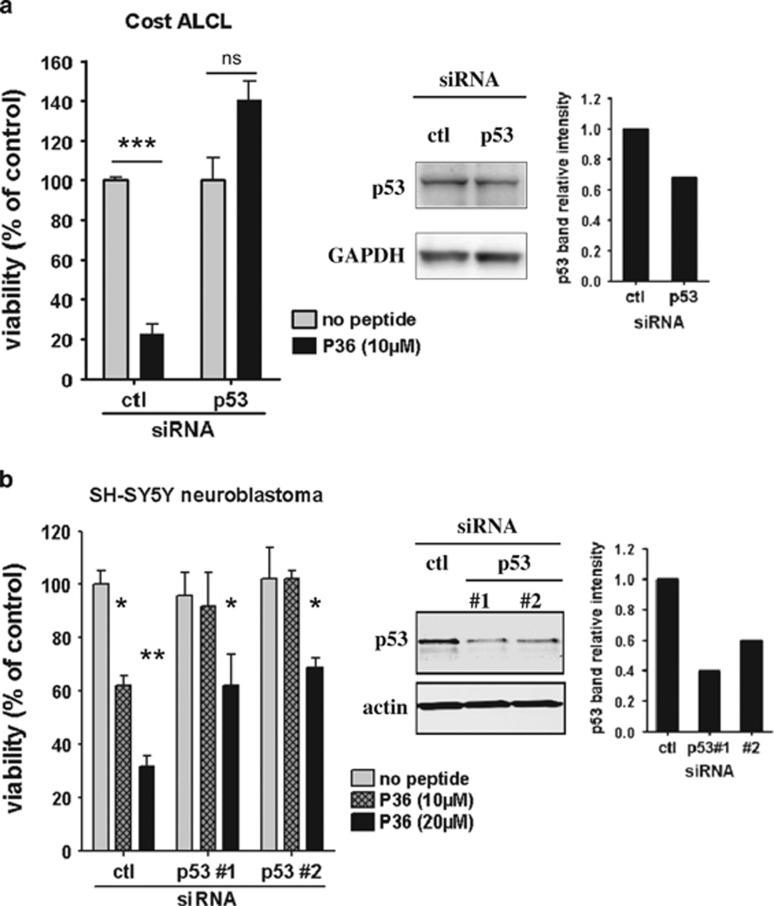
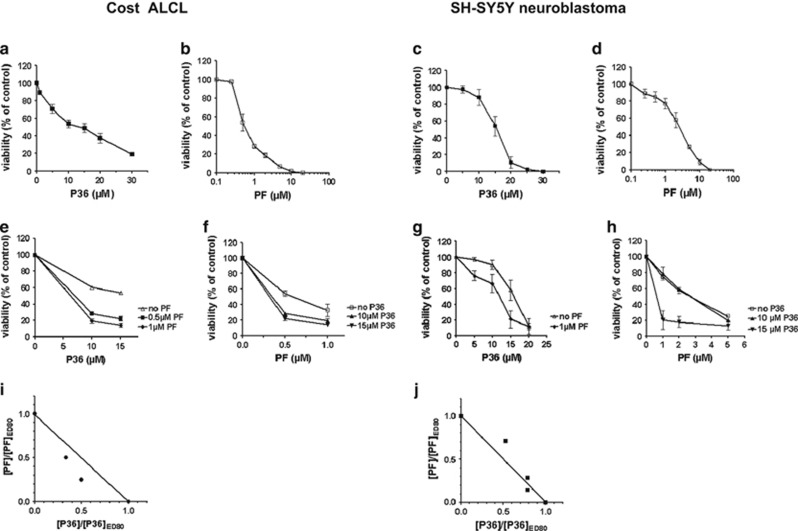
ALK is a receptor tyrosine kinase with an oncogenic role in various types of human malignancies. Despite constitutive activation of the kinase through gene alterations, such as chromosomal translocation, gene amplification or mutation, treatments with kinase inhibitors invariably lead to the development of resistance. Aiming to develop new tools for ALK targeting, we took advantage of our previous demonstration identifying ALK as a dependence receptor, implying that in the absence of ligand the kinase-inactive ALK triggers or enhances apoptosis. Here, we synthesized peptides mimicking the proapoptotic domain of ALK and investigated their biological effects on tumor cells. We found that an ALK-derived peptide of 36 amino acids (P36) was cytotoxic for ALK-positive anaplastic large-cell lymphoma and neuroblastoma cell lines. In contrast, ALK-negative tumor cells and normal peripheral blood mononuclear cells were insensitive to P36. The cytotoxic effect was due to caspase-dependent apoptosis and required N-myristoylation of the peptide. Two P36-derived shorter peptides as well as a cyclic peptide also induced apoptosis. Surface plasmon resonance and mass spectrometry analysis of P36-interacting proteins from two responsive cell lines, Cost lymphoma and SH-SY5Y neuroblastoma, uncovered partners that could involve p53-dependent signaling and pre-mRNA splicing. Furthermore, siRNA-mediated knockdown of p53 rescued these cells from P36-induced apoptosis. Finally, we observed that a treatment combining P36 with the ALK-specific inhibitor crizotinib resulted in additive cytotoxicity. Therefore, ALK-derived peptides could represent a novel targeted therapy for ALK-positive tumors.
间变性淋巴瘤激酶(ALK)是一种受体酪氨酸激酶,在多种类型的人类恶性肿瘤中具有致癌作用。尽管通过基因改变(如染色体易位、基因扩增或突变)导致该激酶持续激活,但使用激酶抑制剂进行治疗总是会导致耐药性的产生。为了开发针对ALK的新工具,我们利用了之前的研究成果,即确定ALK为一种依赖受体,这意味着在没有配体的情况下,激酶失活的ALK会触发或增强细胞凋亡。在此,我们合成了模拟ALK促凋亡结构域的肽段,并研究了它们对肿瘤细胞的生物学效应。我们发现一种由36个氨基酸组成的ALK衍生肽(P36)对ALK阳性间变性大细胞淋巴瘤和神经母细胞瘤细胞系具有细胞毒性。相比之下,ALK阴性肿瘤细胞和正常外周血单核细胞对P36不敏感。这种细胞毒性作用是由于半胱天冬酶依赖性凋亡引起的,并且该肽需要N-肉豆蔻酰化。两种源自P36的较短肽以及一种环肽也能诱导细胞凋亡。对来自两种反应性细胞系(科斯特淋巴瘤和SH-SY5Y神经母细胞瘤)的与P36相互作用的蛋白质进行表面等离子体共振和质谱分析,发现了可能涉及p53依赖性信号传导和前体mRNA剪接的相互作用蛋白。此外,小干扰RNA(siRNA)介导的p53敲低使这些细胞免受P36诱导的细胞凋亡。最后,我们观察到将P36与ALK特异性抑制剂克唑替尼联合使用会产生相加的细胞毒性。因此,ALK衍生肽可能代表一种针对ALK阳性肿瘤的新型靶向治疗方法。