Mueller Stephanie P, Krause Daniel M, Mueller Martin J, Fekete Agnes
Julius-von-Sachs-Institute, Biocenter, Pharmaceutical Biology, University of Wuerzburg, D-97082 Wuerzburg, Germany.
Julius-von-Sachs-Institute, Biocenter, Pharmaceutical Biology, University of Wuerzburg, D-97082 Wuerzburg, Germany
J Exp Bot. 2015 Aug;66(15):4517-26. doi: 10.1093/jxb/erv226. Epub 2015 May 14.
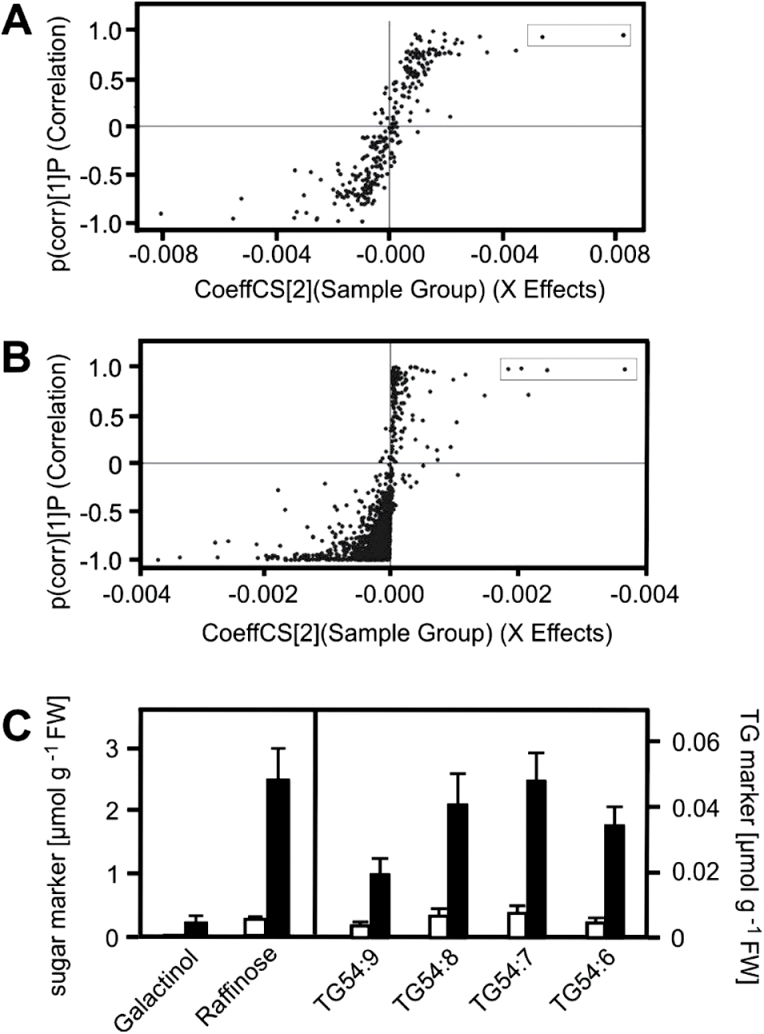
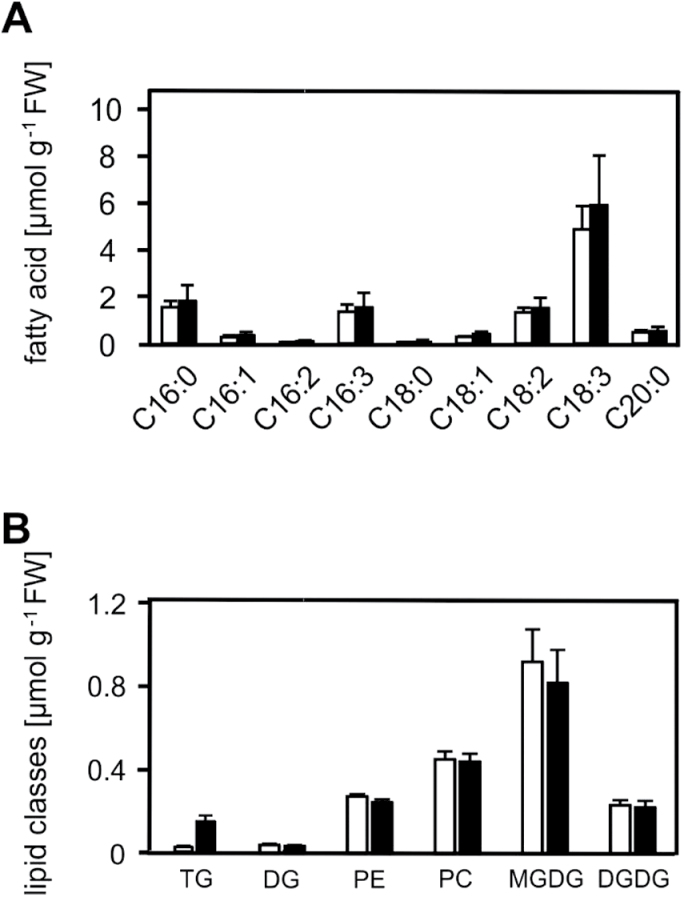
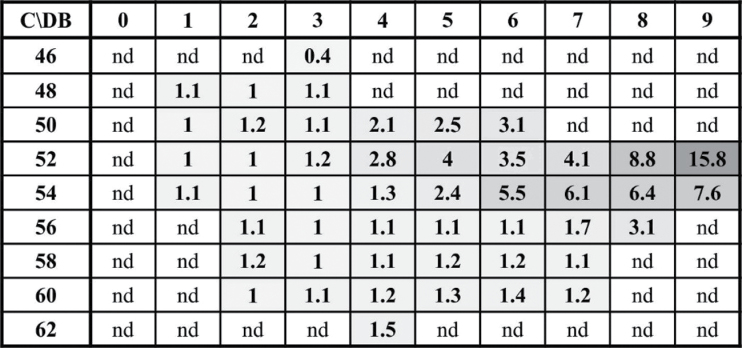
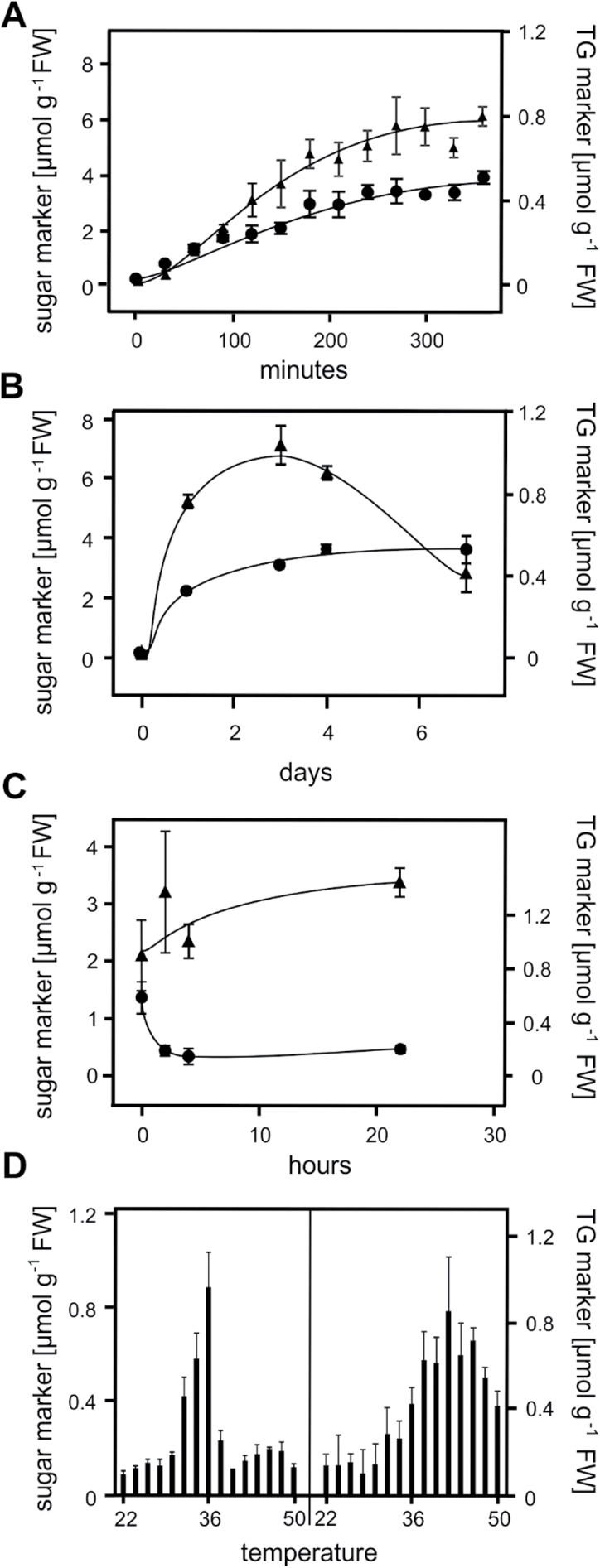
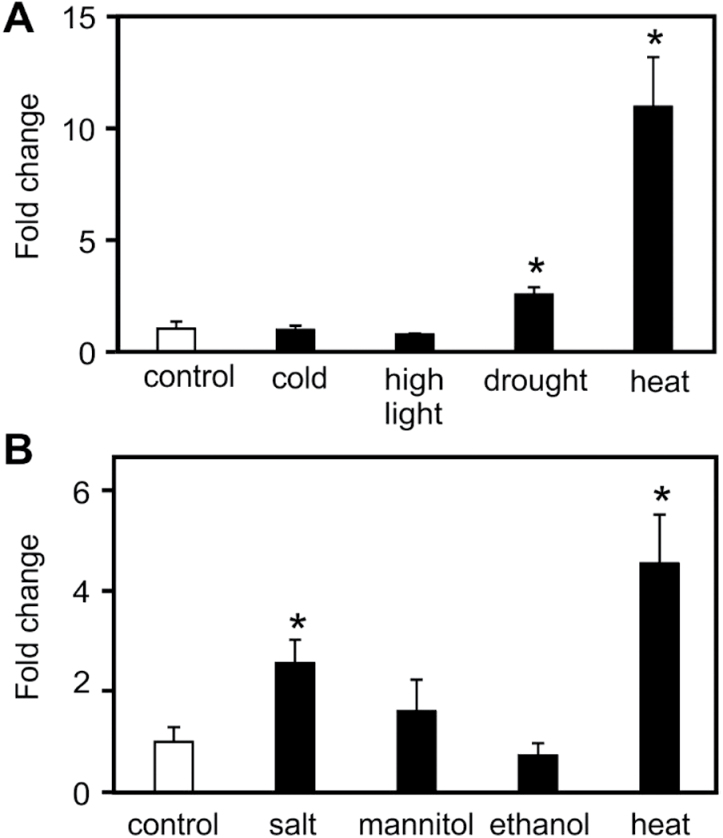
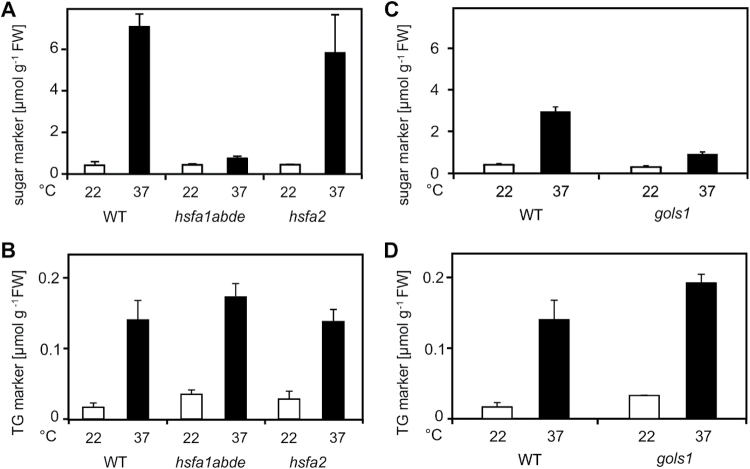
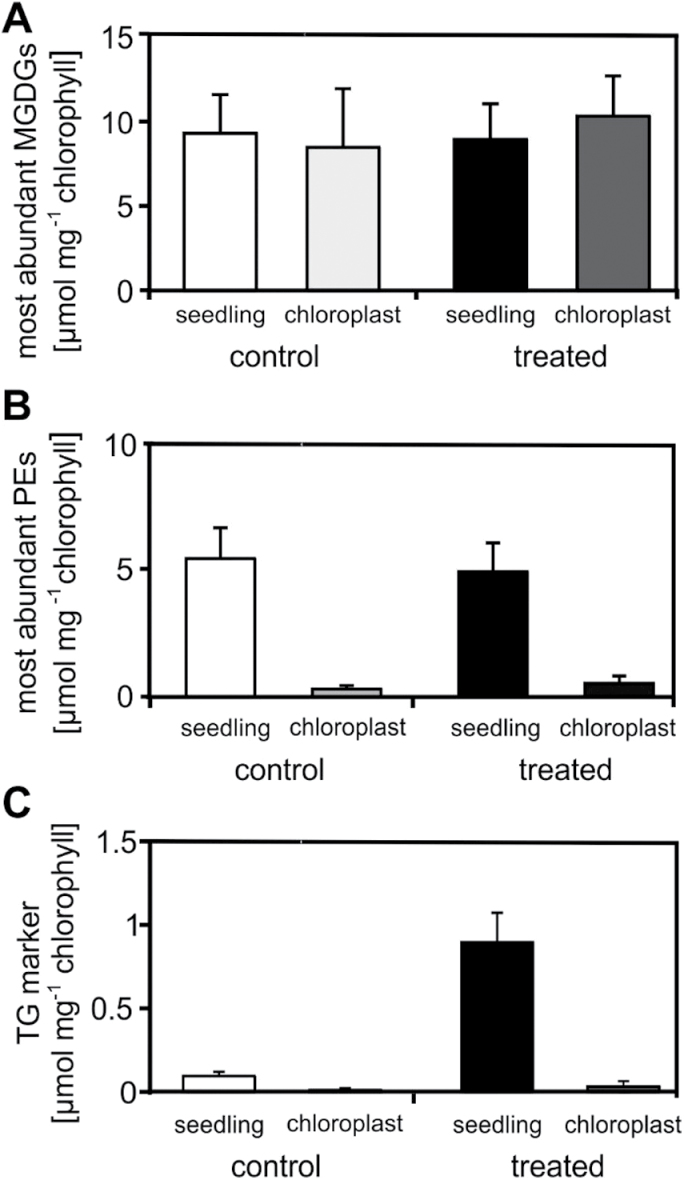
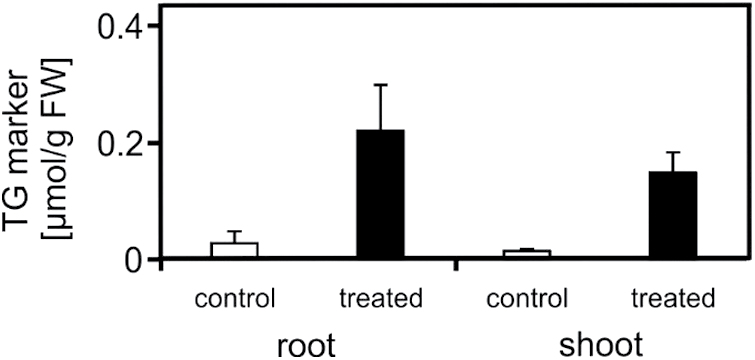
Heat acclimation enables plants to tolerate and survive short-term heat stress on hot days. In Arabidopsis thaliana, a genetically programmed heat shock response can be rapidly triggered in the temperature range of 32-38°C through activation of heat shock transcription factors (HSF). The heat shock response leads to heat acclimation and confers short-term protection against temperatures above 40°C. However, little is known about metabolic adjustments during heat acclimation.Untargeted metabolite analyses of A. thaliana seedlings revealed that levels of polyunsaturated triacylglycerols (TG) rapidly and dramatically increase during heat acclimation. TG accumulation was found to be temperature dependent in a temperature range of 32-50°C (optimum at 42°C) and reversible after a return from 37°C to normal growth temperatures. Heat-induced TGs accumulated in extra-chloroplastic compartments and increased in both roots and shoots to a similar extent. Analysis of mutants deficient in all four HSFA1 master regulator genes or the HSFA2 gene revealed that TG accumulation was not dependent on HSFs. Moreover, the TG response was not limited to heat stress because drought and salt stress also triggered an accumulation of TGs, but not short-term osmotic, cold, and high light stress. Lipid analysis revealed that heat-induced accumulation of TGs was not due to massive de novo fatty acid synthesis. It is hypothesized that TGs serve as transient stores for fatty acids that may be required for membrane remodelling during heat acclimation.
热驯化使植物能够在炎热天气下耐受短期热胁迫并存活下来。在拟南芥中,通过激活热休克转录因子(HSF),可以在32-38°C的温度范围内迅速触发基因编程的热休克反应。热休克反应导致热驯化,并赋予植物对40°C以上温度的短期保护。然而,关于热驯化过程中的代谢调整知之甚少。对拟南芥幼苗进行的非靶向代谢物分析表明,在热驯化过程中,多不饱和三酰甘油(TG)的水平迅速且显著增加。发现TG积累在32-50°C的温度范围内依赖于温度(最适温度为42°C),并且从37°C恢复到正常生长温度后是可逆的。热诱导的TG积累在叶绿体外部区室中,并且在根和茎中增加的程度相似。对所有四个HSFA1主调节基因或HSFA2基因缺失的突变体进行分析发现,TG积累不依赖于HSF。此外,TG反应不仅限于热胁迫,因为干旱和盐胁迫也会触发TG的积累,但短期渗透胁迫、冷胁迫和高光胁迫不会。脂质分析表明,热诱导的TG积累不是由于大量从头脂肪酸合成。据推测,TG作为脂肪酸的临时储存库,在热驯化过程中可能是膜重塑所必需的。