Yin Yongjun, Castro Angela M, Hoekstra Marrit, Yan Thomas J, Kanakamedala Ajay C, Dehner Louis P, Hill D Ashley, Ornitz David M
Department of Developmental Biology, Washington University School of Medicine, St. Louis, Missouri, United States of America.
Department of Pathology, Children's National Medical Center, Washington, D.C., United States of America.
PLoS Genet. 2015 May 15;11(5):e1005242. doi: 10.1371/journal.pgen.1005242. eCollection 2015 May.
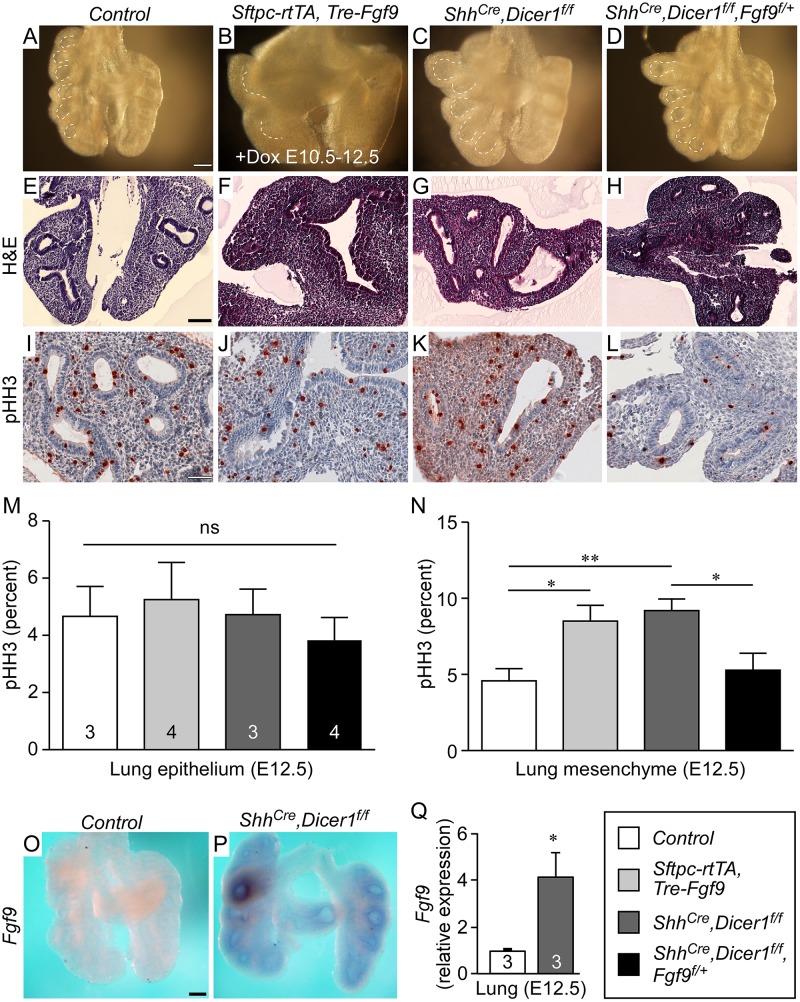
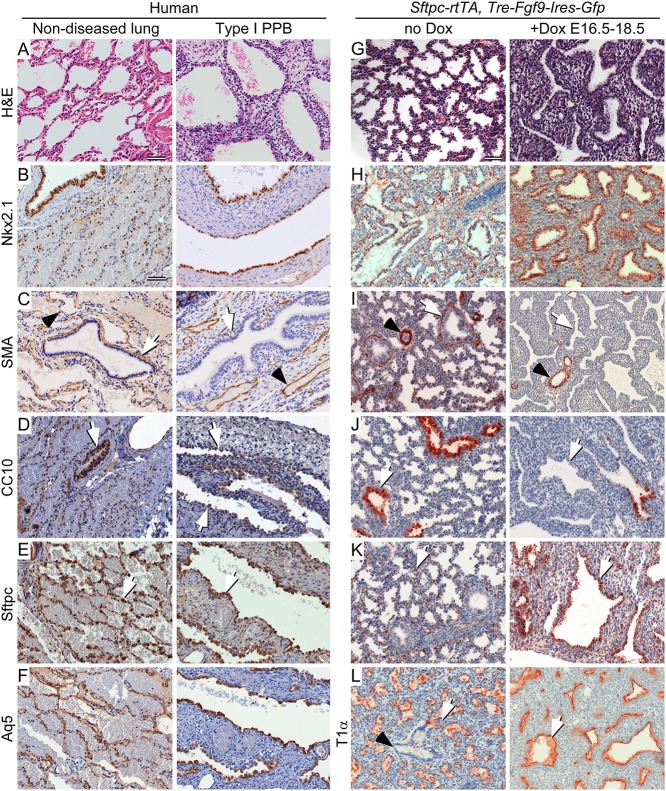
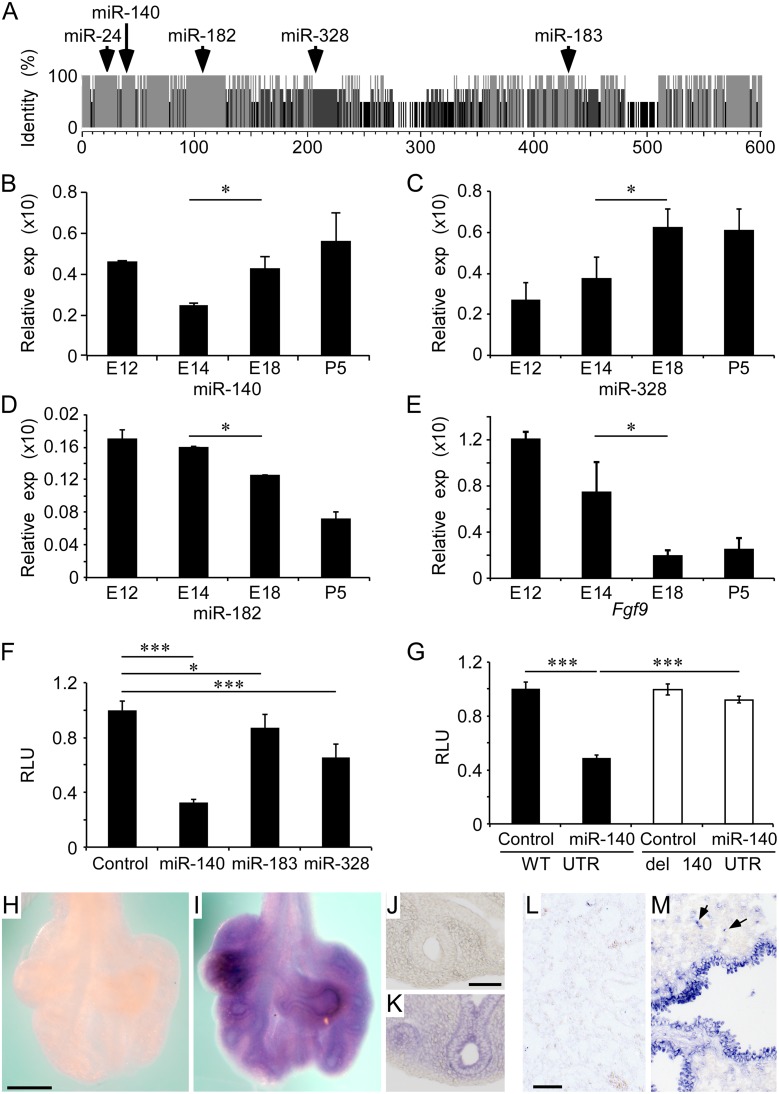
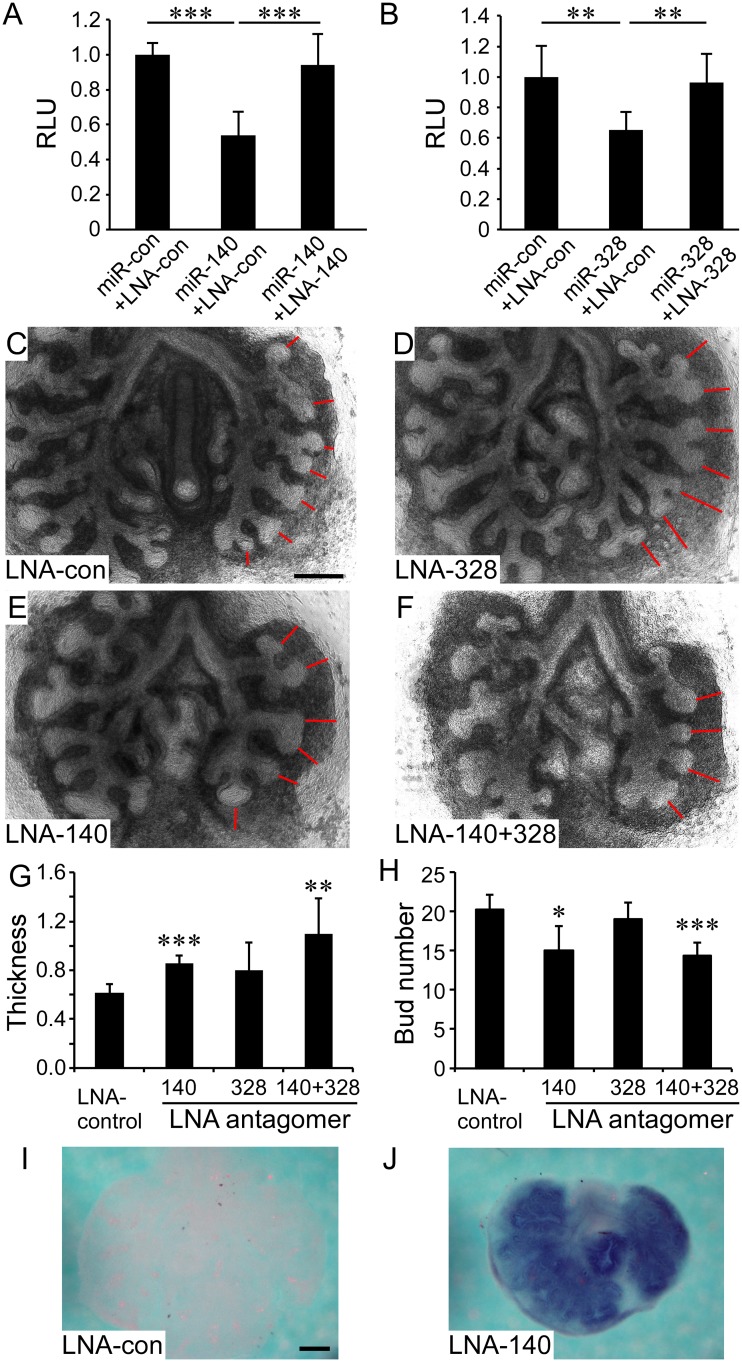
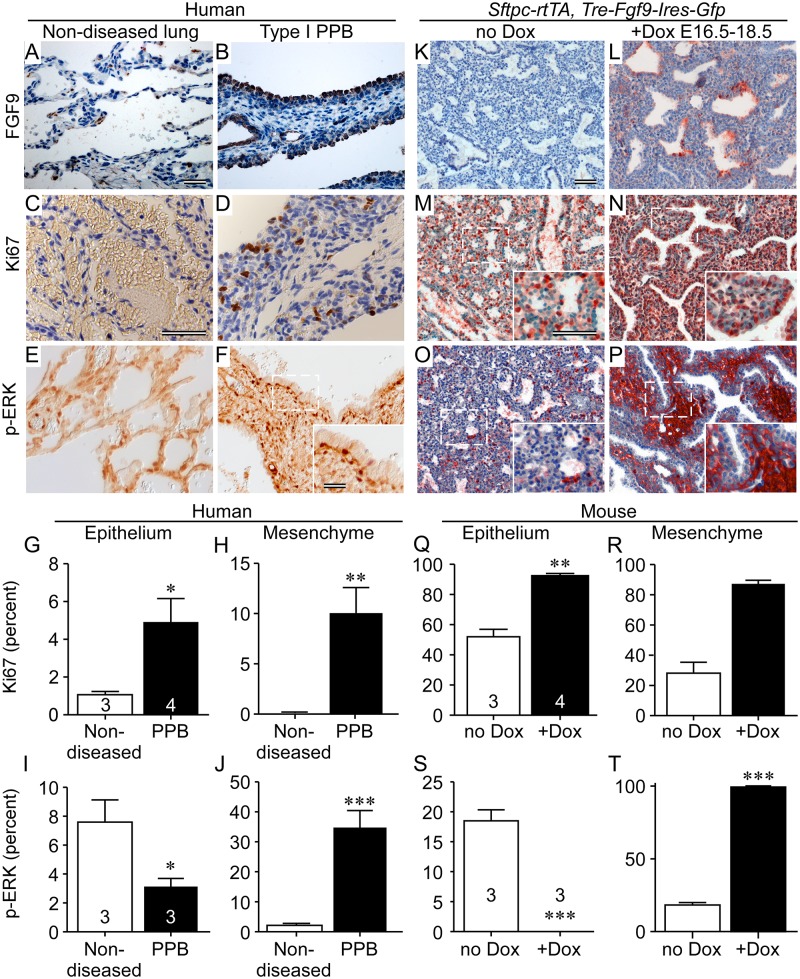
Pleuropulmonary Blastoma (PPB) is the primary neoplastic manifestation of a pediatric cancer predisposition syndrome that is associated with several diseases including cystic nephroma, Wilms tumor, neuroblastoma, rhabdomyosarcoma, medulloblastoma, and ovarian Sertoli-Leydig cell tumor. The primary pathology of PPB, epithelial cysts with stromal hyperplasia and risk for progression to a complex primitive sarcoma, is associated with familial heterozygosity and lesion-associated epithelial loss-of-heterozygosity of DICER1. It has been hypothesized that loss of heterozygosity of DICER1 in lung epithelium is a non-cell autonomous etiology of PPB and a critical pathway that regulates lung development; however, there are no known direct targets of epithelial microRNAs (miRNAs) in the lung. Fibroblast Growth Factor 9 (FGF9) is expressed in the mesothelium and epithelium during lung development and primarily functions to regulate lung mesenchyme; however, there are no known mechanisms that regulate FGF9 expression during lung development. Using mouse genetics and molecular phenotyping of human PPB tissue, we show that FGF9 is overexpressed in lung epithelium in the initial multicystic stage of Type I PPB and that in mice lacking epithelial Dicer1, or induced to overexpress epithelial Fgf9, increased Fgf9 expression results in pulmonary mesenchymal hyperplasia and a multicystic architecture that is histologically and molecularly indistinguishable from Type I PPB. We further show that miR-140 is expressed in lung epithelium, regulates epithelial Fgf9 expression, and regulates pseudoglandular stages of lung development. These studies identify an essential miRNA-FGF9 pathway for lung development and a non-cell autonomous signaling mechanism that contributes to the mesenchymal hyperplasia that is characteristic of Type I PPB.
胸膜肺母细胞瘤(PPB)是一种儿童癌症易感综合征的主要肿瘤表现形式,与多种疾病相关,包括囊性肾瘤、肾母细胞瘤、神经母细胞瘤、横纹肌肉瘤、髓母细胞瘤和卵巢支持-莱迪希细胞瘤。PPB的主要病理特征为伴有间质增生的上皮囊肿以及进展为复杂原始肉瘤的风险,这与DICER1的家族性杂合性以及病变相关的上皮杂合性缺失有关。据推测,肺上皮细胞中DICER1的杂合性缺失是PPB的非细胞自主性病因,也是调节肺发育的关键途径;然而,目前尚不清楚肺上皮微小RNA(miRNA)的直接靶标。成纤维细胞生长因子9(FGF9)在肺发育过程中在间皮和上皮中表达,主要功能是调节肺间充质;然而,目前尚不清楚在肺发育过程中调节FGF9表达的机制。通过小鼠遗传学和人类PPB组织的分子表型分析,我们发现FGF9在I型PPB初始多囊阶段的肺上皮中过度表达,并且在缺乏上皮Dicer1或诱导过度表达上皮Fgf9的小鼠中,Fgf9表达增加会导致肺间充质增生和多囊结构,其组织学和分子特征与I型PPB无法区分。我们进一步表明,miR-140在肺上皮中表达,调节上皮Fgf9表达,并调节肺发育的假腺泡阶段。这些研究确定了肺发育中一个重要的miRNA-FGF9途径以及一种非细胞自主性信号传导机制,该机制导致了I型PPB特征性的间充质增生。