De La Torre Miguel, Arboleya Luis, Pozo Sergio, Pinto Jesús, Velasco Julio
Nephrology Services, Hospital San Agustin, Avilés, Asturias, Spain.
Rheumatology Services, Hospital San Agustin, Avilés, Asturias, Spain.
NDT Plus. 2011 Jun;4(3):178-80. doi: 10.1093/ndtplus/sfr004. Epub 2011 Mar 2.
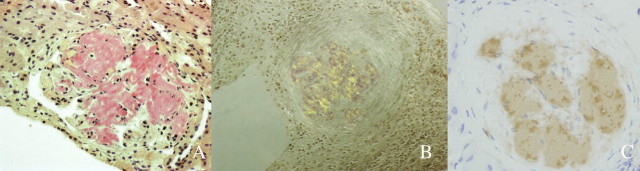
AA amyloidosis, or secondary amyloidosis, is a rare but serious complication of chronic inflammatory diseases. Chronic inflammatory arthritis is the commonest cause of AA amyloidosis and, when the latter appears, treatment can be frustrating. Deposition of fibrils, derived from circulating acute-phase reactant serum amyloid A protein (SAA), in the kidneys can lead to proteinuria and progressive loss of renal function. We describe the case of a 14-year-old female with systemic juvenile idiopathic arthritis who developed nephrotic syndrome secondary to AA amyloidosis; while she was unresponsive to all measures, including anti-tumour necrosis factor therapy, treatment with tocilizumab, an anti-human interleukin-6 receptor antibody, immediately normalized the SAA and reversed the nephrotic syndrome. We discuss this new therapeutic approach.
AA淀粉样变性,即继发性淀粉样变性,是慢性炎症性疾病罕见但严重的并发症。慢性炎症性关节炎是AA淀粉样变性最常见的病因,当出现后者时,治疗可能令人沮丧。源自循环急性期反应物血清淀粉样蛋白A蛋白(SAA)的纤维在肾脏中的沉积可导致蛋白尿和肾功能进行性丧失。我们描述了一名14岁患有全身型幼年特发性关节炎的女性病例,该患者继发AA淀粉样变性后出现肾病综合征;尽管她对包括抗肿瘤坏死因子治疗在内的所有措施均无反应,但使用抗人白细胞介素-6受体抗体托珠单抗治疗后,SAA立即恢复正常,肾病综合征也得到逆转。我们讨论了这种新的治疗方法。