Di Gioia Silvio Alessandro, Bedoni Nicola, von Scheven-Gête Annette, Vanoni Federica, Superti-Furga Andrea, Hofer Michaël, Rivolta Carlo
Department of Medical Genetics, University of Lausanne, Lausanne, Switzerland.
Pediatric Rheumatology Unit of Western Switzerland, Department of Pediatrics, CHUV, University Hospital of Lausanne, Lausanne, Switzerland.
Sci Rep. 2015 May 19;5:10200. doi: 10.1038/srep10200.
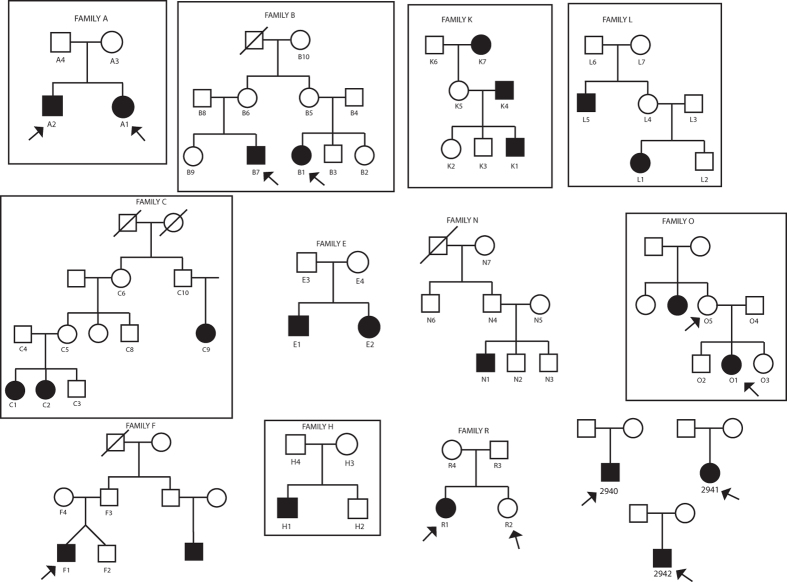
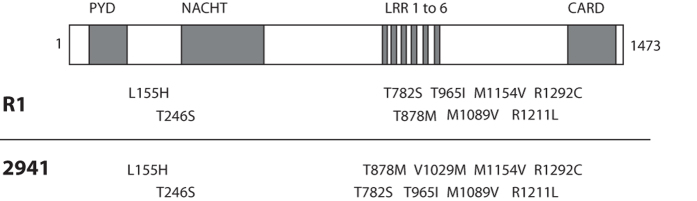
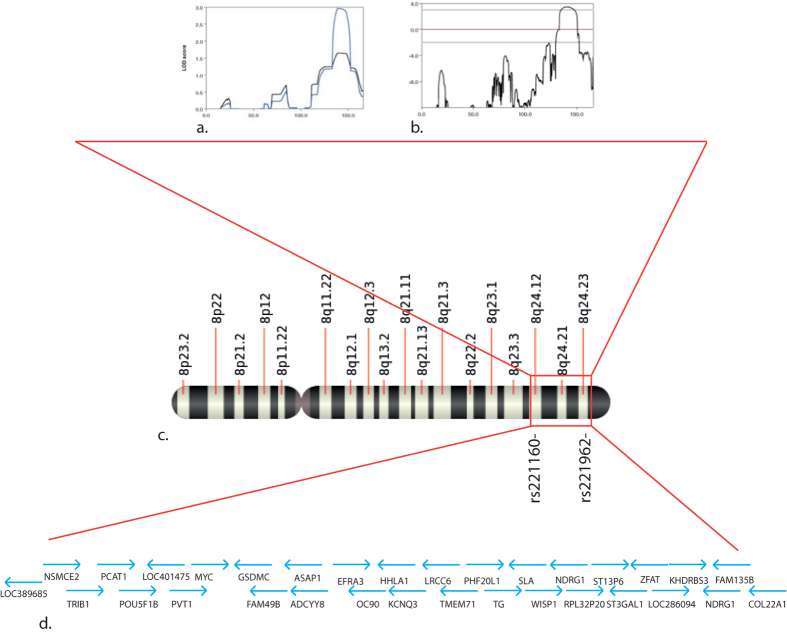
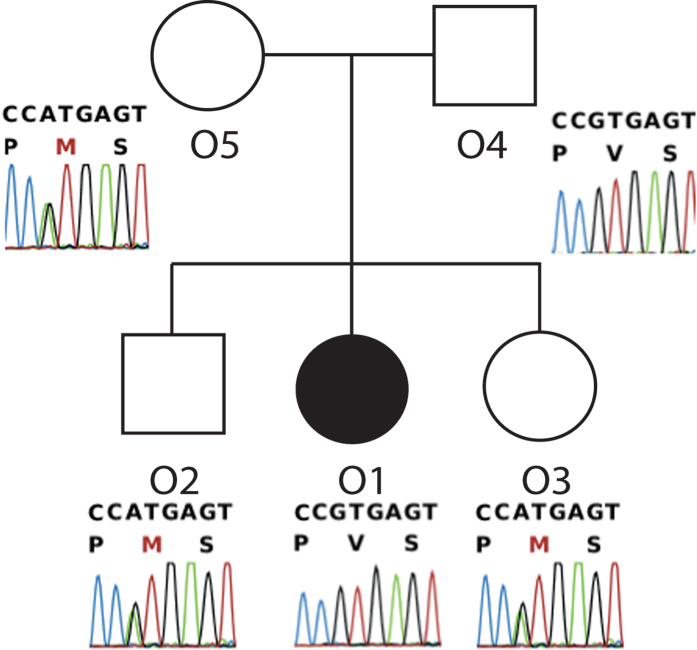
PFAPA syndrome is the most common autoinflammatory syndrome in children from Western countries. In spite of its strong familial clustering, its genetic basis and inheritance pattern are still unknown. We performed a comprehensive genetic study on 68 individuals from 14 families. Linkage analysis suggested a susceptibility locus on chromosome 8, but direct molecular sequencing did not support this initial statistical finding. Exome sequencing revealed the absence of any gene that was mutated in all patients. Exhaustive screening of genes involved in other autoinflammatory syndromes or encoding components of the human inflammasome showed no DNA variants that could be linked to PFAPA molecular pathology. Among these, the previously-reported missense mutation V198M in the NLRP3 gene was clearly shown not to co-segregate with PFAPA. Our results on this relatively large cohort indicate that PFAPA syndrome is unlikely to be a monogenic condition. Moreover, none of the several genes known to be involved in inflammation or in autoinflammatory disorders seem to be relevant, alone, to its etiology, suggesting that PFAPA results from oligogenic or complex inheritance of variants in multiple disease genes and/or non-genetic factors.
PFAPA综合征是西方国家儿童中最常见的自身炎症性综合征。尽管其具有很强的家族聚集性,但其遗传基础和遗传模式仍不清楚。我们对来自14个家庭的68名个体进行了全面的基因研究。连锁分析提示8号染色体上存在一个易感位点,但直接分子测序不支持这一初步统计结果。外显子组测序显示所有患者均未发现任何突变基因。对涉及其他自身炎症性综合征或编码人类炎性小体成分的基因进行详尽筛查,未发现与PFAPA分子病理学相关的DNA变异。其中,先前报道的NLRP3基因错义突变V198M显然与PFAPA不共分离。我们对这一相对较大队列的研究结果表明,PFAPA综合征不太可能是单基因疾病。此外,已知参与炎症或自身炎症性疾病的几个基因似乎都与该病的病因无关,这表明PFAPA是由多个疾病基因和/或非遗传因素的寡基因或复杂遗传导致的。