Stewart Andrew F, Hussain Mehboob A, García-Ocaña Adolfo, Vasavada Rupangi C, Bhushan Anil, Bernal-Mizrachi Ernesto, Kulkarni Rohit N
Diabetes, Obesity and Metabolism Institute, Icahn School of Medicine at Mount Sinai, New York, NY
Departments of Medicine and Pediatrics, Johns Hopkins School of Medicine, Baltimore, MD.
Diabetes. 2015 Jun;64(6):1872-85. doi: 10.2337/db14-1843.
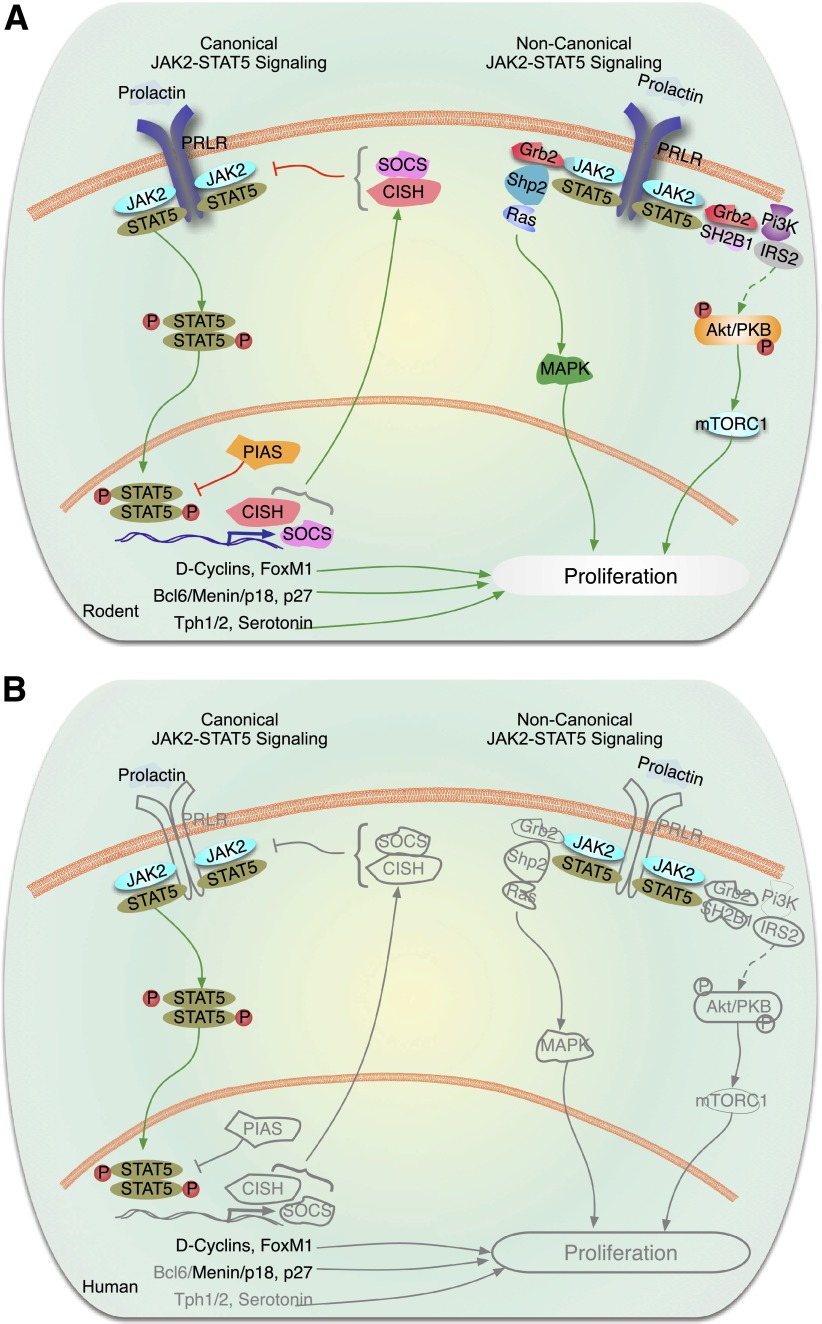
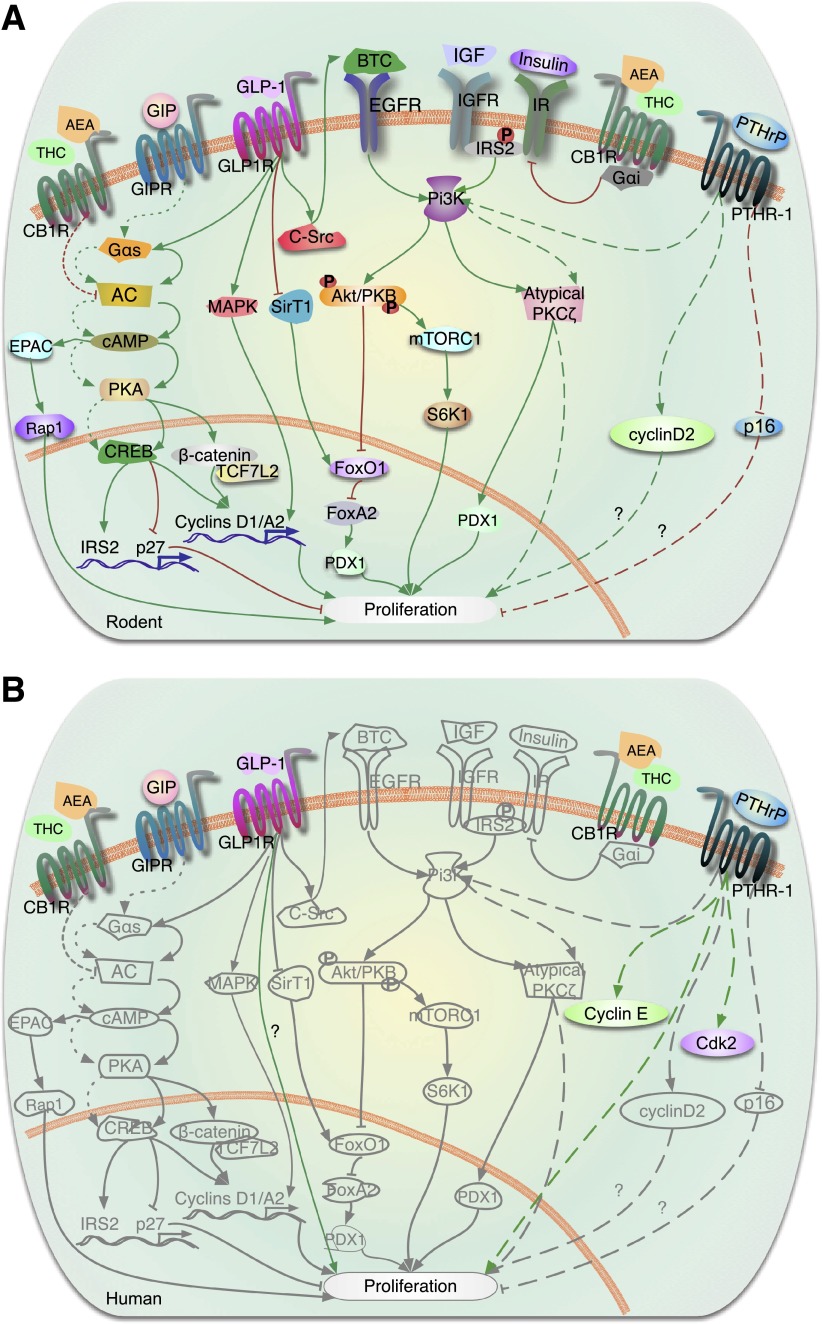
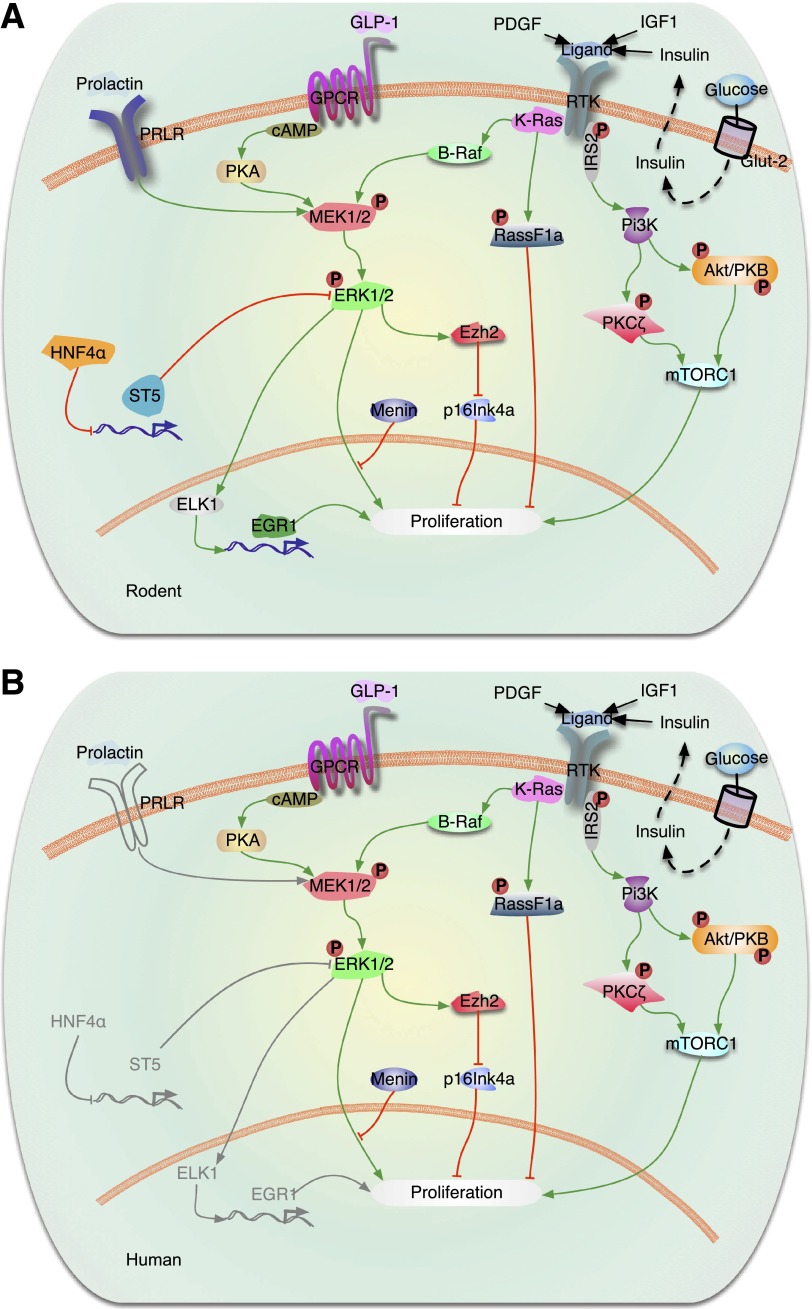
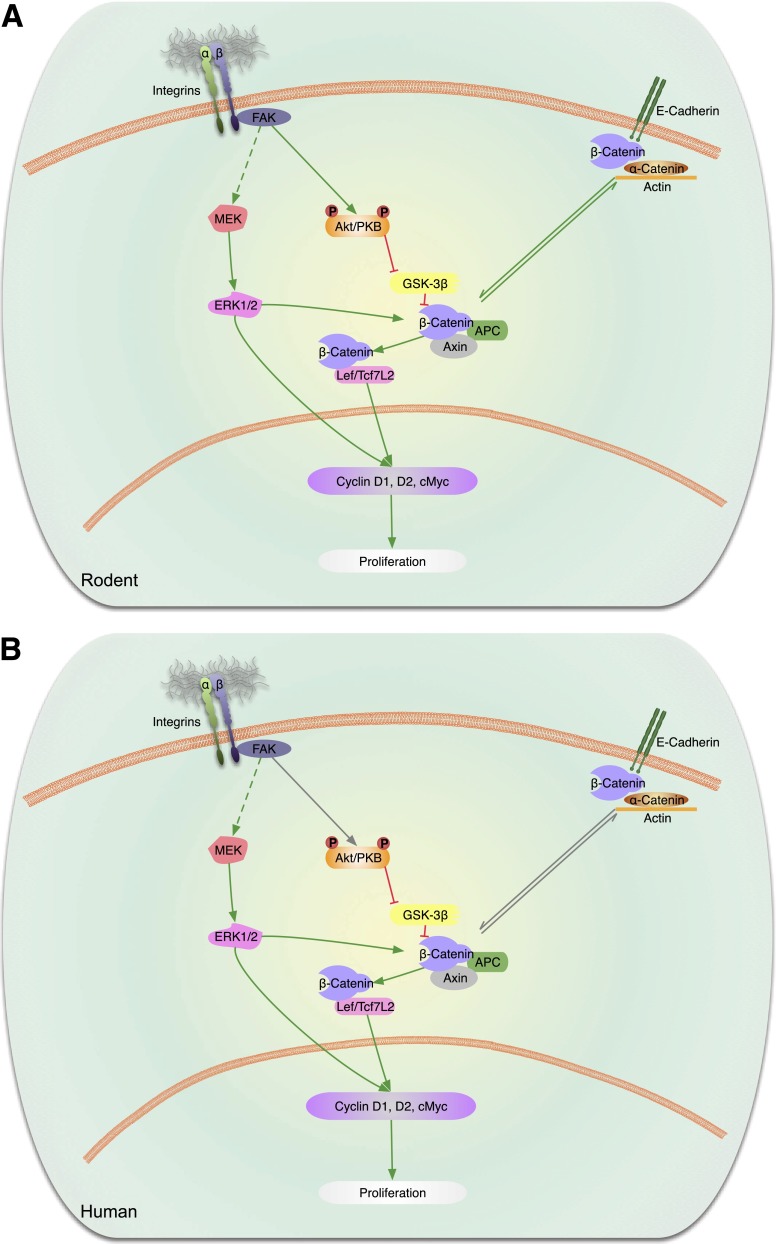
This is the third in a series of Perspectives on intracellular signaling pathways coupled to proliferation in pancreatic β-cells. We contrast the large knowledge base in rodent β-cells with the more limited human database. With the increasing incidence of type 1 diabetes and the recognition that type 2 diabetes is also due in part to a deficiency of functioning β-cells, there is great urgency to identify therapeutic approaches to expand human β-cell numbers. Therapeutic approaches might include stem cell differentiation, transdifferentiation, or expansion of cadaver islets or residual endogenous β-cells. In these Perspectives, we focus on β-cell proliferation. Past Perspectives reviewed fundamental cell cycle regulation and its upstream regulation by insulin/IGF signaling via phosphatidylinositol-3 kinase/mammalian target of rapamycin signaling, glucose, glycogen synthase kinase-3 and liver kinase B1, protein kinase Cζ, calcium-calcineurin-nuclear factor of activated T cells, epidermal growth factor/platelet-derived growth factor family members, Wnt/β-catenin, leptin, and estrogen and progesterone. Here, we emphasize Janus kinase/signal transducers and activators of transcription, Ras/Raf/extracellular signal-related kinase, cadherins and integrins, G-protein-coupled receptors, and transforming growth factor β signaling. We hope these three Perspectives will serve to introduce these pathways to new researchers and will encourage additional investigators to focus on understanding how to harness key intracellular signaling pathways for therapeutic human β-cell regeneration for diabetes.
这是关于胰腺β细胞增殖相关细胞内信号通路的系列观点文章中的第三篇。我们将啮齿动物β细胞方面的大量知识基础与更为有限的人类数据库进行了对比。随着1型糖尿病发病率的上升以及认识到2型糖尿病部分也是由于功能性β细胞缺乏所致,确定增加人类β细胞数量的治疗方法变得极为紧迫。治疗方法可能包括干细胞分化、转分化,或尸体胰岛或残余内源性β细胞的扩增。在这些观点文章中,我们聚焦于β细胞增殖。过往的观点文章回顾了基本的细胞周期调控及其上游调控,涉及胰岛素/胰岛素样生长因子信号通过磷脂酰肌醇-3激酶/雷帕霉素哺乳动物靶标信号、葡萄糖、糖原合酶激酶-3和肝激酶B1、蛋白激酶Cζ、钙-钙调磷酸酶-活化T细胞核因子、表皮生长因子/血小板衍生生长因子家族成员、Wnt/β-连环蛋白、瘦素以及雌激素和孕激素。在此,我们着重介绍 Janus激酶/信号转导及转录激活因子、Ras/Raf/细胞外信号调节激酶、钙黏蛋白和整合素、G蛋白偶联受体以及转化生长因子β信号。我们希望这三篇观点文章能向新的研究人员介绍这些信号通路,并鼓励更多研究人员专注于理解如何利用关键的细胞内信号通路实现治疗性人类β细胞再生以治疗糖尿病。