Chang Yu-Chen, Yao Grace, Hu Susan C, Wang Jung-Der
Department of Community Health, Chia-Yi Christian Hospital, Chia-Yi, Taiwan; Division of Geriatrics, Chia-Yi Christian Hospital, Chia-Yi, Taiwan.
Department of Psychology, National Taiwan University, Taipei, Taiwan.
PLoS One. 2015 May 26;10(5):e0128356. doi: 10.1371/journal.pone.0128356. eCollection 2015.
Geriatric depression is associated with the overall quality of life (QOL). However, how depressive symptoms affect the different domains and facets of QOL in older adults, and whether depressive symptoms mediate the relationship between physical disability and QOL in older adults are unclear.
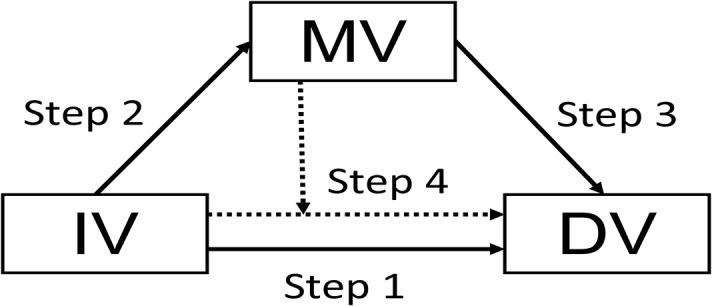
A total of 490 ambulatory community-dwelling older adults aged 65 years or above were interviewed using the brief version of the World Health Organisation Quality of Life instrument (WHOQOL-BREF), the Modified Barthel Index (MBI), the 15-item Geriatric Depression Scale (GDS-15), and the Mini-Mental State Examination (MMSE). Sequential models for multiple linear regressions were analysed to determine if the MBI, GDS-15 and MMSE scores predict the WHOQOL-BREF scores. The potential mediation effects of depression (as determined by the GDS-15) on the relationship between MBI and WHOQOL-BREF were also analysed.
The GDS-15 score was predictive of the scores of the four domains and all 26 facets of the WHOQOL-BREF. The significant predictive effects of the MBI score on 15 of the 26 facets of the WHOQOL-BREF were reduced to three after the adjustment for the GDS-15 score. Depression (as assessed by the GDS-15) is a mediator of the relationship between MBI and the physical, psychological and environmental domains of the WHOQOL-BREF.
Depression (assessed by the GDS-15) may affect the scores of every domain and all facets of the WHOQOL-BREF in the elderly. Furthermore, it may mediate the relationship between the MBI and on QOL scores. We recommend taking depressive symptoms into consideration when measuring community-dwelling older adults' QOL and providing active ageing programs.
老年抑郁症与生活质量(QOL)总体相关。然而,抑郁症状如何影响老年人生活质量的不同领域和方面,以及抑郁症状是否介导老年人身体残疾与生活质量之间的关系尚不清楚。
使用世界卫生组织生活质量简表(WHOQOL-BREF)、改良巴氏指数(MBI)、15项老年抑郁量表(GDS-15)和简易精神状态检查表(MMSE),对490名年龄在65岁及以上的社区居家老年人进行了访谈。分析多元线性回归的序列模型,以确定MBI、GDS-15和MMSE分数是否能预测WHOQOL-BREF分数。还分析了抑郁(由GDS-15确定)对MBI与WHOQOL-BREF之间关系的潜在中介作用。
GDS-15分数可预测WHOQOL-BREF四个领域及所有26个方面的分数。在调整GDS-15分数后,MBI分数对WHOQOL-BREF 26个方面中15个方面的显著预测作用降至3个方面。抑郁(由GDS-15评估)是MBI与WHOQOL-BREF身体、心理和环境领域之间关系的中介因素。
抑郁(由GDS-15评估)可能影响老年人WHOQOL-BREF各个领域及所有方面的分数。此外,它可能介导MBI与生活质量分数之间的关系。我们建议在测量社区居家老年人的生活质量并提供积极老龄化项目时考虑抑郁症状。