Niu Jixiao, Xue Aimin, Chi Yayun, Xue Jingyan, Wang Wei, Zhao Ziqin, Fan Meiyun, Yang Chuan He, Shao Zhi-Ming, Pfeffer Lawrence M, Wu Jiong, Wu Zhao-Hui
Department of Pathology and Laboratory Medicine, Shanghai Medical College, Fudan University, Shanghai.
Center for Cancer Research, University of Tennessee Health Science Center, Memphis, Tennessee, Shanghai Medical College, Fudan University, Shanghai.
Oncogene. 2016 Mar 10;35(10):1302-1313. doi: 10.1038/onc.2015.189. Epub 2015 Jun 1.
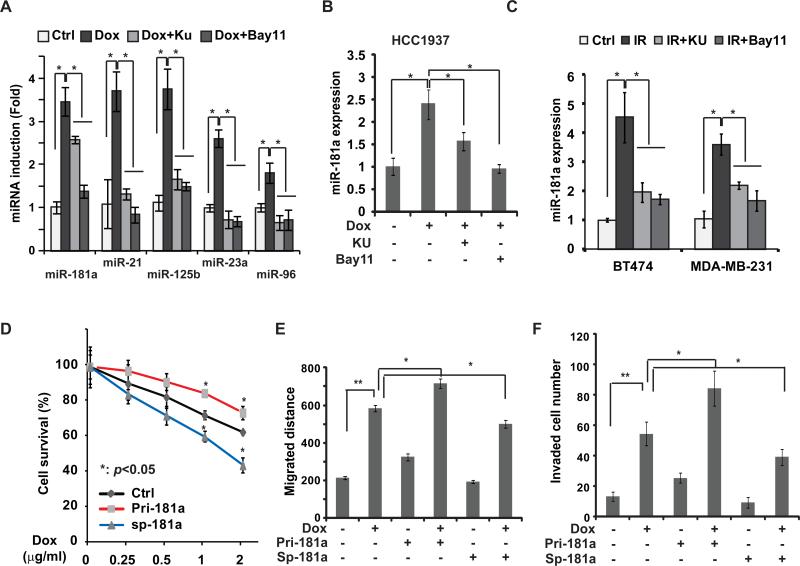
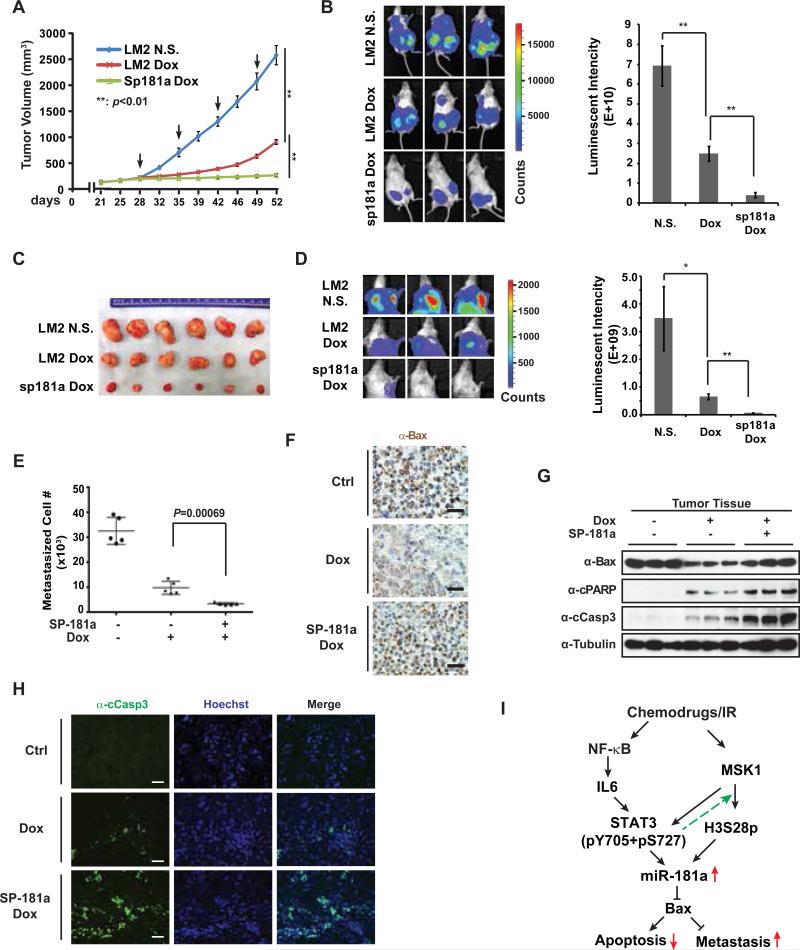
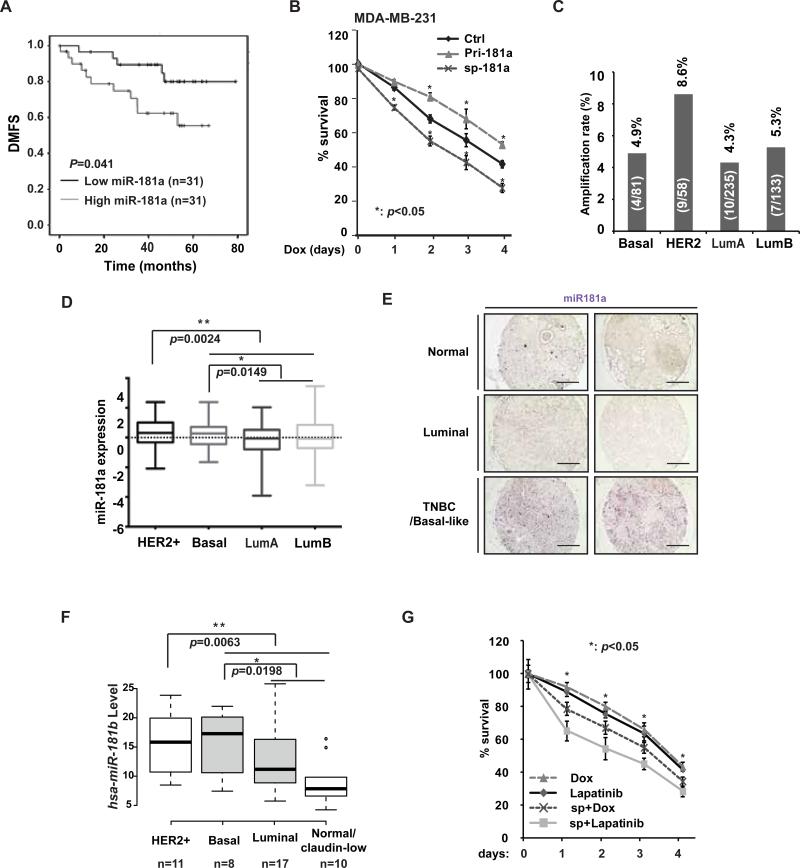
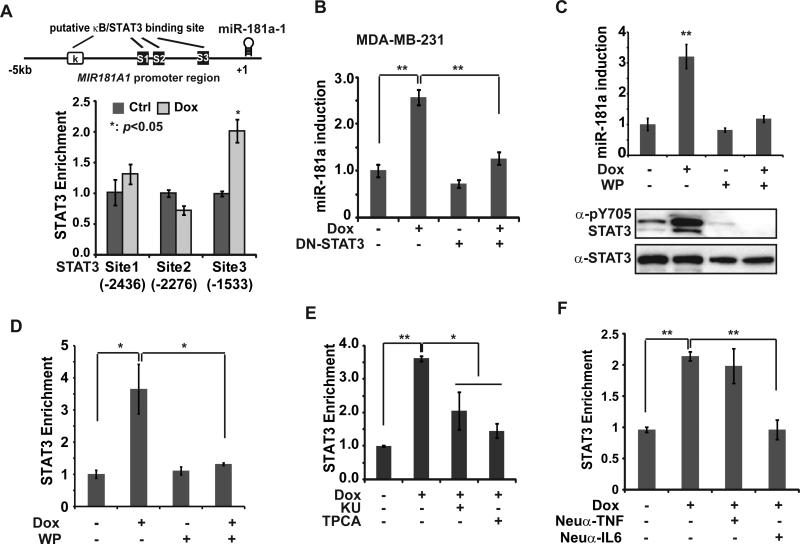
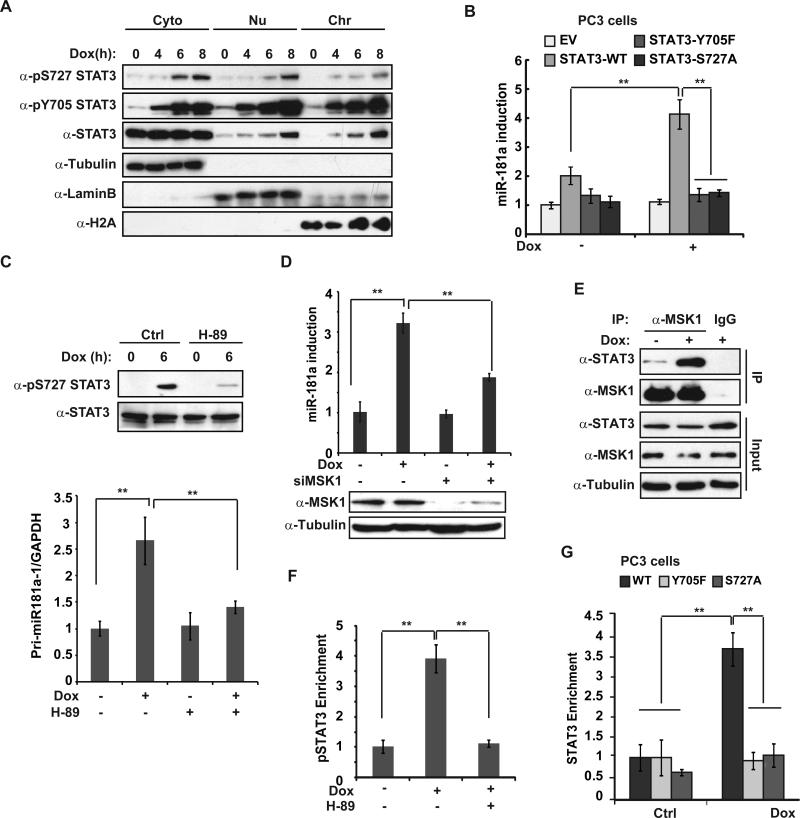
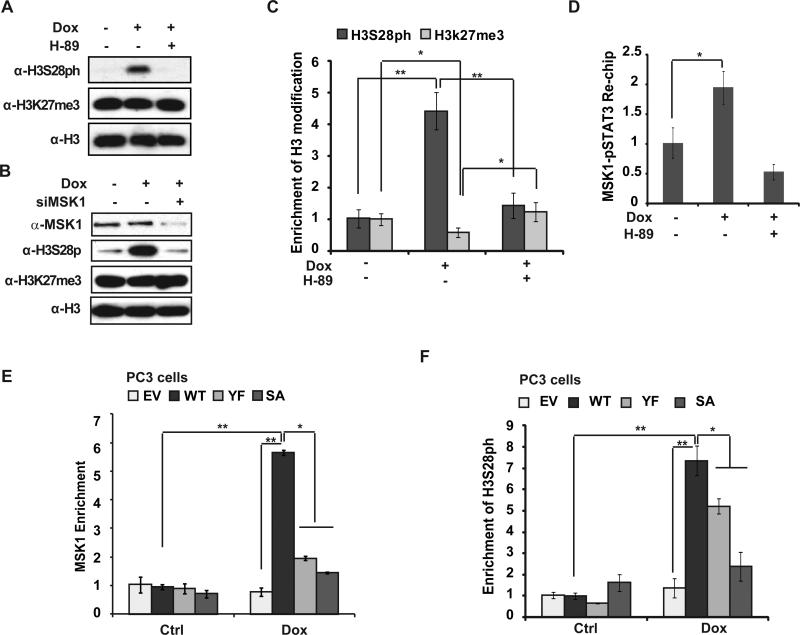
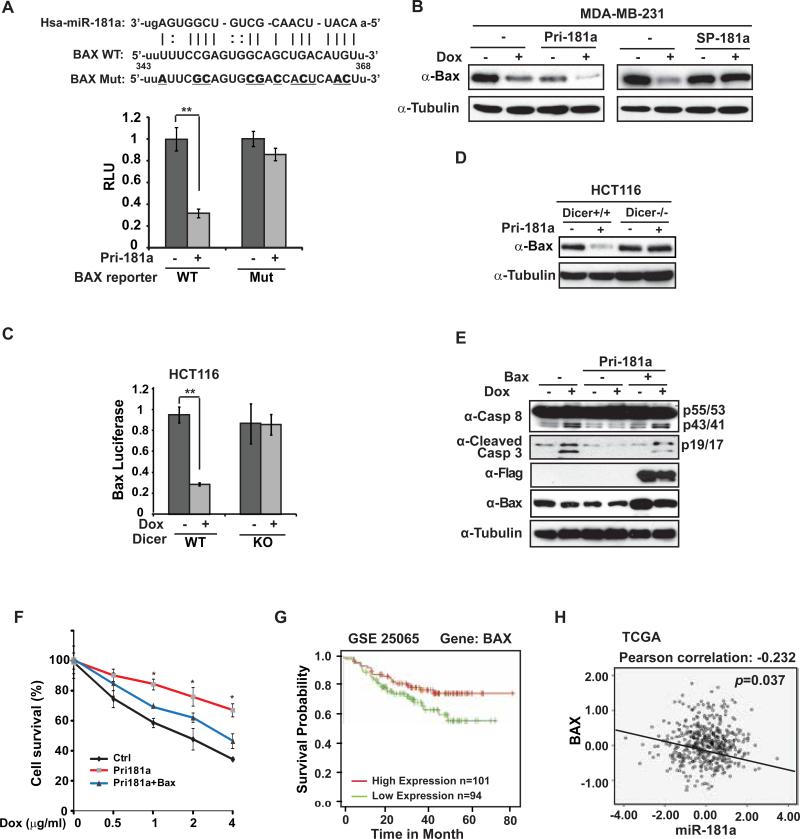
Acquired therapeutic resistance is the major drawback to effective systemic therapies for cancers. Aggressive triple-negative breast cancers (TNBC) develop resistance to chemotherapies rapidly, whereas the underlying mechanisms are not completely understood. Here we show that genotoxic treatments significantly increased the expression of miR-181a in TNBC cells, which enhanced TNBC cell survival and metastasis upon Doxorubicin treatment. Consistently, high miR-181a level associated with poor disease free survival and overall survival after treatments in breast cancer patients. The upregulation of miR-181a was orchestrated by transcription factor STAT3 whose activation depended on NF-κB-mediated IL-6 induction in TNBC cells upon genotoxic treatment. Intriguingly, activated STAT3 not only directly bound to MIR181A1 promoter to drive transcription but also facilitated the recruitment of MSK1 to the same region where MSK1 promoted a local active chromatin state by phosphorylating histone H3. We further identified BAX as a direct functional target of miR-181a, whose suppression decreased apoptosis and increased invasion of TNBC cells upon Dox treatment. These results were further confirmed by evidence that suppression of miR-181a significantly enhanced therapeutic response and reduced lung metastasis in a TNBC orthotopic model. Collectively, our data suggested that miR-181a induction had a critical role in promoting therapeutic resistance and aggressive behavior of TNBC cells upon genotoxic treatment. Antagonizing miR-181a may serve as a promising strategy to sensitize TNBC cells to chemotherapy and mitigate metastasis.
获得性治疗耐药是癌症有效全身治疗的主要障碍。侵袭性三阴性乳腺癌(TNBC)对化疗迅速产生耐药性,但其潜在机制尚未完全明确。在此,我们发现基因毒性处理显著增加了TNBC细胞中miR-181a的表达,这增强了阿霉素处理后TNBC细胞的存活和转移能力。一致地,在乳腺癌患者中,高miR-181a水平与治疗后的无病生存期和总生存期较差相关。miR-181a的上调由转录因子STAT3精心调控,其激活依赖于基因毒性处理后TNBC细胞中NF-κB介导的IL-6诱导。有趣的是,激活的STAT3不仅直接结合到MIR181A1启动子上驱动转录,还促进了MSK1募集到同一区域,在该区域MSK1通过磷酸化组蛋白H3促进局部活性染色质状态。我们进一步确定BAX是miR-181a的直接功能靶点,其抑制作用降低了阿霉素处理后TNBC细胞的凋亡并增加了其侵袭能力。在TNBC原位模型中,抑制miR-181a显著增强治疗反应并减少肺转移,这一证据进一步证实了这些结果。总体而言,我们的数据表明,miR-181a的诱导在基因毒性处理后促进TNBC细胞的治疗耐药性和侵袭性行为中起关键作用。拮抗miR-181a可能是使TNBC细胞对化疗敏感并减轻转移的一种有前景的策略。