Department of Orthopedics, University Medical Center Utrecht, Utrecht, the Netherlands.
Department of Equine Sciences, Utrecht University, Utrecht, the Netherlands.
Cartilage. 2014 Oct;5(4):221-30. doi: 10.1177/1947603514535245.
Although extracellular matrix (ECM)-derived scaffolds have been extensively studied and applied in a number of clinical applications, the use of ECM as a biomaterial for (osteo)chondral regeneration is less extensively explored. This study aimed at evaluating the chondrogenic potential of cells seeded on cartilage-derived matrix (CDM) scaffolds in vitro.
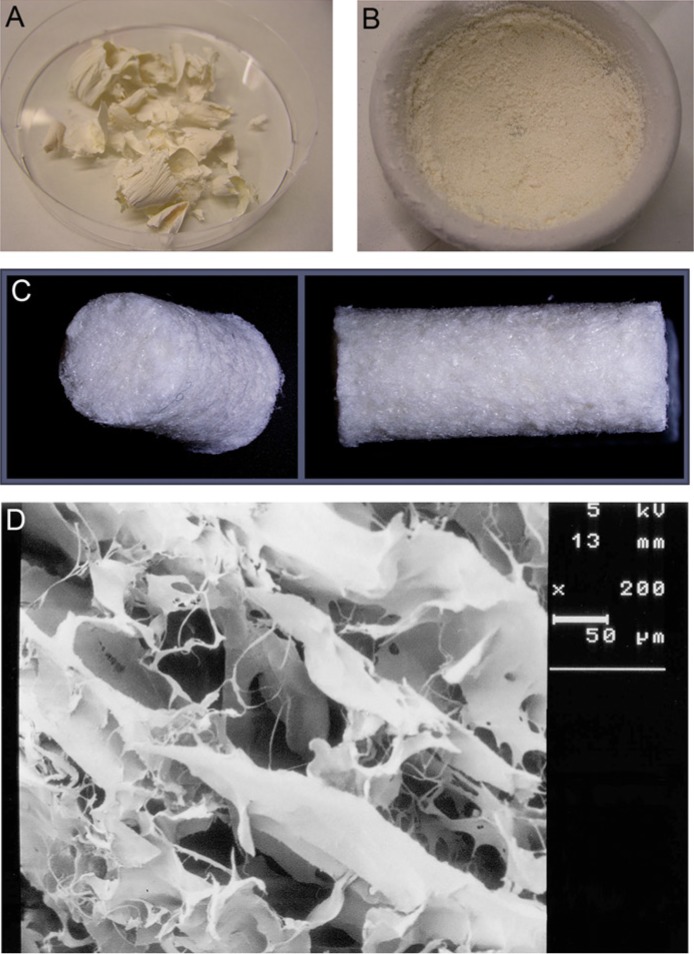
Scaffolds were generated from decellularized equine articular cartilage and seeded with either chondrocytes or multipotent stromal cells (MSCs). After 2, 4, and 6 weeks of in vitro culture, CDM constructs were analyzed both histologically (hematoxylin and eosin, Safranin-O, collagen types I and II) and biochemically (glycosaminoglycan [GAG] and DNA content).
After 4 weeks, both cell types demonstrated chondrogenic differentiation; however, the MSCs significantly outperformed chondrocytes in producing new GAG-containing cartilaginous matrix.
These promising in vitro results underscore the potency of CDM scaffolds in (osteo)chondral defect repair.
尽管细胞外基质(ECM)衍生支架已在许多临床应用中得到广泛研究和应用,但 ECM 作为(骨)软骨再生生物材料的应用研究还不够广泛。本研究旨在评估细胞接种在软骨衍生基质(CDM)支架上的体外软骨形成潜力。
支架由脱细胞化的马关节软骨制成,并接种软骨细胞或多能基质细胞(MSCs)。在体外培养 2、4 和 6 周后,对 CDM 构建体进行组织学(苏木精和伊红、番红 O、I 型和 II 型胶原)和生物化学(糖胺聚糖[GAG]和 DNA 含量)分析。
4 周后,两种细胞类型均表现出软骨分化;然而,MSCs 在产生新的含 GAG 的软骨基质方面明显优于软骨细胞。
这些有前景的体外结果强调了 CDM 支架在(骨)软骨缺陷修复中的潜力。