Onodera Yuta, Teramura Takeshi, Takehara Toshiyuki, Fukuda Kanji
Institute of Advanced Clinical Medicine, Kindai University Faculty of Medicine, Osakasayama, Osaka, Japan.
FEBS Open Bio. 2015 May 29;5:476-84. doi: 10.1016/j.fob.2015.05.007. eCollection 2015.
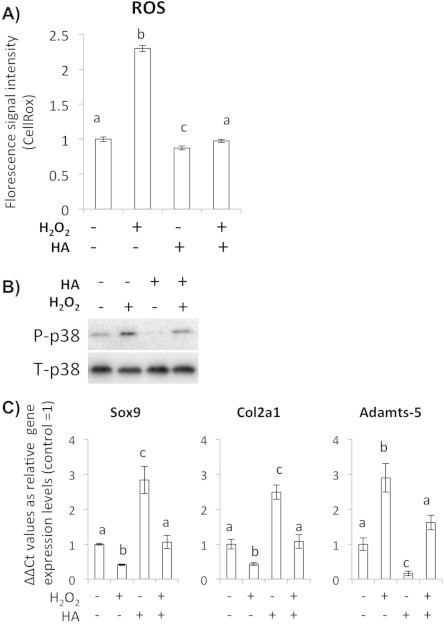
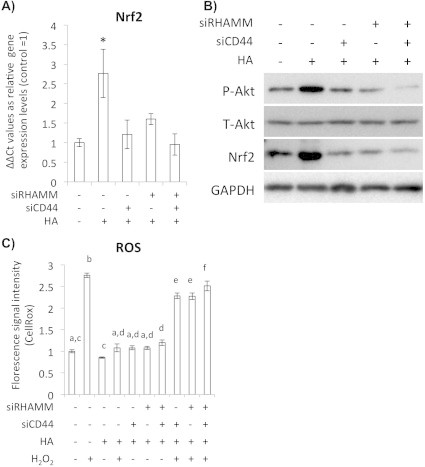
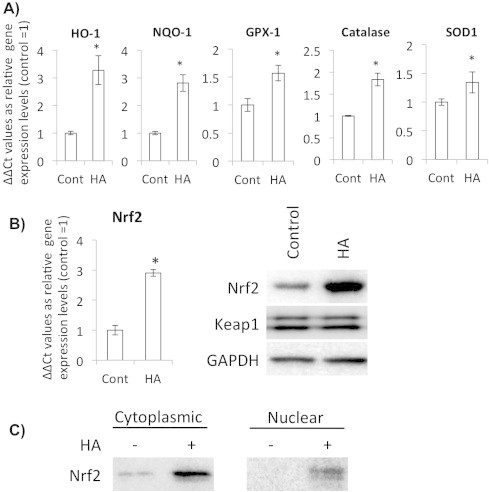
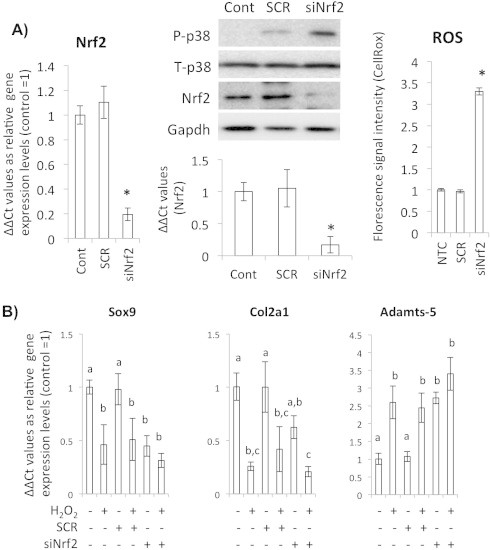
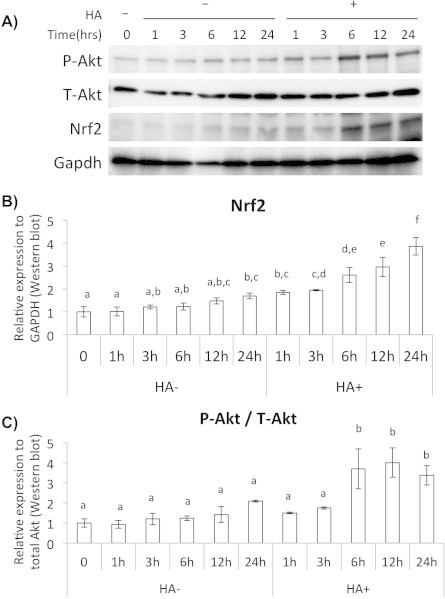
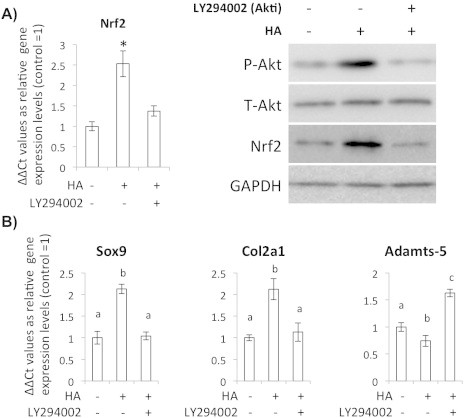
One important pharmacological function of hyaluronic acid (HA) in chondrocytes is reduction of cellular superoxide generation and accumulation. Here we demonstrated a relationship between HA supplementation and accumulation of Nuclear factor-erythroid-2-related factor 2 (Nrf2), which is a master transcription factor in cellular redox reactions, in cultured chondrocytes derived from bovine joint cartilage. In HA-treated chondrocytes, expression of Nrf2 and its downstream genes was upregulated. In HA-treated chondrocytes, Akt was phosphorylated, and inhibition of Akt activity or suppression of HA receptors CD44 and/or RHAMM with siRNAs prevented HA-mediated Nrf2 accumulation. Furthermore, Nrf2 siRNA inhibited the HA effect on antioxidant enzymes. These results show that HA might contribute to ROS reduction through Nrf2 regulation by activating Akt. Our study suggests a new mechanism for extracellular matrix (ECM)-mediated redox systems in chondrocytes.
透明质酸(HA)在软骨细胞中的一项重要药理功能是减少细胞超氧化物的产生和积累。在此,我们证明了在源自牛关节软骨的培养软骨细胞中,HA补充与核因子红系2相关因子2(Nrf2,细胞氧化还原反应中的主要转录因子)的积累之间存在关联。在HA处理的软骨细胞中,Nrf2及其下游基因的表达上调。在HA处理的软骨细胞中,Akt被磷酸化,用小干扰RNA抑制Akt活性或抑制HA受体CD44和/或RHAMM可阻止HA介导的Nrf2积累。此外,Nrf2小干扰RNA抑制了HA对抗氧化酶的作用。这些结果表明,HA可能通过激活Akt调节Nrf2来促进活性氧的减少。我们的研究提示了软骨细胞中细胞外基质(ECM)介导的氧化还原系统的新机制。