Ivarsson Magnus, Peckmann Jörn, Tehler Anders, Broman Curt, Bach Wolfgang, Behrens Katharina, Reitner Joachim, Böttcher Michael E, Norbäck Ivarsson Lena
Department of Palaeobiology and the Center for Earth Evolution (NordCEE), Swedish Museum of Natural History, Stockholm, Sweden.
Department of Geodynamics and Sedimentology, Center for Earth Sciences, University of Vienna, Vienna, Austria.
PLoS One. 2015 Jul 16;10(7):e0133368. doi: 10.1371/journal.pone.0133368. eCollection 2015.
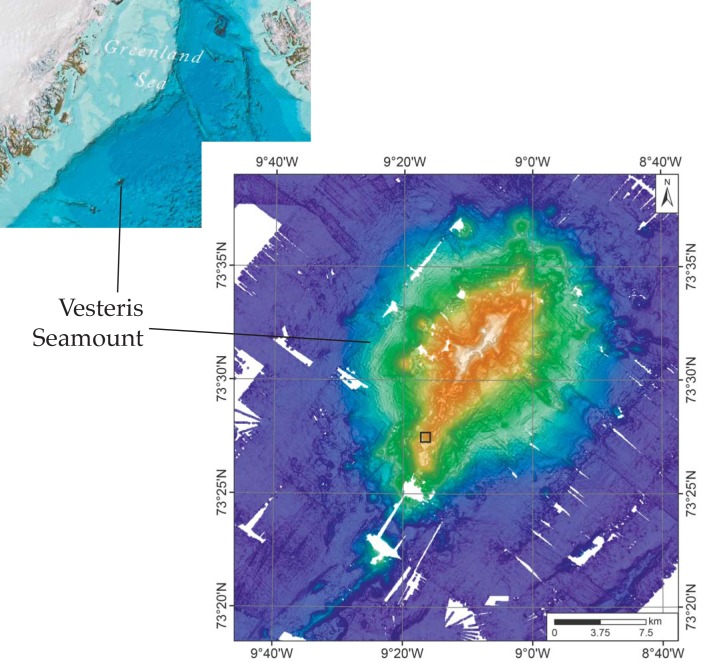
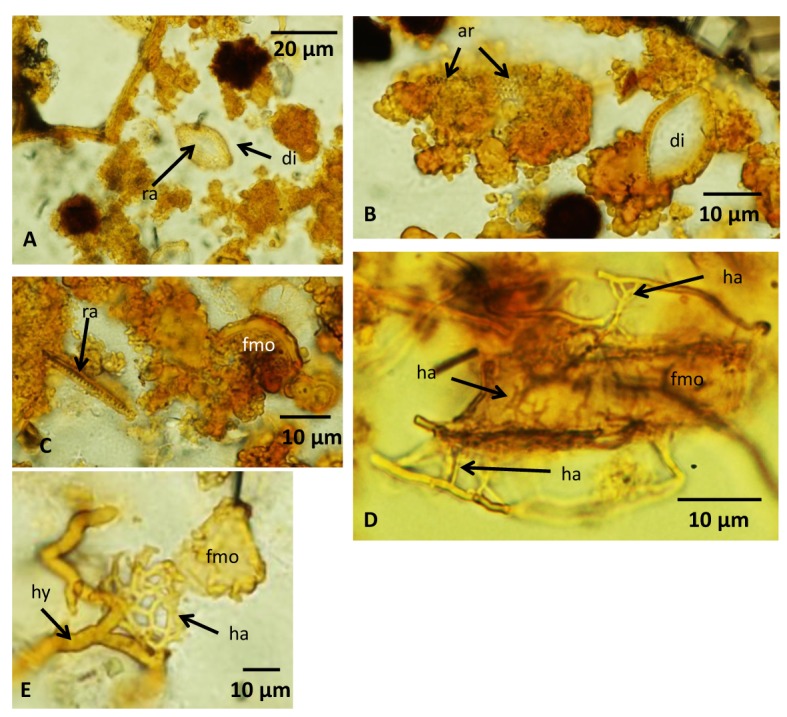
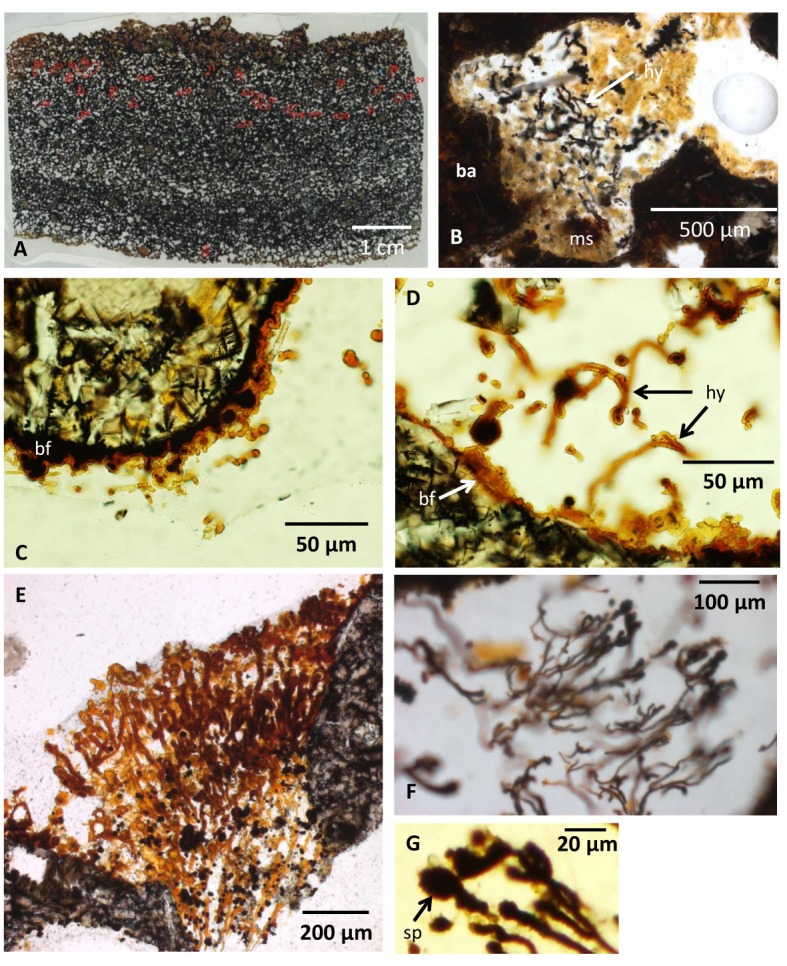
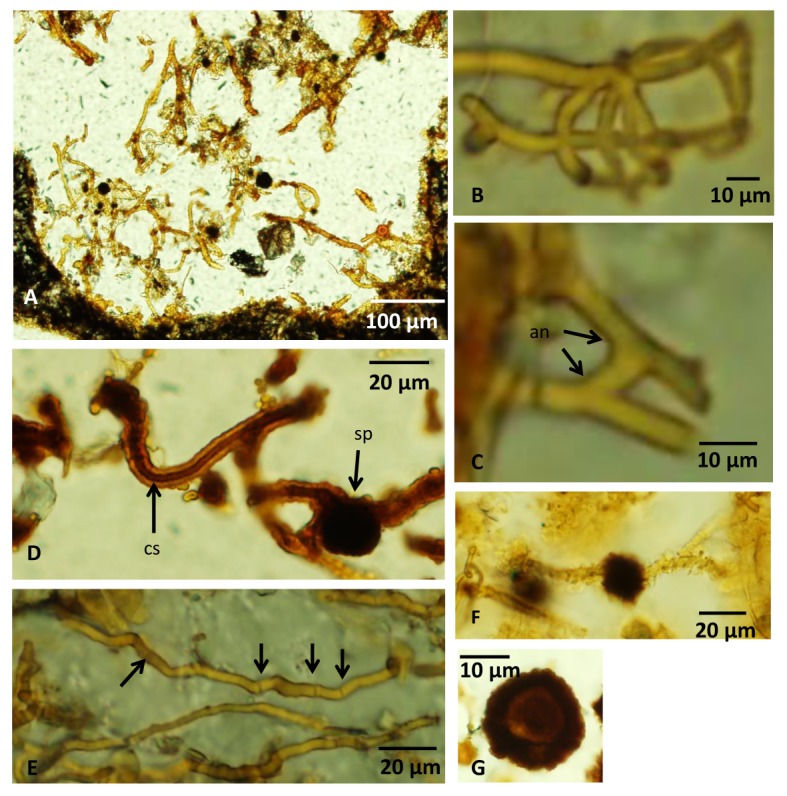
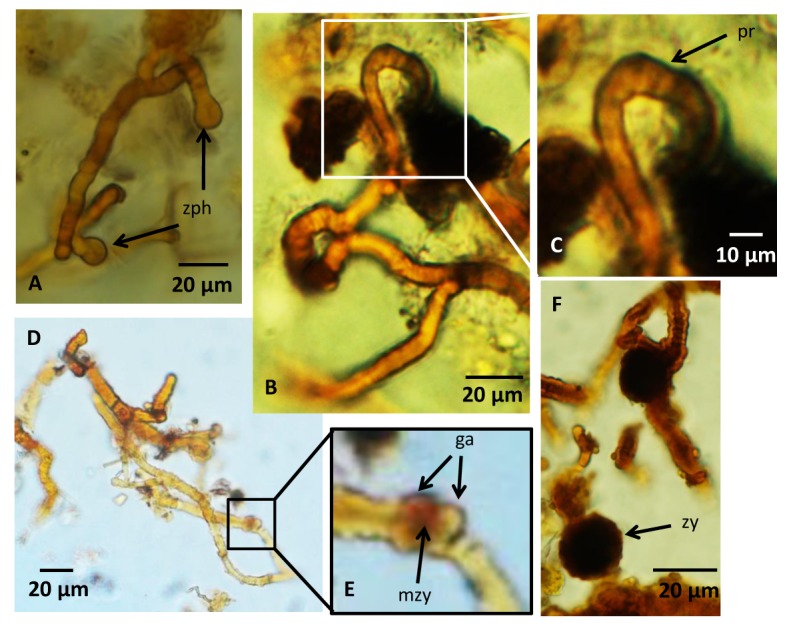
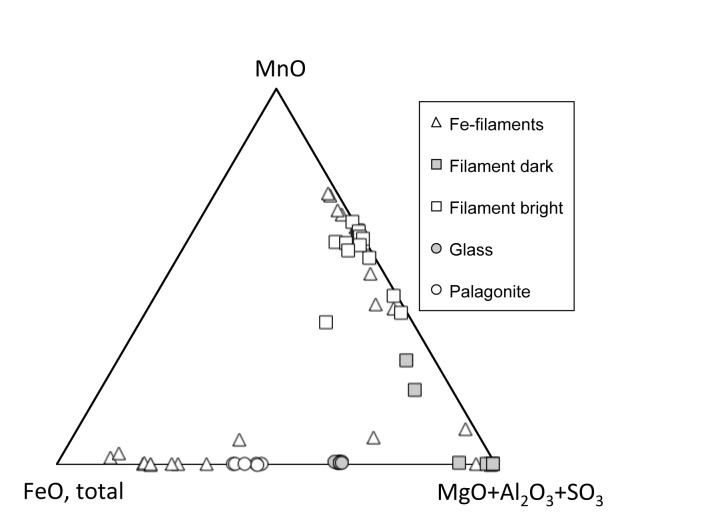
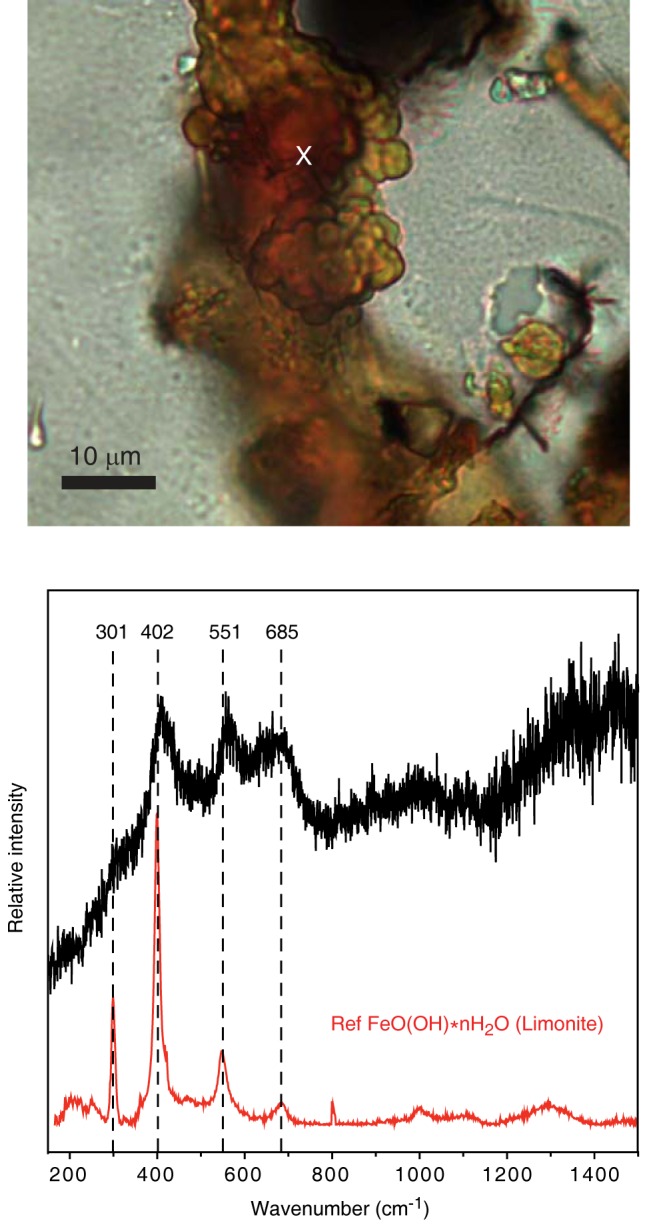
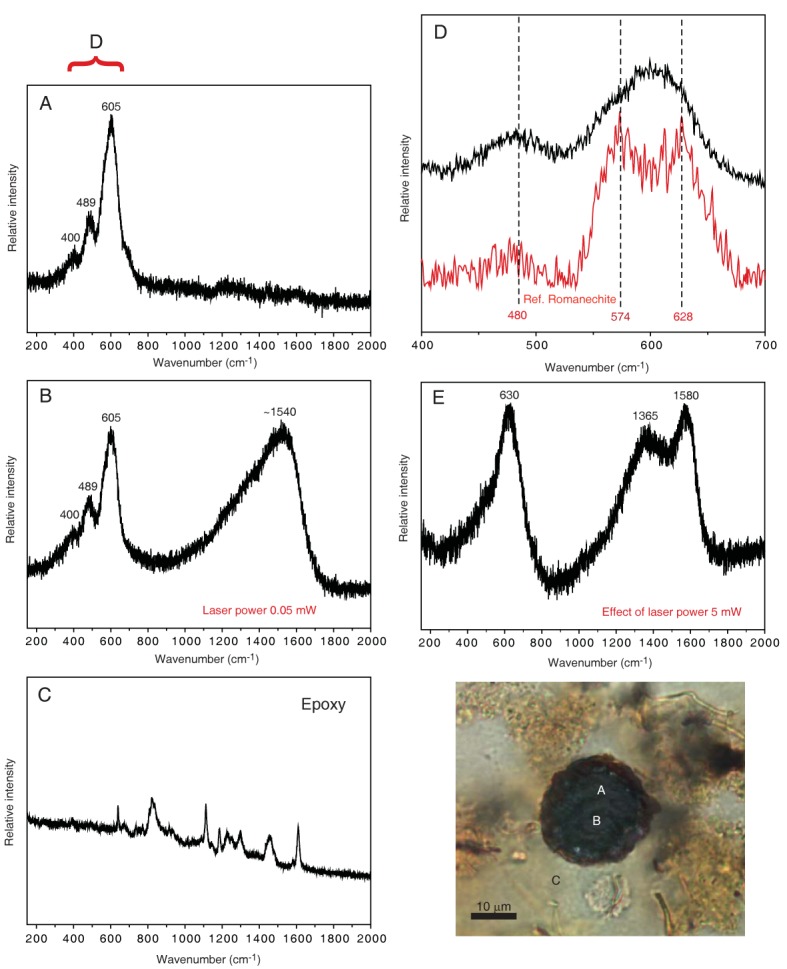
Fungi have been recognized as a frequent colonizer of subseafloor basalt but a substantial understanding of their abundance, diversity and ecological role in this environment is still lacking. Here we report fossilized cryptoendolithic fungal communities represented by mainly Zygomycetes and minor Ascomycetes in vesicles of dredged volcanic rocks (basanites) from the Vesteris Seamount in the Greenland Basin. Zygomycetes had not been reported from subseafloor basalt previously. Different stages in zygospore formation are documented in the studied samples, representing a reproduction cycle. Spore structures of both Zygomycetes and Ascomycetes are mineralized by romanechite-like Mn oxide phases, indicating an involvement in Mn(II) oxidation to form Mn(III,VI) oxides. Zygospores still exhibit a core of carbonaceous matter due to their resistance to degradation. The fungi are closely associated with fossiliferous marine sediments that have been introduced into the vesicles. At the contact to sediment infillings, fungi produced haustoria that penetrated and scavenged on the remains of fragmented marine organisms. It is most likely that such marine debris is the main carbon source for fungi in shallow volcanic rocks, which favored the establishment of vital colonies.
真菌已被确认为洋底玄武岩的常见定殖者,但对其在该环境中的丰度、多样性和生态作用仍缺乏充分了解。在此,我们报告了来自格陵兰盆地韦斯特里斯海山的疏浚火山岩(碧玄岩)囊泡中以主要接合菌纲和少量子囊菌纲为代表的化石内生真菌群落。此前尚未有关于洋底玄武岩中接合菌纲的报道。在所研究的样本中记录了接合孢子形成的不同阶段,代表了一个繁殖周期。接合菌纲和子囊菌纲的孢子结构都被锰钾矿样的锰氧化物矿化,表明参与了将二价锰氧化形成三价和六价锰氧化物的过程。由于接合孢子具有抗降解性,其仍呈现出碳质核心。这些真菌与已被引入囊泡中的含化石海洋沉积物密切相关。在与沉积物填充物接触时,真菌产生了吸器,这些吸器穿透并吞噬破碎的海洋生物残骸。很可能此类海洋碎片是浅部火山岩中真菌的主要碳源,这有利于重要菌丛的形成。