Poggianella Monica, Slon Campos José L, Chan Kuan Rong, Tan Hwee Cheng, Bestagno Marco, Ooi Eng Eong, Burrone Oscar R
International Centre for Genetic Engineering and Biotechnology, Trieste, Italy.
Program in Emerging Infectious Diseases, Duke-NUS Graduate Medical School, Singapore.
PLoS Negl Trop Dis. 2015 Jul 28;9(7):e0003947. doi: 10.1371/journal.pntd.0003947. eCollection 2015.
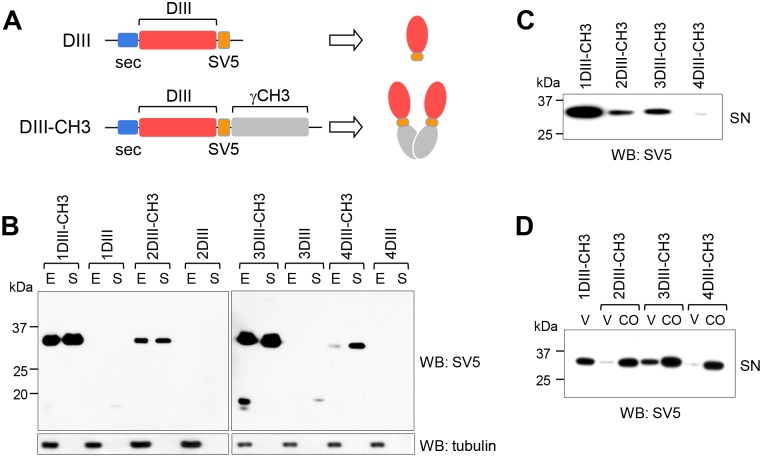
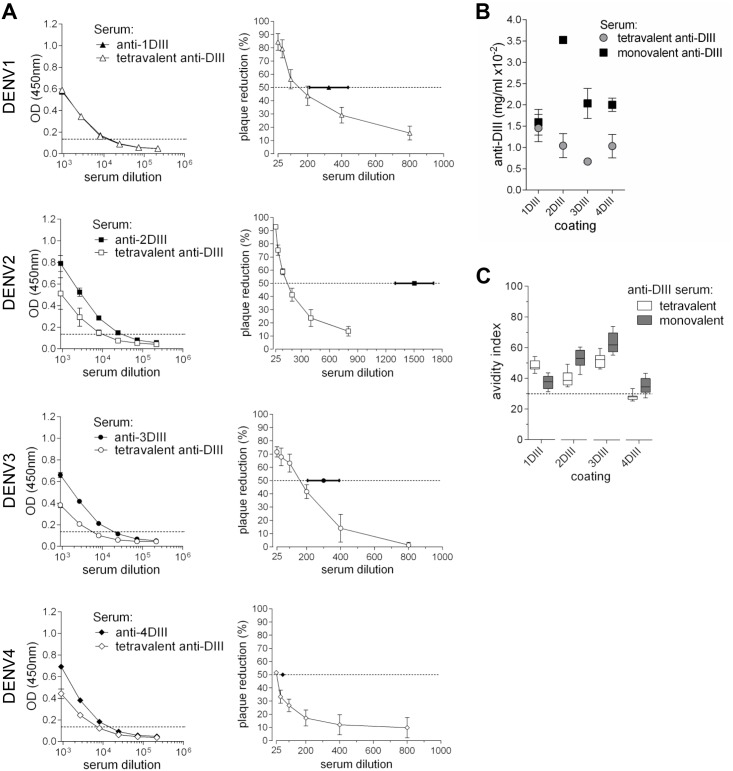
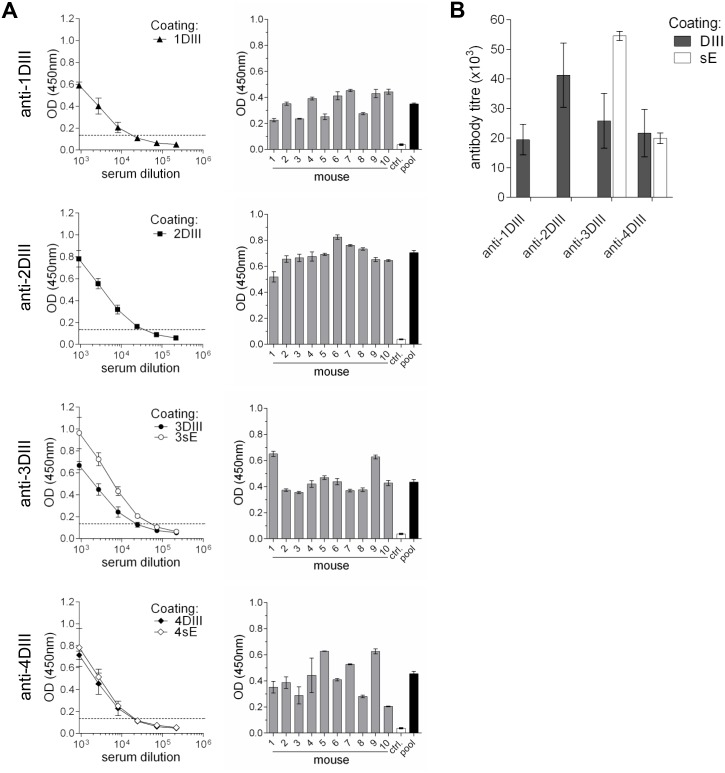
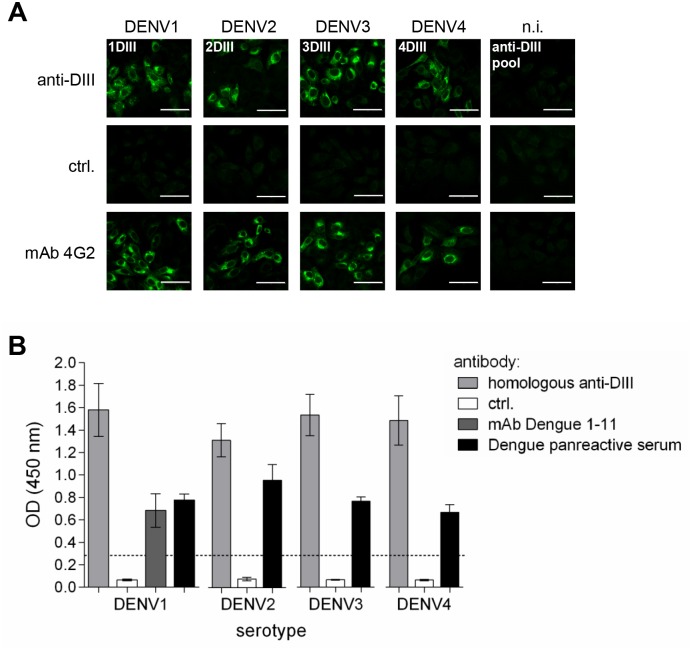
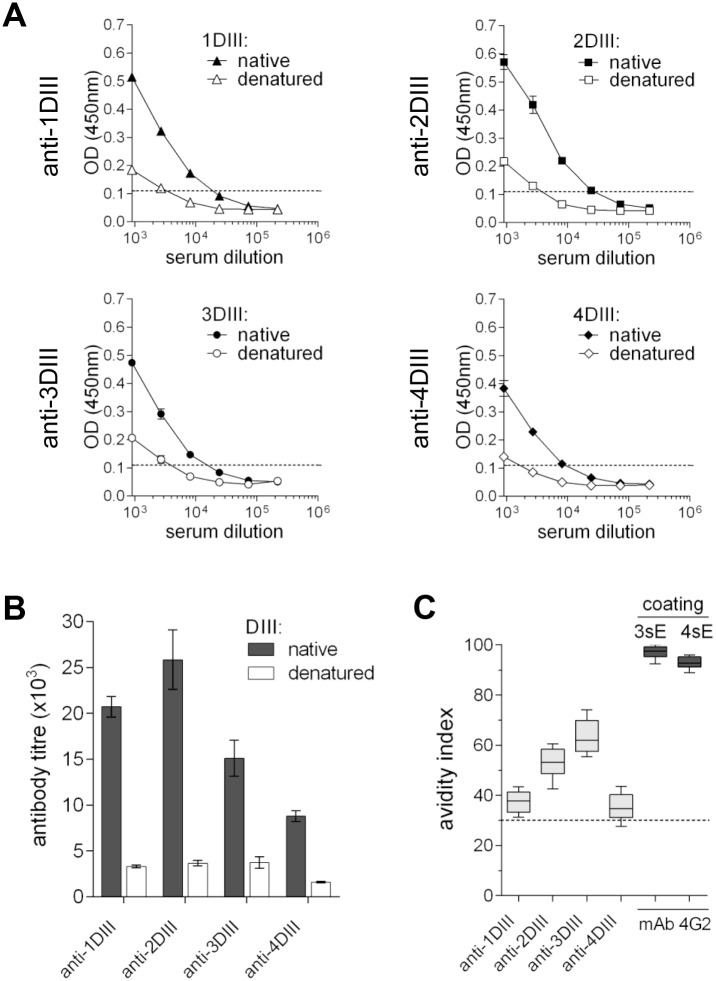
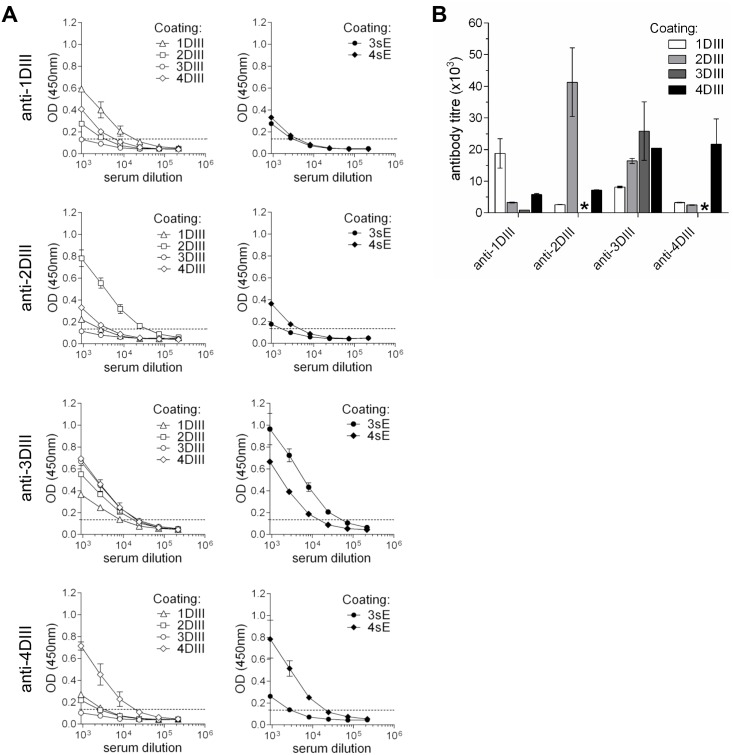
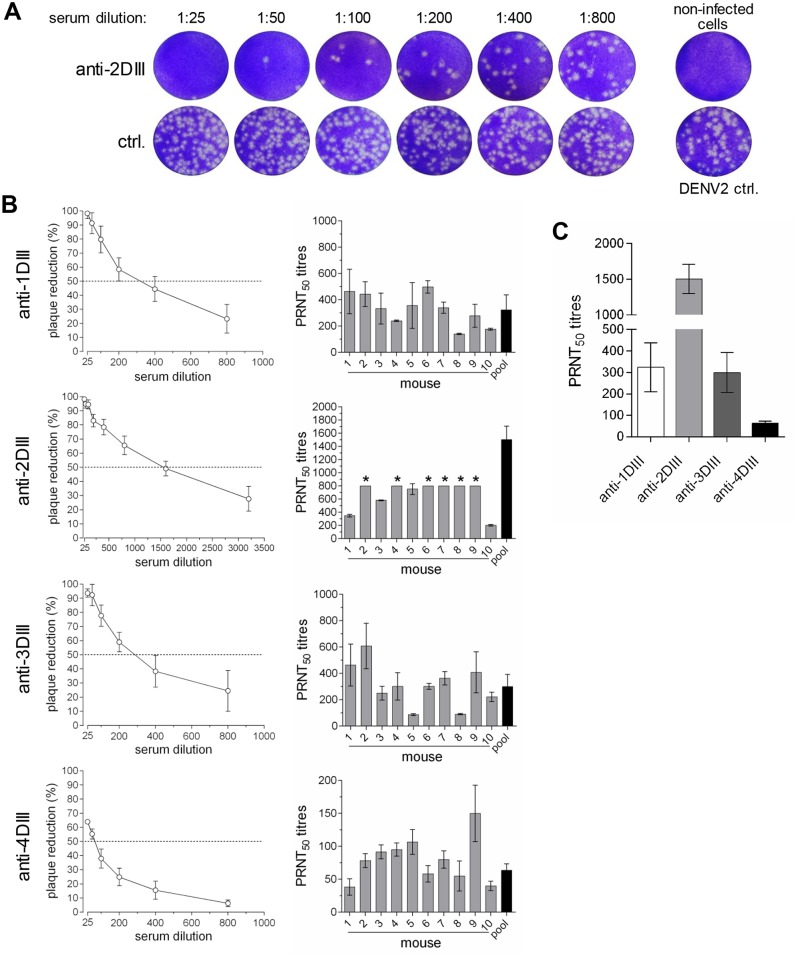
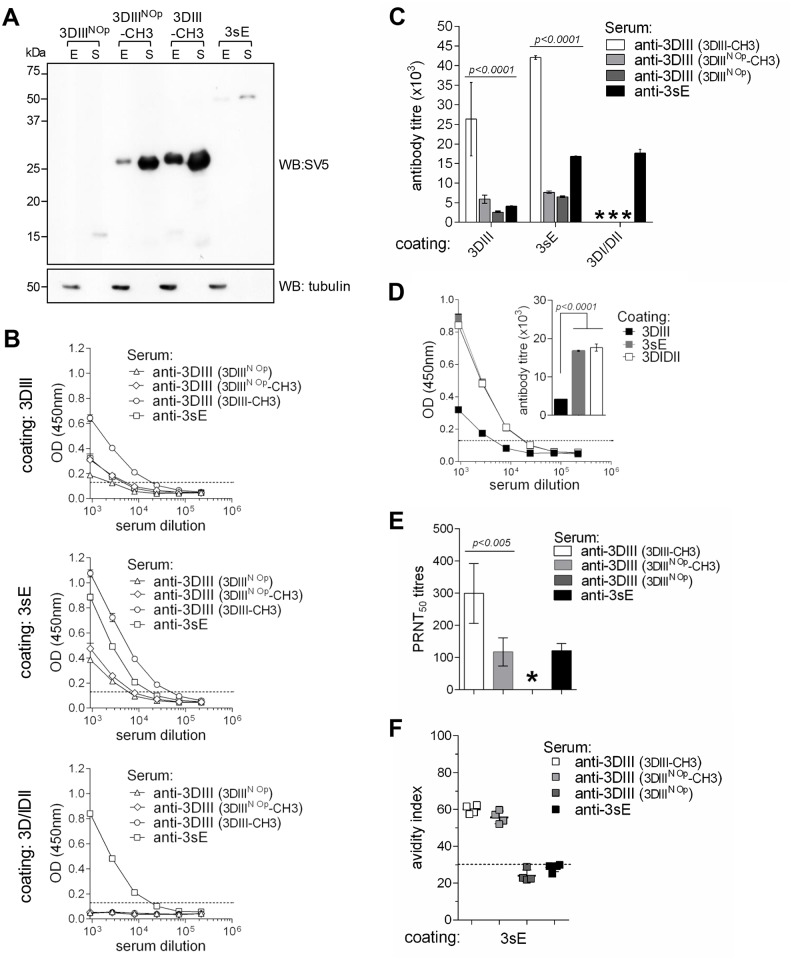
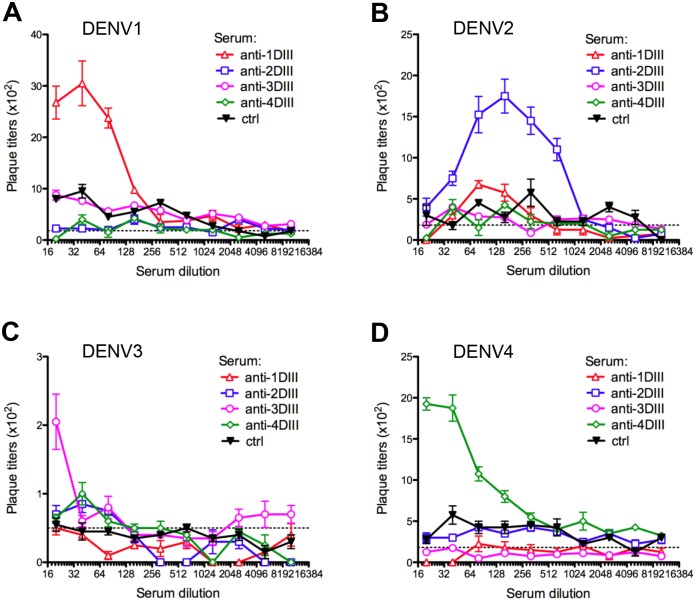
Dengue virus (DENV) infection is a major emerging disease widely distributed throughout the tropical and subtropical regions of the world affecting several millions of people. Despite constants efforts, no specific treatment or effective vaccine is yet available. Here we show a novel design of a DNA immunisation strategy that resulted in the induction of strong antibody responses with high neutralisation titres in mice against all four viral serotypes. The immunogenic molecule is an engineered version of the domain III (DIII) of the virus E protein fused to the dimerising CH3 domain of the IgG immunoglobulin H chain. The DIII sequences were also codon-optimised for expression in mammalian cells. While DIII alone is very poorly secreted, the codon-optimised fusion protein is rightly expressed, folded and secreted at high levels, thus inducing strong antibody responses. Mice were immunised using gene-gun technology, an efficient way of intradermal delivery of the plasmid DNA, and the vaccine was able to induce neutralising titres against all serotypes. Additionally, all sera showed reactivity to a recombinant DIII version and the recombinant E protein produced and secreted from mammalian cells in a mono-biotinylated form when tested in a conformational ELISA. Sera were also highly reactive to infective viral particles in a virus-capture ELISA and specific for each serotype as revealed by the low cross-reactive and cross-neutralising activities. The serotype specific sera did not induce antibody dependent enhancement of infection (ADE) in non-homologous virus serotypes. A tetravalent immunisation protocol in mice showed induction of neutralising antibodies against all four dengue serotypes as well.
登革病毒(DENV)感染是一种主要的新兴疾病,广泛分布于全球热带和亚热带地区,影响着数百万人。尽管不断努力,但目前仍没有特效治疗方法或有效的疫苗。在此,我们展示了一种新型的DNA免疫策略设计,该策略在小鼠中诱导出了针对所有四种病毒血清型的具有高中和效价的强烈抗体反应。免疫原性分子是病毒E蛋白结构域III(DIII)的工程化版本,与IgG免疫球蛋白重链的二聚化CH3结构域融合。DIII序列也经过密码子优化,以便在哺乳动物细胞中表达。虽然单独的DIII分泌能力很差,但经过密码子优化的融合蛋白能够正确表达、折叠并高水平分泌,从而诱导强烈的抗体反应。使用基因枪技术对小鼠进行免疫,这是一种高效的皮内递送质粒DNA的方法,该疫苗能够诱导针对所有血清型的中和效价。此外,当在构象ELISA中检测时,所有血清对重组DIII版本以及以单生物素化形式产生和分泌的哺乳动物细胞重组E蛋白均有反应性。在病毒捕获ELISA中,血清对感染性病毒颗粒也具有高反应性,并且如低交叉反应性和交叉中和活性所示,对每种血清型具有特异性。血清型特异性血清在非同源病毒血清型中未诱导感染的抗体依赖性增强(ADE)。小鼠中的四价免疫方案也显示出诱导了针对所有四种登革热血清型的中和抗体。