Suk Fat-Moon, Lin Shyr-Yi, Lin Ren-Jye, Hsine Yung-Hsin, Liao Yen-Ju, Fang Sheng-Uei, Liang Yu-Chih
Division of Gastroenterology, Department of Internal Medicine, Wan Fang Hospital, Taipei Medical University, Taipei, Taiwan.
Department of Internal Medicine, School of Medicine, College of Medicine, Taipei Medical University, Taipei, Taiwan.
Oncotarget. 2015 Sep 22;6(28):25988-6001. doi: 10.18632/oncotarget.4620.
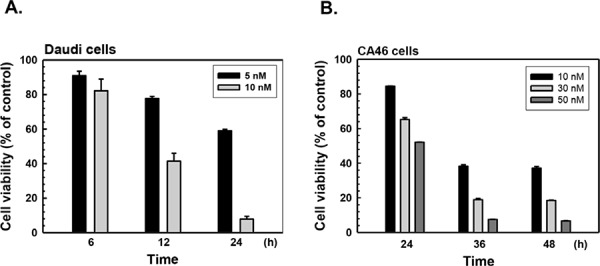
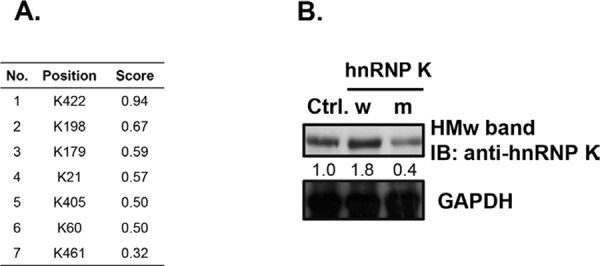
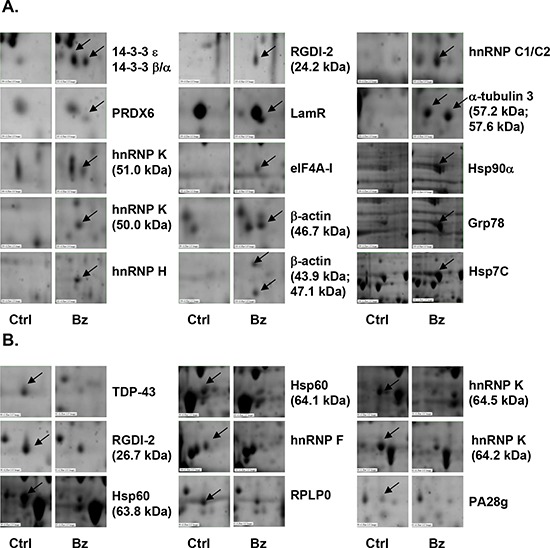
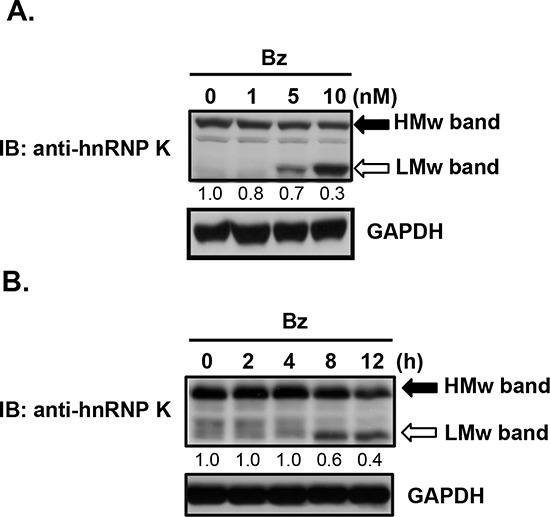
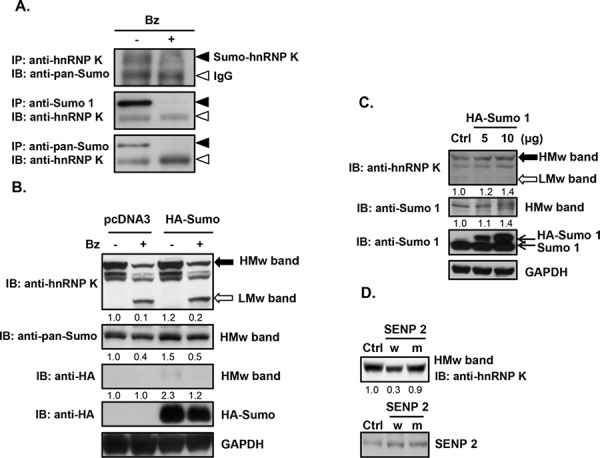
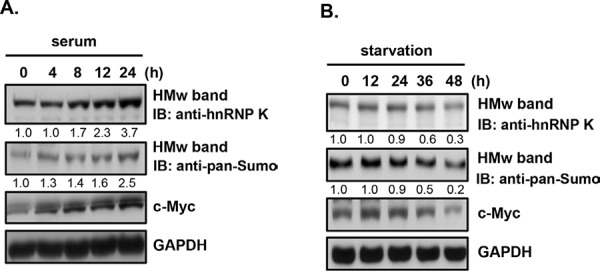
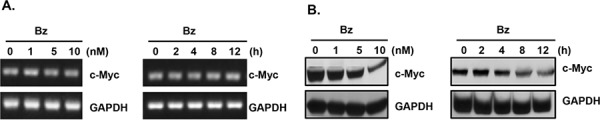
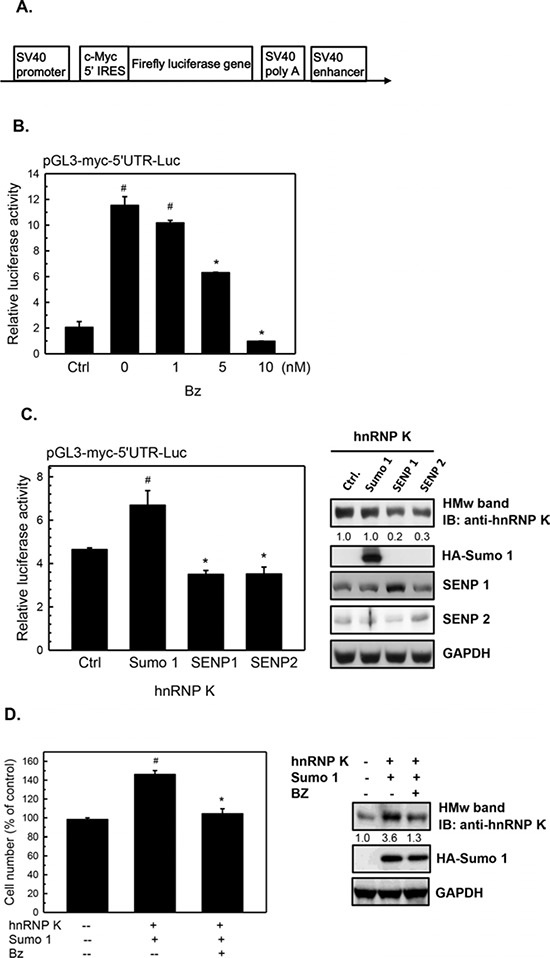
Bortezomib (Velcal) was the first proteasome inhibitor to be approved by the US Food and Drug Administration to treat patients with relapsed/refractory multiple myelomas. Previous studies have demonstrated that bortezomib inhibits tumor cell proliferation and induces apoptosis by blocking the nuclear factor (NF)-κB pathway. However, the exact mechanism by which bortezomib induces cancer cell apoptosis is still not well understood. In this study, we found that bortezomib significantly inhibited cell proliferation in both human Burkitt's lymphoma CA46 and Daudi cells. Through proteomic analysis, we found that bortezomib treatment changed the expression of various proteins in distinct functional categories including unfolding protein response (UPS), RNA processing, protein targeting and biosynthesis, apoptosis, and signal transduction. Among the proteins with altered expression, hnRNP K, hnRNP H, Hsp90α, Grp78, and Hsp7C were common to both Daudi and CA46 cells. Interestingly, bortezomib treatment downregulated the expression of high-molecular-weight (HMw) hnRNP K and c-Myc but upregulated the expression of low-molecular-weight (LMw) hnRNP K. Moreover, cell proliferation was significantly correlated with high expression of HMw hnRNP K and c-Myc. HMw and LMw hnRNP K were identified as sumoylated and desumoylated hnRNP K, respectively. Using transient transfection, we found that sumoylated hnRNP K increased c-Myc expression at the translational level and contributed to cell proliferation, and that Lys422 of hnRNP K is the candidate sumoylated residue. Our results suggest that besides inhibiting the ubiquitin-proteasome pathway, bortezomib may inhibit cell proliferation by downregulating sumoylated hnRNP K and c-Myc expression in Burkitt's lymphoma cells.
硼替佐米(万珂)是首个被美国食品药品监督管理局批准用于治疗复发/难治性多发性骨髓瘤患者的蛋白酶体抑制剂。先前的研究表明,硼替佐米通过阻断核因子(NF)-κB通路抑制肿瘤细胞增殖并诱导细胞凋亡。然而,硼替佐米诱导癌细胞凋亡的确切机制仍未完全明确。在本研究中,我们发现硼替佐米显著抑制人伯基特淋巴瘤CA46细胞和Daudi细胞的增殖。通过蛋白质组学分析,我们发现硼替佐米处理改变了不同功能类别的多种蛋白质的表达,包括未折叠蛋白反应(UPS)、RNA加工、蛋白质靶向与生物合成、细胞凋亡以及信号转导。在表达改变的蛋白质中,hnRNP K、hnRNP H、Hsp90α、Grp78和Hsp7C在Daudi细胞和CA46细胞中均有出现。有趣的是,硼替佐米处理下调了高分子量(HMw)hnRNP K和c-Myc的表达,但上调了低分子量(LMw)hnRNP K的表达。此外,细胞增殖与HMw hnRNP K和c-Myc的高表达显著相关。HMw和LMw hnRNP K分别被鉴定为经SUMO化修饰和去SUMO化修饰的hnRNP K。通过瞬时转染,我们发现经SUMO化修饰的hnRNP K在翻译水平上增加了c-Myc的表达并促进细胞增殖,并且hnRNP K的赖氨酸422是SUMO化修饰的候选残基。我们的结果表明,除了抑制泛素-蛋白酶体通路外,硼替佐米可能通过下调伯基特淋巴瘤细胞中经SUMO化修饰的hnRNP K和c-Myc的表达来抑制细胞增殖。