Adams Josephine C, Brancaccio Andrea
School of Biochemistry, University of Bristol, Biomedical Sciences Building, University Walk, Bristol BS8 1TD, UK.
Istituto di Chimica del Riconoscimento Molecolare, CNR, Istituto di Biochimica e Biochimica Clinica, Università Cattolica del Sacro Cuore, Largo Francesco Vito 1, Roma 00168, Italy
Biol Open. 2015 Aug 28;4(9):1163-79. doi: 10.1242/bio.012468.
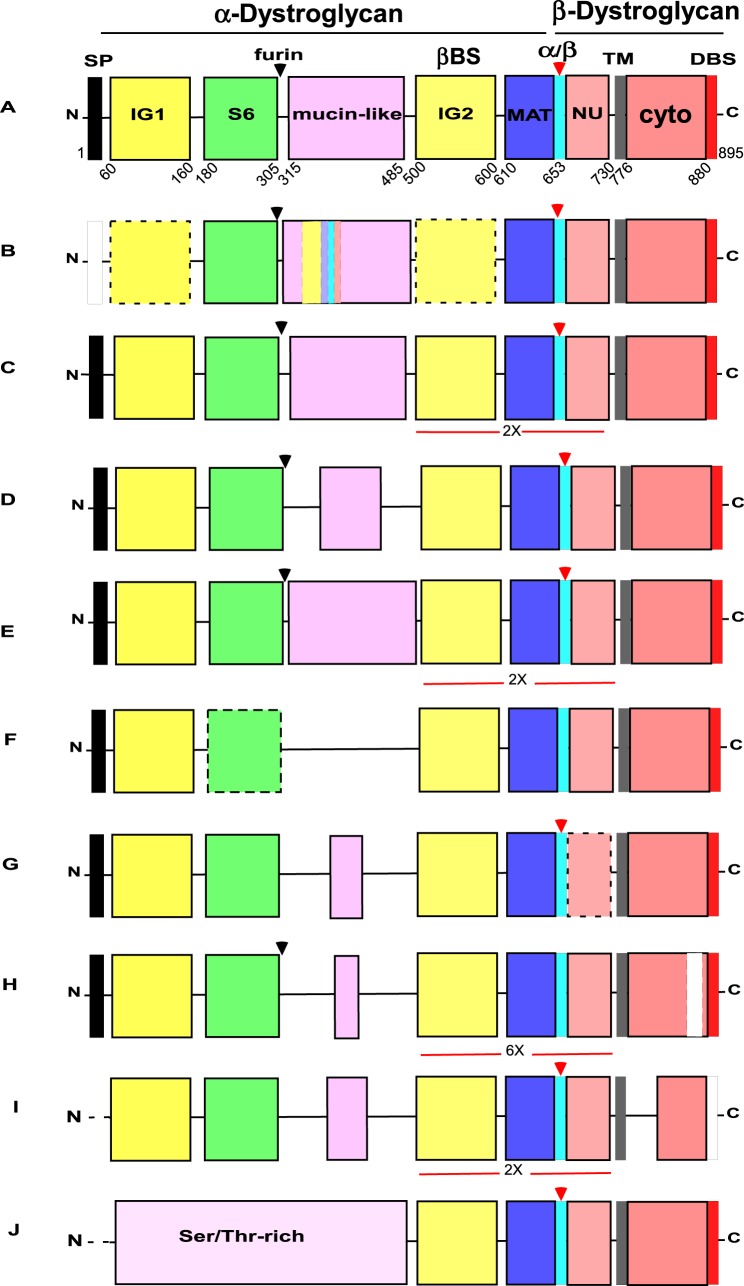
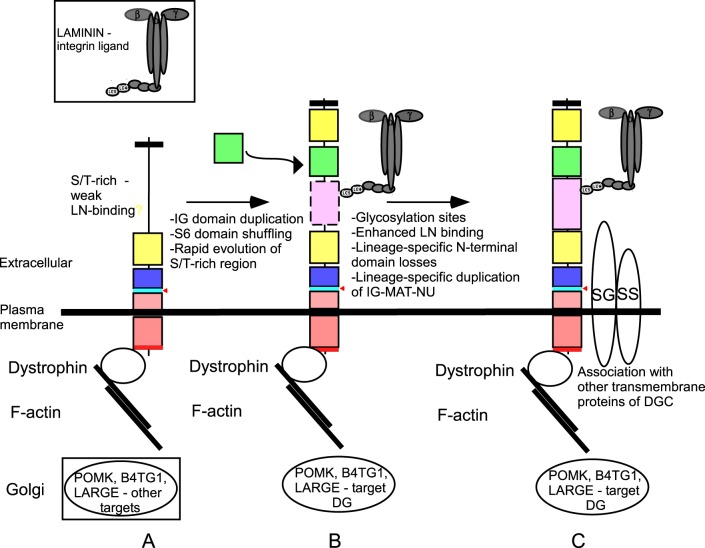
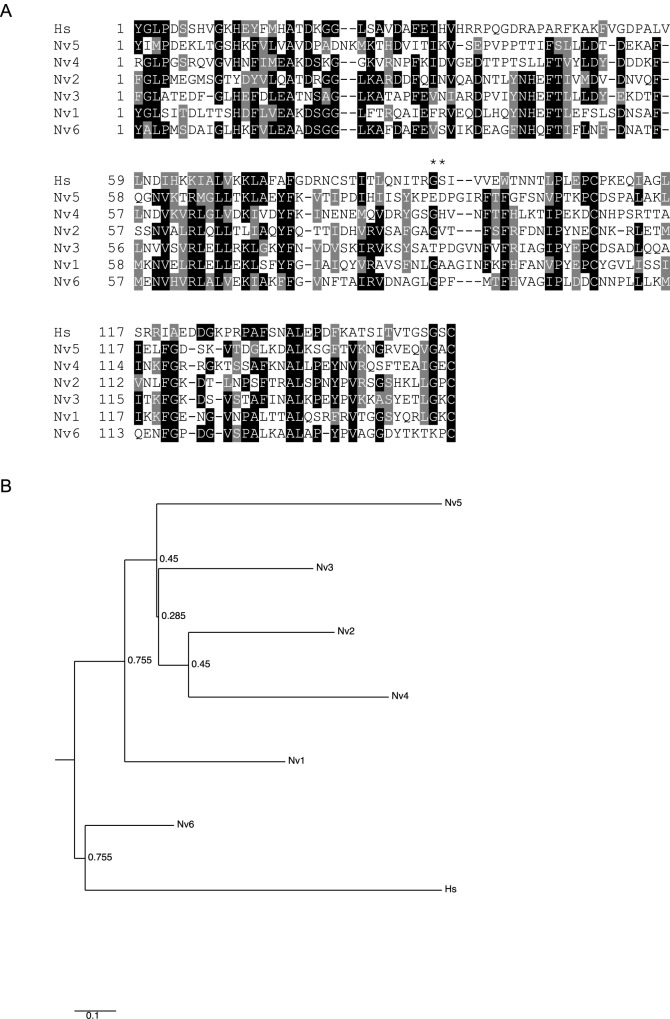
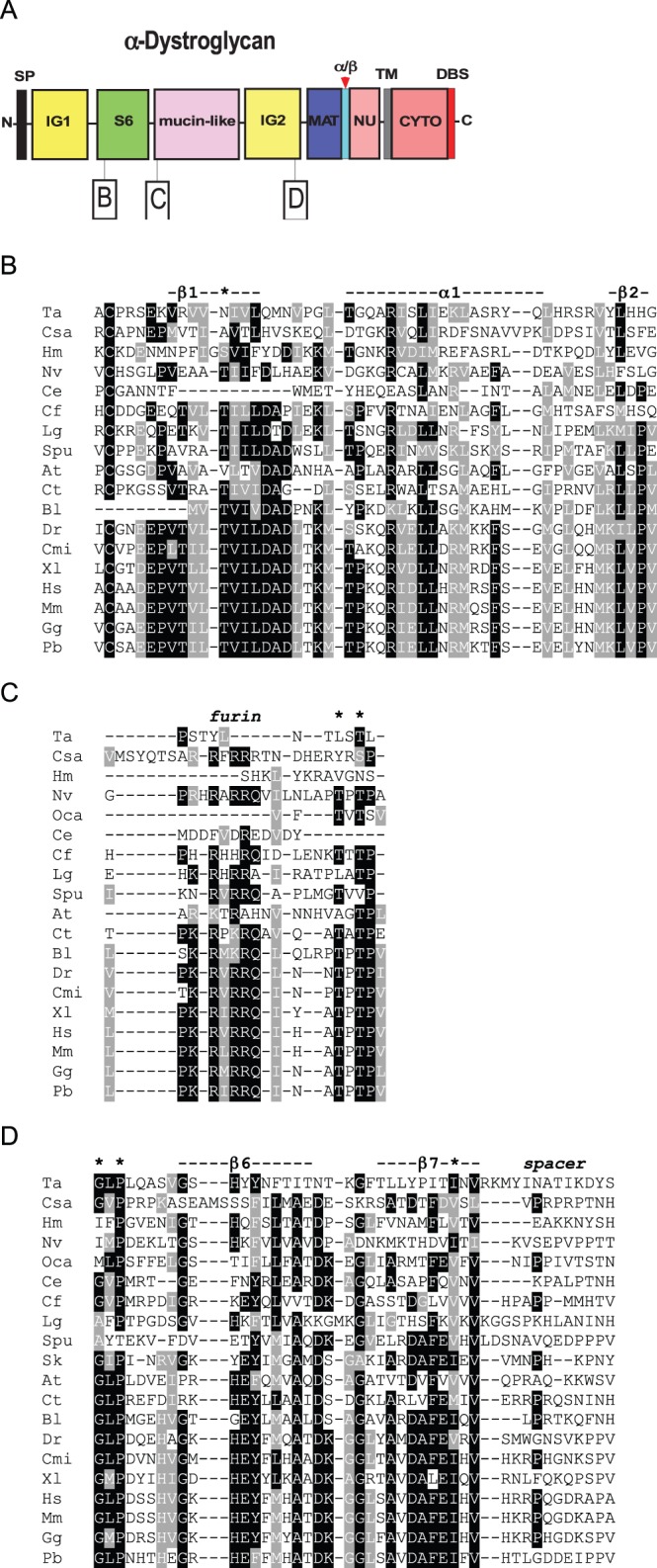
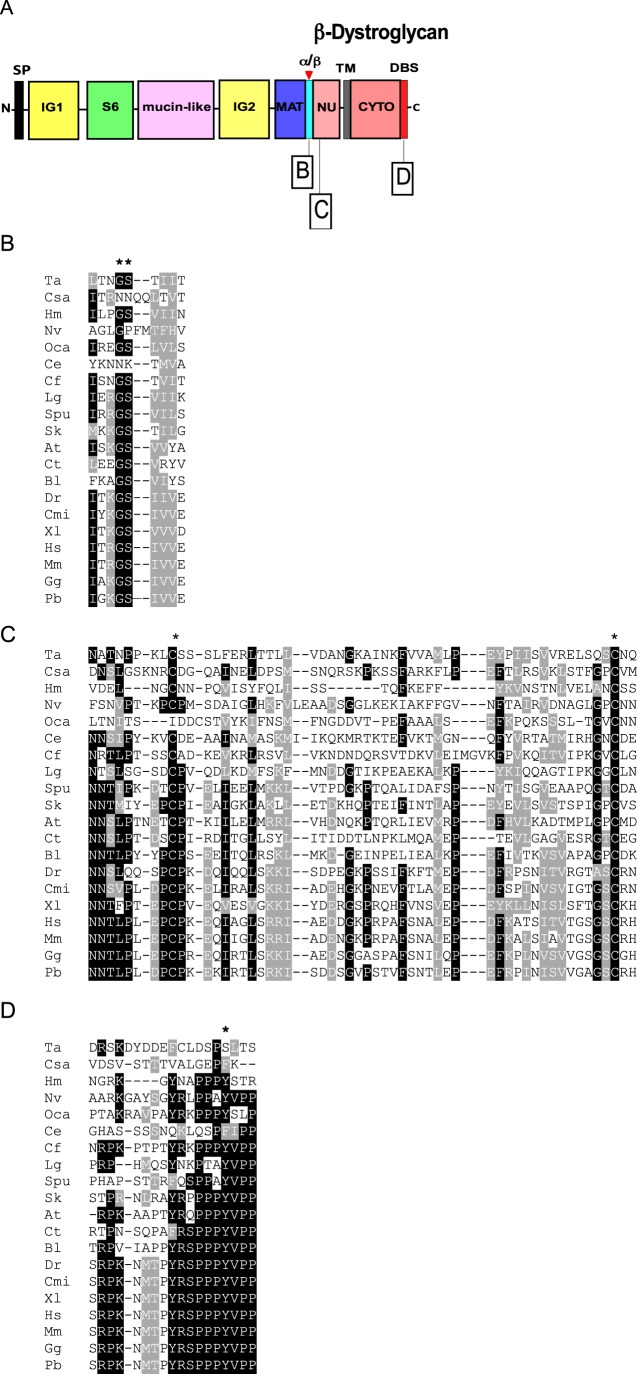
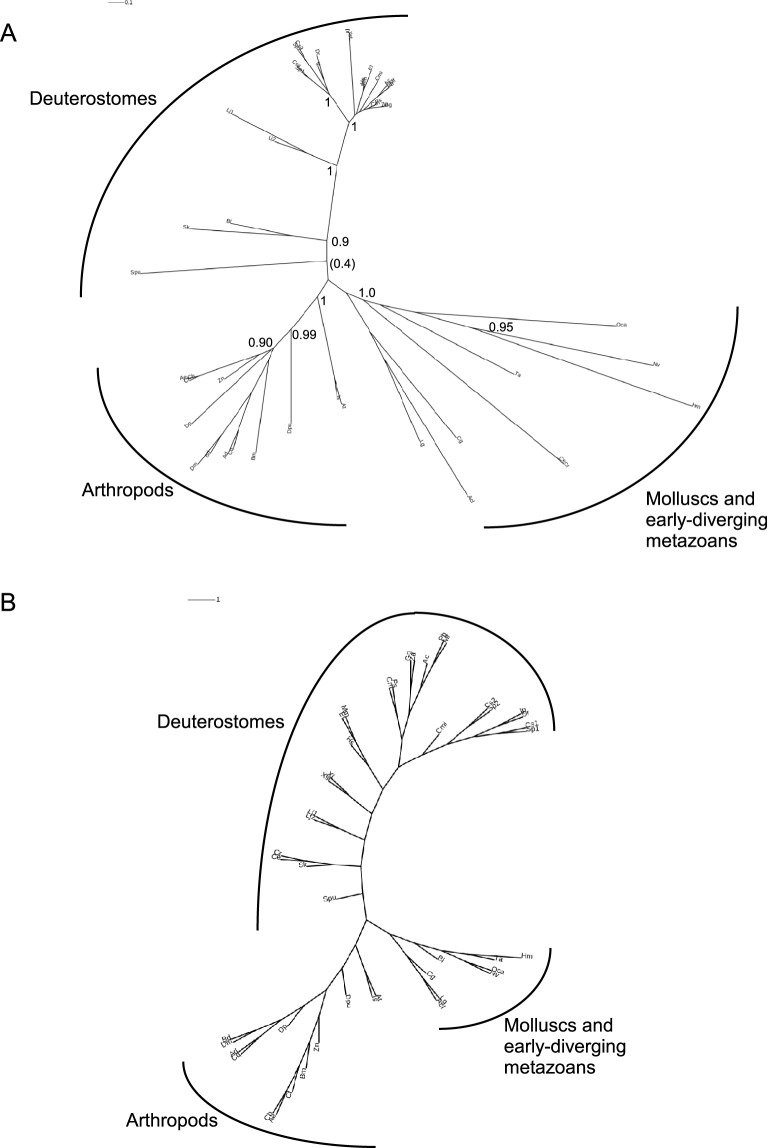
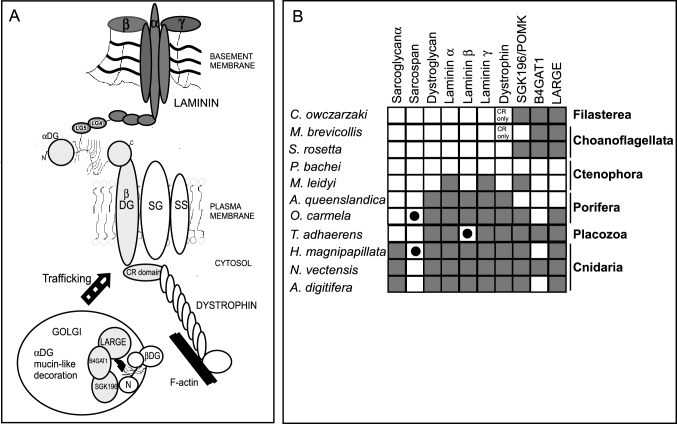
Basement membrane (BM) extracellular matrices are crucial for the coordination of different tissue layers. A matrix adhesion receptor that is important for BM function and stability in many mammalian tissues is the dystroglycan (DG) complex. This comprises the non-covalently-associated extracellular α-DG, that interacts with laminin in the BM, and the transmembrane β-DG, that interacts principally with dystrophin to connect to the actin cytoskeleton. Mutations in dystrophin, DG, or several enzymes that glycosylate α-DG underlie severe forms of human muscular dystrophy. Nonwithstanding the pathophysiological importance of the DG complex and its fundamental interest as a non-integrin system of cell-ECM adhesion, the evolution of DG and its interacting proteins is not understood. We analysed the phylogenetic distribution of DG, its proximal binding partners and key processing enzymes in extant metazoan and relevant outgroups. We identify that DG originated after the divergence of ctenophores from porifera and eumetazoa. The C-terminal half of the DG core protein is highly-conserved, yet the N-terminal region, that includes the laminin-binding region, has undergone major lineage-specific divergences. Phylogenetic analysis based on the C-terminal IG2_MAT_NU region identified three distinct clades corresponding to deuterostomes, arthropods, and mollusks/early-diverging metazoans. Whereas the glycosyltransferases that modify α-DG are also present in choanoflagellates, the DG-binding proteins dystrophin and laminin originated at the base of the metazoa, and DG-associated sarcoglycan is restricted to cnidarians and bilaterians. These findings implicate extensive functional diversification of DG within invertebrate lineages and identify the laminin-DG-dystrophin axis as a conserved adhesion system that evolved subsequent to integrin-ECM adhesion, likely to enhance the functional complexity of cell-BM interactions in early metazoans.
基底膜(BM)细胞外基质对于不同组织层的协调至关重要。在许多哺乳动物组织中,一种对BM功能和稳定性很重要的基质黏附受体是肌营养不良聚糖(DG)复合体。它由非共价结合的细胞外α-DG和跨膜β-DG组成,α-DG与BM中的层粘连蛋白相互作用,β-DG主要与肌营养不良蛋白相互作用以连接到肌动蛋白细胞骨架。肌营养不良蛋白、DG或几种使α-DG糖基化的酶的突变是人类严重肌肉营养不良症的基础。尽管DG复合体在病理生理学上很重要,并且作为细胞-细胞外基质黏附的非整合素系统具有根本的研究价值,但DG及其相互作用蛋白的进化仍不清楚。我们分析了现存后生动物和相关外类群中DG、其近端结合伙伴和关键加工酶的系统发育分布。我们发现DG起源于栉水母与多孔动物和真后生动物分化之后。DG核心蛋白的C端一半高度保守,但包括层粘连蛋白结合区域在内的N端区域经历了主要的谱系特异性分化。基于C端IG2_MAT_NU区域的系统发育分析确定了三个不同的进化枝,分别对应于后口动物、节肢动物和软体动物/早期分化的后生动物。虽然修饰α-DG的糖基转移酶在领鞭毛虫中也存在,但DG结合蛋白肌营养不良蛋白和层粘连蛋白起源于后生动物基部,而与DG相关的肌聚糖仅限于刺胞动物和两侧对称动物。这些发现表明DG在无脊椎动物谱系中具有广泛的功能多样化,并确定层粘连蛋白-DG-肌营养不良蛋白轴是一个保守的黏附系统,它在整合素-细胞外基质黏附之后进化,可能增强了早期后生动物中细胞-BM相互作用的功能复杂性。