Van de Walle Aurore B, Uzarski Joseph S, McFetridge Peter S
J. Crayton Pruitt Family Department of Biomedical Engineering, University of Florida, PO Box 116131, 1275 Center Drive, Gainesville, FL 32611.
Cardiovasc Eng Technol. 2015 Sep;6(3):303-13. doi: 10.1007/s13239-015-0221-2.
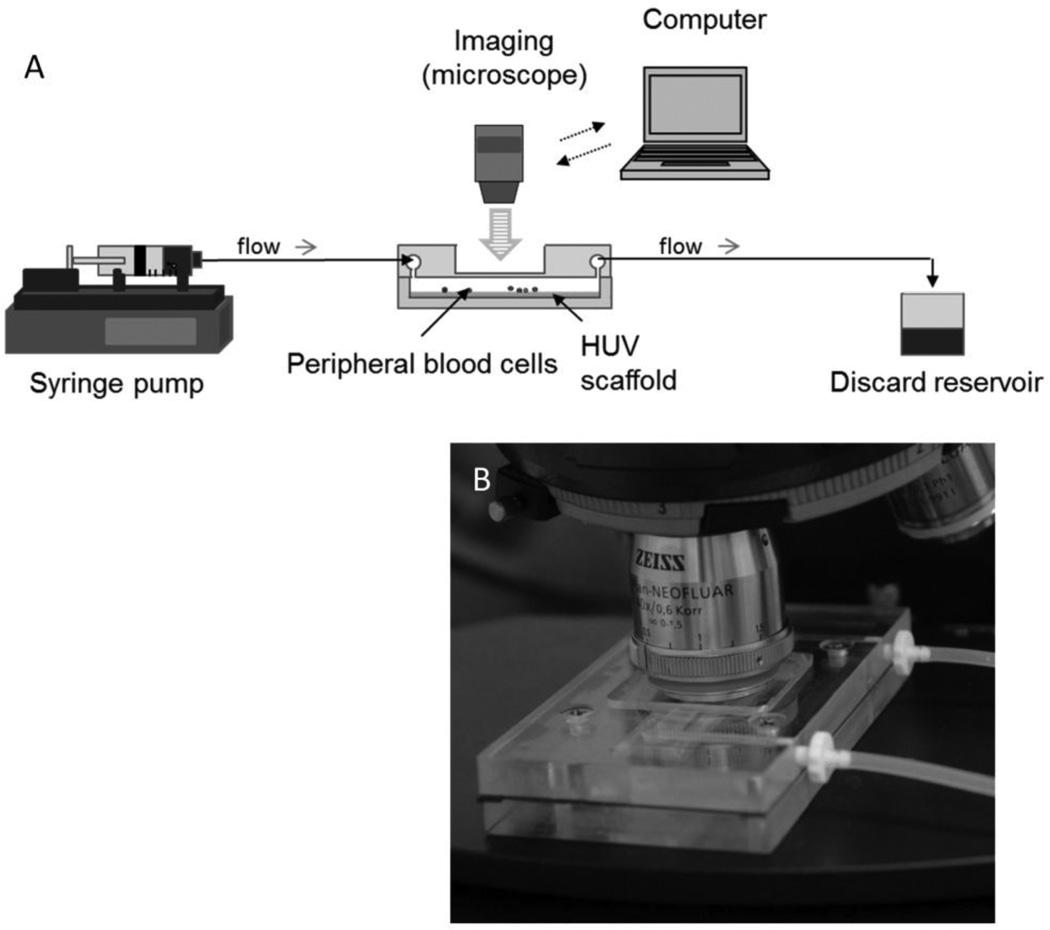
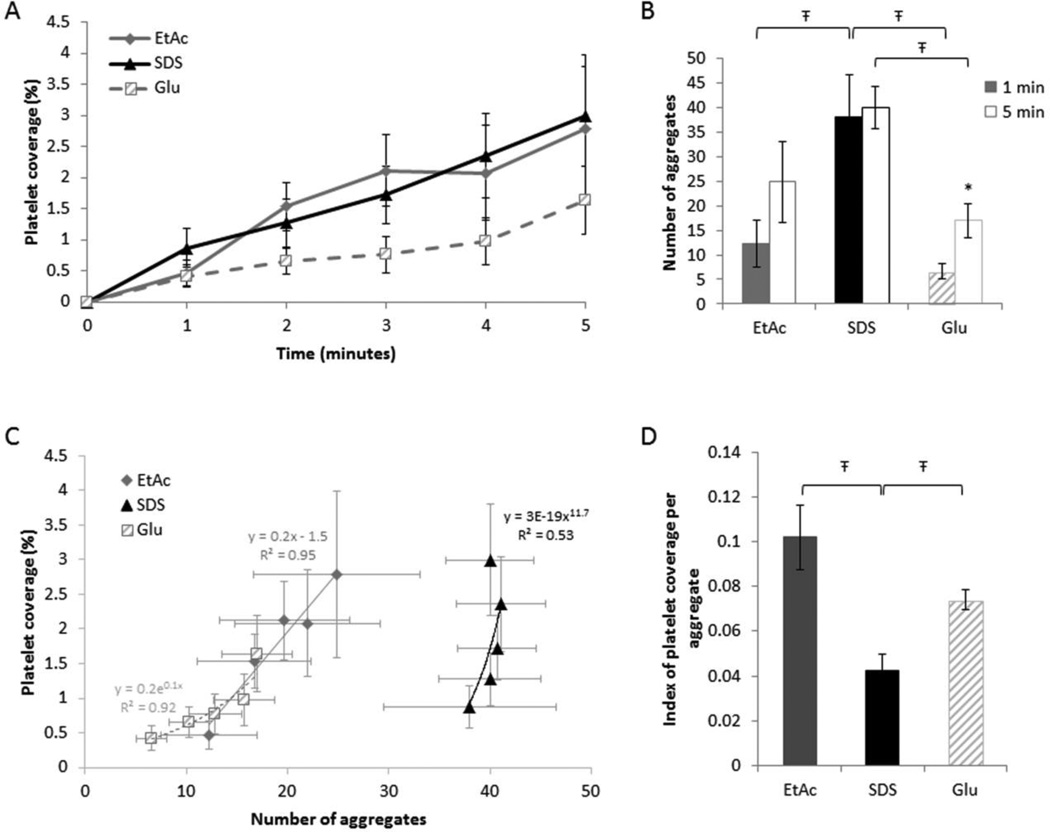
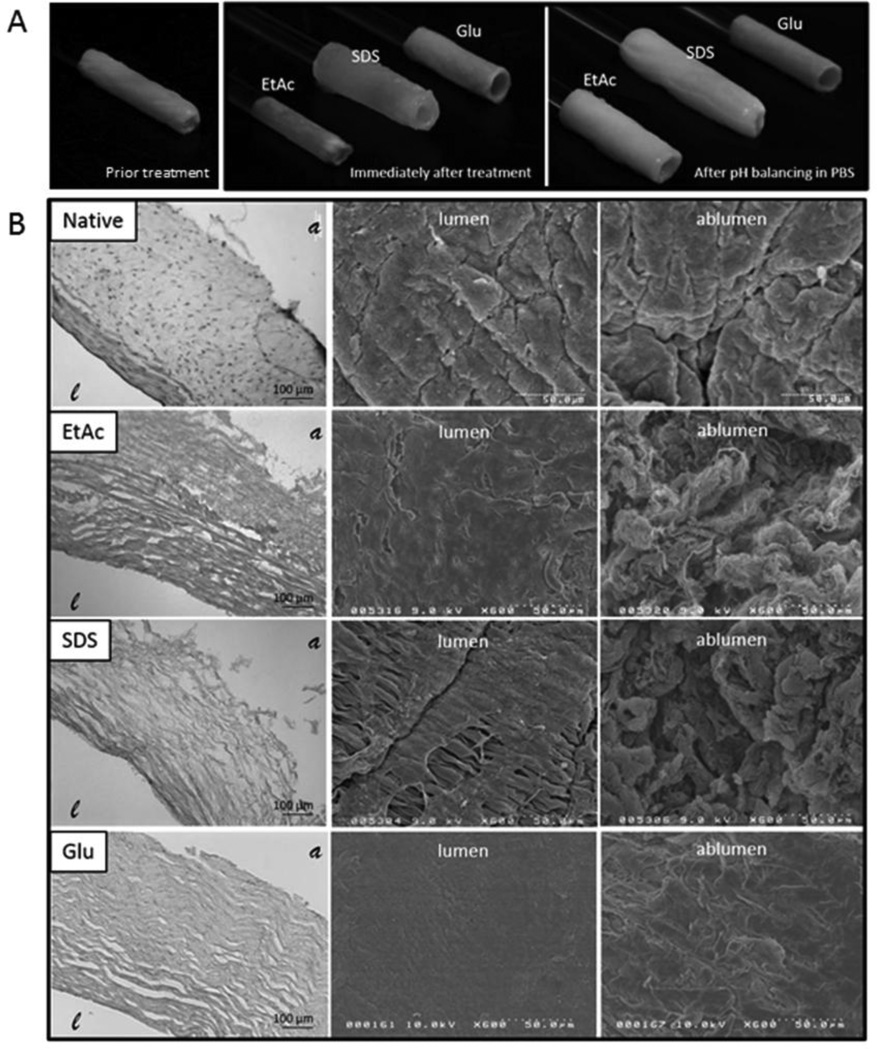
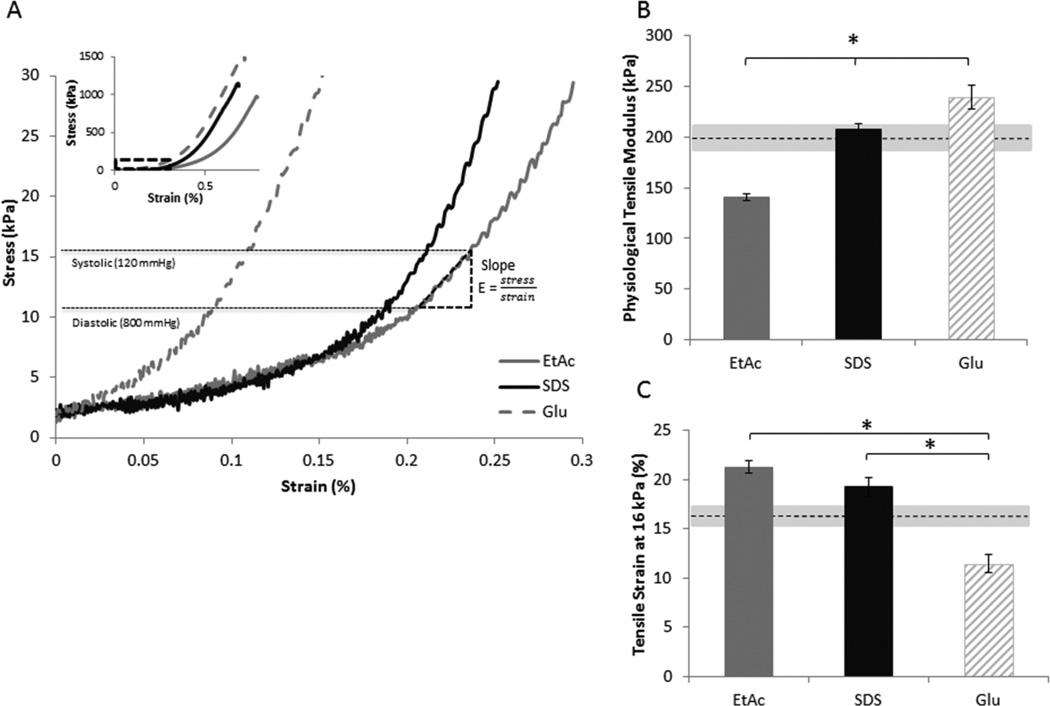
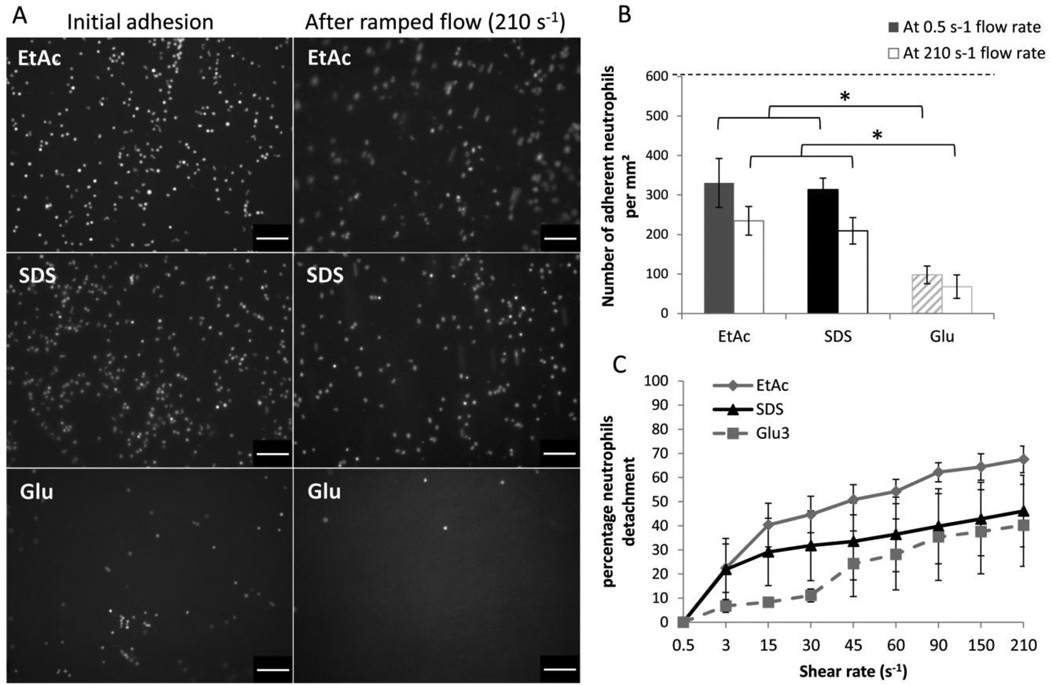
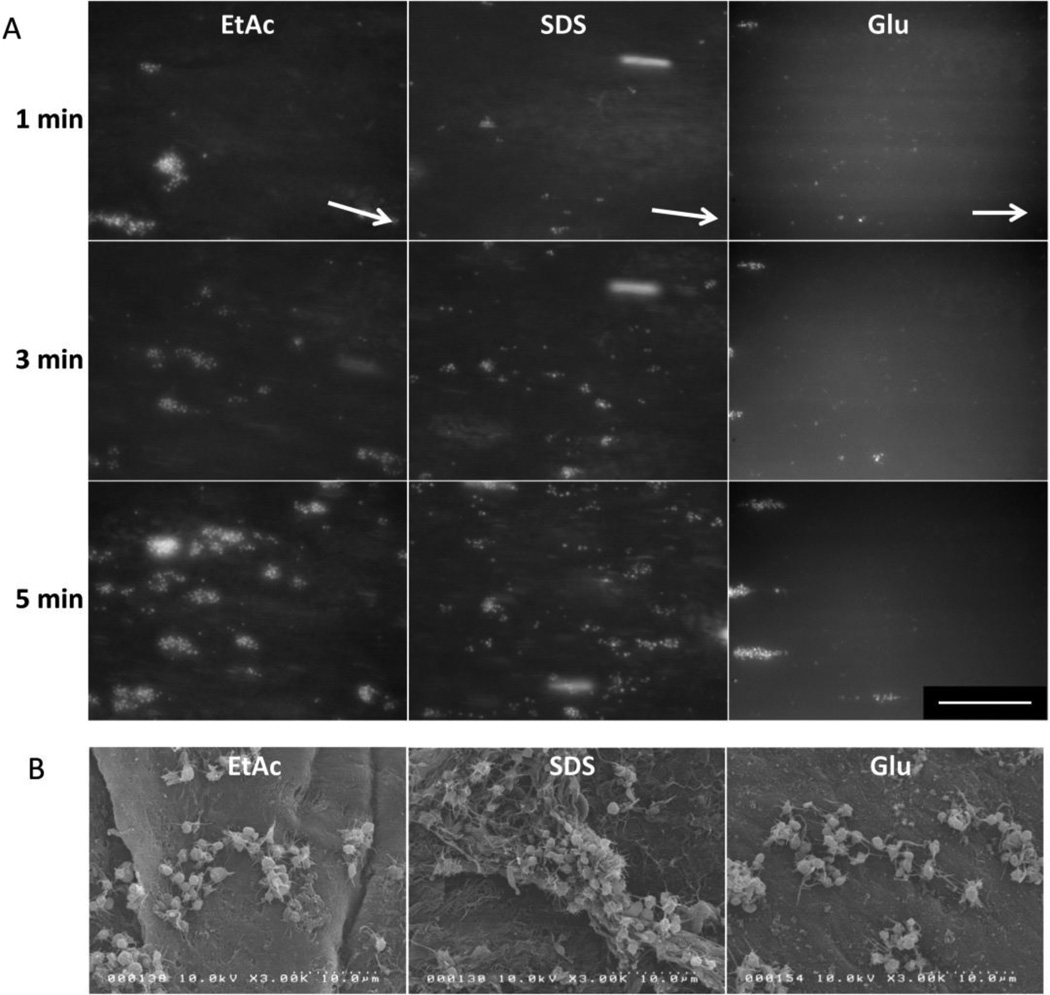
Processing ex vivo derived tissues to reduce immunogenicity is an effective approach to create biologically complex materials for vascular reconstruction. Due to the sensitivity of small diameter vascular grafts to occlusive events, the effect of graft processing on critical parameters for graft patency, such as peripheral cell adhesion and wall mechanics, requires detailed analysis. Isolated human umbilical vein sections were used as model allogenic vascular scaffolds that were processed with either: 1. sodium dodecyl sulfate (SDS), 2. ethanol/acetone (EtAc), or 3. glutaraldehyde (Glu). Changes in material mechanics were assessed via uniaxial tensile testing. Peripheral cell adhesion to the opaque grafting material was evaluated using an innovative flow chamber that allows direct observation of the blood-graft interface under physiological shear conditions. All treatments modified the grafts tensile strain and stiffness properties, with physiological modulus values decreasing from Glu 240±12 kPa to SDS 210±6 kPa and EtAc 140±3 kPa, P<.001. Relative to glutaraldehyde treatments, neutrophil adhesion to the decellularized grafts increased, with no statistical difference observed between SDS or EtAc treatments. Early platelet adhesion (% surface coverage) showed no statistical difference between the three treatments; however, quantification of platelet aggregates was significantly higher on SDS scaffolds compared to EtAc or Glu. Tissue processing strategies applied to the umbilical vein scaffold were shown to modify structural mechanics and cell adhesion properties, with the EtAc treatment reducing thrombotic events relative to SDS treated samples. This approach allows time and cost effective prescreening of clinically relevant grafting materials to assess initial cell reactivity.
处理离体衍生组织以降低免疫原性是创建用于血管重建的生物复杂材料的有效方法。由于小直径血管移植物对闭塞事件的敏感性,移植物处理对移植物通畅的关键参数(如外周细胞粘附和壁力学)的影响需要详细分析。分离的人脐静脉切片用作同种异体血管支架模型,分别用以下方法处理:1. 十二烷基硫酸钠(SDS),2. 乙醇/丙酮(EtAc),或3. 戊二醛(Glu)。通过单轴拉伸试验评估材料力学的变化。使用创新的流动腔室评估外周细胞对不透明移植材料的粘附,该流动腔室允许在生理剪切条件下直接观察血液-移植物界面。所有处理均改变了移植物的拉伸应变和刚度特性,生理模量值从Glu的240±12 kPa降至SDS的210±6 kPa和EtAc的140±3 kPa,P<0.001。相对于戊二醛处理,中性粒细胞对去细胞化移植物的粘附增加,SDS或EtAc处理之间未观察到统计学差异。早期血小板粘附(表面覆盖率%)在三种处理之间没有统计学差异;然而,与EtAc或Glu相比,SDS支架上血小板聚集体的定量显著更高。应用于脐静脉支架的组织处理策略显示可改变结构力学和细胞粘附特性,EtAc处理相对于SDS处理的样品减少了血栓形成事件。这种方法允许对临床相关移植材料进行时间和成本效益高的预筛选,以评估初始细胞反应性。