Pires Eusebio S, D'Souza Ryan S, Needham Marisa A, Herr Austin K, Jazaeri Amir A, Li Hui, Stoler Mark H, Anderson-Knapp Kiley L, Thomas Theodore, Mandal Arabinda, Gougeon Alain, Flickinger Charles J, Bruns David E, Pollok Brian A, Herr John C
Department of Cell Biology at The School of Medicine, University of Virginia, Charlottesville, Virginia, USA.
Department of Obstetrics and Gynecology at The School of Medicine, University of Virginia, Charlottesville, Virginia, USA.
Oncotarget. 2015 Oct 6;6(30):30194-211. doi: 10.18632/oncotarget.4734.
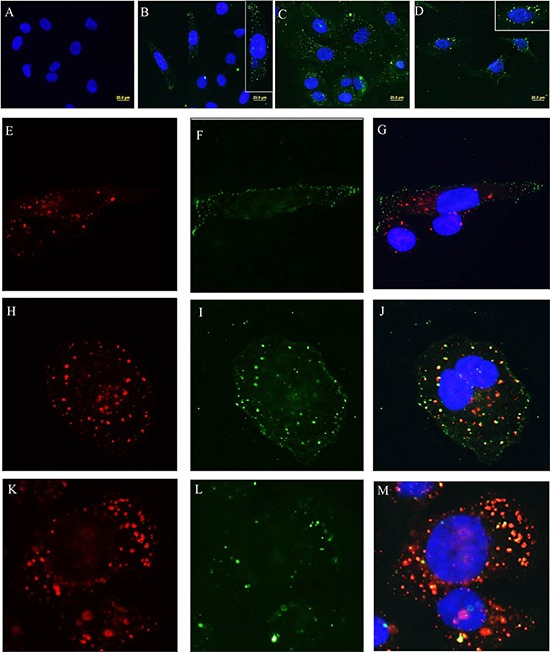
The metalloproteinase SAS1B [ovastacin, ASTL, astacin-like] was immunolocalized on the oolemma of ovulated human oocytes and in normal ovaries within the pool of growing oocytes where SAS1B protein was restricted to follicular stages spanning the primary-secondary follicle transition through ovulation. Gene-specific PCR and immunohistochemical studies revealed ASTL messages and SAS1B protein in both endometrioid [74%] and malignant mixed Mullerian tumors (MMMT) [87%] of the uterus. A MMMT-derived cell line, SNU539, expressed cell surface SAS1B that, after binding polyclonal antibodies, internalized into EEA1/LAMP1-positive early and late endosomes. Treatment of SNU539 cells with anti-SAS1B polyclonal antibodies caused growth arrest in the presence of active complement. A saporin-immunotoxin directed to SAS1B induced growth arrest and cell death. The oocyte restricted expression pattern of SAS1B among adult organs, cell-surface accessibility, internalization into the endocytic pathway, and tumor cell growth arrest induced by antibody-toxin conjugates suggest therapeutic approaches that would selectively target tumors while limiting adverse drug effects in healthy cells. The SAS1B metalloproteinase is proposed as a prototype cancer-oocyte tumor surface neoantigen for development of targeted immunotherapeutics with limited on-target/off tumor effects predicted to be restricted to the population of growing oocytes.
金属蛋白酶SAS1B[卵母细胞溶素、ASTL、类astacin]在排卵后的人卵母细胞的卵膜上以及正常卵巢中正在生长的卵母细胞池中被免疫定位,其中SAS1B蛋白局限于从初级卵泡向次级卵泡过渡直至排卵的卵泡阶段。基因特异性PCR和免疫组化研究显示,子宫的子宫内膜样肿瘤[74%]和恶性混合苗勒管肿瘤(MMMT)[87%]中均存在ASTL信息和SAS1B蛋白。一种源自MMMT的细胞系SNU539表达细胞表面SAS1B,在结合多克隆抗体后,内化到EEA1/LAMP1阳性的早期和晚期内体中。用抗SAS1B多克隆抗体处理SNU539细胞,在有活性补体存在的情况下导致生长停滞。一种针对SAS1B的皂草素免疫毒素诱导生长停滞和细胞死亡。SAS1B在成年器官中的卵母细胞限制性表达模式、细胞表面可及性、内化进入内吞途径以及抗体-毒素偶联物诱导的肿瘤细胞生长停滞,提示了一些治疗方法,这些方法可以选择性地靶向肿瘤,同时限制对健康细胞的不良药物作用。SAS1B金属蛋白酶被提议作为一种癌症-卵母细胞肿瘤表面新抗原的原型,用于开发具有有限的靶向/脱靶肿瘤效应的靶向免疫疗法,预计这种效应仅限于正在生长的卵母细胞群体。