Natchev Nikolay, Tzankov Nikolay, Werneburg Ingmar, Heiss Egon
Department of Integrative Zoology, Vienna University , Vienna , Austria ; Faculty of Natural Science, Shumen University , Shumen , Bulgaria.
Section Vertebrates, National Museum of Natural History, Bulgarian Academy of Sciences , Sofia , Bulgaria.
PeerJ. 2015 Aug 11;3:e1172. doi: 10.7717/peerj.1172. eCollection 2015.
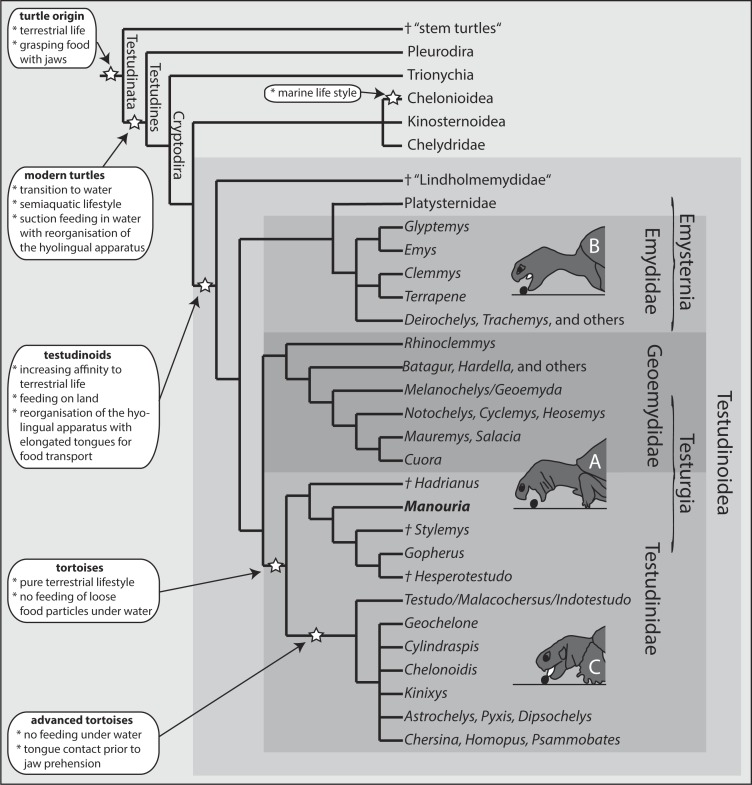
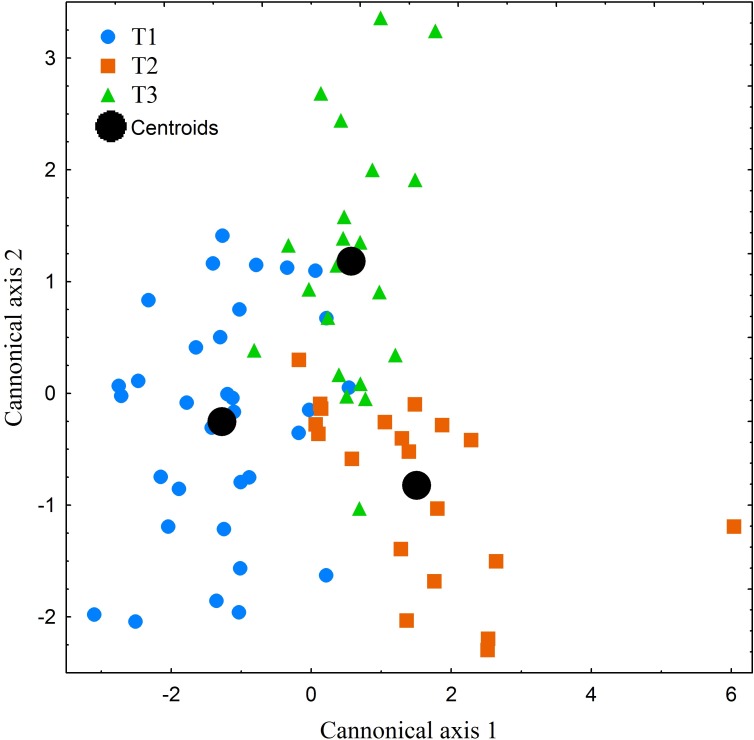
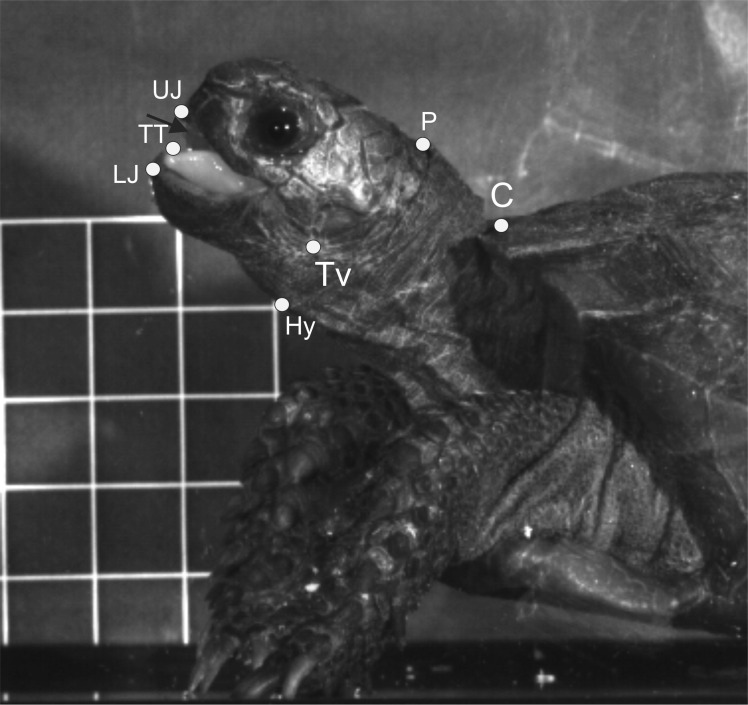
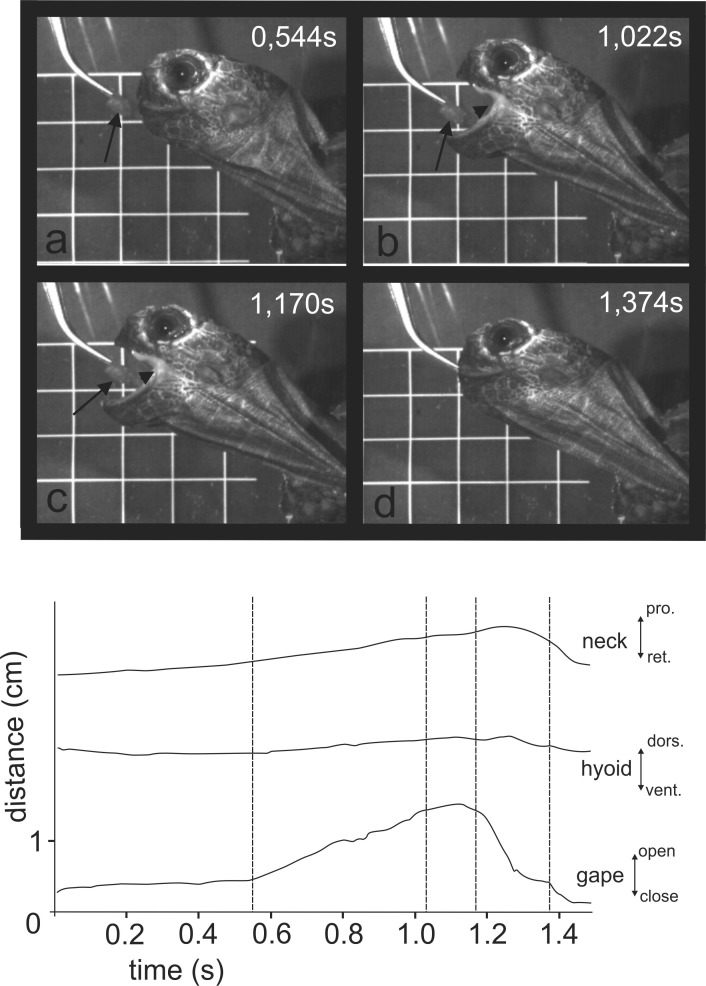
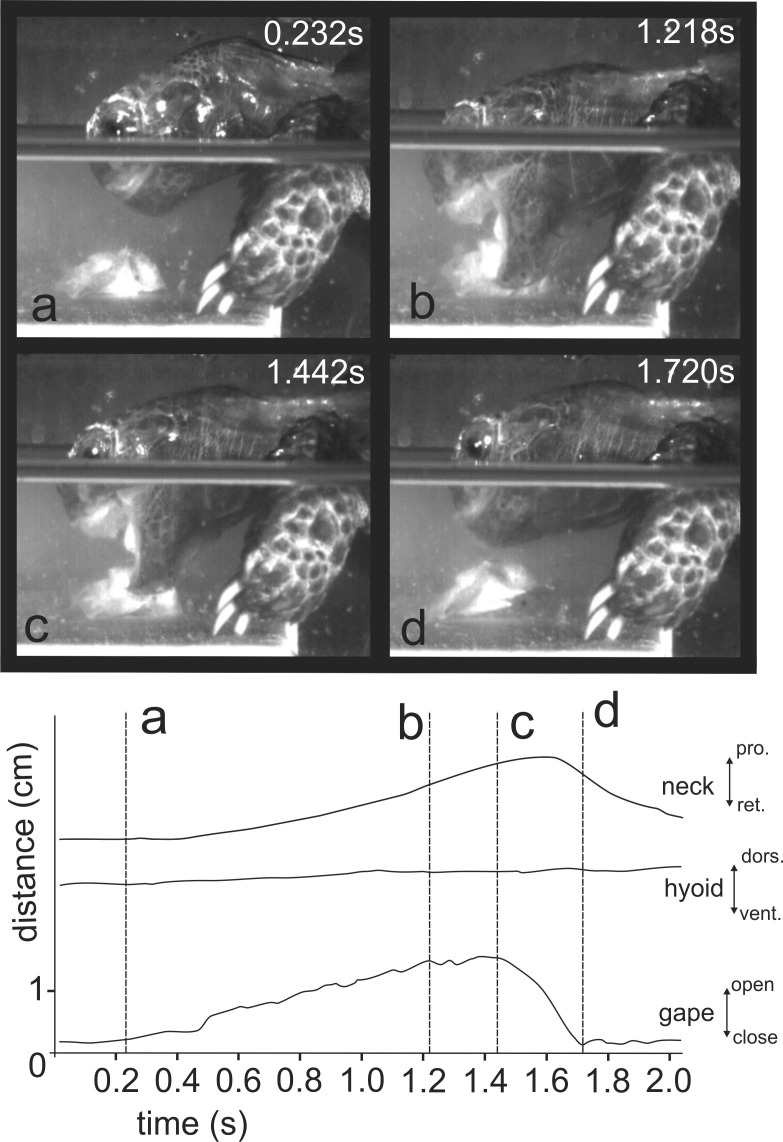
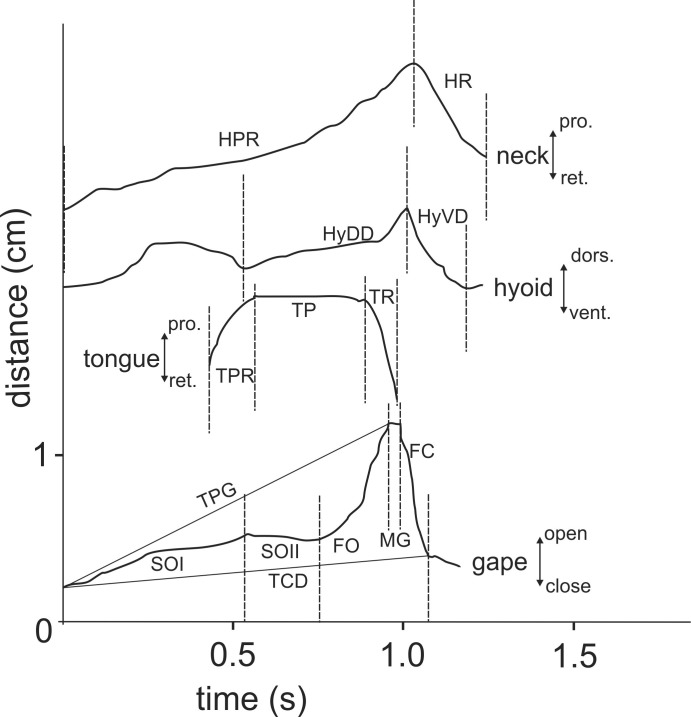
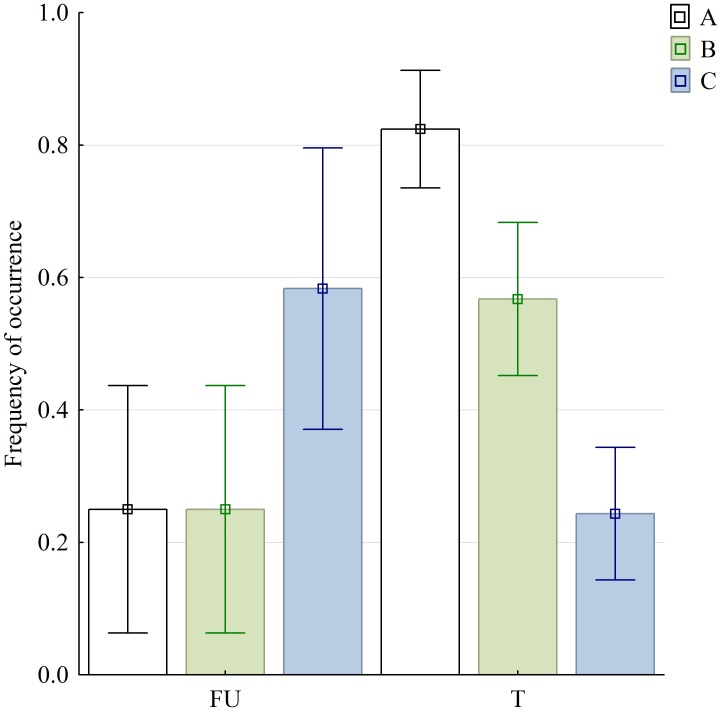
Almost all extant testudinids are highly associated with terrestrial habitats and the few tortoises with high affinity to aquatic environments are found within the genus Manouria. Manouria belongs to a clade which forms a sister taxon to all remaining tortoises and is suitable as a model for studying evolutionary transitions within modern turtles. We analysed the feeding behaviour of Manouria emys and due to its phylogenetic position, we hypothesise that the species might have retained some ancestral features associated with an aquatic lifestyle. We tested whether M. emys is able to feed both in aquatic and terrestrial environments. In fact, M. emys repetitively tried to reach submerged food items in water, but always failed to grasp them-no suction feeding mechanism was applied. When feeding on land, M. emys showed another peculiar behaviour; it grasped food items by its jaws-a behaviour typical for aquatic or semiaquatic turtles-and not by the tongue as generally accepted as the typical feeding mode in all tortoises studied so far. In M. emys, the hyolingual complex remained retracted during all food uptake sequences, but the food transport was entirely lingual based. The kinematical profiles significantly differed from those described for other tortoises and from those proposed from the general models on the function of the feeding systems in lower tetrapods. We conclude that the feeding behaviour of M. emys might reflect a remnant of the primordial condition expected in the aquatic ancestor of the tortoises.
几乎所有现存的陆龟都与陆地栖息地高度相关,而少数对水生环境有高度亲和力的龟类则属于马来陆龟属。马来陆龟属属于一个进化枝,它是所有其余龟类的姐妹分类单元,适合作为研究现代龟类进化转变的模型。我们分析了马来陆龟的摄食行为,鉴于其系统发育位置,我们推测该物种可能保留了一些与水生生活方式相关的原始特征。我们测试了马来陆龟是否能够在水生和陆地环境中进食。事实上,马来陆龟反复试图够到水中的水下食物,但总是未能抓住它们——它没有应用吸食进食机制。在陆地上进食时,马来陆龟表现出另一种奇特行为;它用下颚抓取食物——这是水生或半水生龟类的典型行为——而不是像迄今为止所有研究过的陆龟普遍接受的典型摄食方式那样用舌头抓取。在马来陆龟进食的所有过程中,舌骨复合体都保持收缩状态,但食物运输完全基于舌头。其运动学特征与其他陆龟所描述的特征以及从关于低等四足动物摄食系统功能的一般模型中提出的特征有显著差异。我们得出结论,马来陆龟的摄食行为可能反映了龟类水生祖先预期的原始状态的残余。