Salameh Therese S, Bullock Kristin M, Hujoel Isabel A, Niehoff Michael L, Wolden-Hanson Tami, Kim Junghyun, Morley John E, Farr Susan A, Banks William A
Geriatrics Research Education and Clinical Center, VA Puget Sound Health Care System, Seattle, WA, USA.
Division of Gerontology and Geriatric Medicine, Department of Medicine, University of Washington, Seattle, WA, USA.
J Alzheimers Dis. 2015;47(3):715-28. doi: 10.3233/JAD-150307.
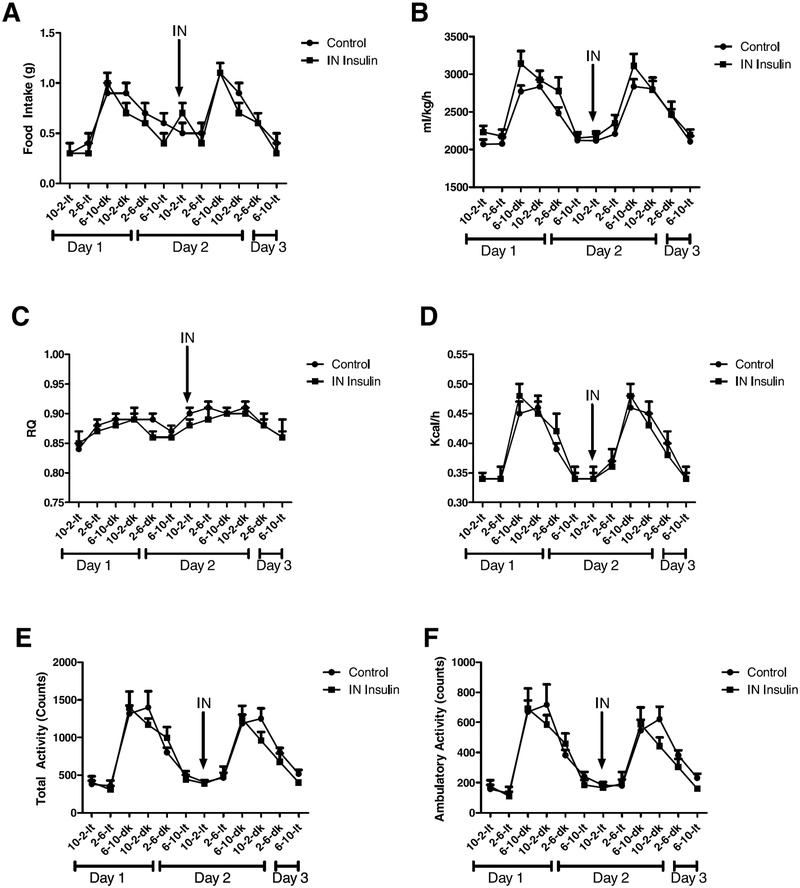
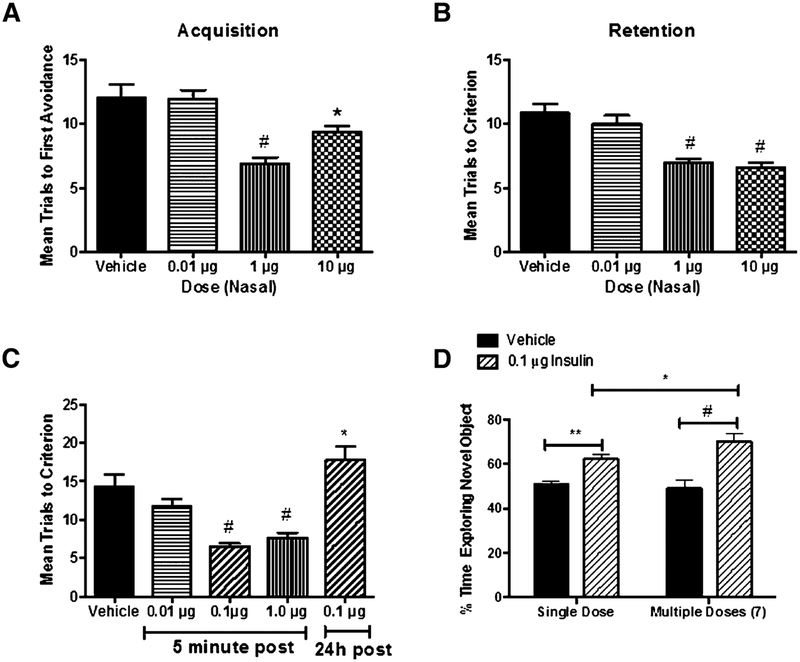
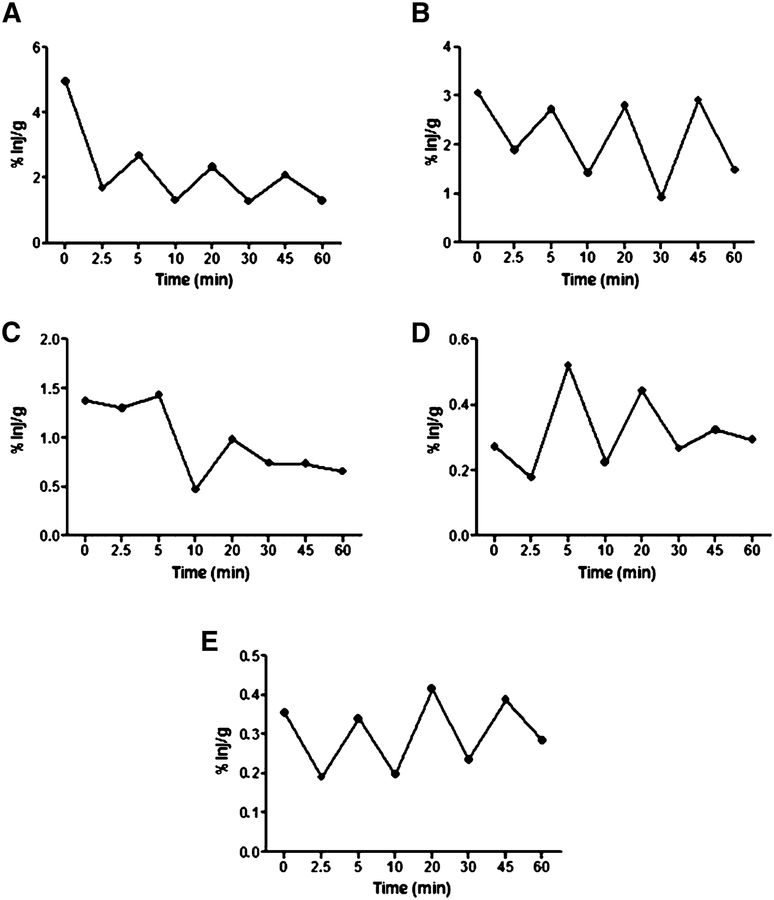
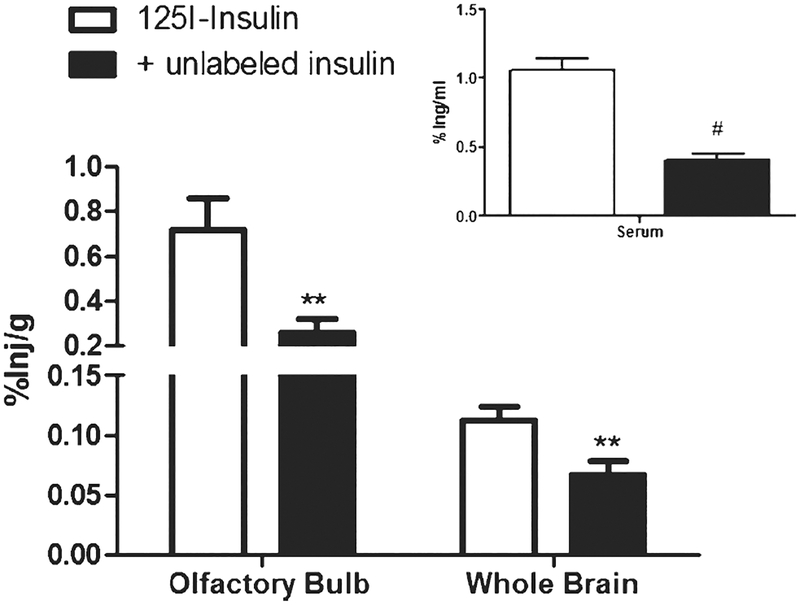
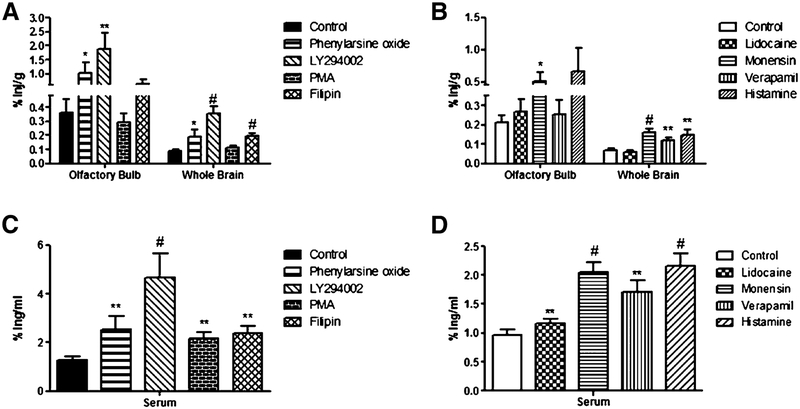
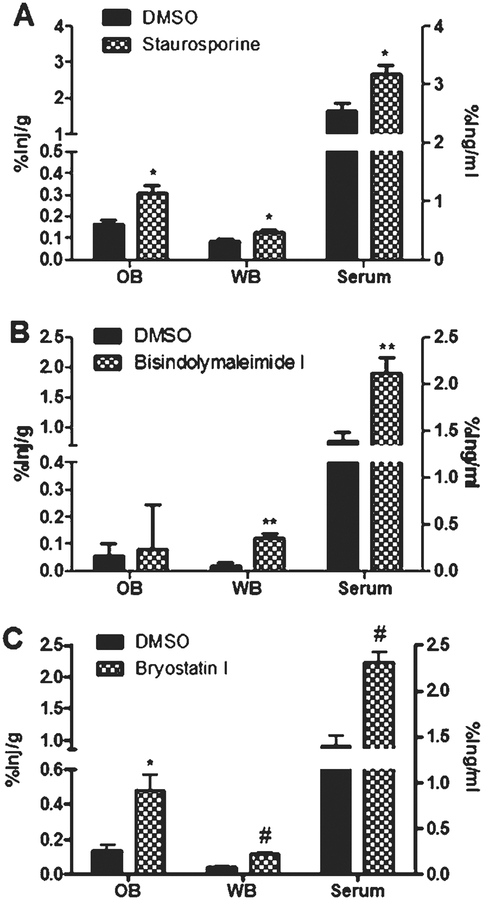
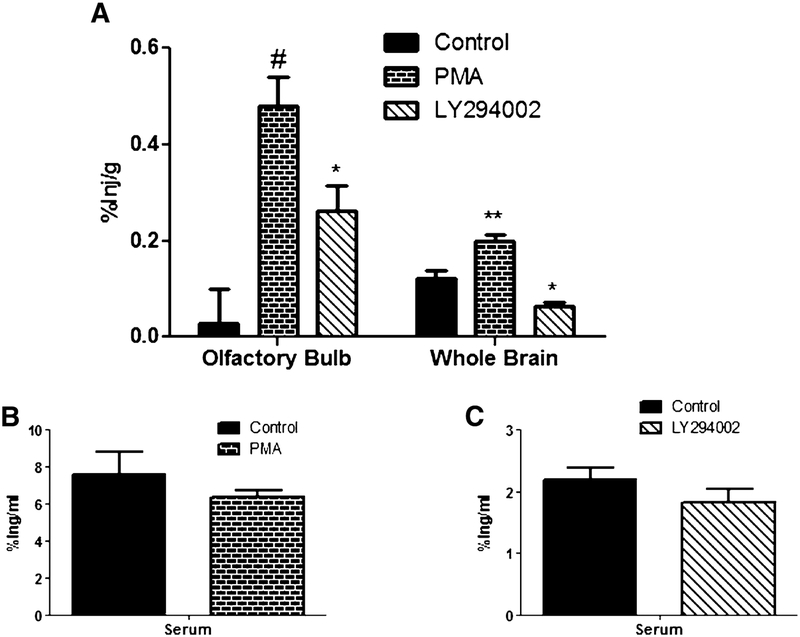
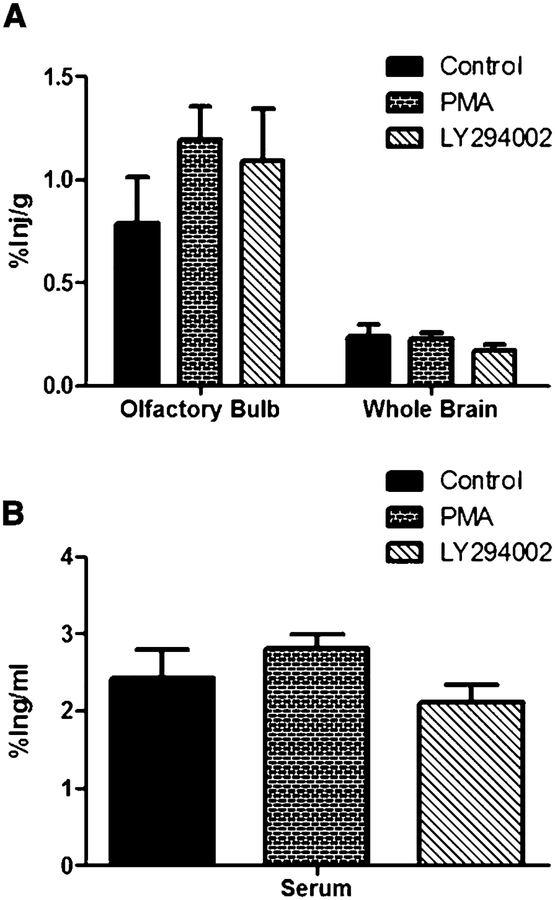
Intranasal insulin has shown efficacy in patients with Alzheimer's disease (AD), but there are no preclinical studies determining whether or how it reaches the brain. Here, we showed that insulin applied at the level of the cribriform plate via the nasal route quickly distributed throughout the brain and reversed learning and memory deficits in an AD mouse model. Intranasal insulin entered the blood stream poorly and had no peripheral metabolic effects. Uptake into the brain from the cribriform plate was saturable, stimulated by PKC inhibition, and responded differently to cellular pathway inhibitors than did insulin transport at the blood-brain barrier. In summary, these results show intranasal delivery to be an effective way to deliver insulin to the brain.
经鼻胰岛素已在阿尔茨海默病(AD)患者中显示出疗效,但尚无临床前研究确定其是否以及如何到达大脑。在此,我们表明经鼻途径在筛板水平应用胰岛素可迅速在整个大脑中分布,并逆转AD小鼠模型中的学习和记忆缺陷。经鼻胰岛素进入血流的情况不佳,且无外周代谢作用。从筛板进入大脑的摄取是可饱和的,受蛋白激酶C(PKC)抑制的刺激,并且与血脑屏障处的胰岛素转运相比,对细胞途径抑制剂的反应不同。总之,这些结果表明经鼻给药是将胰岛素输送到大脑的有效途径。