Shi Chao, Huang Xuan, Zhang Bin, Zhu Dan, Luo Huqiao, Lu Quqin, Xiong Wen-Cheng, Mei Lin, Luo Shiwen
Center for Experimental Medicine, The First Affiliated Hospital of Nanchang University, Nanchang, Jiangxi, China.
Department of Physiology, School of Basic Medicine, Tongji Medical College, Huazhong University of Science & Technology, Wuhan, Hubei, China; Institute of Molecular Medicine and Genetics and Department of Neurology, Georgia Regents University, Augusta, Georgia, United States of America.
PLoS One. 2015 Sep 28;10(9):e0138936. doi: 10.1371/journal.pone.0138936. eCollection 2015.
Since the identification of poly-alanine expanded poly(A) binding protein nuclear 1 (PABPN1) as the genetic cause of oculopharyngeal muscular dystrophy (OPMD), considerable progress has been made in our understanding of the pathogenesis of the disease. However, the molecular mechanisms that regulate the onset and progression of the disease remain unclear.
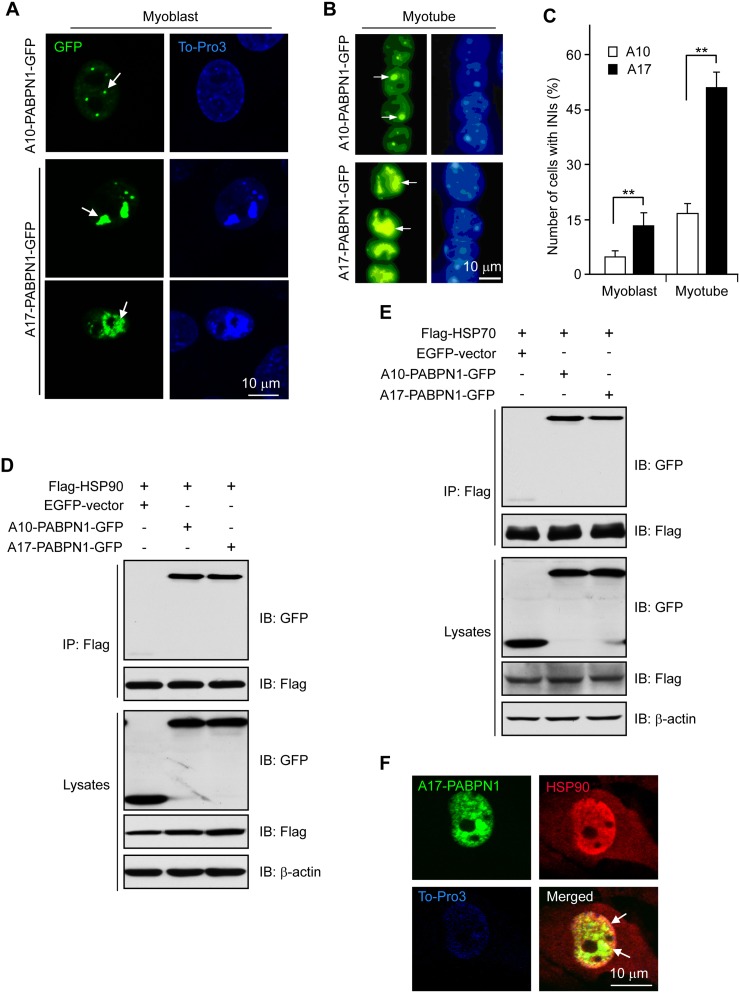
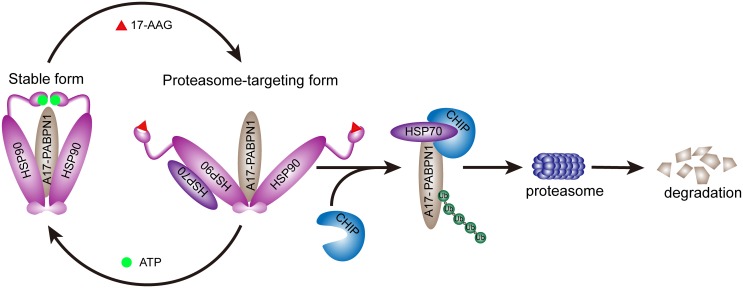
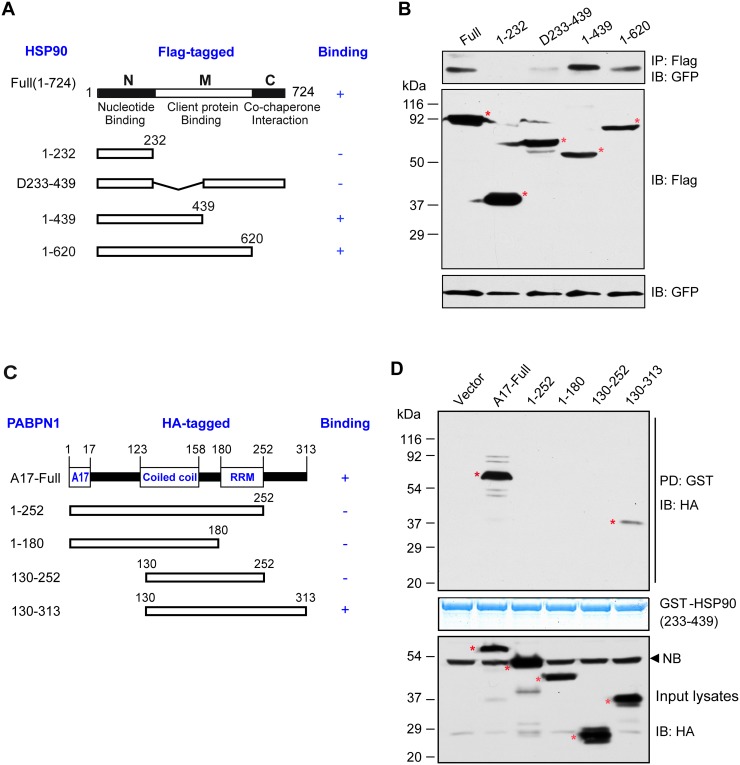
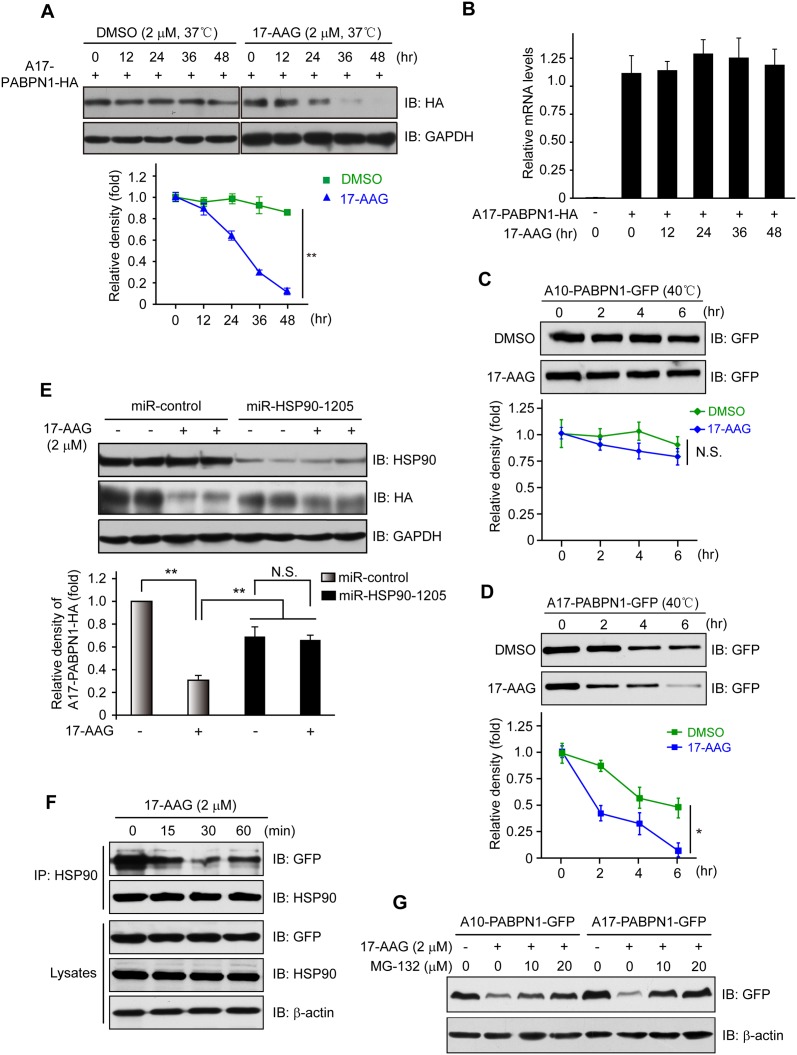
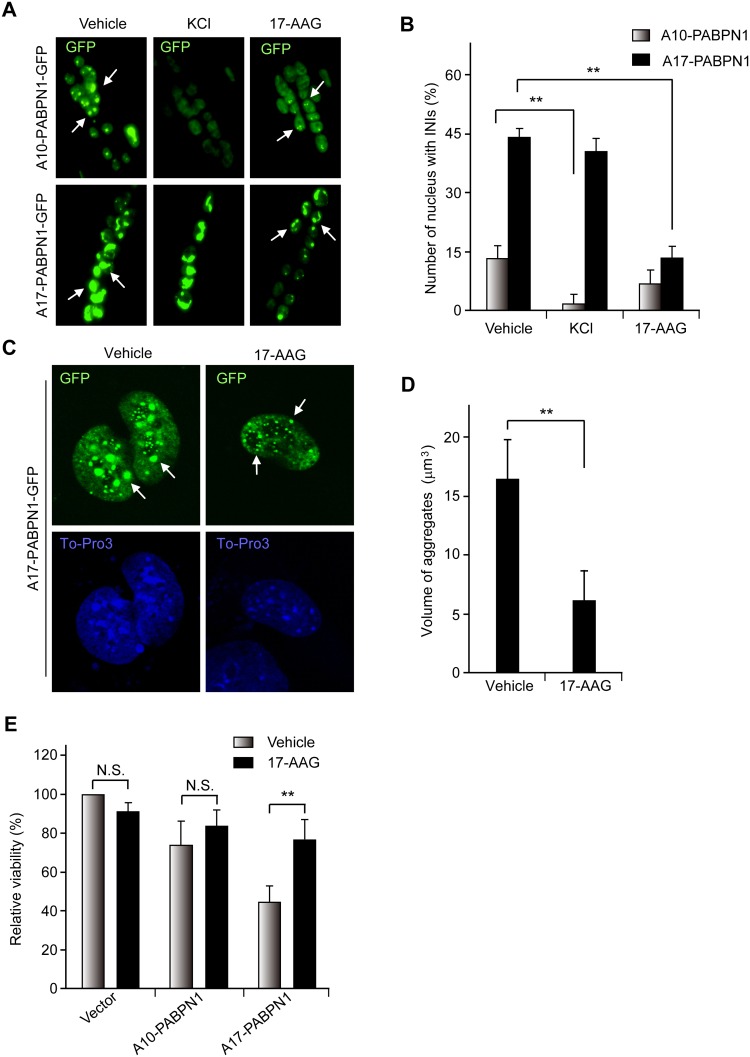
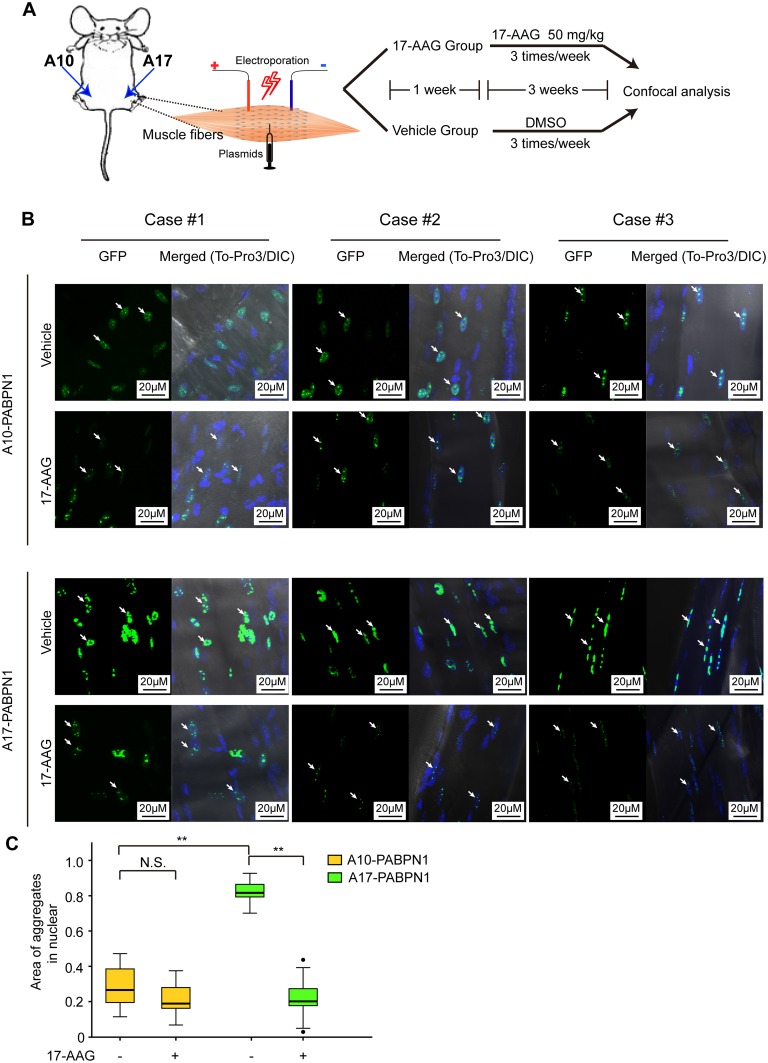
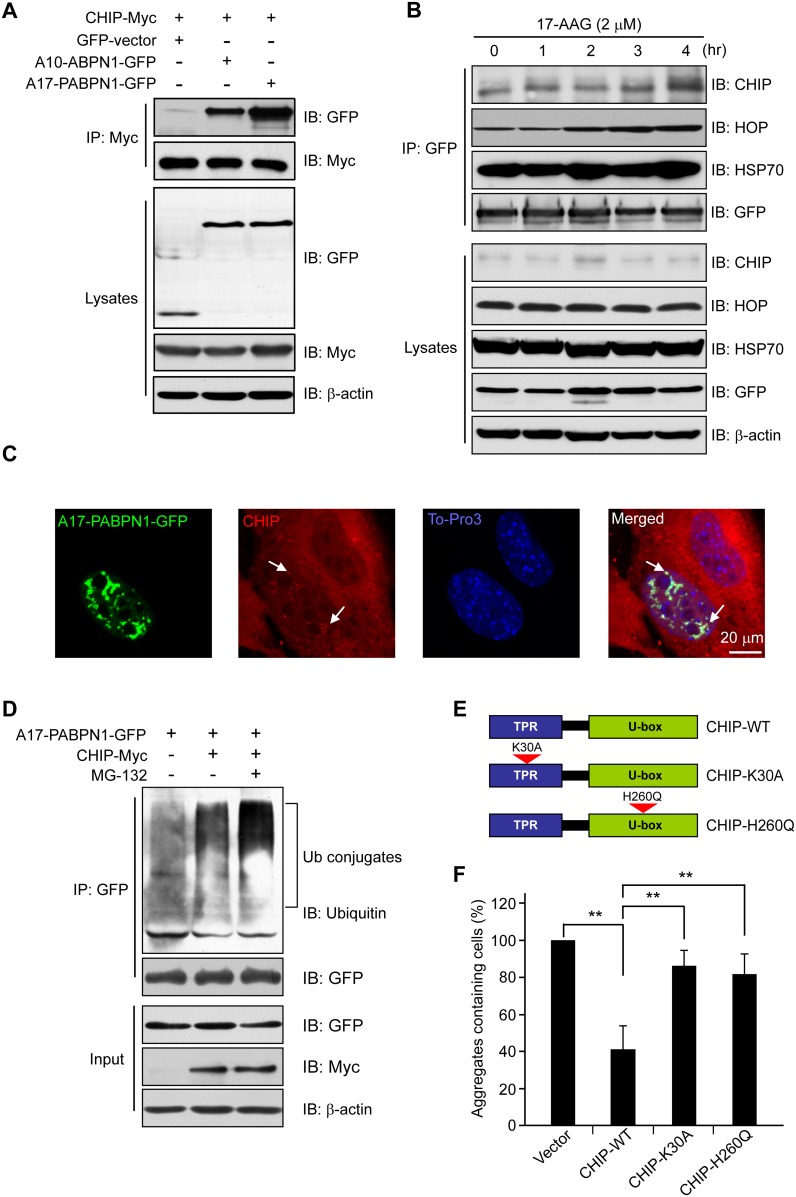
In this study, we show that PABPN1 interacts with and is stabilized by heat shock protein 90 (HSP90). Treatment with the HSP90 inhibitor 17-AAG disrupted the interaction of mutant PABPN1 with HSP90 and reduced the formation of intranuclear inclusions (INIs). Furthermore, mutant PABPN1 was preferentially degraded in the presence of 17-AAG compared with wild-type PABPN1 in vitro and in vivo. The effect of 17-AAG was mediated through an increase in the interaction of PABPN1 with the carboxyl terminus of heat shock protein 70-interacting protein (CHIP). The overexpression of CHIP suppressed the aggregation of mutant PABPN1 in transfected cells.
Our results demonstrate that the HSP90 molecular chaperone system plays a crucial role in the selective elimination of abnormal PABPN1 proteins and also suggest a potential therapeutic application of the HSP90 inhibitor 17-AAG for the treatment of OPMD.
自从确定多聚丙氨酸扩展的聚腺苷酸结合蛋白核1(PABPN1)为眼咽型肌营养不良症(OPMD)的遗传病因以来,我们对该疾病发病机制的理解取得了相当大的进展。然而,调节该疾病发生和进展的分子机制仍不清楚。
在本研究中,我们表明PABPN1与热休克蛋白90(HSP90)相互作用并由其稳定。用HSP90抑制剂17-AAG处理破坏了突变型PABPN1与HSP90的相互作用,并减少了核内包涵体(INI)的形成。此外,与野生型PABPN1相比,在体外和体内,突变型PABPN1在17-AAG存在下优先降解。17-AAG的作用是通过增加PABPN1与热休克蛋白70相互作用蛋白(CHIP)羧基末端的相互作用来介导的。CHIP的过表达抑制了转染细胞中突变型PABPN1的聚集。
我们的结果表明,HSP90分子伴侣系统在选择性清除异常PABPN1蛋白中起关键作用,也提示HSP90抑制剂17-AAG在治疗OPMD方面的潜在治疗应用。