O'Hare Louise, Clarke Alasdair D F, Pollux Petra M J
School of Psychology, University of Lincoln, Lincoln, United Kingdom.
School of Psychology, Univerisity of Aberdeen, Aberdeen, United Kingdom.
PLoS One. 2015 Sep 30;10(9):e0139400. doi: 10.1371/journal.pone.0139400. eCollection 2015.
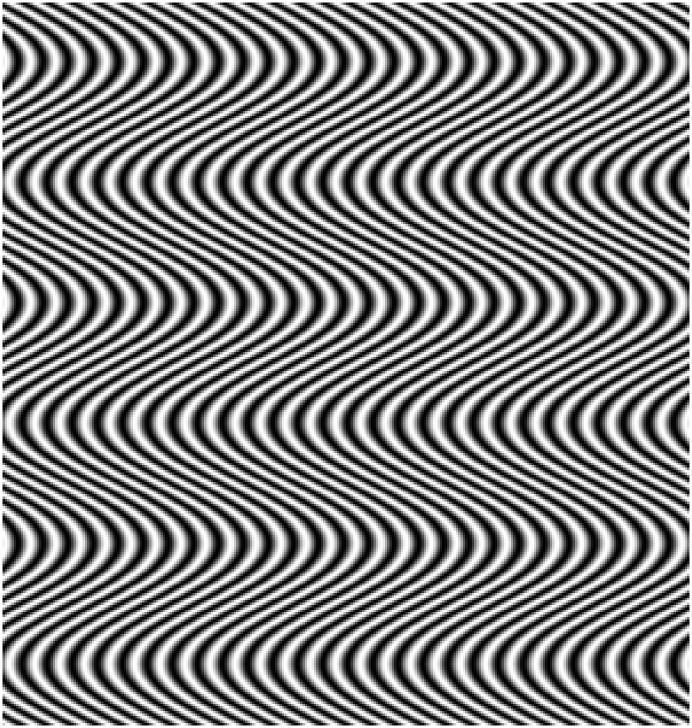
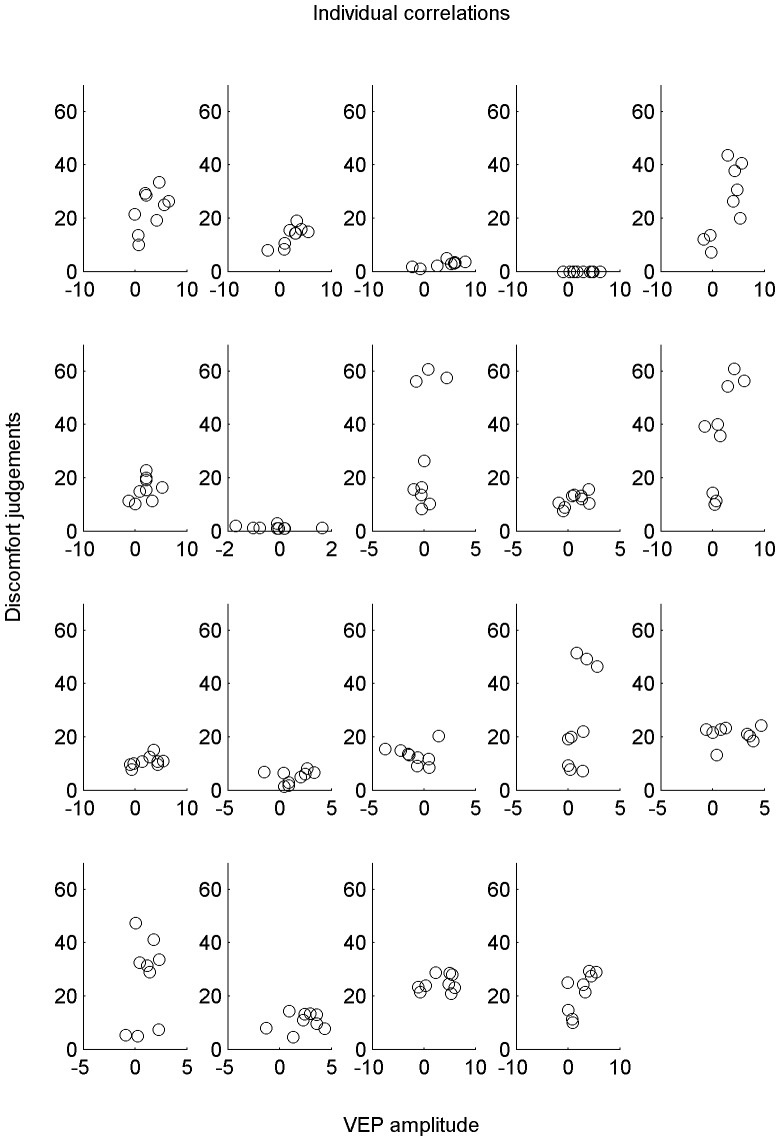
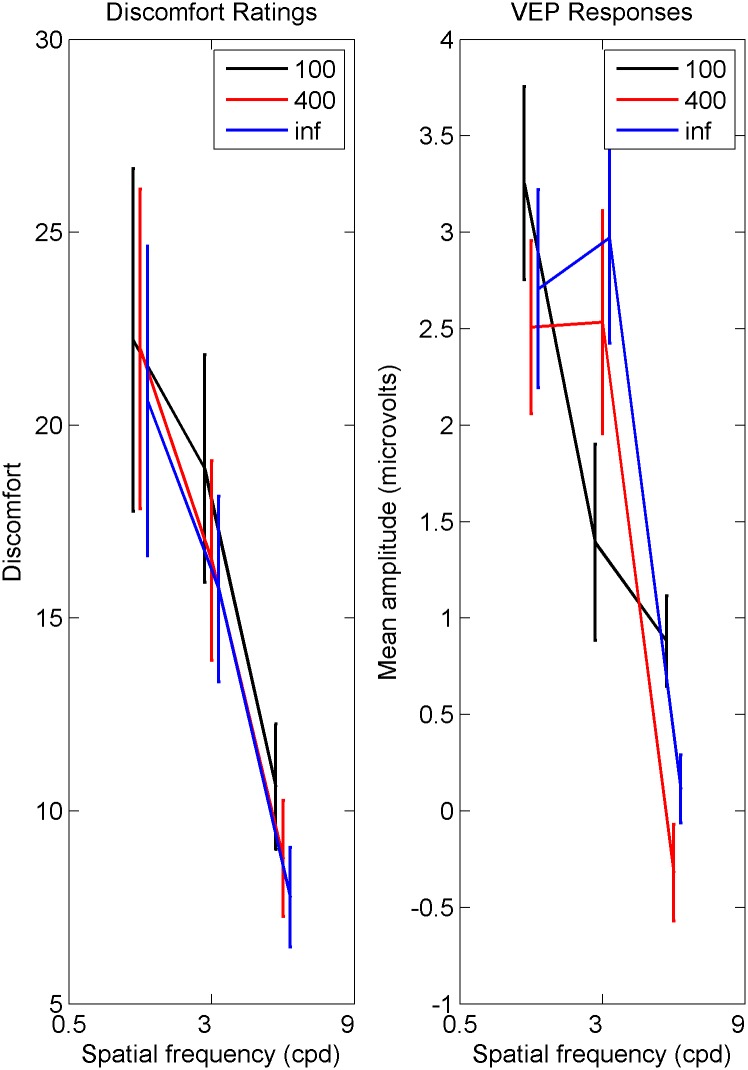
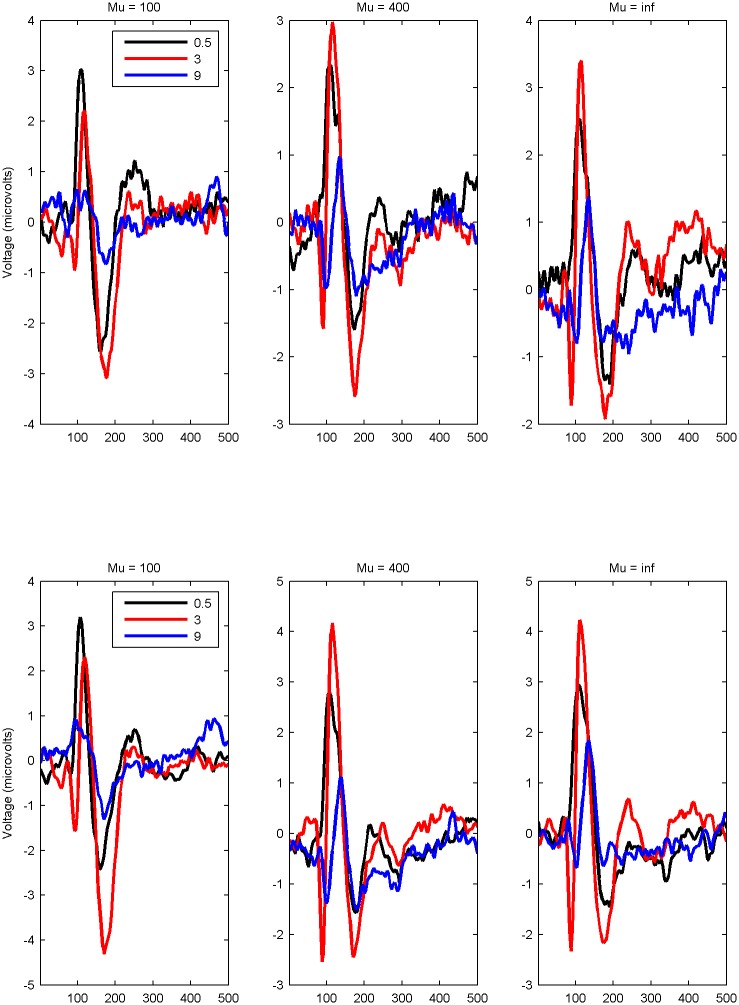
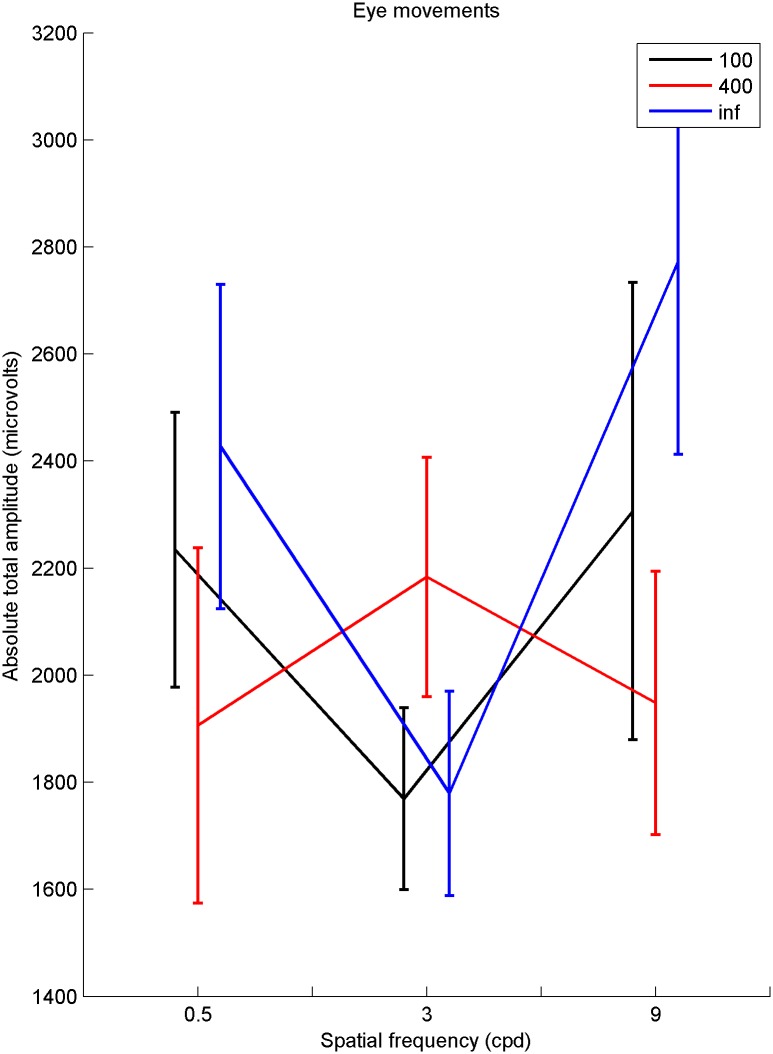
Several types of striped patterns have been reported to cause adverse sensations described as visual discomfort. Previous research using op-art-based stimuli has demonstrated that spurious eye movement signals can cause the experience of illusory motion, or shimmering effects, which might be perceived as uncomfortable. Whilst the shimmering effects are one cause of discomfort, another possible contributor to discomfort is excessive neural responses: As striped patterns do not have the statistical redundancy typical of natural images, they are perhaps unable to be encoded efficiently. If this is the case, then this should be seen in the amplitude of the EEG response. This study found that stimuli that were judged to be most comfortable were also those with the lowest EEG amplitude. This provides some support for the idea that excessive neural responses might also contribute to discomfort judgements in normal populations, in stimuli controlled for perceived contrast.
据报道,几种类型的条纹图案会引起被描述为视觉不适的不良感觉。先前使用基于欧普艺术的刺激进行的研究表明,虚假的眼球运动信号会导致虚幻运动或闪烁效果的体验,这可能会被视为不舒服。虽然闪烁效果是不适的一个原因,但另一个可能导致不适的因素是过度的神经反应:由于条纹图案不具有自然图像典型的统计冗余性,它们可能无法被有效地编码。如果是这种情况,那么这应该在脑电图反应的幅度中体现出来。这项研究发现,被判断为最舒适的刺激也是脑电图幅度最低的刺激。这为以下观点提供了一些支持,即在控制了感知对比度的刺激中,过度的神经反应也可能导致正常人群的不适判断。