Schmidt Jurema, Klingler Franca-Maria, Proschak Ewgenji, Steinhilber Dieter, Schubert-Zsilavecz Manfred, Merk Daniel
Institute of Pharmaceutical Chemistry, Goethe-University Frankfurt, Max-von-Laue-Str. 9, 60438 Frankfurt, Germany.
Sci Rep. 2015 Oct 1;5:14782. doi: 10.1038/srep14782.
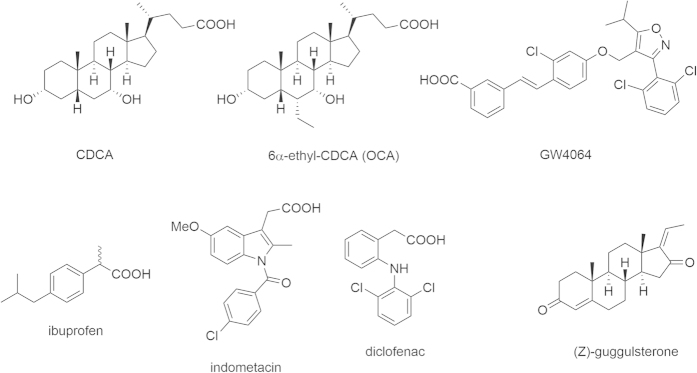
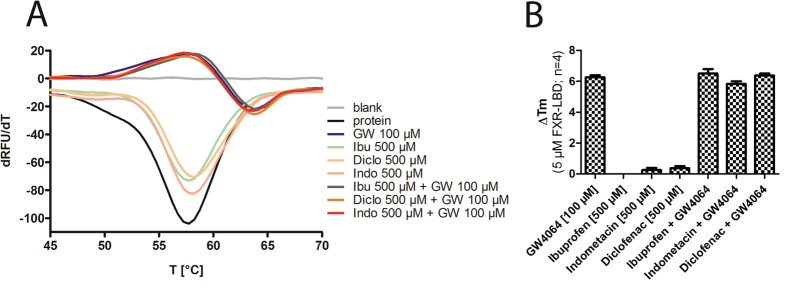
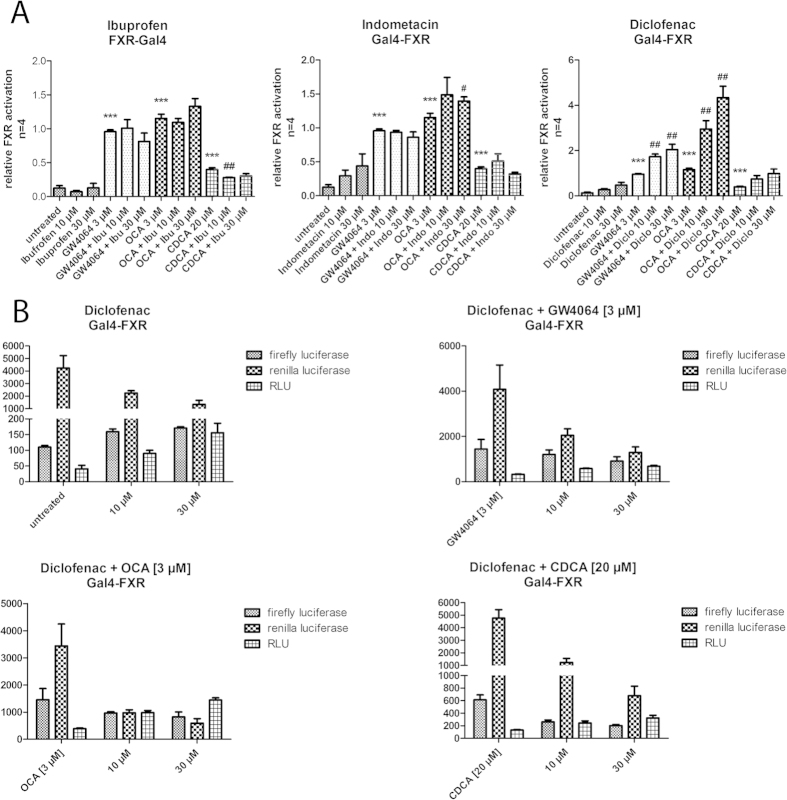
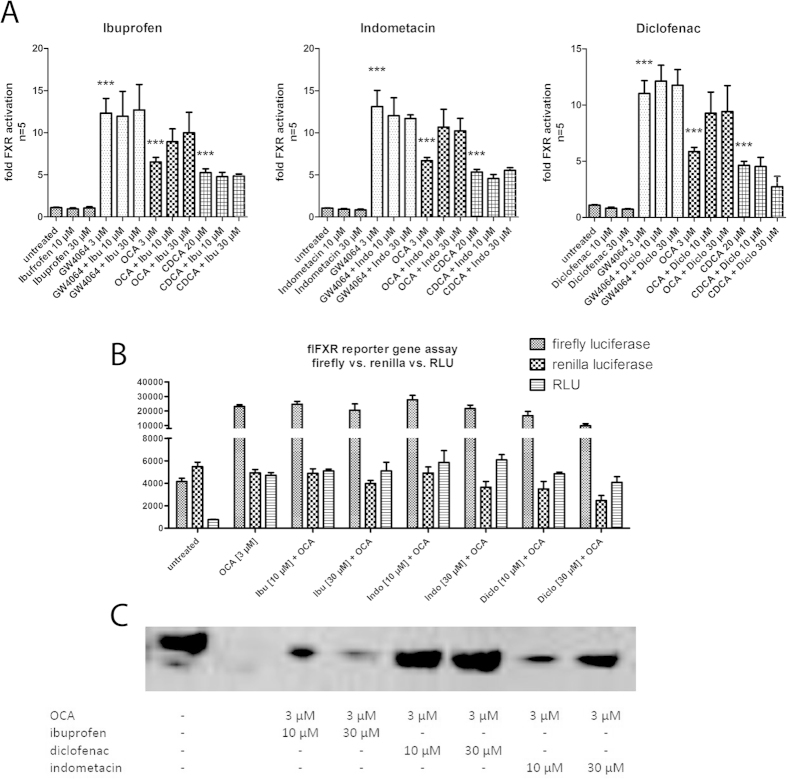
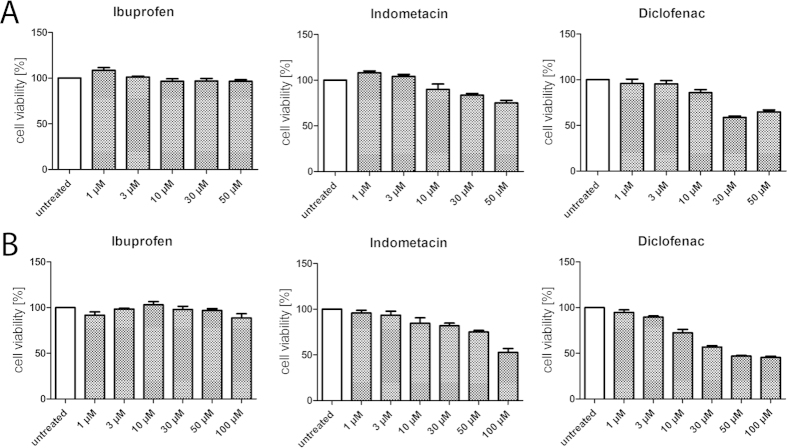
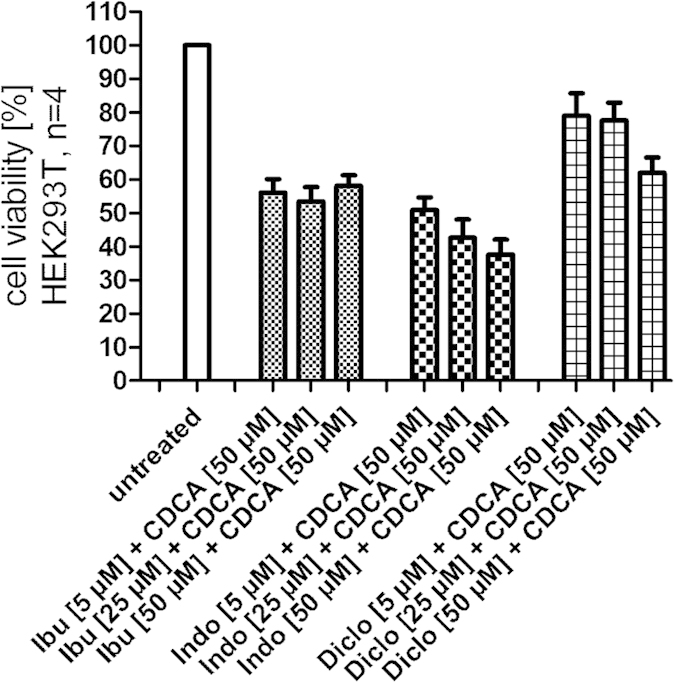
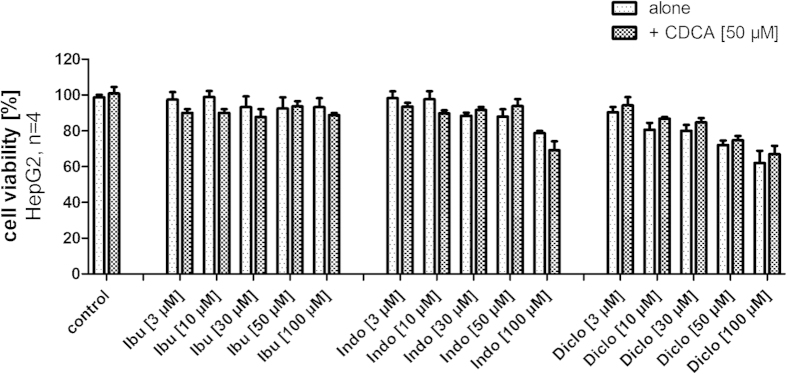
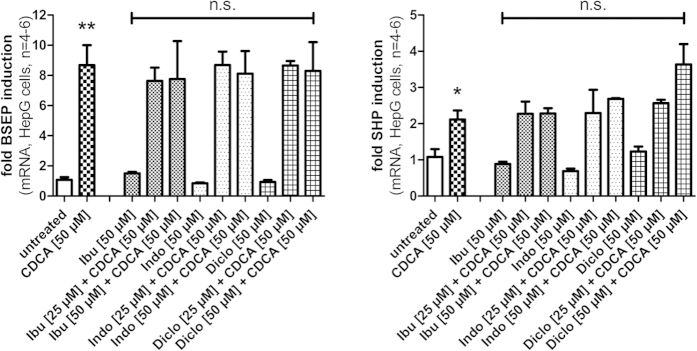
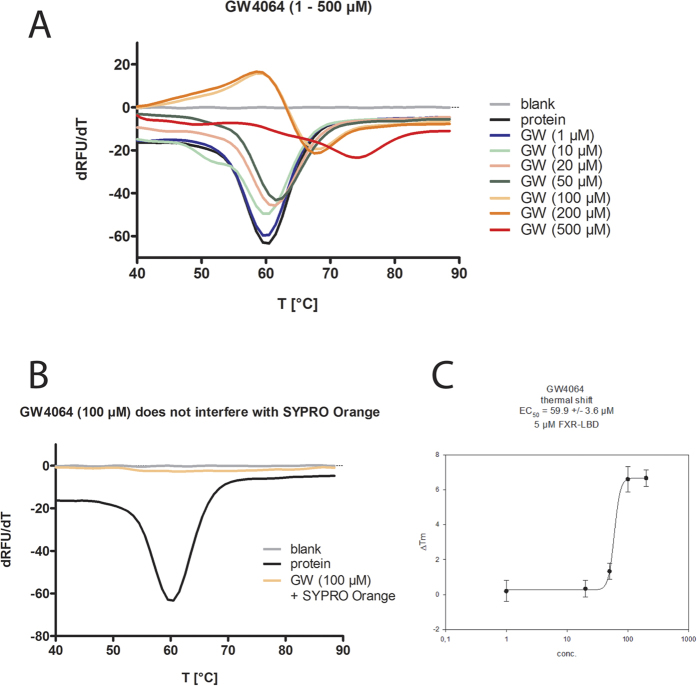
The nuclear farnesoid X receptor (FXR) is a ligand activated transcription factor and acts as cellular sensor for bile acids. In this role, FXR is a highly important liver protector and FXR inhibition by antagonists or knockout has shown several deleterious effects. A recent report characterized non-steroidal anti-rheumatic drugs (NSAIDs) such as ibuprofen or diclofenac as FXR antagonists and linked hepatotoxic effects of these drugs with antagonistic activity on FXR. Since this would guide a way to develop safer anti-inflammatory agents by sparing FXR, we intended to further characterize the reported antagonistic activity and intensively investigated ibuprofen, indometacin and diclofenac. However, we conclude that these agents do not interact with FXR and that the reported reduced FXR signaling induced by CDCA in presence of NSAIDs is merely a consequence than a cause of hepatotoxicity.
核法尼醇X受体(FXR)是一种配体激活的转录因子,作为胆汁酸的细胞传感器发挥作用。在此作用中,FXR是一种非常重要的肝脏保护因子,拮抗剂或基因敲除对FXR的抑制已显示出多种有害作用。最近的一份报告将布洛芬或双氯芬酸等非甾体抗炎药(NSAIDs)鉴定为FXR拮抗剂,并将这些药物的肝毒性作用与对FXR的拮抗活性联系起来。由于这将为通过保留FXR来开发更安全的抗炎药指明一条道路,我们打算进一步表征所报道的拮抗活性,并深入研究布洛芬、吲哚美辛和双氯芬酸。然而,我们得出的结论是,这些药物并不与FXR相互作用,并且在NSAIDs存在的情况下,所报道的由鹅去氧胆酸(CDCA)诱导的FXR信号传导降低仅仅是肝毒性的结果而非原因。