Van Kampen Jackalina M, Baranowski David C, Robertson Harold A, Shaw Christopher A, Kay Denis G
Neurodyn Inc., 550 University Ave, Charlottetown, Prince Edward Island, C1A 4P3, Canada; Dept. Biomedical Science, University of Prince Edward Island, 550 University Ave, Charlottetown, Prince Edward Island, C1A 4P3, Canada.
Neurodyn Inc., 550 University Ave, Charlottetown, Prince Edward Island, C1A 4P3, Canada.
PLoS One. 2015 Oct 6;10(10):e0139694. doi: 10.1371/journal.pone.0139694. eCollection 2015.
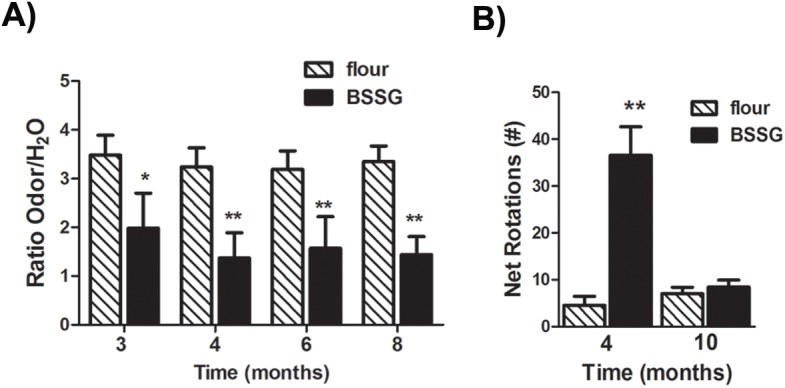
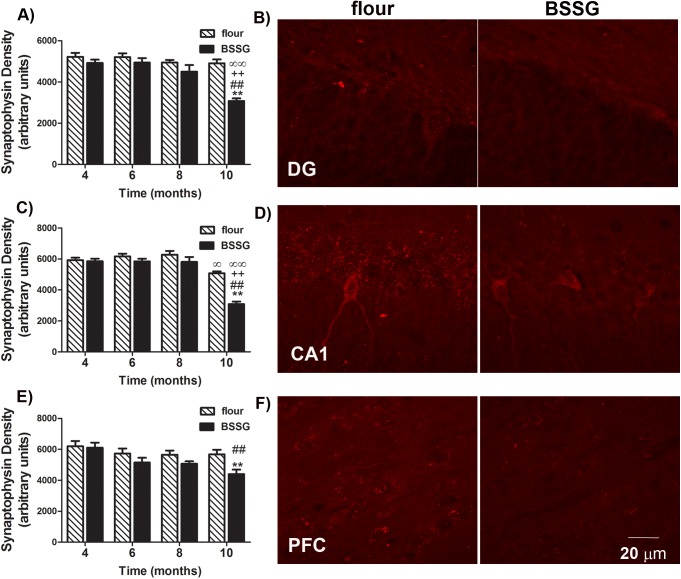
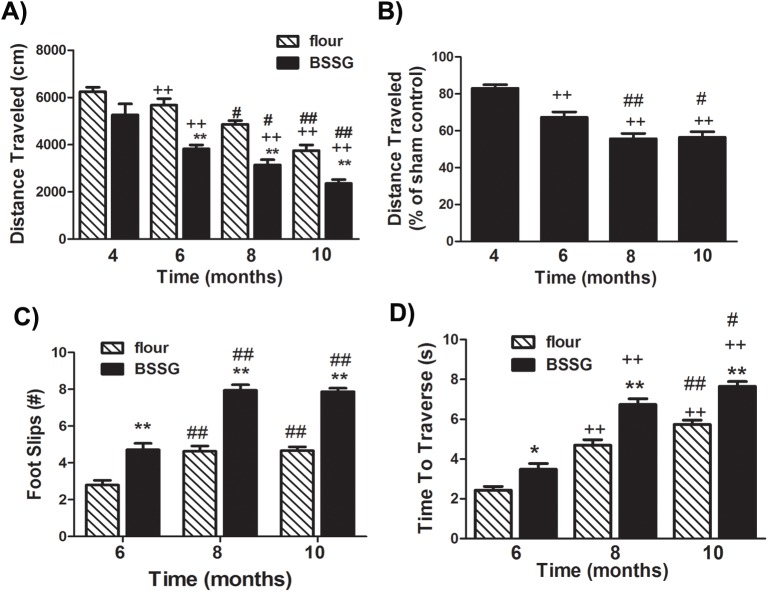
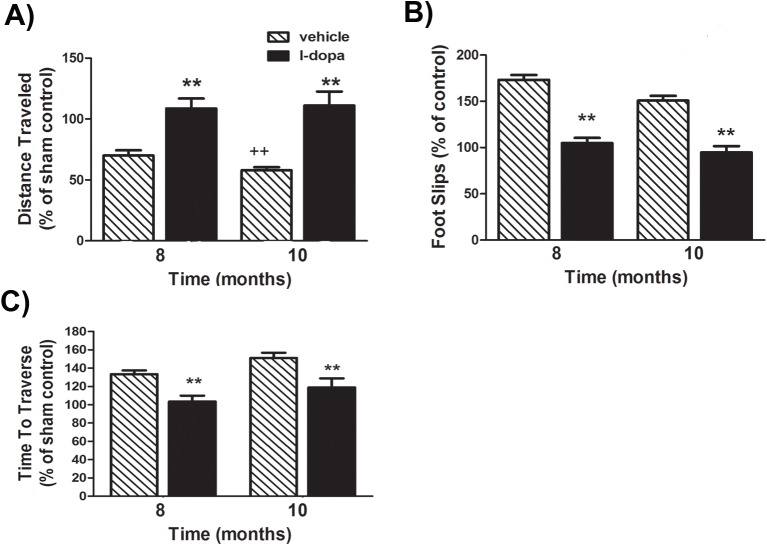
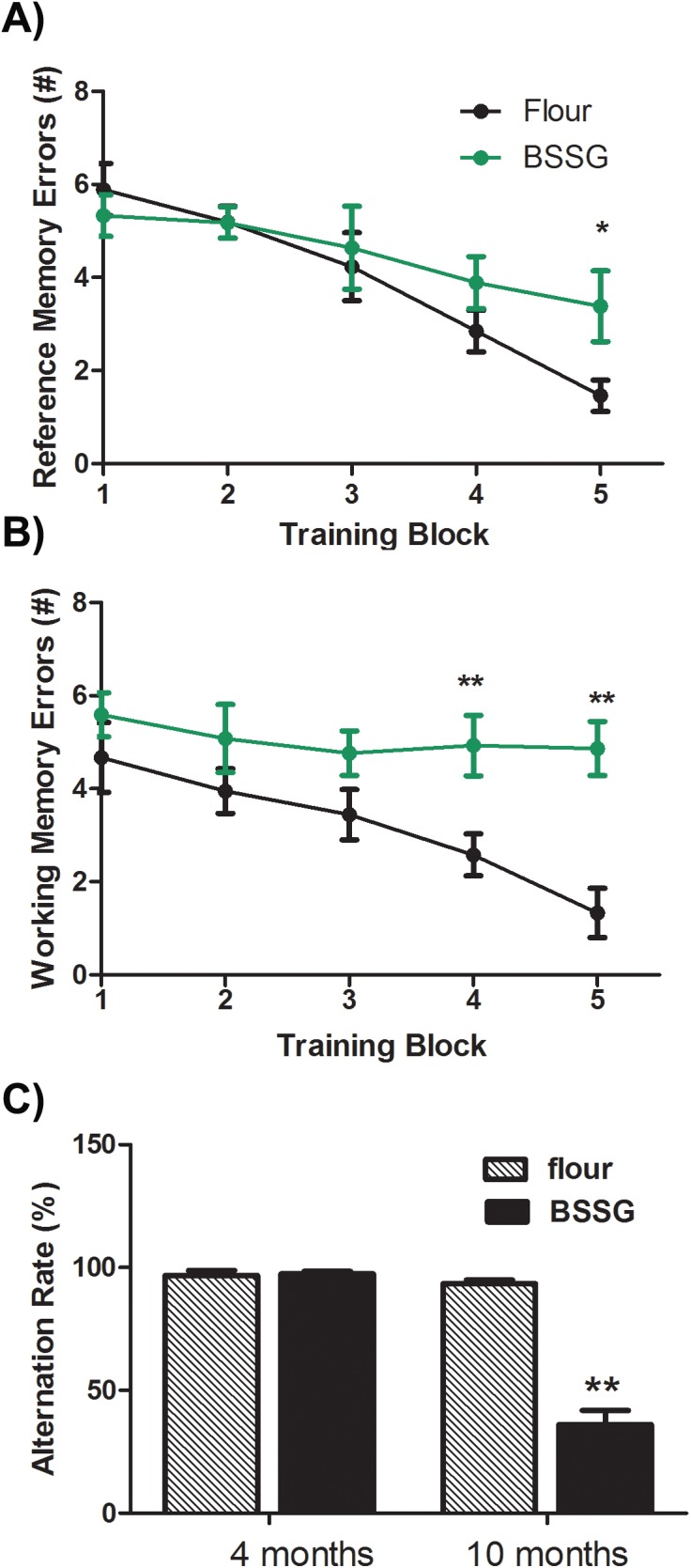
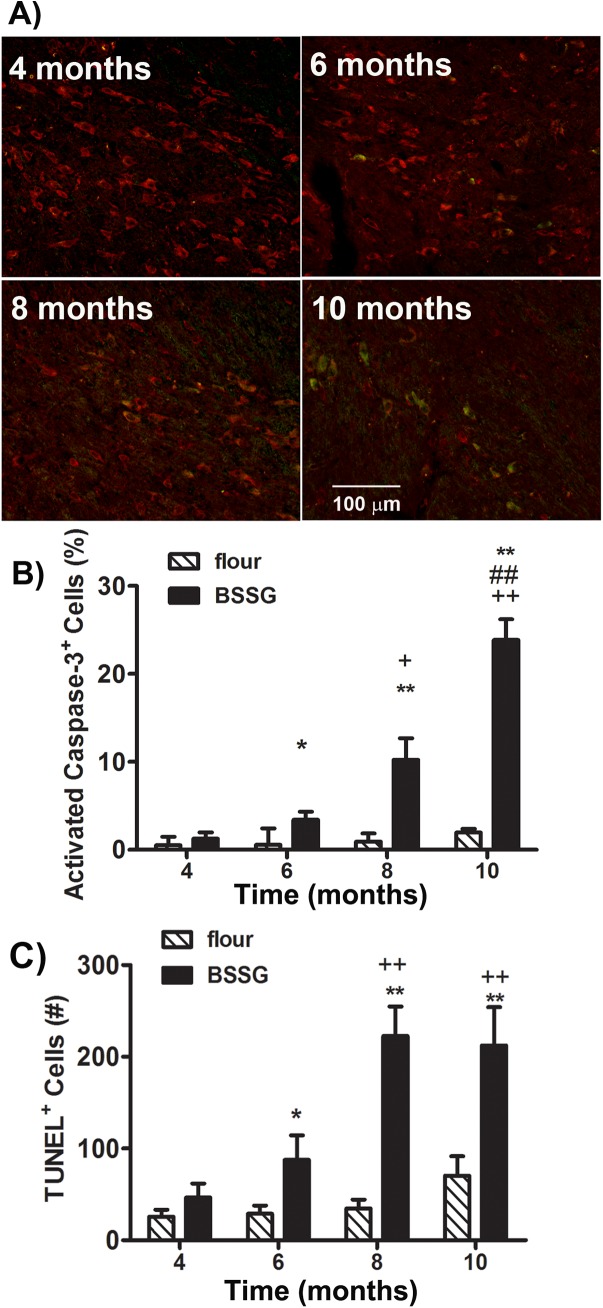
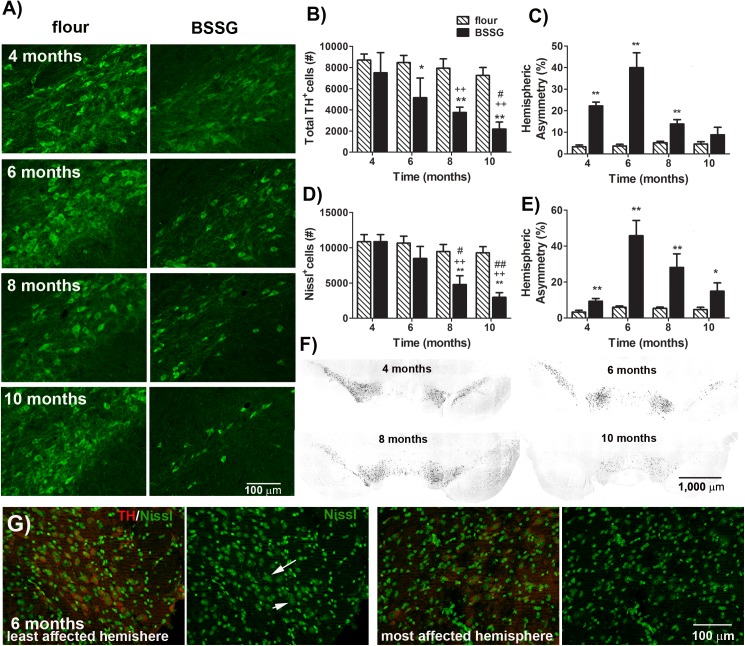
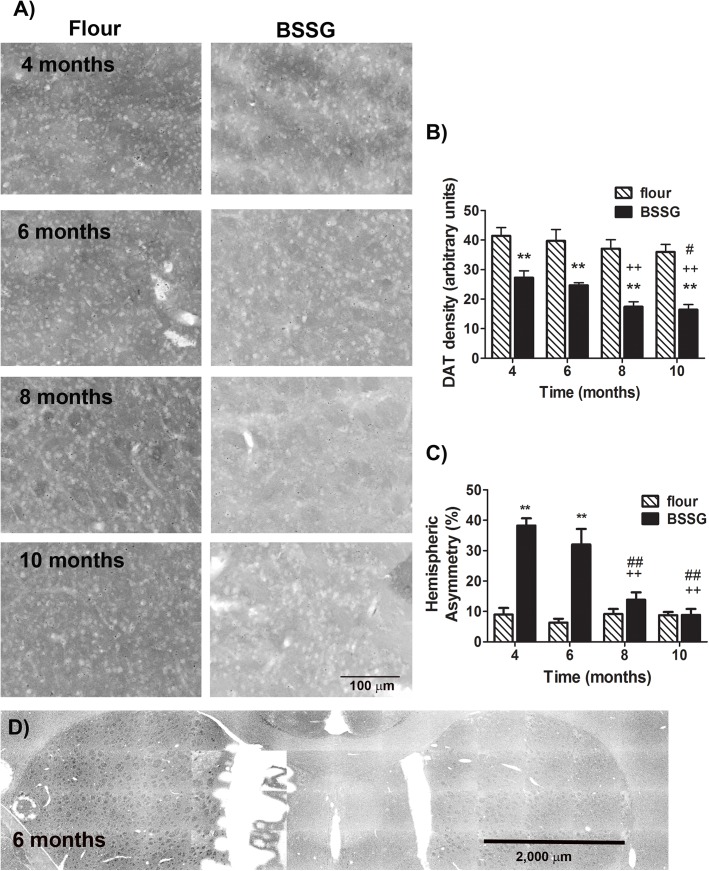
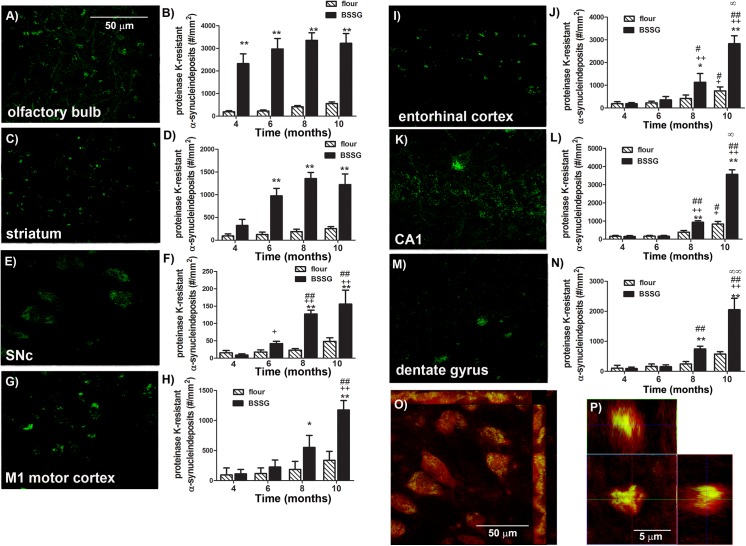
The development of effective neuroprotective therapies for Parkinson's disease (PD) has been severely hindered by the notable lack of an appropriate animal model for preclinical screening. Indeed, most models currently available are either acute in nature or fail to recapitulate all characteristic features of the disease. Here, we present a novel progressive model of PD, with behavioural and cellular features that closely approximate those observed in patients. Chronic exposure to dietary phytosterol glucosides has been found to be neurotoxic. When fed to rats, β-sitosterol β-d-glucoside (BSSG) triggers the progressive development of parkinsonism, with clinical signs and histopathology beginning to appear following cessation of exposure to the neurotoxic insult and continuing to develop over several months. Here, we characterize the progressive nature of this model, its non-motor features, the anatomical spread of synucleinopathy, and response to levodopa administration. In Sprague Dawley rats, chronic BSSG feeding for 4 months triggered the progressive development of a parkinsonian phenotype and pathological events that evolved slowly over time, with neuronal loss beginning only after toxin exposure was terminated. At approximately 3 months following initiation of BSSG exposure, animals displayed the early emergence of an olfactory deficit, in the absence of significant dopaminergic nigral cell loss or locomotor deficits. Locomotor deficits developed gradually over time, initially appearing as locomotor asymmetry and developing into akinesia/bradykinesia, which was reversed by levodopa treatment. Late-stage cognitive impairment was observed in the form of spatial working memory deficits, as assessed by the radial arm maze. In addition to the progressive loss of TH+ cells in the substantia nigra, the appearance of proteinase K-resistant intracellular α-synuclein aggregates was also observed to develop progressively, appearing first in the olfactory bulb, then the striatum, the substantia nigra and, finally, hippocampal and cortical regions. The slowly progressive nature of this model, together with its construct, face and predictive validity, make it ideal for the screening of potential neuroprotective therapies for the treatment of PD.
帕金森病(PD)有效神经保护疗法的开发因缺乏适用于临床前筛选的合适动物模型而受到严重阻碍。事实上,目前可用的大多数模型本质上都是急性的,或者无法重现该疾病的所有特征。在此,我们提出了一种新型的PD进行性模型,其行为和细胞特征与在患者中观察到的特征非常相似。已发现长期接触膳食植物甾醇糖苷具有神经毒性。当给大鼠喂食时,β-谷甾醇β-D-葡萄糖苷(BSSG)会引发帕金森病的进行性发展,临床症状和组织病理学在停止接触神经毒性损伤后开始出现,并在数月内持续发展。在此,我们描述了该模型的进行性本质、其非运动特征、突触核蛋白病的解剖学扩散以及对左旋多巴给药的反应。在Sprague Dawley大鼠中,连续4个月喂食BSSG引发了帕金森病表型和病理事件的进行性发展,这些随着时间的推移缓慢演变,神经元损失仅在毒素暴露终止后才开始。在开始接触BSSG后约3个月,动物在没有明显多巴胺能黑质细胞损失或运动缺陷的情况下出现早期嗅觉缺陷。运动缺陷随着时间的推移逐渐发展,最初表现为运动不对称,然后发展为运动不能/运动迟缓,左旋多巴治疗可逆转这种情况。通过放射状臂迷宫评估,观察到晚期以空间工作记忆缺陷形式出现的认知障碍。除了黑质中TH+细胞的进行性丧失外,还观察到蛋白酶K抗性细胞内α-突触核蛋白聚集体的出现也在进行性发展,首先出现在嗅球,然后是纹状体、黑质,最后是海马和皮质区域。该模型的缓慢进行性本质及其构建、表面和预测有效性使其成为筛选治疗PD潜在神经保护疗法的理想模型。