Yang Shuping, Zhang Lin, Purohit Vinee, Shukla Surendra K, Chen Xingcheng, Yu Fang, Fu Kai, Chen Yuanhong, Solheim Joyce, Singh Pankaj K, Song Wei, Dong Jixin
Department of Oncology, Shandong Provincial Hospital affiliated with Shandong University, Jinan, Shandong, P. R. China.
Eppley Institute for Research in Cancer, Fred and Pamela Buffett Cancer Center, Omaha, NE, USA.
Oncotarget. 2015 Nov 3;6(34):36019-31. doi: 10.18632/oncotarget.5935.
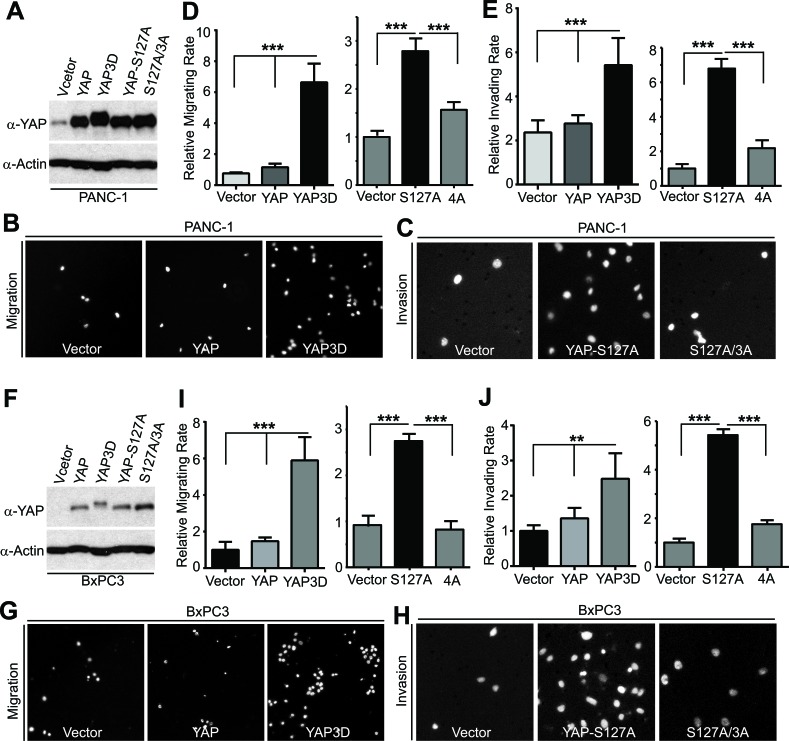
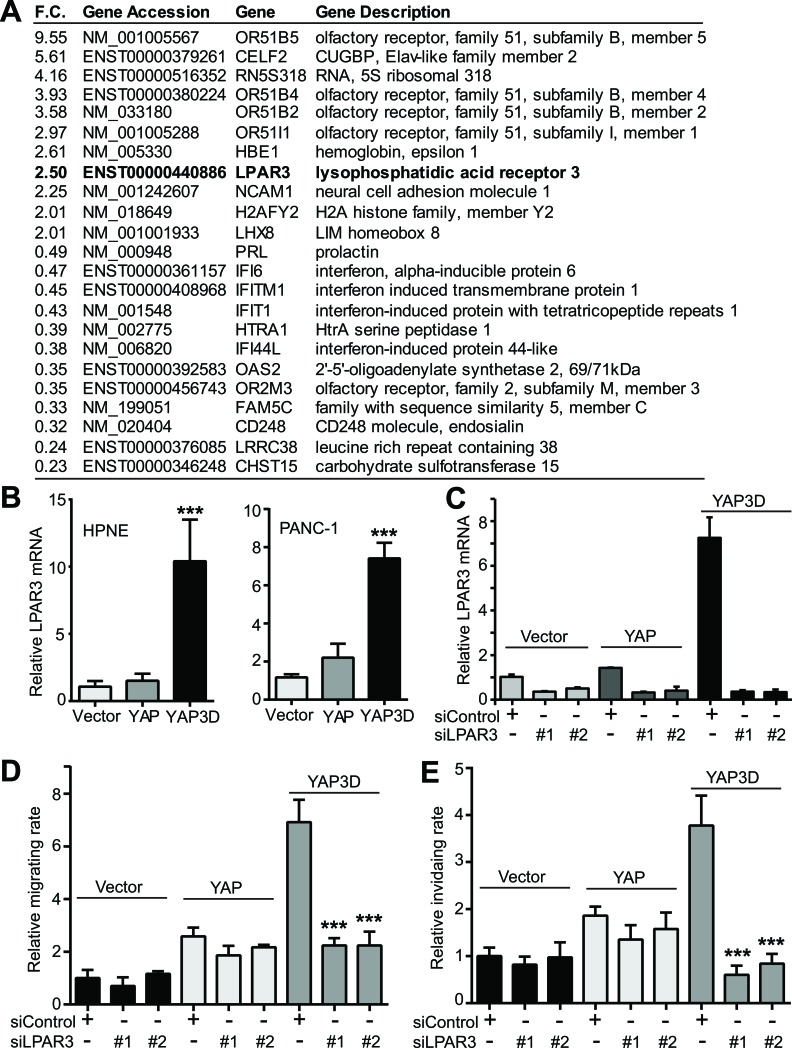
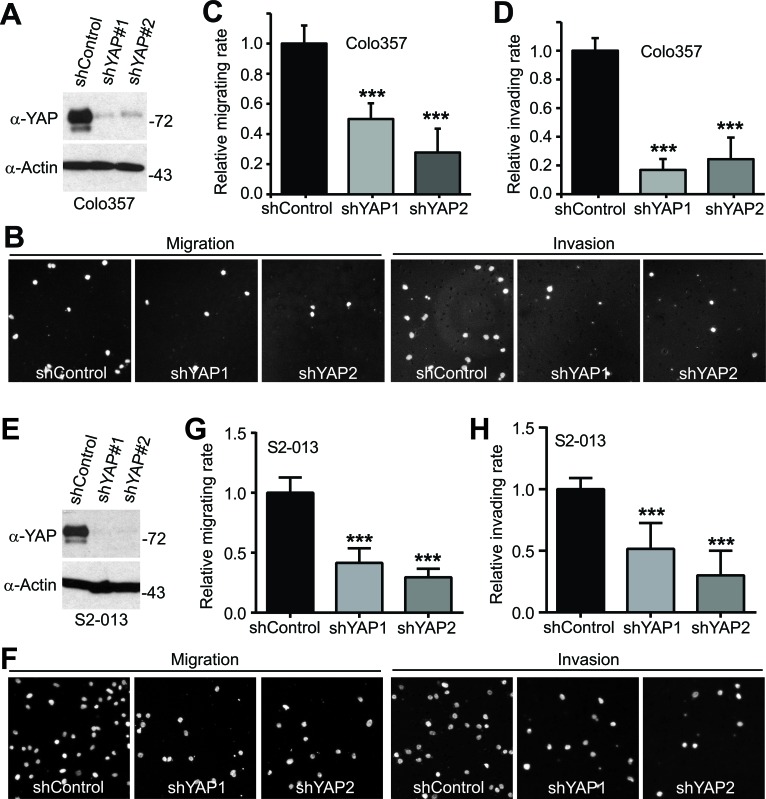
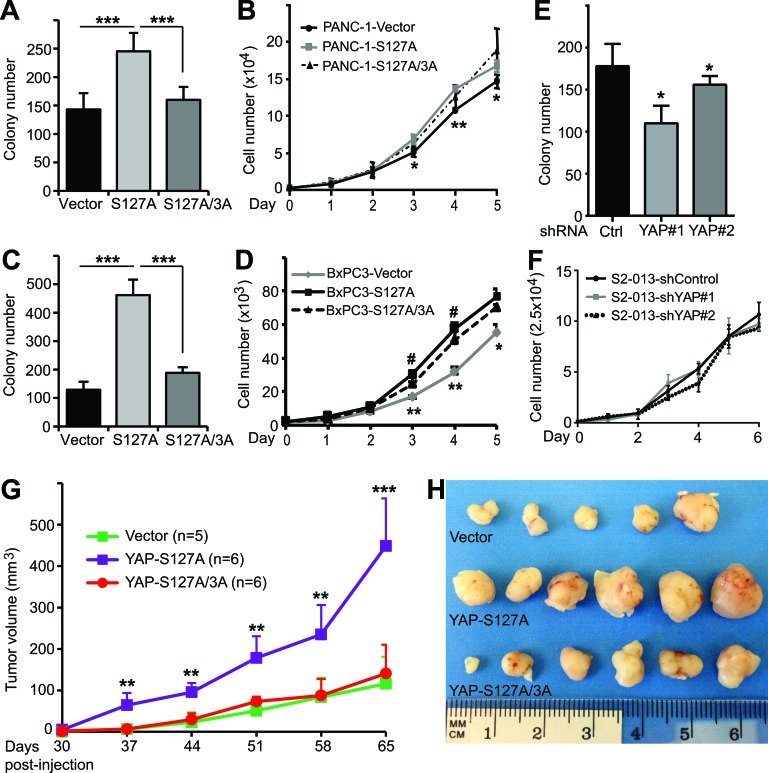
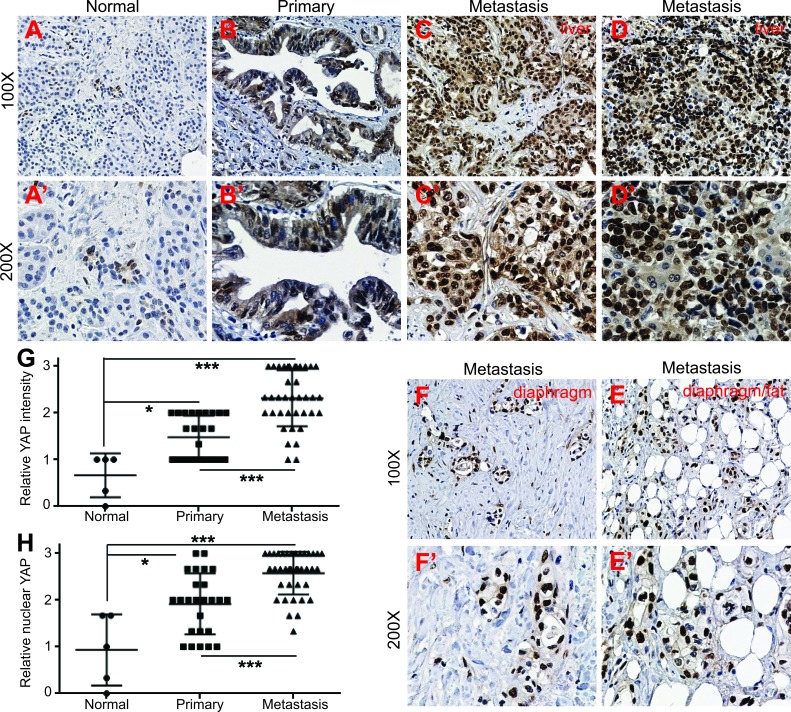
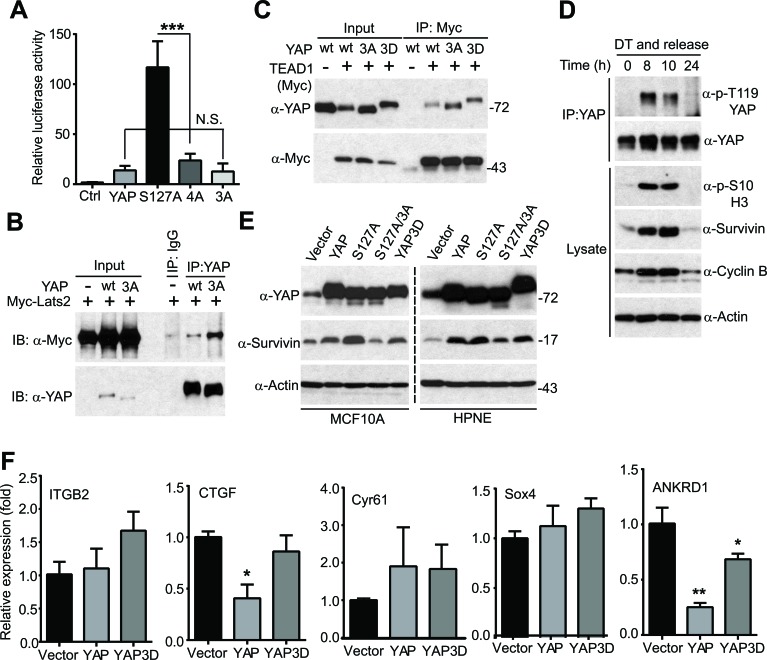
The transcriptional co-activator Yes-associated protein, YAP, is a main effector in the Hippo tumor suppressor pathway. We recently defined a mechanism for positive regulation of YAP through CDK1-mediated mitotic phosphorylation. Here, we show that active YAP promotes pancreatic cancer cell migration, invasion and anchorage-independent growth in a mitotic phosphorylation-dependent manner. Mitotic phosphorylation is essential for YAP-driven tumorigenesis in animals. YAP reduction significantly impairs cell migration and invasion. Immunohistochemistry shows significant upregulation and nuclear localization of YAP in metastases when compared with primary tumors and normal tissue in human. Mitotic phosphorylation of YAP controls a unique transcriptional program in pancreatic cells. Expression profiles reveal LPAR3 (lysophosphatidic acid receptor 3) as a mediator for mitotic phosphorylation-driven pancreatic cell motility and invasion. Together, this work identifies YAP as a novel regulator of pancreatic cancer cell motility, invasion and metastasis, and as a potential therapeutic target for invasive pancreatic cancer.
转录共激活因子Yes相关蛋白(YAP)是Hippo肿瘤抑制通路中的主要效应因子。我们最近确定了一种通过细胞周期蛋白依赖性激酶1(CDK1)介导的有丝分裂磷酸化对YAP进行正向调节的机制。在此,我们表明活性YAP以有丝分裂磷酸化依赖性方式促进胰腺癌细胞的迁移、侵袭和非锚定依赖性生长。有丝分裂磷酸化对于YAP驱动的动物肿瘤发生至关重要。YAP的减少显著损害细胞迁移和侵袭。免疫组织化学显示,与人类原发性肿瘤和正常组织相比,YAP在转移灶中显著上调并定位于细胞核。YAP的有丝分裂磷酸化控制胰腺细胞中独特的转录程序。表达谱显示溶血磷脂酸受体3(LPAR3)是有丝分裂磷酸化驱动的胰腺细胞运动和侵袭的介质。总之,这项研究确定YAP是胰腺癌细胞运动、侵袭和转移的新型调节因子,也是侵袭性胰腺癌的潜在治疗靶点。