Jorns C, Nowak G, Nemeth A, Zemack H, Mörk L-M, Johansson H, Gramignoli R, Watanabe M, Karadagi A, Alheim M, Hauzenberger D, van Dijk R, Bosma P J, Ebbesen F, Szakos A, Fischler B, Strom S, Ellis E, Ericzon B-G
Department of Clinical Science, Intervention and Technology (CLINTEC), Division of Transplantation Surgery, Karolinska Institute, Karolinska University Hospital Huddinge, Stockholm, Sweden.
Division of Pediatrics, Karolinska Institute, Karolinska University Hospital Huddinge, Stockholm, Sweden.
Am J Transplant. 2016 Mar;16(3):1021-30. doi: 10.1111/ajt.13487. Epub 2015 Nov 2.
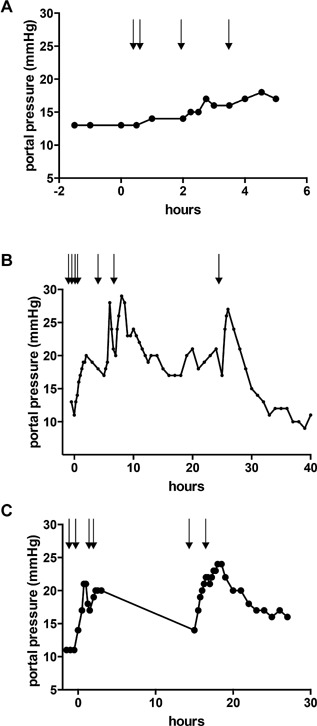
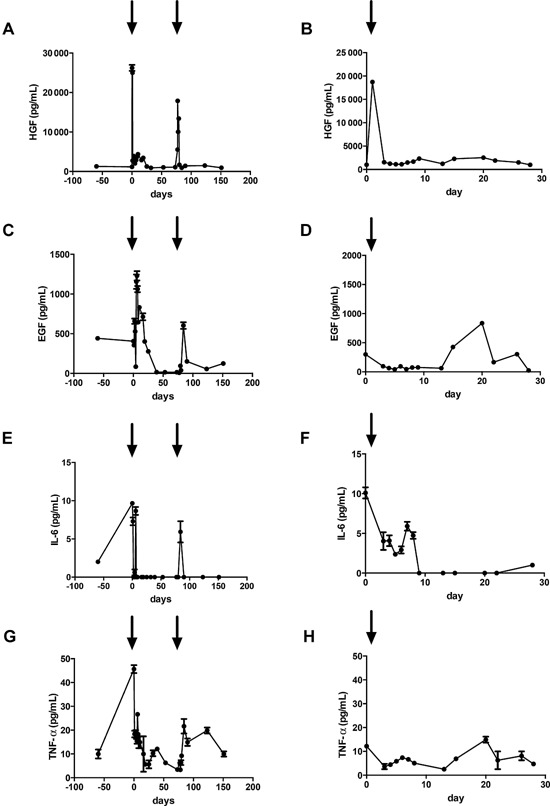
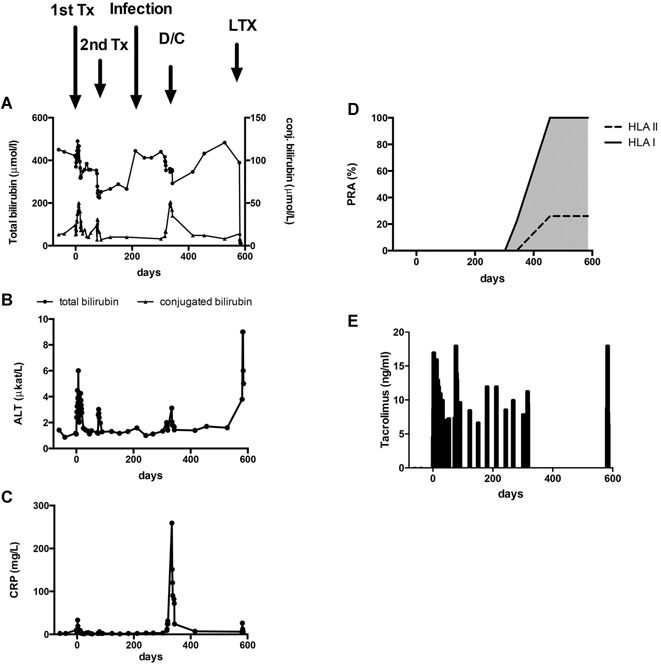
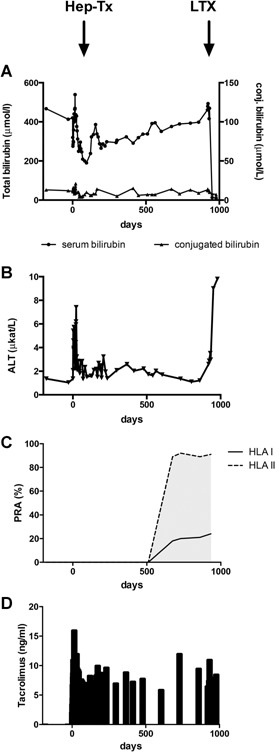
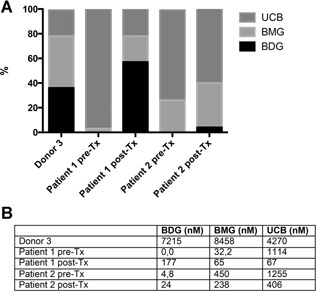
Clinical hepatocyte transplantation is hampered by low engraftment rates and gradual loss of function resulting in incomplete correction of the underlying disease. Preconditioning with partial hepatectomy improves engraftment in animal studies. Our aim was to study safety and efficacy of partial hepatectomy preconditioning in clinical hepatocyte transplantation. Two patients with Crigler-Najjar syndrome type I underwent liver resection followed by hepatocyte transplantation. A transient increase of hepatocyte growth factor was seen, suggesting that this procedure provides a regenerative stimulus. Serum bilirubin was decreased by 50%, and presence of bilirubin glucuronides in bile confirmed graft function in both cases; however, graft function was lost due to discontinuation of immunosuppressive therapy in one patient. In the other patient, serum bilirubin gradually increased to pretransplant concentrations after ≈600 days. In both cases, loss of graft function was temporally associated with emergence of human leukocyte antigen donor-specific antibodies (DSAs). In conclusion, partial hepatectomy in combination with hepatocyte transplantation was safe and induced a robust release of hepatocyte growth factor, but its efficacy on hepatocyte engraftment needs to be evaluated with additional studies. To our knowledge, this study provides the first description of de novo DSAs after hepatocyte transplantation associated with graft loss.
临床肝细胞移植受到低植入率和功能逐渐丧失的阻碍,导致潜在疾病无法得到完全纠正。在动物研究中,部分肝切除预处理可提高植入率。我们的目的是研究部分肝切除预处理在临床肝细胞移植中的安全性和有效性。两名I型克里格勒-纳贾尔综合征患者接受了肝切除,随后进行了肝细胞移植。观察到肝细胞生长因子短暂升高,表明该手术提供了再生刺激。两名患者的血清胆红素均降低了50%,胆汁中胆红素葡萄糖醛酸苷的存在证实了移植功能;然而,其中一名患者因停用免疫抑制治疗而失去了移植功能。在另一名患者中,血清胆红素在约600天后逐渐升高至移植前浓度。在这两个病例中,移植功能丧失在时间上与人类白细胞抗原供体特异性抗体(DSA)的出现相关。总之,部分肝切除联合肝细胞移植是安全的,并能诱导肝细胞生长因子大量释放,但其对肝细胞植入的疗效需要通过更多研究进行评估。据我们所知,本研究首次描述了肝细胞移植后与移植物丢失相关的新发DSA。