Kumar Rajnish, Nordberg Agneta, Darreh-Shori Taher
1 Centre for Alzheimer Research, Department of Neurobiology, Care Sciences and Society, Division of Translational Alzheimer Neurobiology, Karolinska Institutet, NOVUM, 4th Floor, 141 86 Stockholm, Sweden.
1 Centre for Alzheimer Research, Department of Neurobiology, Care Sciences and Society, Division of Translational Alzheimer Neurobiology, Karolinska Institutet, NOVUM, 4th Floor, 141 86 Stockholm, Sweden 2 Department of Geriatric Medicine, Karolinska University Hospital Huddinge, Stockholm.
Brain. 2016 Jan;139(Pt 1):174-92. doi: 10.1093/brain/awv318. Epub 2015 Nov 2.
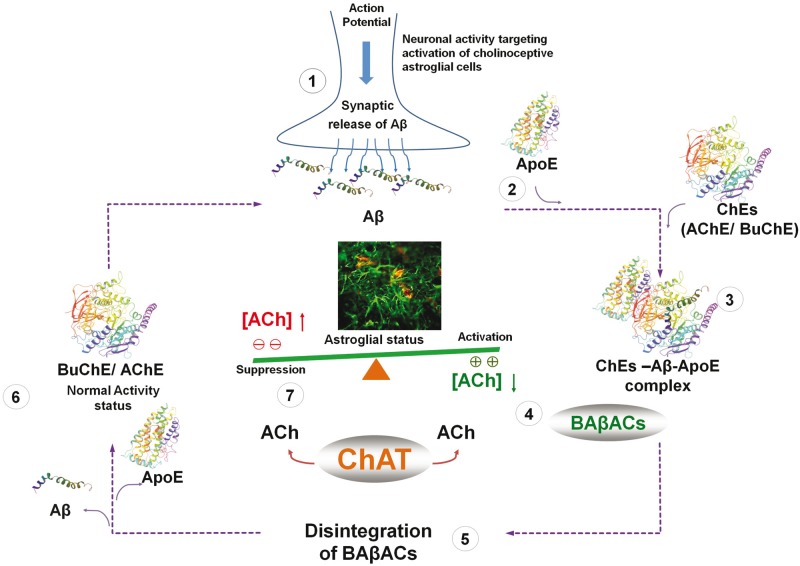
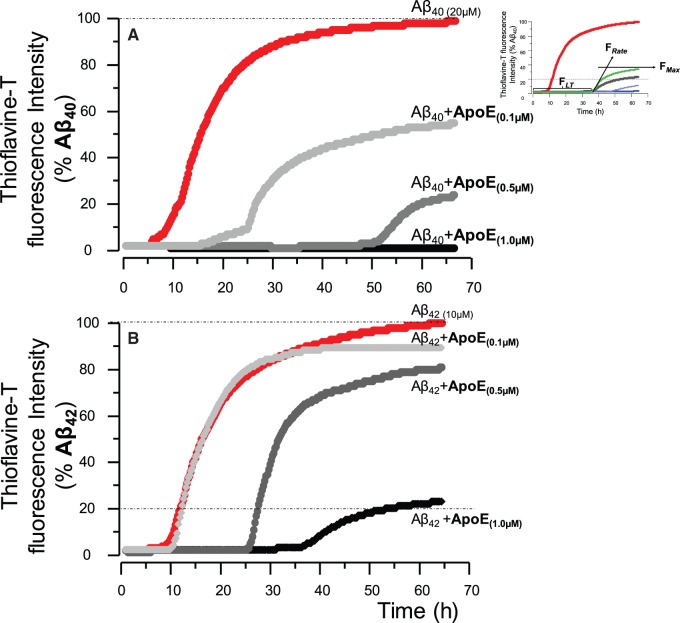
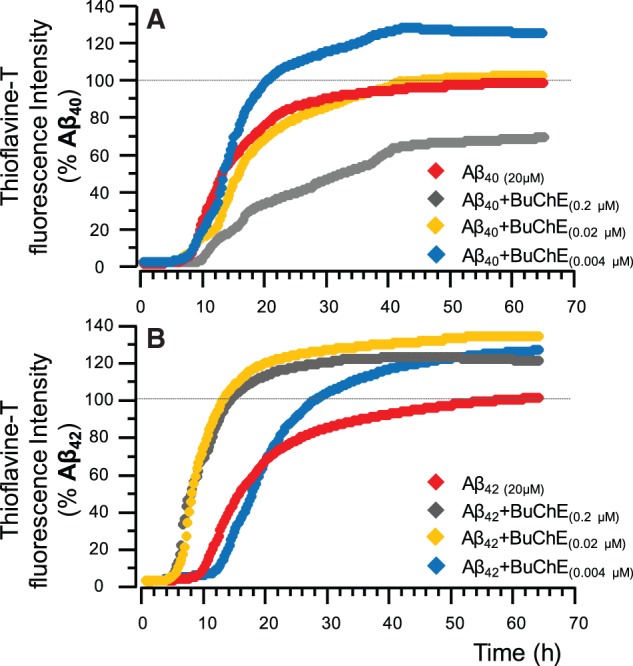
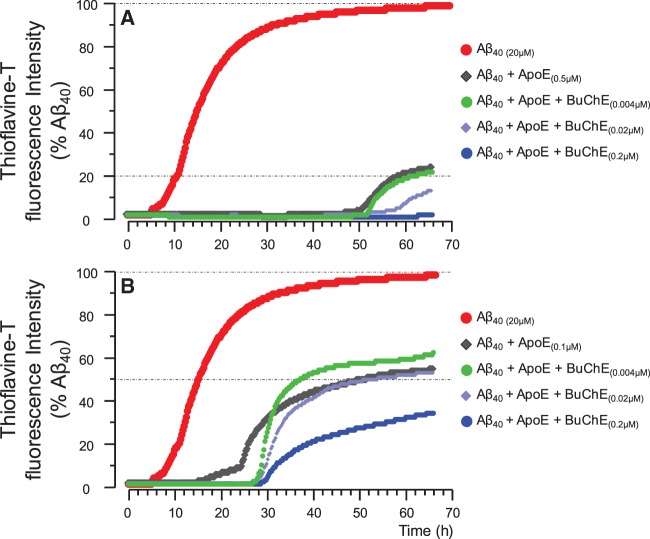
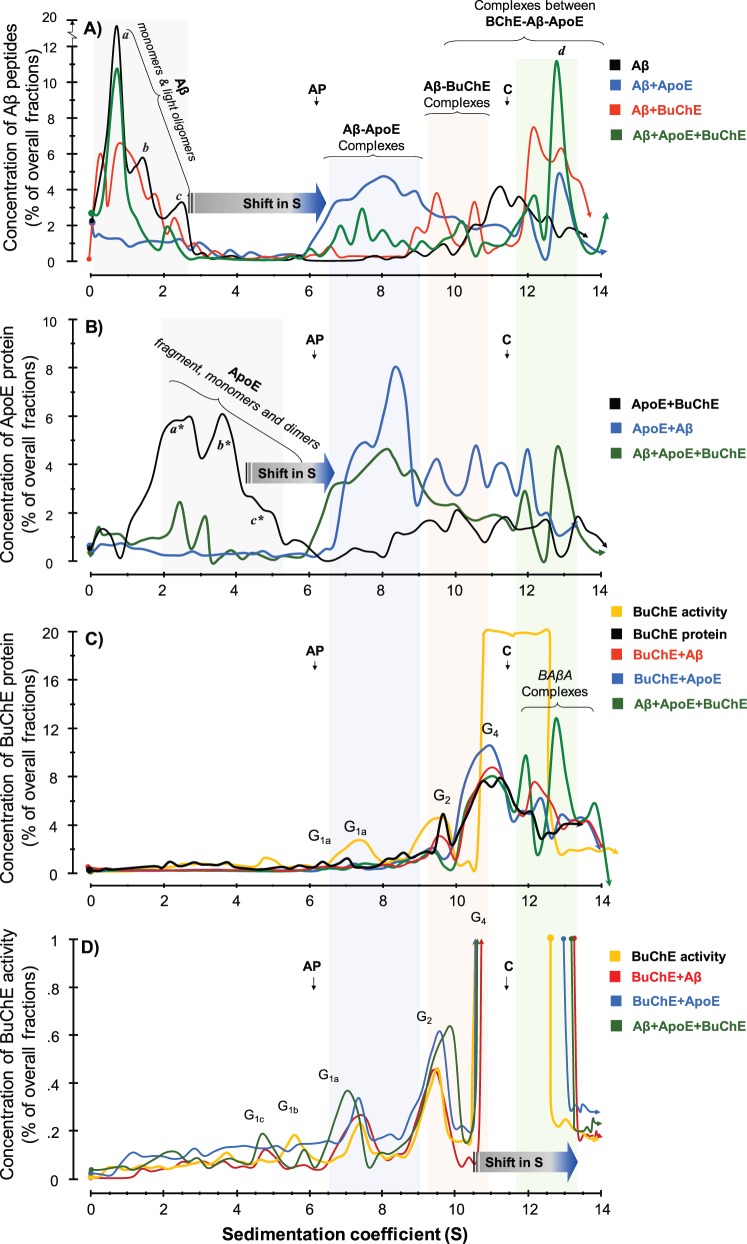
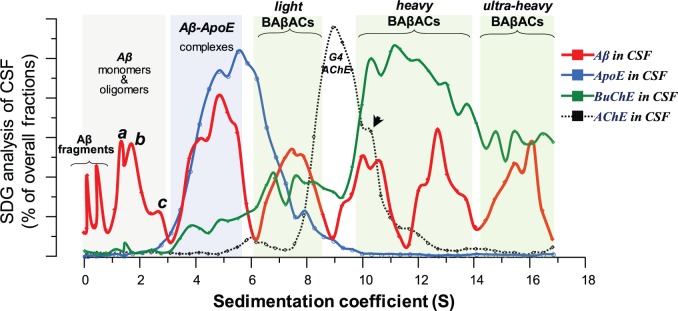
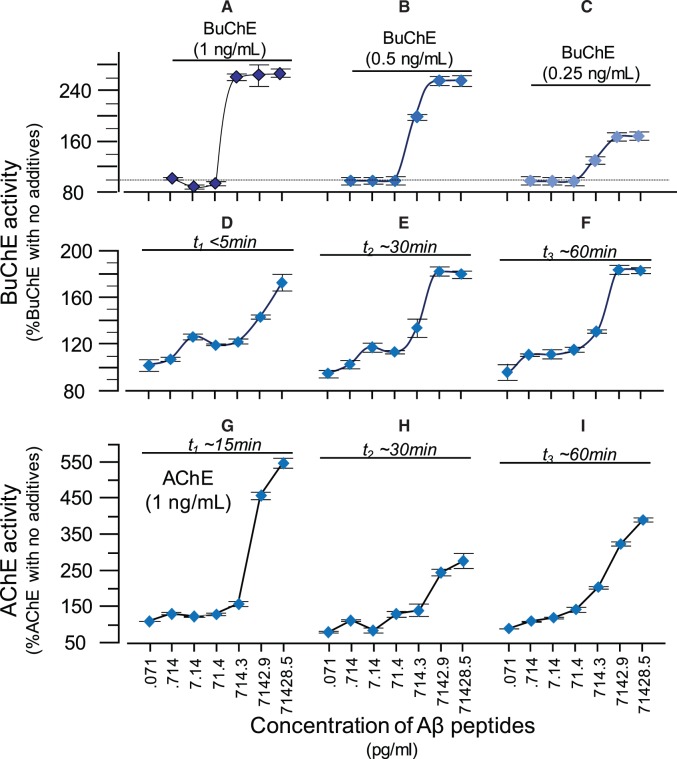
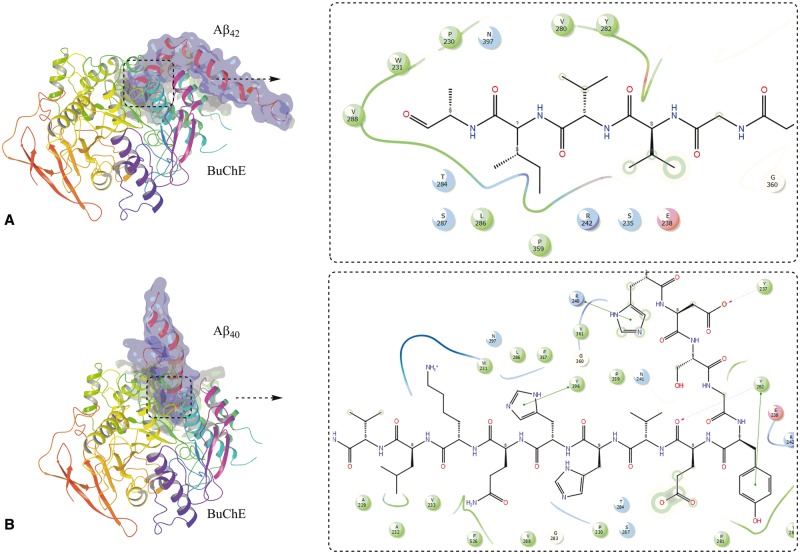
Amyloid-β peptides, through highly sophisticated enzymatic machinery, are universally produced and released in an action potential synchronized manner into the interstitial fluids in the brain. Yet no native functions are attributed to amyloid-β. The amyloid-β hypothesis ascribes just neurotoxicity properties through build-up of soluble homomeric amyloid-β oligomers or fibrillar deposits. Apolipoprotein-ε4 (APOE4) allele is the only confirmed genetic risk factor of sporadic Alzheimer's disease; once more it is unclear how it increases the risk of Alzheimer's disease. Similarly, central cholinergic signalling is affected selectively and early in the Alzheimer's disease brain, again why cholinergic neurons show this sensitivity is still unclear. However, the three main known Alzheimer's disease risk factors, advancing age, female gender and APOE4, have been linked to a high apolipoprotein-E and accumulation of the acetylcholine degrading enzyme, butyrylcholinesterase in cerebrospinal fluids of patients. Furthermore, numerous reports indicate that amyloid-β interacts with butyrylcholinesterase and apolipoprotein-E. We have proposed that this interaction leads to formation of soluble ultrareactive acetylcholine-hydrolyzing complexes termed BAβACs, to adjust at demand both synaptic and extracellular acetylcholine signalling. This hypothesis predicted presence of acetylcholine-synthesizing enzyme, choline acetyltransferase in extracellular fluids to allow maintenance of equilibrium between breakdown and synthesis of acetylcholine through continuous in situ syntheses. A recent proof-of-concept study led to the discovery of this enzyme in the human extracellular fluids. We report here that apolipoprotein-E, in particular ε4 isoprotein acts as one of the strongest endogenous anti-amyloid-β fibrillization agents reported in the literature. At biological concentrations, apolipoprotein-E prevented amyloid-β fibrillization for at least 65 h. We show that amyloid-β interacts readily in an apolipoprotein-facilitated manner with butyrylcholinesterase, forming highly stable and soluble complexes, BAβACs, which can be separated in their native states by sucrose density gradient technique. Enzymological analyses further evinced that amyloid-β concentration dependently increased the acetylcholine-hydrolyzing capacity of cholinesterases. In silico biomolecular analysis further deciphered the allosteric amino acid fingerprint of the amyloid-β-cholinesterase molecular interaction in formation of BAβACs. In the case of butyrylcholinesterase, the results indicated that amyloid-β interacts with a putative activation site at the mouth of its catalytic tunnel, most likely leading to increased acetylcholine influx into the catalytic site, and thereby increasing the intrinsic catalytic rate of butyrylcholinesterase. In conclusion, at least one of the native physiological functions of amyloid-β is allosteric modulation of the intrinsic catalytic efficiency of cholinesterases, and thereby regulation of synaptic and extrasynaptic cholinergic signalling. High apolipoprotein-E may pathologically alter the biodynamics of this amyloid-β function.
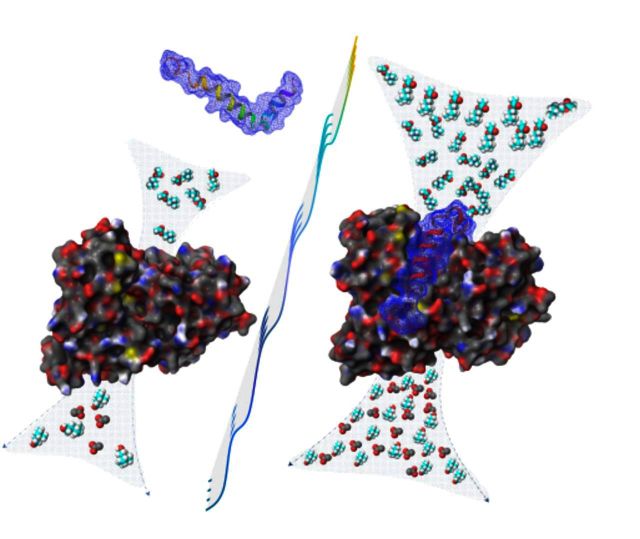
β淀粉样肽通过高度复杂的酶促机制,以动作电位同步的方式普遍产生并释放到脑间质液中。然而,β淀粉样肽并没有被赋予任何天然功能。β淀粉样肽假说仅通过可溶性同聚β淀粉样寡聚体或纤维状沉积物的积累来归因于神经毒性特性。载脂蛋白ε4(APOE4)等位基因是散发性阿尔茨海默病唯一已证实的遗传风险因素;同样,目前尚不清楚它是如何增加患阿尔茨海默病风险的。类似地,中枢胆碱能信号在阿尔茨海默病大脑中被选择性地且早期地影响,同样,胆碱能神经元为何表现出这种敏感性仍不清楚。然而,已知的三个主要阿尔茨海默病风险因素,即年龄增长、女性性别和APOE4,已与患者脑脊液中载脂蛋白E水平升高以及乙酰胆碱降解酶丁酰胆碱酯酶的积累有关。此外,大量报告表明β淀粉样肽与丁酰胆碱酯酶和载脂蛋白E相互作用。我们提出这种相互作用导致形成可溶性超活性乙酰胆碱水解复合物,称为BAβACs,以根据需要调节突触和细胞外乙酰胆碱信号。这一假说预测细胞外液中存在乙酰胆碱合成酶胆碱乙酰转移酶,以通过连续原位合成维持乙酰胆碱分解与合成之间的平衡。最近一项概念验证研究导致在人体细胞外液中发现了这种酶。我们在此报告,载脂蛋白E,特别是ε4同工型,是文献中报道的最强的内源性抗β淀粉样肽纤维化剂之一。在生物学浓度下,载脂蛋白E可防止β淀粉样肽纤维化至少65小时。我们表明,β淀粉样肽以载脂蛋白促进的方式与丁酰胆碱酯酶容易相互作用,形成高度稳定且可溶的复合物BAβACs,其可以通过蔗糖密度梯度技术在其天然状态下分离。酶学分析进一步表明,β淀粉样肽浓度依赖性地增加胆碱酯酶的乙酰胆碱水解能力。计算机模拟生物分子分析进一步解读了在形成BAβACs过程中β淀粉样肽 - 胆碱酯酶分子相互作用的变构氨基酸指纹。就丁酰胆碱酯酶而言,结果表明β淀粉样肽与其催化通道口处的一个假定激活位点相互作用,最有可能导致乙酰胆碱流入催化位点增加,从而提高丁酰胆碱酯酶的内在催化速率。总之,β淀粉样肽的至少一种天然生理功能是变构调节胆碱酯酶的内在催化效率,从而调节突触和突触外胆碱能信号。高载脂蛋白E可能在病理上改变这种β淀粉样肽功能的生物动力学。