College of Medicine, The Ohio State University, Columbus, Ohio, USA.
OSU Sports Medicine, The Ohio State University, Columbus, Ohio, USA. ; Sports Health & Performance Institute, The Ohio State University, Columbus, Ohio, USA. ; Department of Family Medicine, The Ohio State University, Columbus, Ohio, USA.
Orthop J Sports Med. 2014 Jan 21;2(1):2325967113518181. doi: 10.1177/2325967113518181. eCollection 2014 Jan.
Men's ice hockey allows for body checking, and women's ice hockey prohibits it. Studies have reported injury data on both sexes, but no systematic reviews have compared the injury patterns between male and female ice hockey players.
Men's and women's ice hockey would have different types of injuries, and this difference would extend across the different age groups and levels of play.
Systematic review; Level of evidence, 4.
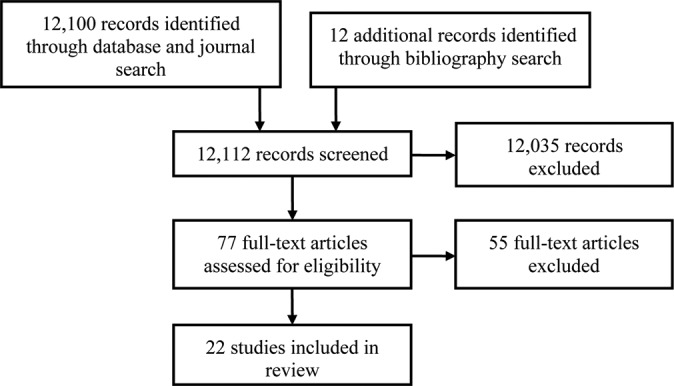
Three databases, 3 scientific journals, and selected bibliographies were searched to identify articles relevant to this study. Articles were further screened by the use of predetermined inclusion and exclusion criteria. Twenty-two studies met these criteria and were subsequently reviewed.
Men sustained higher rates of injuries than women at all age levels, and both sexes sustained at least twice as many injuries in games than practices. Both sexes sustained most of their injuries from player contact. Men and women in college sustained most injuries to the head and face, and women suffered from higher percentages of concussion. At all ages and levels of play, men had higher rates of upper extremity injuries (shoulder), while women were found to sustain more injuries to the lower extremity (thigh, knee).
Although findings showed men sustaining higher rates of injuries than women, the predominant mechanism of player contact was the same. The most common locations and types of injuries in female ice hockey players are comparable to other sports played by women, and similar interventions could offer protection against injury.
Further studies that report injury data for women playing ice hockey at all levels will assist in understanding what prevention strategies should be implemented.
男子冰球允许身体接触,而女子冰球则禁止身体接触。已有研究报告了两性的受伤数据,但尚无系统评价比较男女冰球运动员的受伤模式。
男子和女子冰球的受伤类型不同,这种差异将延伸到不同年龄组和不同比赛级别。
系统评价;证据水平,4 级。
检索了 3 个数据库、3 种科学期刊和选定的参考文献,以确定与本研究相关的文章。通过使用预定的纳入和排除标准进一步筛选文章。符合这些标准的 22 篇文章随后进行了综述。
在所有年龄组中,男性的受伤率均高于女性,且两性在比赛中受伤的次数至少是训练中的两倍。两性的大多数受伤都是由球员之间的接触造成的。在大学阶段,男性和女性头部和面部受伤最多,而女性脑震荡的比例更高。在所有年龄组和比赛级别中,男性上肢(肩部)受伤率较高,而女性下肢(大腿、膝盖)受伤率较高。
尽管研究结果显示男性的受伤率高于女性,但球员接触的主要机制是相同的。女性冰球运动员最常见的受伤部位和类型与女性参加的其他运动相似,类似的干预措施可能有助于预防受伤。
进一步报告各级别女子冰球运动员受伤数据的研究将有助于了解应实施哪些预防策略。