Rani Shalli, Talwar Rajneesh, Malhotra Jyoteesh, Ahmed Syed Hassan, Sarkar Mahasweta, Song Houbing
Research Scholar, Computer Applications, IKG Punjab Technical University, Kapurthala 144601, India.
ECE, Jhanjeri, Chandigarh 140307, India.
Sensors (Basel). 2015 Nov 12;15(11):28603-27. doi: 10.3390/s151128603.
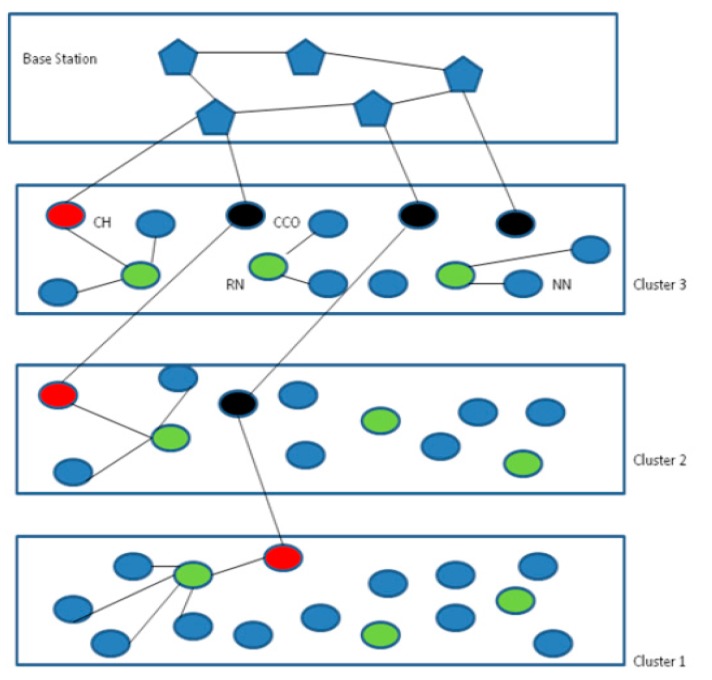
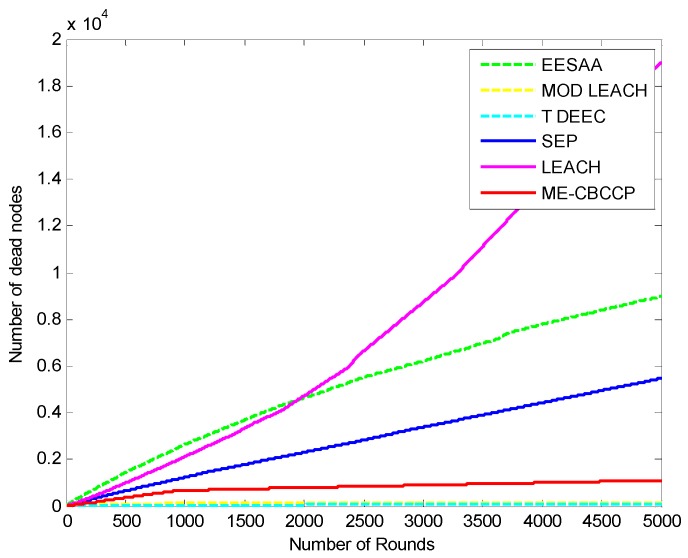
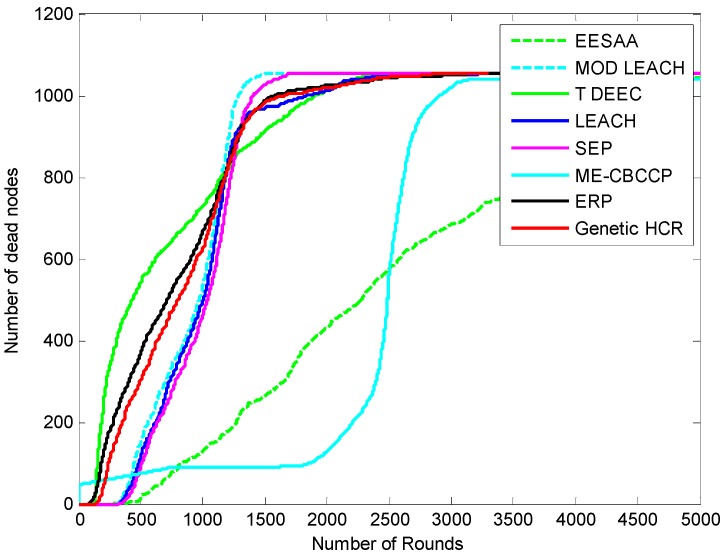
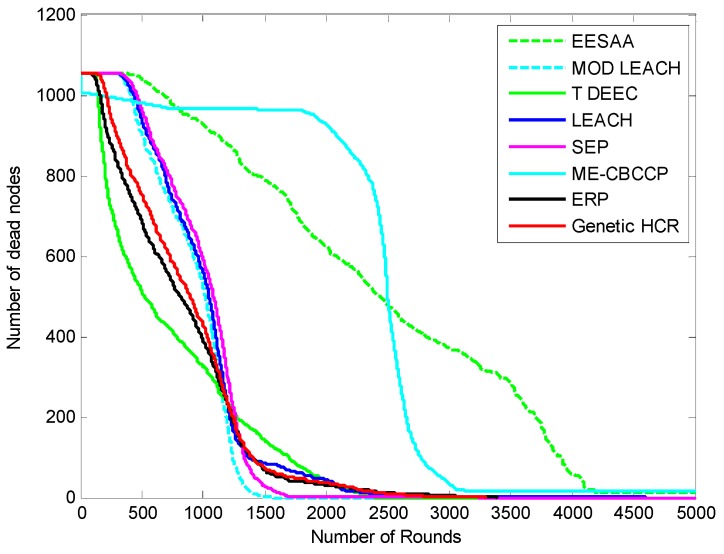
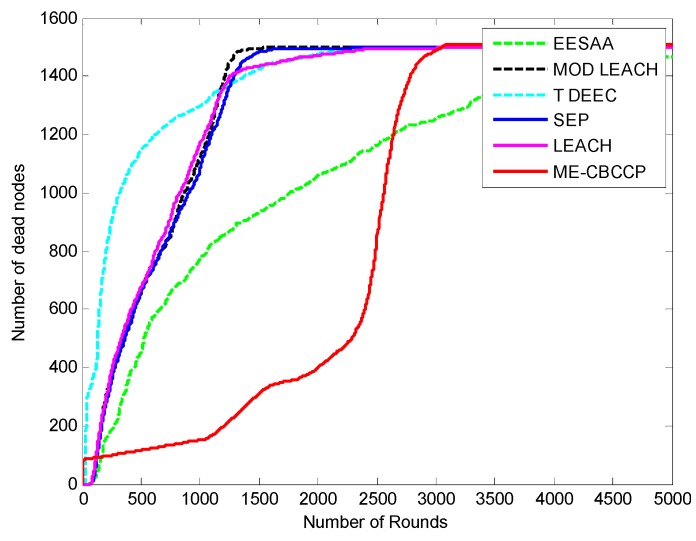
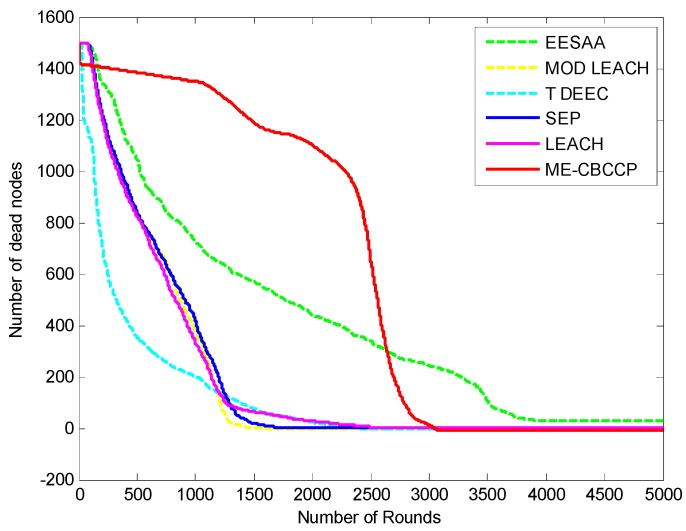
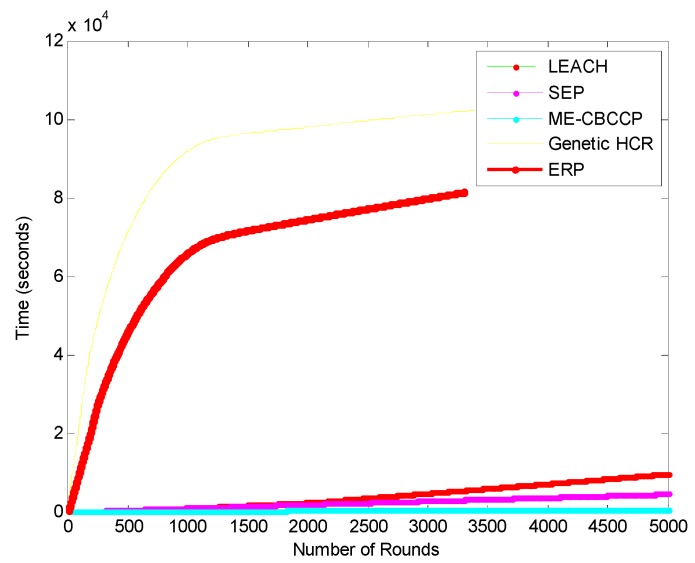
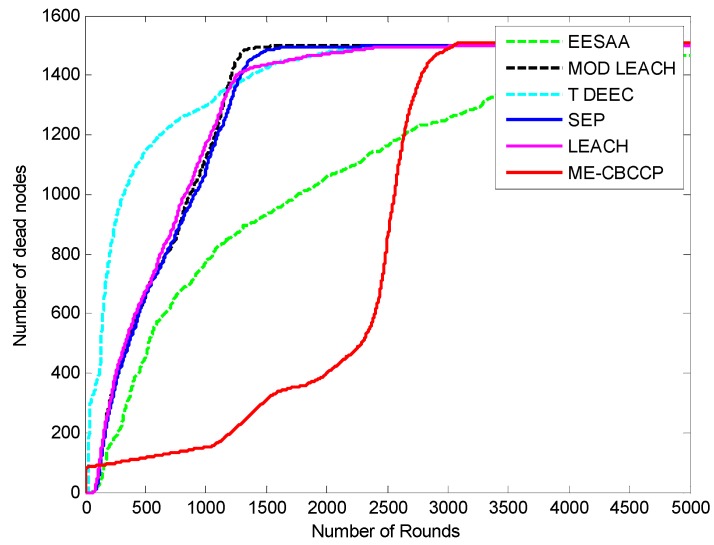
One of the emerging networking standards that gap between the physical world and the cyber one is the Internet of Things. In the Internet of Things, smart objects communicate with each other, data are gathered and certain requests of users are satisfied by different queried data. The development of energy efficient schemes for the IoT is a challenging issue as the IoT becomes more complex due to its large scale the current techniques of wireless sensor networks cannot be applied directly to the IoT. To achieve the green networked IoT, this paper addresses energy efficiency issues by proposing a novel deployment scheme. This scheme, introduces: (1) a hierarchical network design; (2) a model for the energy efficient IoT; (3) a minimum energy consumption transmission algorithm to implement the optimal model. The simulation results show that the new scheme is more energy efficient and flexible than traditional WSN schemes and consequently it can be implemented for efficient communication in the IoT.
物联网是弥合物理世界与网络世界之间差距的新兴网络标准之一。在物联网中,智能对象相互通信,收集数据,并通过不同的查询数据满足用户的特定请求。随着物联网因规模庞大而变得更加复杂,开发节能方案是一个具有挑战性的问题,当前无线传感器网络技术无法直接应用于物联网。为了实现绿色联网物联网,本文提出了一种新颖的部署方案来解决能源效率问题。该方案引入了:(1)分层网络设计;(2)节能物联网模型;(3)实现最优模型的最小能耗传输算法。仿真结果表明,新方案比传统无线传感器网络方案更节能、更灵活,因此可用于物联网中的高效通信。