Ahmed Afsar U, Williams Bryan R G, Hannigan Gregory E
The Centre for Cancer Research, Hudson Institute of Medical Research, 27-31 Wright Street, Clayton VIC 3168, Australia.
Biomolecules. 2015 Nov 11;5(4):3087-111. doi: 10.3390/biom5043087.
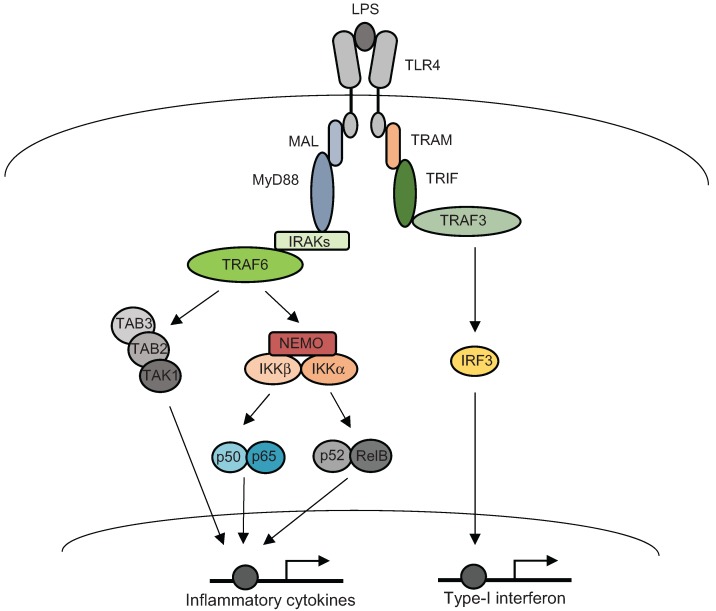
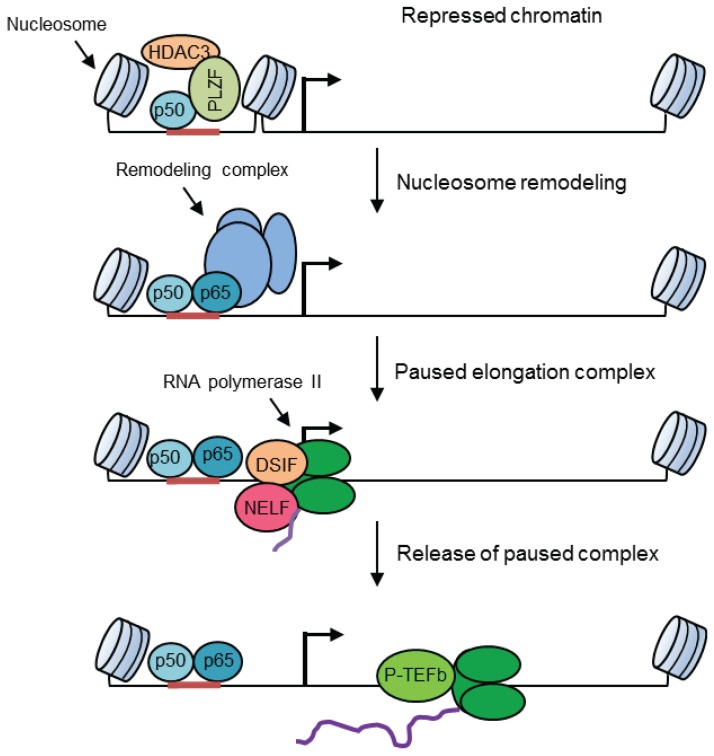
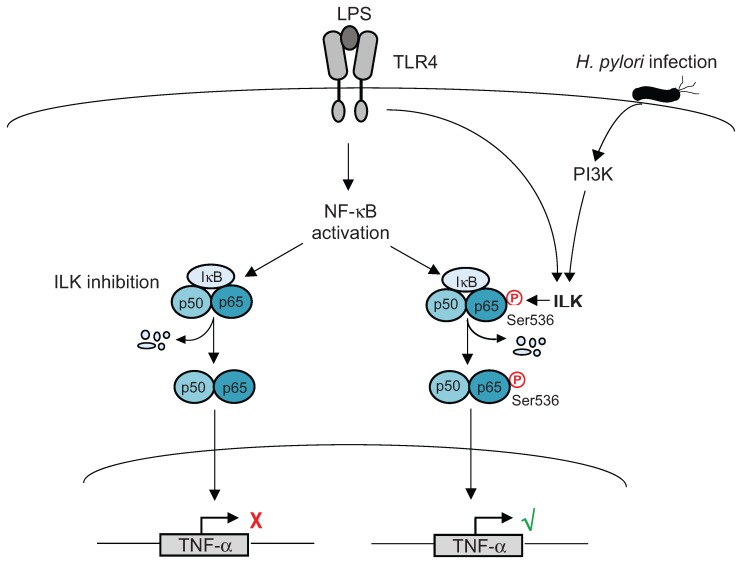
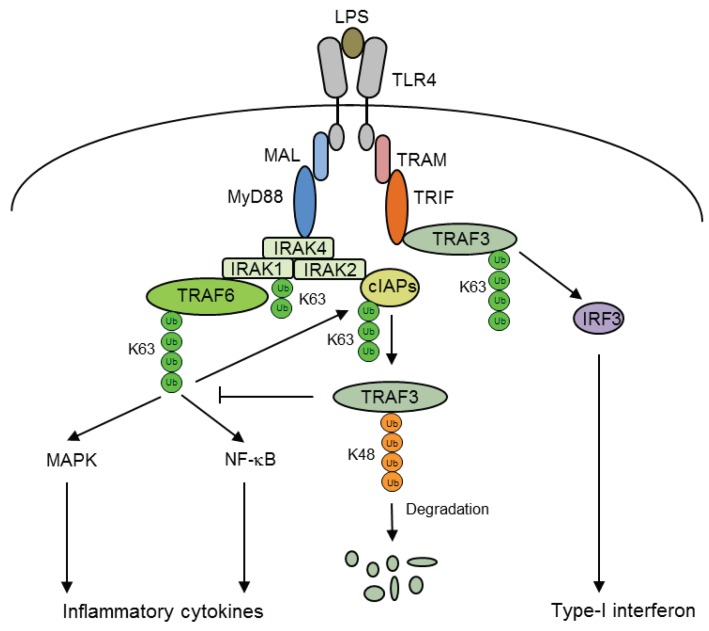
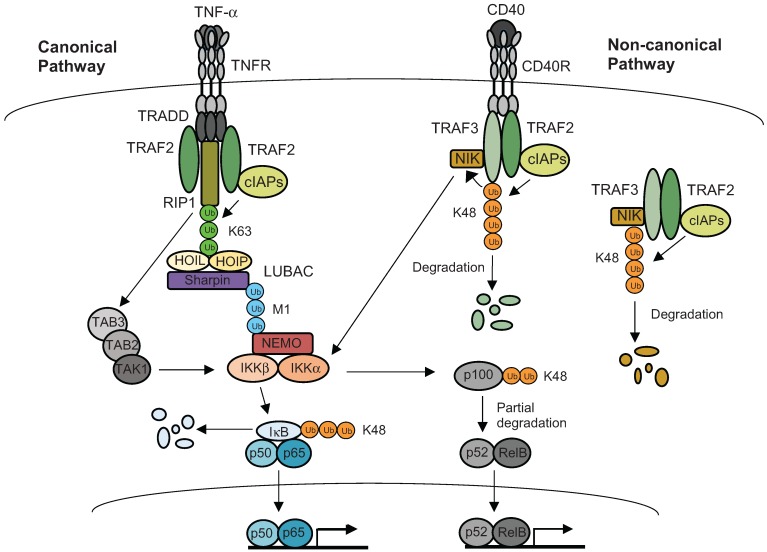
Acute inflammation, an integral part of host defence and immunity, is a highly conserved cellular response to pathogens and other harmful stimuli. An inflammatory stimulation triggers transcriptional activation of selective pro-inflammatory genes that carry out specific functions such as anti-microbial activity or tissue healing. Based on the nature of inflammatory stimuli, an extensive exploitation of selective transcriptional activations of pro-inflammatory genes is performed by the host to ensure a defined inflammatory response. Inflammatory signal transductions are initiated by the recognition of inflammatory stimuli by transmembrane receptors, followed by the transmission of the signals to the nucleus for differential gene activations. The differential transcriptional activation of pro-inflammatory genes is precisely controlled by the selective binding of transcription factors to the promoters of these genes. Among a number of transcription factors identified to date, NF-κB still remains the most prominent and studied factor for its diverse range of selective transcriptional activities. Differential transcriptional activities of NF-κB are dictated by post-translational modifications, specificities in dimer formation, and variability in activation kinetics. Apart from the differential functions of transcription factors, the transcriptional activation of selective pro-inflammatory genes is also governed by chromatin structures, epigenetic markers, and other regulators as the field is continuously expanding.
急性炎症是宿主防御和免疫的一个组成部分,是对病原体和其他有害刺激的一种高度保守的细胞反应。炎症刺激会触发选择性促炎基因的转录激活,这些基因执行特定功能,如抗菌活性或组织修复。基于炎症刺激的性质,宿主会广泛利用促炎基因的选择性转录激活来确保明确的炎症反应。炎症信号转导由跨膜受体识别炎症刺激引发,随后信号传递至细胞核以进行差异基因激活。促炎基因的差异转录激活由转录因子与这些基因启动子的选择性结合精确控制。在迄今为止鉴定出的众多转录因子中,NF-κB因其多样的选择性转录活性,仍然是最突出且研究最多的因子。NF-κB的差异转录活性由翻译后修饰、二聚体形成的特异性以及激活动力学的变异性决定。除了转录因子的差异功能外,随着该领域的不断扩展,选择性促炎基因的转录激活还受染色质结构、表观遗传标记和其他调节因子的调控。