Gunther Sophie, Ostheimer Christian, Stangl Stefan, Specht Hanno M, Mozes Petra, Jesinghaus Moritz, Vordermark Dirk, Combs Stephanie E, Peltz Friedhelm, Jung Max P, Multhoff Gabriele
Department of Radiation Oncology, Klinikum rechts der Isar, Technische Universität München (TUM) , München , Germany.
Department of Radiation Oncology, Martin Luther University Halle-Wittenberg , Halle (Saale) , Germany.
Front Immunol. 2015 Nov 2;6:556. doi: 10.3389/fimmu.2015.00556. eCollection 2015.
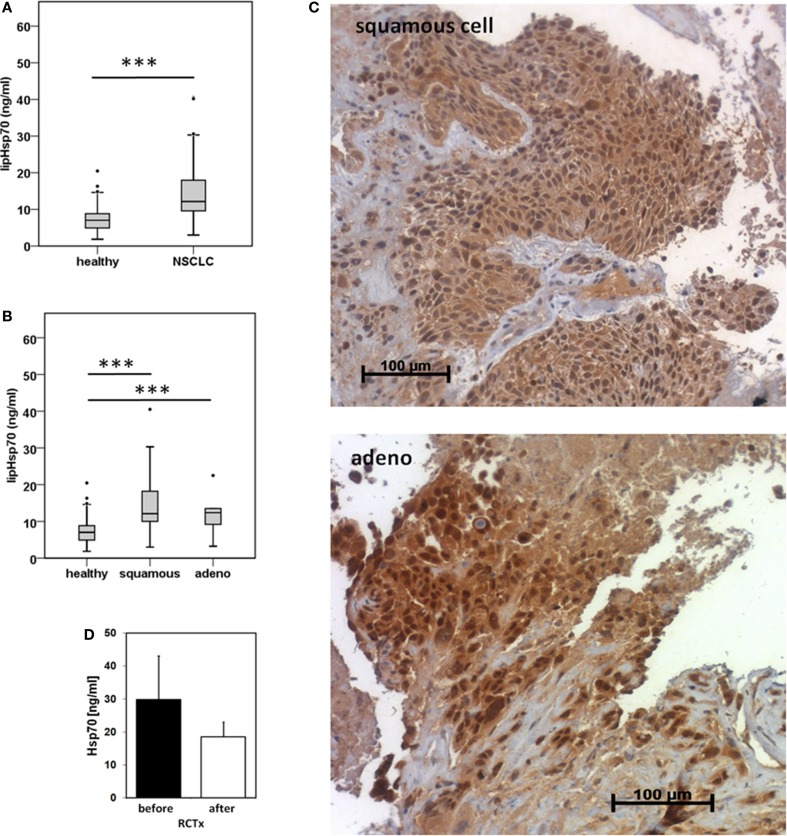
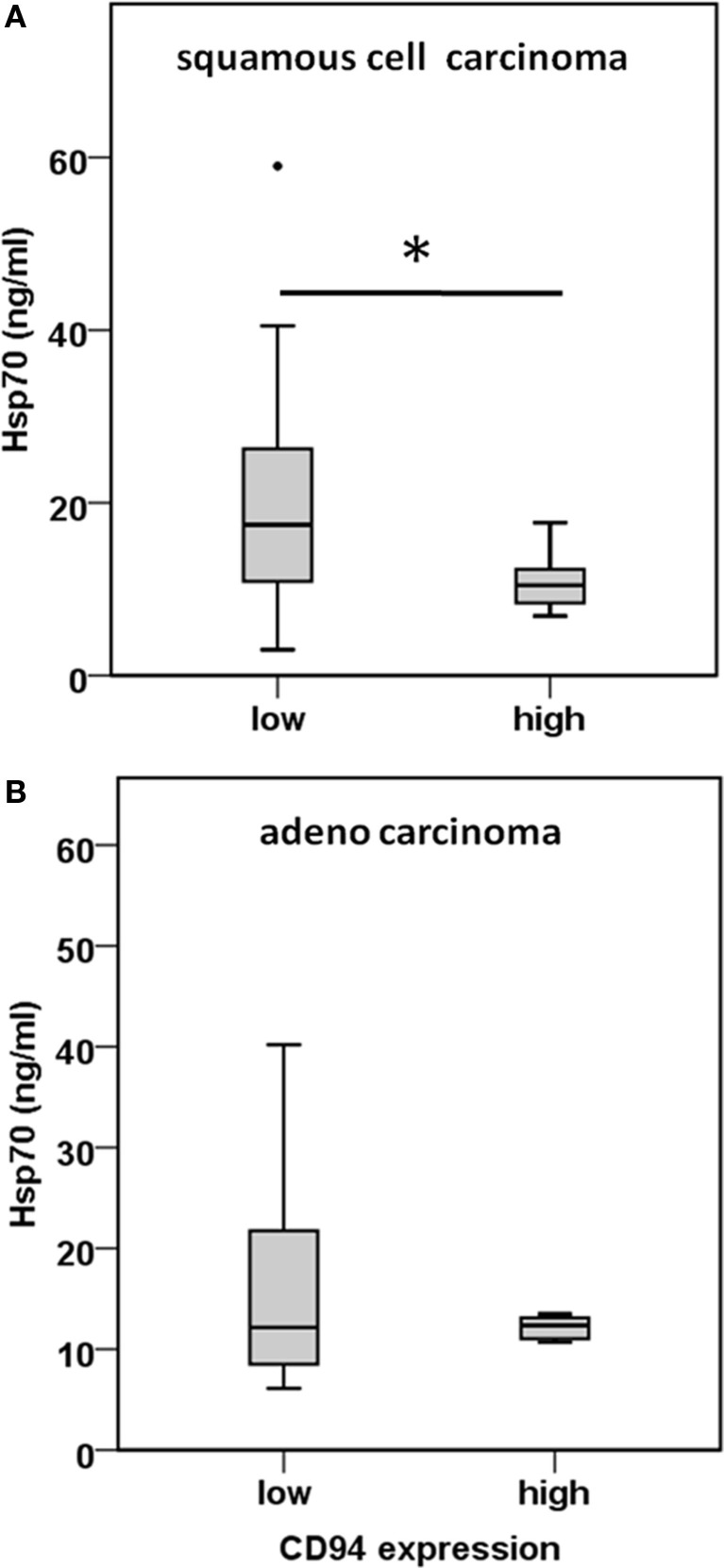
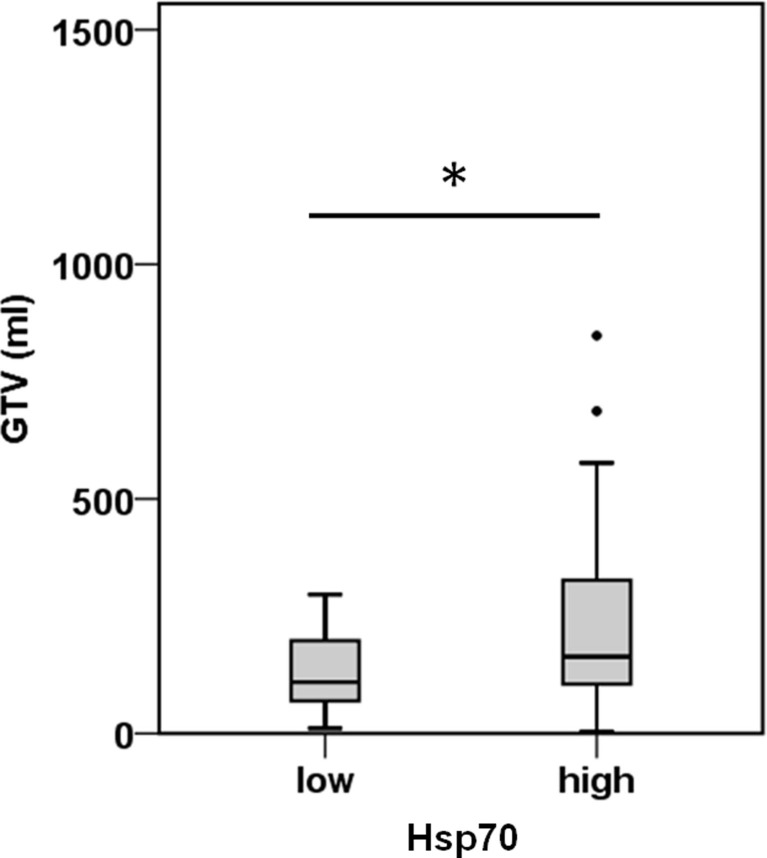
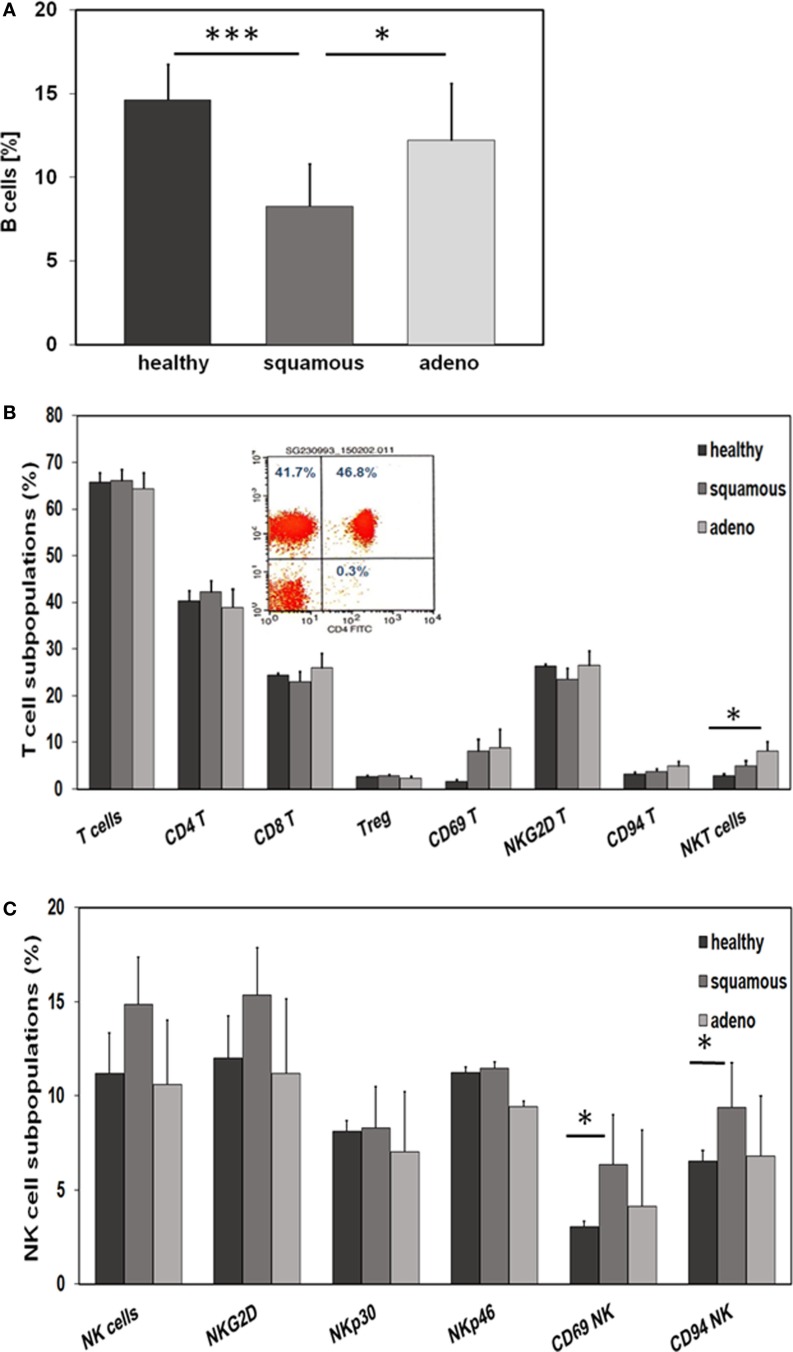
Heat-shock protein 70 (Hsp70) is frequently found on the plasma membrane of a large number of malignant tumors including non-small cell lung cancer (NSCLC) and gets released into the blood circulation in lipid vesicles. On the one hand, a membrane (m)Hsp70-positive phenotype correlates with a high aggressiveness of the tumor; on the other hand, mHsp70 serves as a target for natural killer (NK) cells that had been pre-stimulated with Hsp70-peptide TKD plus low-dose interleukin-2 (TKD/IL-2). Following activation, NK cells show an up-regulated expression of activatory C-type lectin receptors, such as CD94/NKG2C, NKG2D, and natural cytotoxicity receptors (NCRs; NKp44, NKp46, and NKp30) and thereby gain the capacity to kill mHsp70-positive tumor cells. With respect to these results, the efficacy of ex vivo TKD/IL-2 stimulated, autologous NK cells is currently tested in a proof-of-concept phase II clinical trial in patients with squamous cell NSCLC after radiochemotherapy (RCT) at the TUM. Inclusion criteria are histological proven, non-resectable NSCLC in stage IIIA/IIIB, clinical responses to RCT and a mHsp70-positive tumor phenotype. The mHsp70 status is determined in the serum of patients using the lipHsp70 ELISA test, which enables the quantification of liposomal and free Hsp70. Squamous cell and adeno NSCLC patients had significantly higher serum Hsp70 levels than healthy controls. A significant correlation of serum Hsp70 levels with the gross tumor volume was shown for adeno and squamous cell NSCLC. However, significantly elevated ratios of activated CD69(+)/CD94(+) NK cells that are associated with low serum Hsp70 levels were observed only in patients with squamous cell lung cancer. These data might provide a first hint that squamous cell NSCLC is more immunogenic than adeno NSCLC.
热休克蛋白70(Hsp70)常见于包括非小细胞肺癌(NSCLC)在内的大量恶性肿瘤的质膜上,并以脂质囊泡的形式释放到血液循环中。一方面,膜(m)Hsp70阳性表型与肿瘤的高侵袭性相关;另一方面,mHsp70可作为经Hsp70肽TKD加低剂量白细胞介素-2(TKD/IL-2)预刺激的自然杀伤(NK)细胞的靶标。激活后,NK细胞显示出激活型C型凝集素受体(如CD94/NKG2C、NKG2D和自然细胞毒性受体(NCRs;NKp44、NKp46和NKp30)的表达上调,从而获得杀伤mHsp70阳性肿瘤细胞的能力。基于这些结果,目前正在慕尼黑工业大学进行一项概念验证性II期临床试验,测试体外TKD/IL-2刺激的自体NK细胞对接受放化疗(RCT)后的鳞状细胞NSCLC患者的疗效。纳入标准为组织学确诊的IIIA/IIIB期不可切除NSCLC、对RCT有临床反应以及mHsp70阳性肿瘤表型。使用lipHsp70 ELISA检测法测定患者血清中的mHsp70状态,该方法能够定量脂质体和游离Hsp70。鳞状细胞和腺癌NSCLC患者的血清Hsp70水平显著高于健康对照组。腺癌和鳞状细胞NSCLC患者的血清Hsp70水平与肿瘤总体积显著相关。然而,仅在鳞状细胞肺癌患者中观察到与低血清Hsp70水平相关的活化CD69(+)/CD94(+) NK细胞比例显著升高。这些数据可能首次提示鳞状细胞NSCLC比腺癌NSCLC具有更强的免疫原性。