
钝顶螺旋藻干生物质对镉离子的吸附去除
Adsorptive removal of cadmium ions by Spirulina platensis dry biomass.
作者信息
Al-Homaidan Ali A, Alabdullatif Jamila A, Al-Hazzani Amal A, Al-Ghanayem Abdullah A, Alabbad Aljawharah F
机构信息
Department of Botany and Microbiology, College of Science, King Saud University, Riyadh, Saudi Arabia.
Department of Clinical Laboratory Sciences, College of Applied Medical Sciences, Shaqra University, Shaqra, Saudi Arabia.
出版信息
Saudi J Biol Sci. 2015 Nov;22(6):795-800. doi: 10.1016/j.sjbs.2015.06.010. Epub 2015 Jun 16.
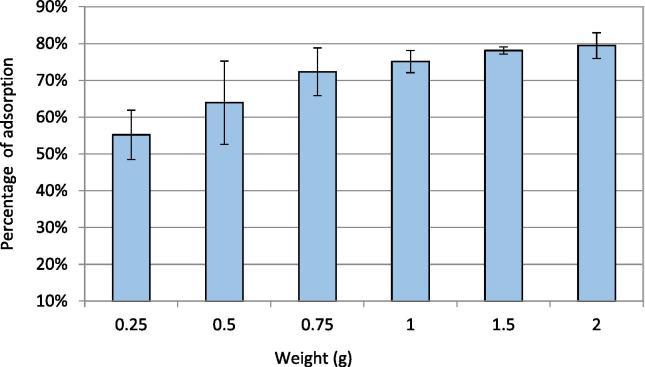
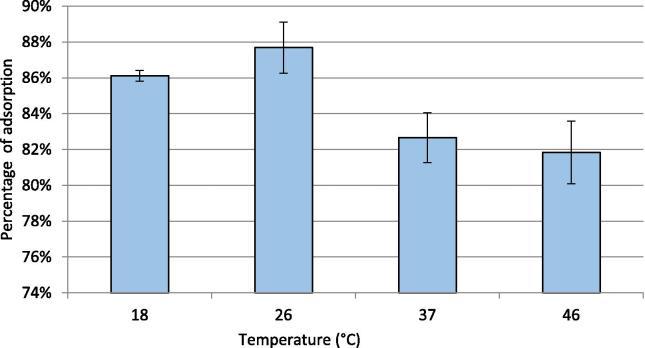
Cadmium is one of the most toxic substances found in aquatic ecosystems. This metal tends to accumulate in photosynthetic plants and fish and is transferred to humans causing many diseases. It has to be removed from our environment to reduce any health risks. Dry biomass of the microalga (cyanobacterium) Spirulina platensis was used as biosorbent for the removal of cadmium ions (Cd(2+)) from aqueous solutions. The effects of different levels of pH (3-9), biomass concentration (0.25-2 g), temperature (18-46 °C), metal concentration (40-200 mg/l) and contact time (30-120 min) were tested. Batch cultures were carried out in triplicate in an orbital shaker at 150 rpm. After centrifuging the biomass, the remaining levels of cadmium ions were measured in the supernatant by Atomic Absorption Spectrometer. Very high levels of removal, reaching up to 87.69% were obtained. The highest percentage of removal was reached at pH 8, 2 g of biosorbent, 26 °C, and 60 mg/l of cadmium concentration after 90 min of contact time. Langmuir and Freundlich isotherm models were applied to describe the adsorption isotherm of the metal ions by S. platensis. Langmuir model was found to be in better correlation with experimental data (R (2) = 0.92). Results of this study indicated that S. platensis is a very good candidate for the removal of heavy metals from aquatic environments. The process is feasible, reliable and eco-friendly.
镉是水生生态系统中发现的毒性最强的物质之一。这种金属容易在光合植物和鱼类中积累,并转移到人类身上,引发多种疾病。必须将其从我们的环境中去除,以降低健康风险。钝顶螺旋藻(蓝藻)的干生物质被用作生物吸附剂,用于从水溶液中去除镉离子(Cd(2+))。测试了不同pH值(3 - 9)、生物质浓度(0.25 - 2克)、温度(18 - 46°C)、金属浓度(40 - 200毫克/升)和接触时间(30 - 120分钟)的影响。分批培养在轨道摇床上以150转/分钟的速度进行三次重复。离心生物质后,通过原子吸收光谱仪测量上清液中剩余的镉离子水平。获得了非常高的去除率,高达87.69%。在pH值为8、生物吸附剂2克、温度26°C、镉浓度60毫克/升且接触时间90分钟后,达到了最高去除率。应用朗缪尔和弗伦德利希等温线模型来描述钝顶螺旋藻对金属离子的吸附等温线。发现朗缪尔模型与实验数据的相关性更好(R(2)=0.92)。本研究结果表明,钝顶螺旋藻是从水生环境中去除重金属的非常好的候选材料。该过程可行、可靠且环保。




 Zotero 插件