Bindels Laure B, Neyrinck Audrey M, Claus Sandrine P, Le Roy Caroline I, Grangette Corinne, Pot Bruno, Martinez Inés, Walter Jens, Cani Patrice D, Delzenne Nathalie M
Metabolism and Nutrition Research Group, Louvain Drug Research Institute, Université Catholique de Louvain, Brussels, Belgium.
Department of Food and Nutritional Sciences, University of Reading, Reading, UK.
ISME J. 2016 Jun;10(6):1456-70. doi: 10.1038/ismej.2015.209. Epub 2015 Nov 27.
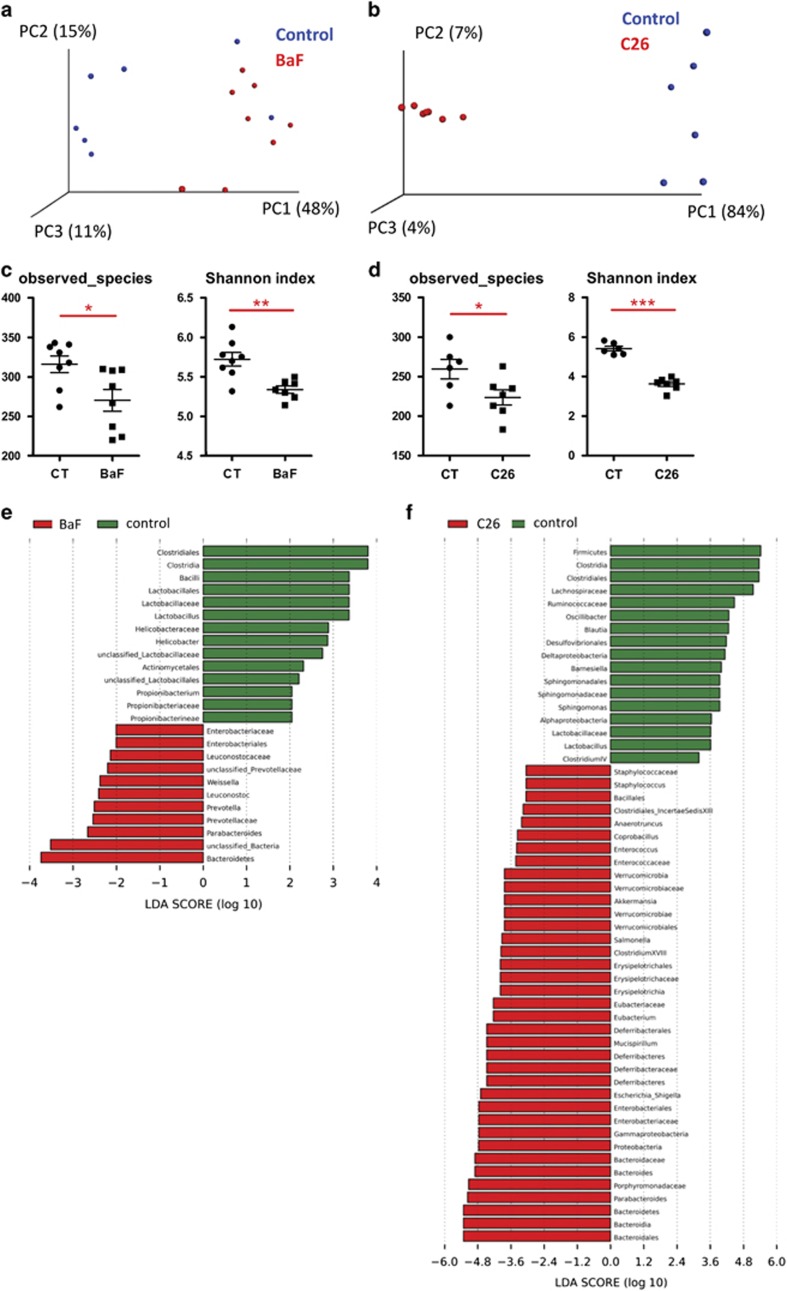
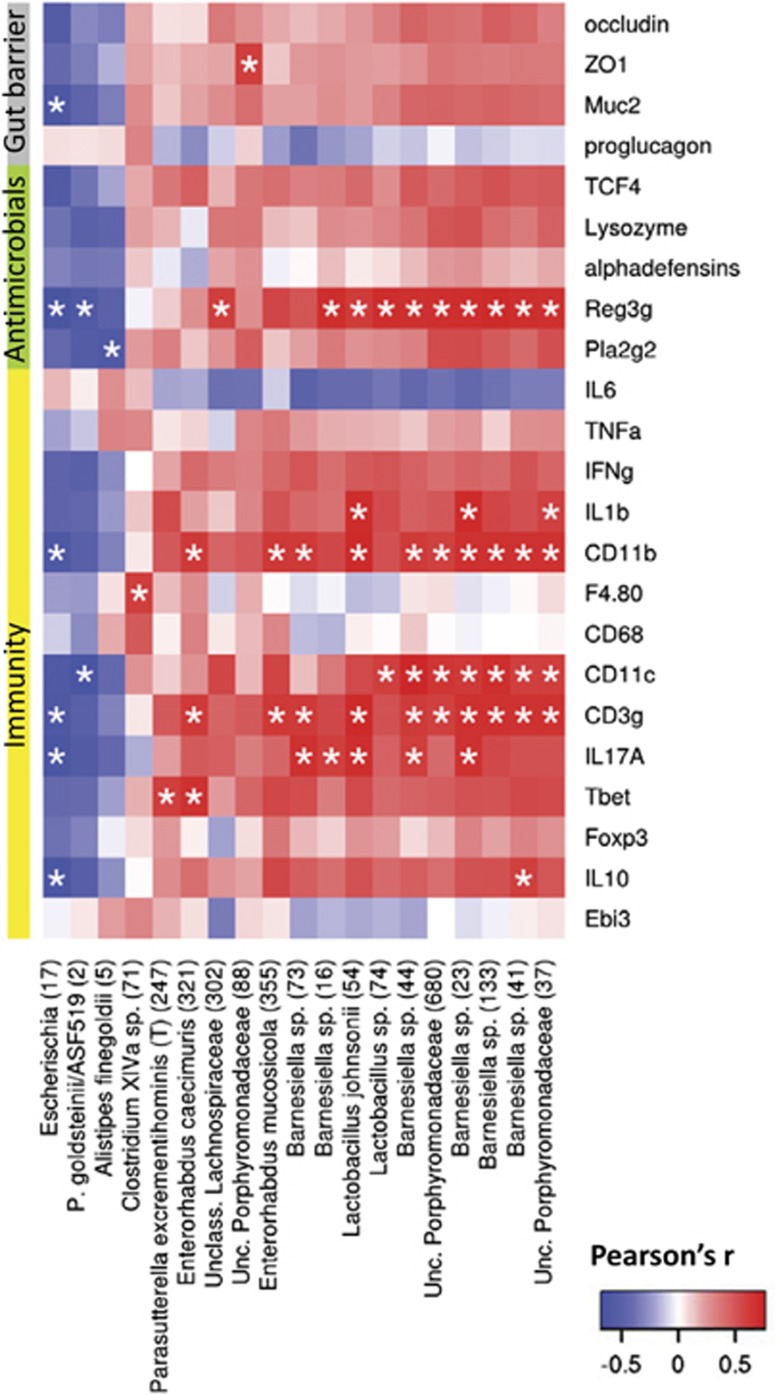
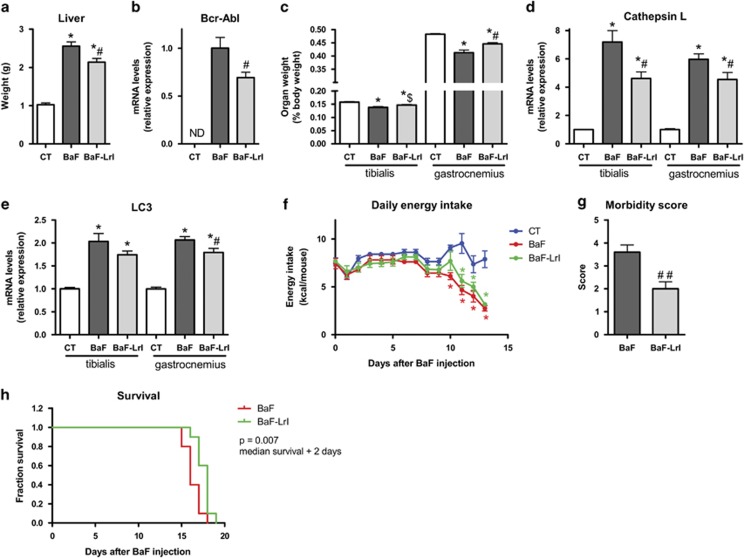
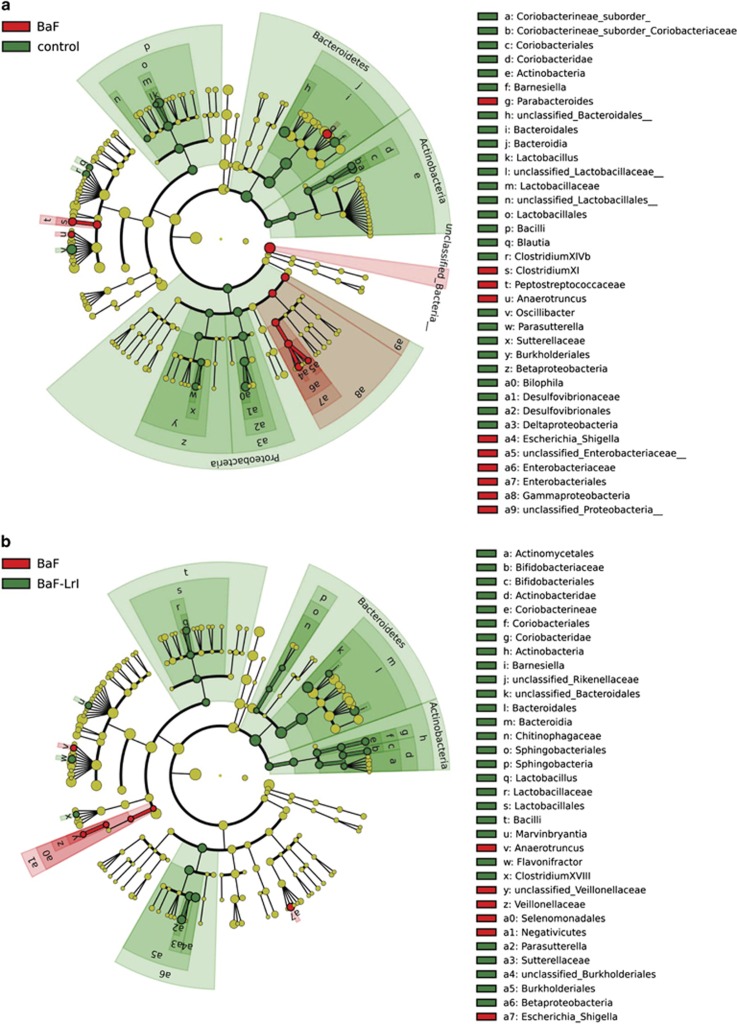
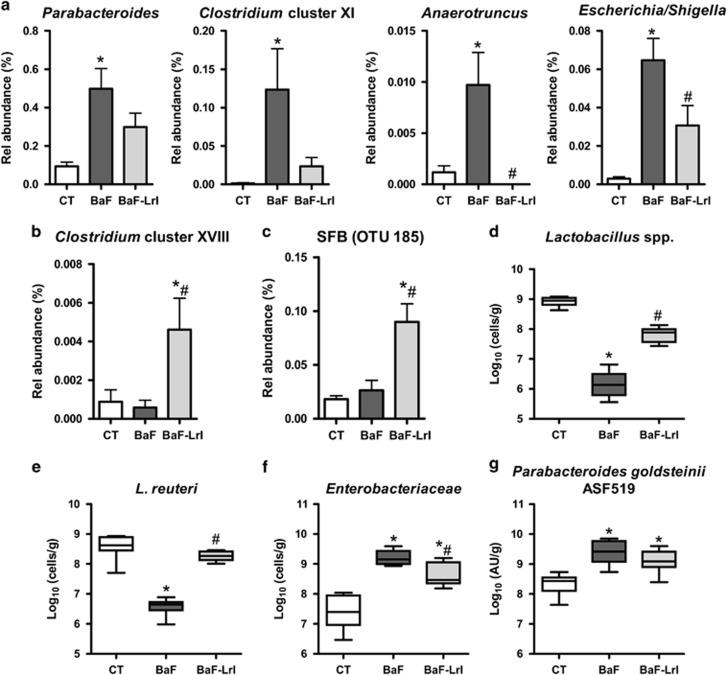
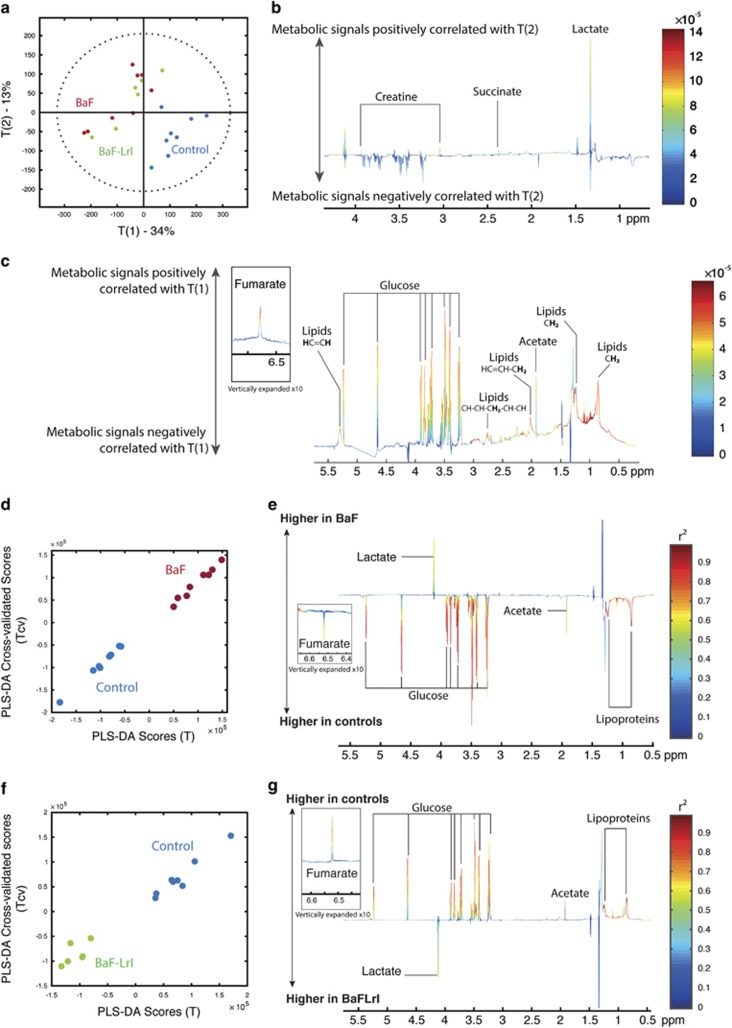
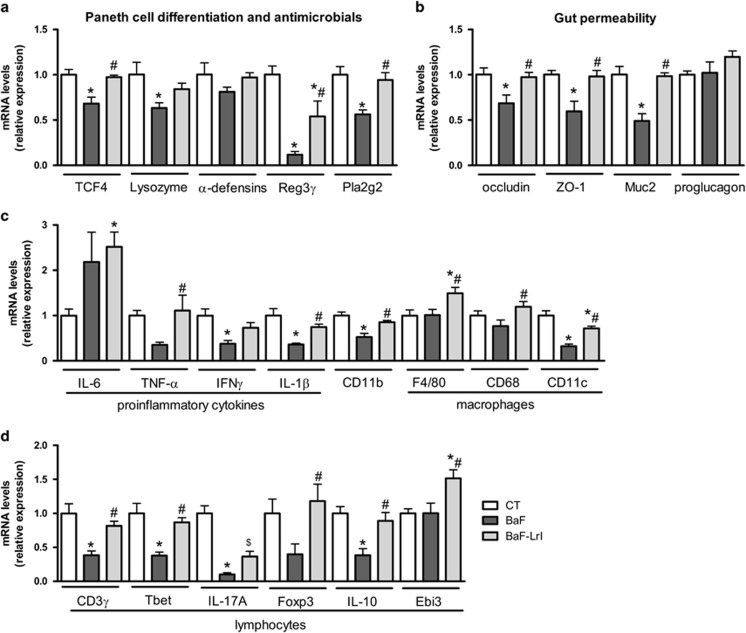
Cancer cachexia is a multifactorial syndrome that includes muscle wasting and inflammation. As gut microbes influence host immunity and metabolism, we investigated the role of the gut microbiota in the therapeutic management of cancer and associated cachexia. A community-wide analysis of the caecal microbiome in two mouse models of cancer cachexia (acute leukaemia or subcutaneous transplantation of colon cancer cells) identified common microbial signatures, including decreased Lactobacillus spp. and increased Enterobacteriaceae and Parabacteroides goldsteinii/ASF 519. Building on this information, we administered a synbiotic containing inulin-type fructans and live Lactobacillus reuteri 100-23 to leukaemic mice. This treatment restored the Lactobacillus population and reduced the Enterobacteriaceae levels. It also reduced hepatic cancer cell proliferation, muscle wasting and morbidity, and prolonged survival. Administration of the synbiotic was associated with restoration of the expression of antimicrobial proteins controlling intestinal barrier function and gut immunity markers, but did not impact the portal metabolomics imprinting of energy demand. In summary, this study provided evidence that the development of cancer outside the gut can impact intestinal homeostasis and the gut microbial ecosystem and that a synbiotic intervention, by targeting some alterations of the gut microbiota, confers benefits to the host, prolonging survival and reducing cancer proliferation and cachexia.
癌症恶病质是一种多因素综合征,包括肌肉萎缩和炎症。由于肠道微生物会影响宿主免疫和代谢,我们研究了肠道微生物群在癌症及其相关恶病质治疗管理中的作用。对两种癌症恶病质小鼠模型(急性白血病或结肠癌细胞皮下移植)的盲肠微生物组进行全社区分析,确定了常见的微生物特征,包括乳酸杆菌属减少,肠杆菌科和戈氏副拟杆菌/ ASF 519增加。基于这些信息,我们给白血病小鼠施用了一种含有菊粉型果聚糖和活的罗伊氏乳杆菌100 - 23的合生元。这种治疗恢复了乳酸杆菌数量,降低了肠杆菌科水平。它还减少了肝癌细胞增殖、肌肉萎缩和发病率,并延长了生存期。施用合生元与控制肠道屏障功能和肠道免疫标志物的抗菌蛋白表达恢复有关,但不影响能量需求的门静脉代谢组学印记。总之,本研究提供了证据表明肠道外癌症的发展会影响肠道稳态和肠道微生物生态系统,并且通过针对肠道微生物群的一些改变进行合生元干预,可使宿主受益,延长生存期并减少癌症增殖和恶病质。