Nelson Leonard J, Navarro Maria, Treskes Philipp, Samuel Kay, Tura-Ceide Olga, Morley Steven D, Hayes Peter C, Plevris John N
Department of Hepatology, Hepatology Laboratory, University of Edinburgh, Edinburgh, UK.
Scottish National Blood Transfusion Service (SNBTS); Cell Therapy Research Group, Scottish Centre for Regenerative Medicine, University of Edinburgh, UK.
Sci Rep. 2015 Dec 3;5:17455. doi: 10.1038/srep17455.
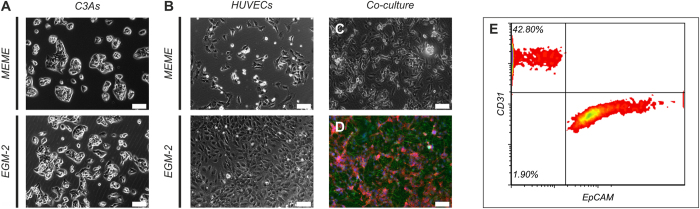
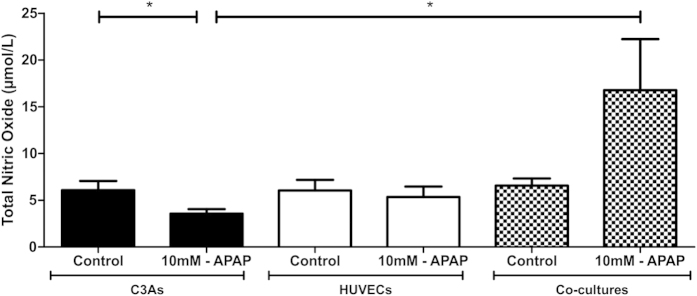
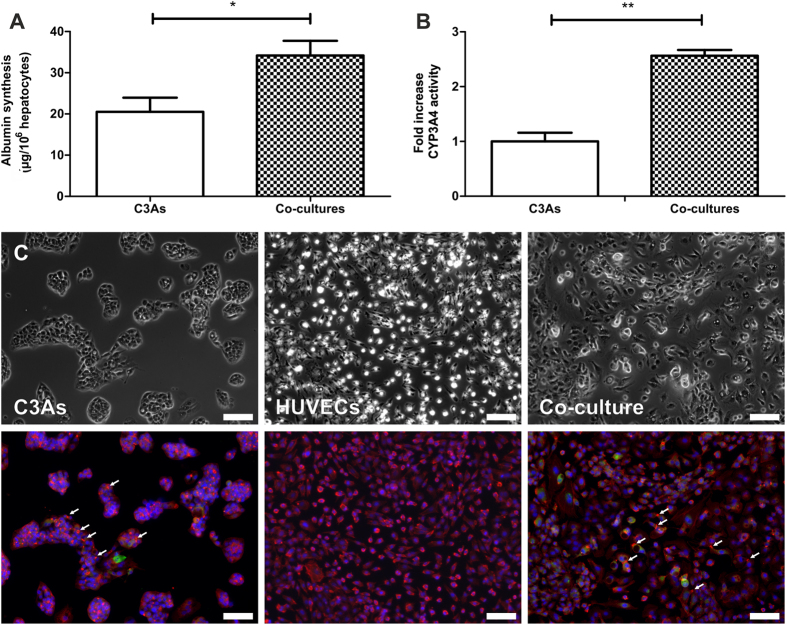
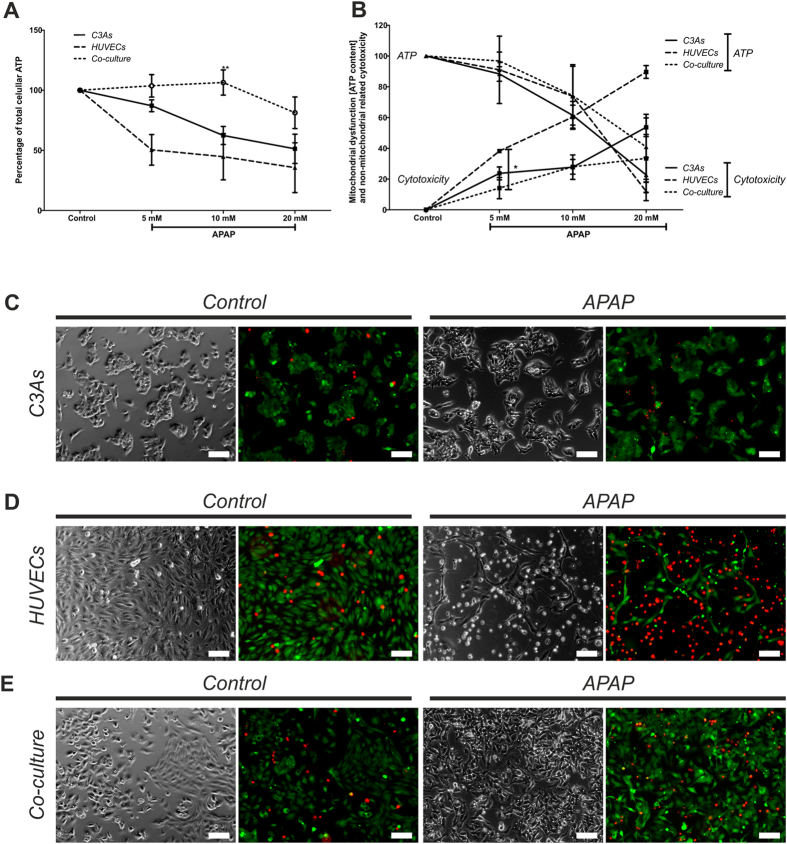
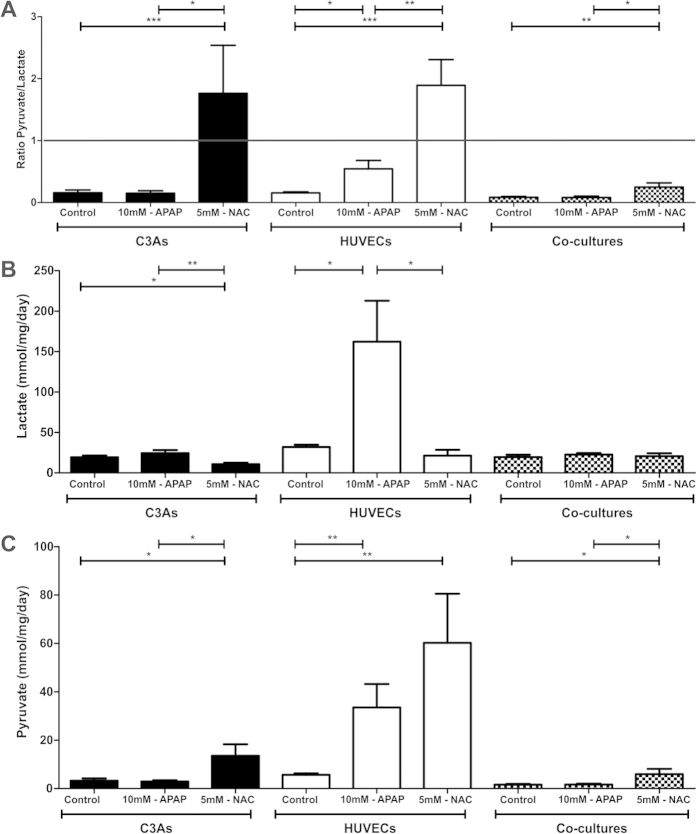
Organotypic liver culture models for hepatotoxicity studies that mimic in vivo hepatic functionality could help facilitate improved strategies for early safety risk assessment during drug development. Interspecies differences in drug sensitivity and mechanistic profiles, low predictive capacity, and limitations of conventional monocultures of human hepatocytes, with high attrition rates remain major challenges. Herein, we show stable, cell-type specific phenotype/cellular polarity with differentiated functionality in human hepatocyte-like C3A cells (enhanced CYP3A4 activity/albumin synthesis) when in co-culture with human vascular endothelial cells (HUVECs), thus demonstrating biocompatibility and relevance for evaluating drug metabolism and toxicity. In agreement with in vivo studies, acetaminophen (APAP) toxicity was most profound in HUVEC mono-cultures; whilst in C3A:HUVEC co-culture, cells were less susceptible to the toxic effects of APAP, including parameters of oxidative stress and ATP depletion, altered redox homeostasis, and impaired respiration. This resistance to APAP is also observed in a primary human hepatocyte (PHH) based co-culture model, suggesting bidirectional communication/stabilization between different cell types. This simple and easy-to-implement human co-culture model may represent a sustainable and physiologically-relevant alternative cell system to PHHs, complementary to animal testing, for initial hepatotoxicity screening or mechanistic studies of candidate compounds differentially targeting hepatocytes and endothelial cells.
用于肝毒性研究的器官型肝脏培养模型能够模拟体内肝脏功能,有助于在药物开发过程中推动早期安全风险评估策略的改进。药物敏感性和作用机制方面的种间差异、预测能力低以及人肝细胞传统单培养的局限性和高损耗率仍然是主要挑战。在此,我们展示了人肝细胞样C3A细胞与人类血管内皮细胞(HUVECs)共培养时具有稳定的、细胞类型特异性的表型/细胞极性以及分化的功能(增强的CYP3A4活性/白蛋白合成),从而证明了其在评估药物代谢和毒性方面的生物相容性和相关性。与体内研究一致,对乙酰氨基酚(APAP)毒性在HUVEC单培养中最为显著;而在C3A:HUVEC共培养中,细胞对APAP的毒性作用较不敏感,包括氧化应激和ATP消耗参数、氧化还原稳态改变以及呼吸受损。在基于原代人肝细胞(PHH)的共培养模型中也观察到了对APAP的这种抗性,这表明不同细胞类型之间存在双向通讯/稳定作用。这种简单且易于实施的人共培养模型可能代表了一种可持续的、与生理相关的替代细胞系统,可作为PHHs的补充,用于动物试验,进行候选化合物对肝细胞和内皮细胞差异靶向的初始肝毒性筛选或机制研究。