Karasawa Yoko, Tanaka Hideki, Nakai Kumiko, Tanabe Natsuko, Kawato Takayuki, Maeno Masao, Shimizu Noriyoshi
1. Nihon University Graduate School of Dentistry, Tokyo, Japan.
2. Department of Oral Health Sciences, Nihon University School of Dentistry, Tokyo, Japan ; 3. Division of Functional Morphology, Dental Research Center, Nihon University School of Dentistry, Tokyo, Japan.
Int J Med Sci. 2015 Oct 22;12(11):905-13. doi: 10.7150/ijms.13263. eCollection 2015.
Matrix metalloproteinases (MMPs), produced by osteoblasts, catalyze the turnover of extracellular matrix (ECM) molecules in osteoid, and the regulation of MMP activity depends on interactions between MMPs and tissue inhibitors of metalloproteinases (TIMPs). We focused on the degradation process of ECM in osteoid that was exposed to mechanical strain, and conducted an in vitro study using MC3T3-E1 osteoblastic cells to examine the effects of tension force (TF) on the expression of MMPs and TIMPs, and activation of mitogen-activated protein kinase (MAPK) pathways.
Cells were incubated on flexible-bottomed culture plates and stimulated with or without cyclic TF for 24 hours. The expression of MMPs and TIMPs was examined at mRNA and protein levels by real-time RT-PCR and Western blotting, respectively. The phosphorylation of extracellular signal-regulated kinase (ERK) 1/2, p38 MAPK, and stress-activated protein kinases/c-jun N-terminal kinases (SAPK/JNK) were examined by Western blotting.
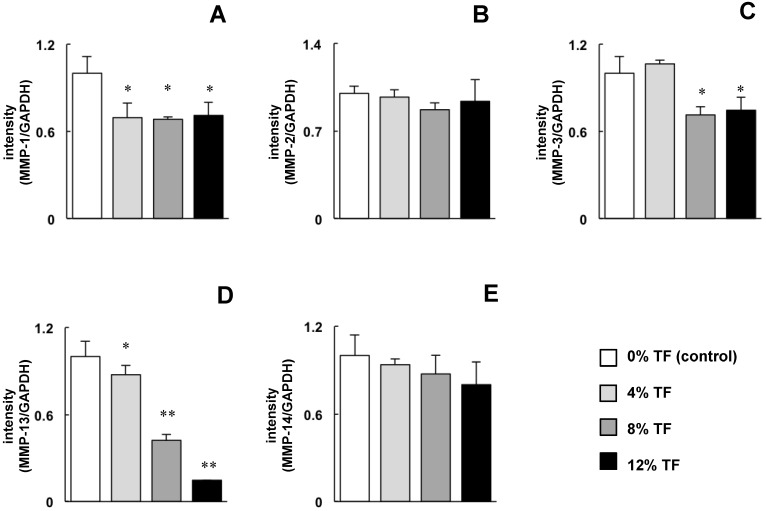
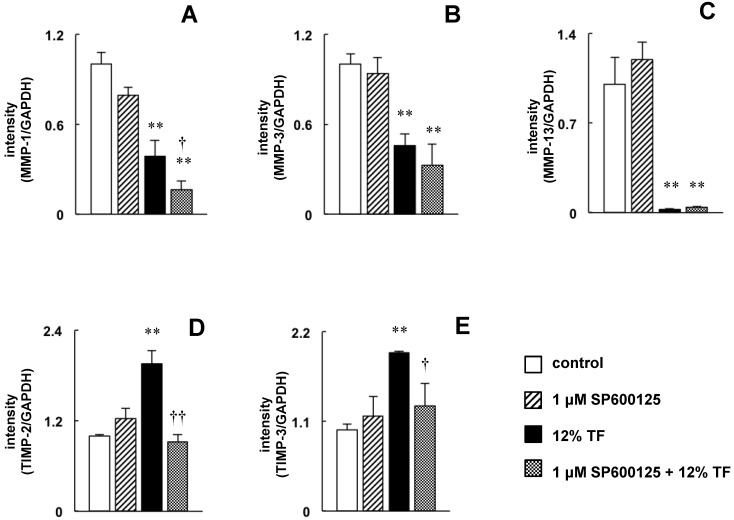
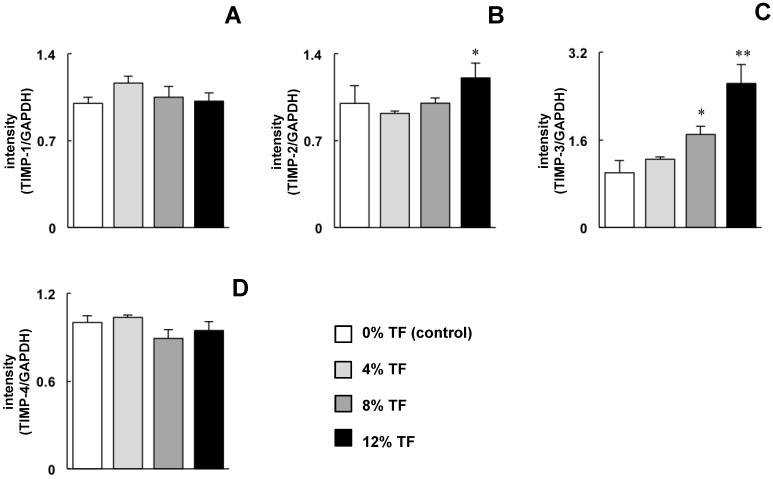
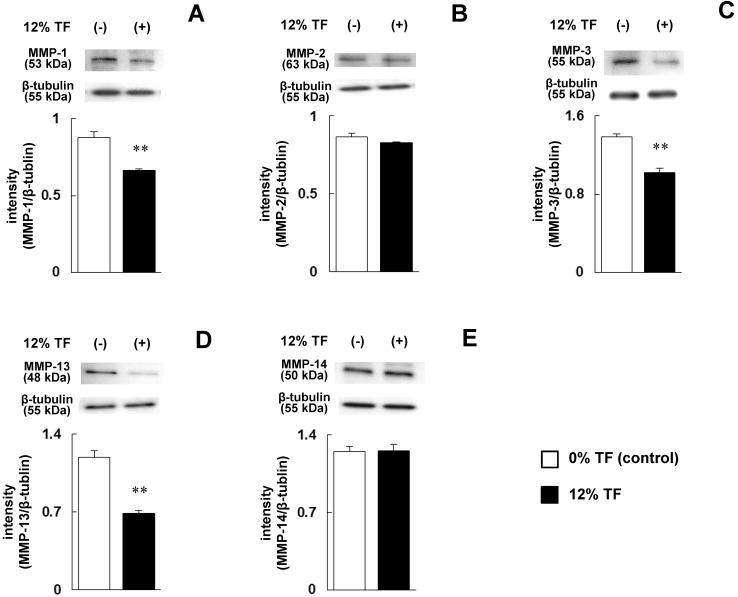
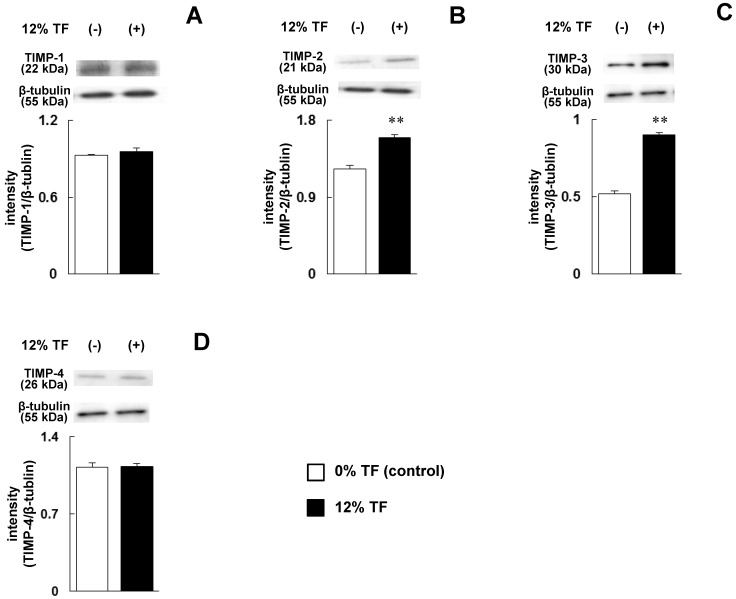
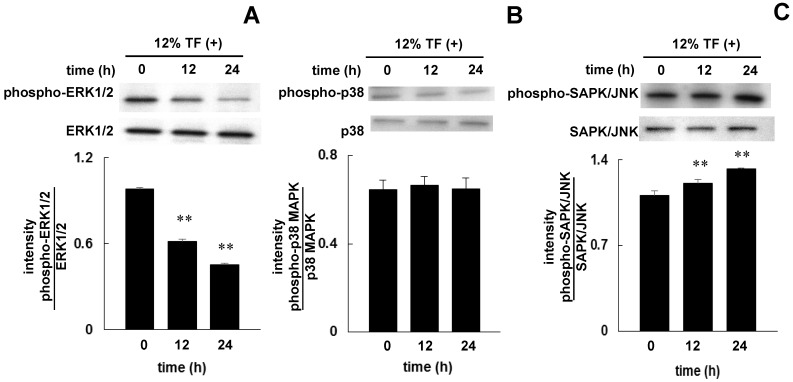
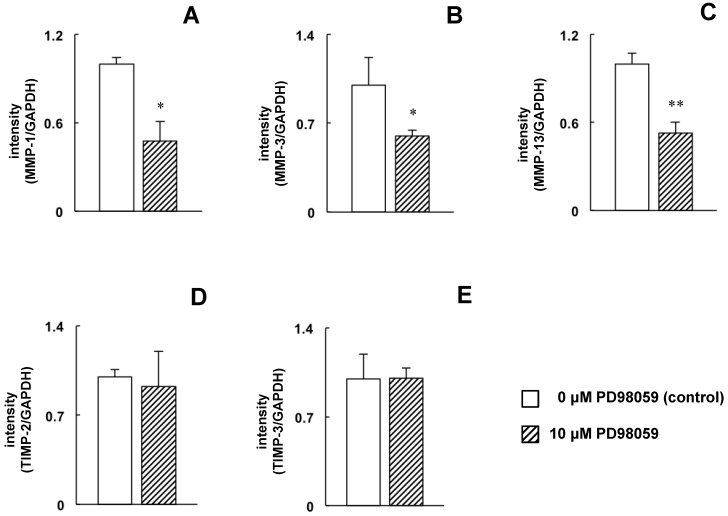
TF decreased the expression of MMP-1, -3, -13 and phosphorylated ERK1/2. In contrast, TF increased the expression of TIMP-2, -3 and phosphorylated SAPK/JNK. The expression of MMP-2, -14, TIMP-1, -4 and phosphorylated p38 MAPK was unaffected by TF. MMP-1, -3 and -13 expression decreased in cells treated with the ERK inhibitor PD98059 compared with untreated control cells. The JNK inhibitor SP600125 inhibited the TF-induced upregulation of TIMP-2 and -3.
The results suggest that TF suppresses the degradation process that occurs during ECM turnover in osteoid via decreased production of MMP-1, -3 and -13, and increased production of TIMP-2 and -3 through the MAPK signaling pathways in osteoblasts.
成骨细胞产生的基质金属蛋白酶(MMPs)催化类骨质中细胞外基质(ECM)分子的更新,MMP活性的调节取决于MMPs与金属蛋白酶组织抑制剂(TIMPs)之间的相互作用。我们聚焦于暴露于机械应变的类骨质中ECM的降解过程,并使用MC3T3-E1成骨细胞进行了一项体外研究,以检查张力(TF)对MMPs和TIMPs表达以及丝裂原活化蛋白激酶(MAPK)通路激活的影响。
将细胞接种在底部可弯曲的培养板上,分别在有或无循环TF的情况下刺激24小时。分别通过实时RT-PCR和蛋白质印迹法在mRNA和蛋白质水平检测MMPs和TIMPs的表达。通过蛋白质印迹法检测细胞外信号调节激酶(ERK)1/2、p38 MAPK和应激激活蛋白激酶/c-Jun氨基末端激酶(SAPK/JNK)的磷酸化情况。
TF降低了MMP-1、-3、-13和磷酸化ERK1/2的表达。相反,TF增加了TIMP-2、-3和磷酸化SAPK/JNK的表达。MMP-2、-14、TIMP-1、-4和磷酸化p38 MAPK的表达不受TF影响。与未处理的对照细胞相比,用ERK抑制剂PD98059处理的细胞中MMP-1、-3和-13的表达降低。JNK抑制剂SP600125抑制了TF诱导的TIMP-2和-3的上调。
结果表明,TF通过减少成骨细胞中MMP-1、-3和-13的产生以及通过MAPK信号通路增加TIMP-2和-3的产生,抑制了类骨质中ECM更新过程中发生的降解过程。