Moda Fabio, Le Thanh-Nhat T, Aulić Suzana, Bistaffa Edoardo, Campagnani Ilaria, Virgilio Tommaso, Indaco Antonio, Palamara Luisa, Andréoletti Olivier, Tagliavini Fabrizio, Legname Giuseppe
Unit of Neuropathology and Neurology 5, IRCCS Foundation Carlo Besta Neurological Institute, Milano, Italy.
Laboratory of Prion Biology, Department of Neuroscience, Scuola Internazionale Superiore di Studi Avanzati (SISSA), Trieste, Ital,y.
PLoS Pathog. 2015 Dec 31;11(12):e1005354. doi: 10.1371/journal.ppat.1005354. eCollection 2015 Dec.
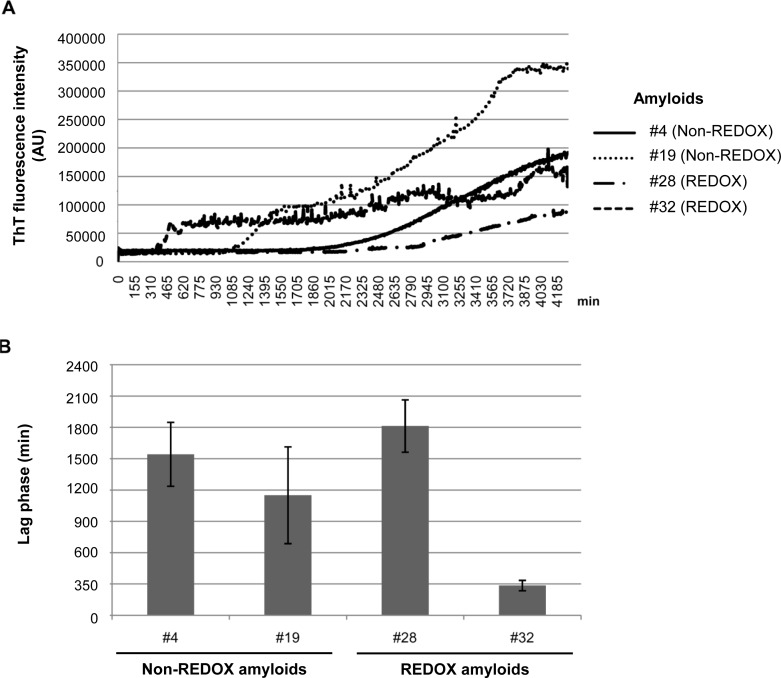
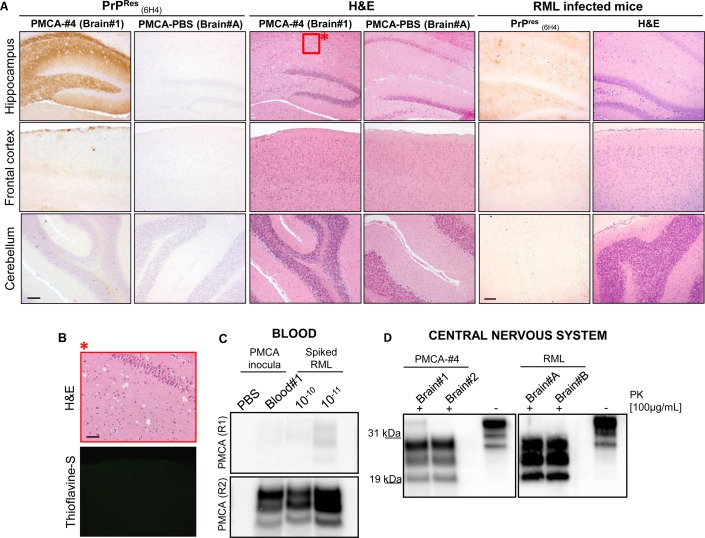
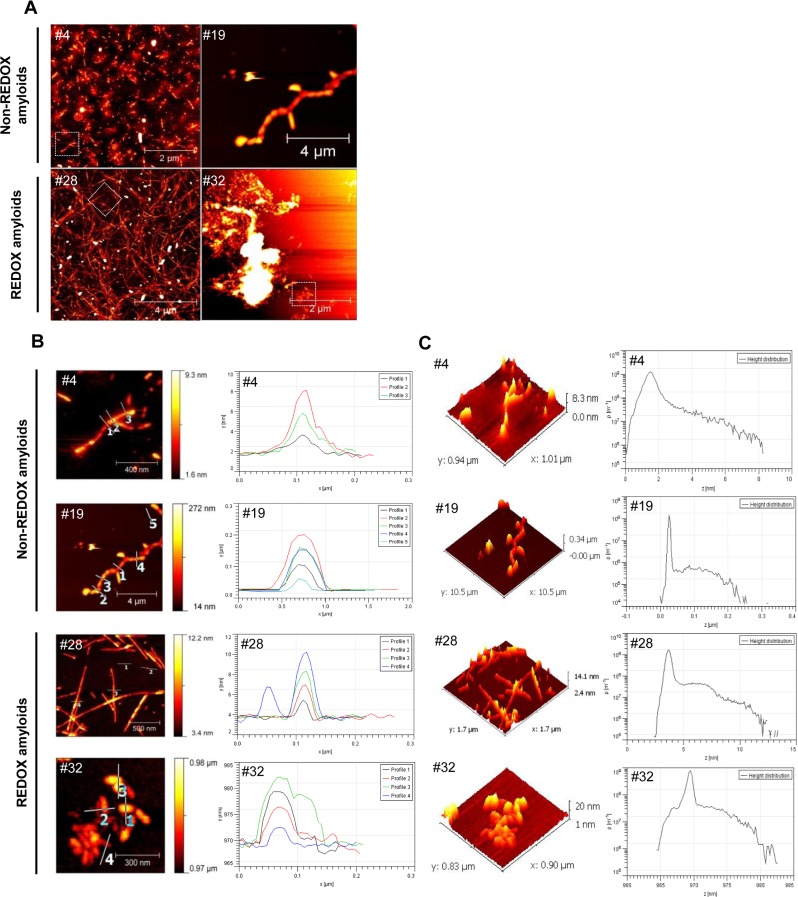
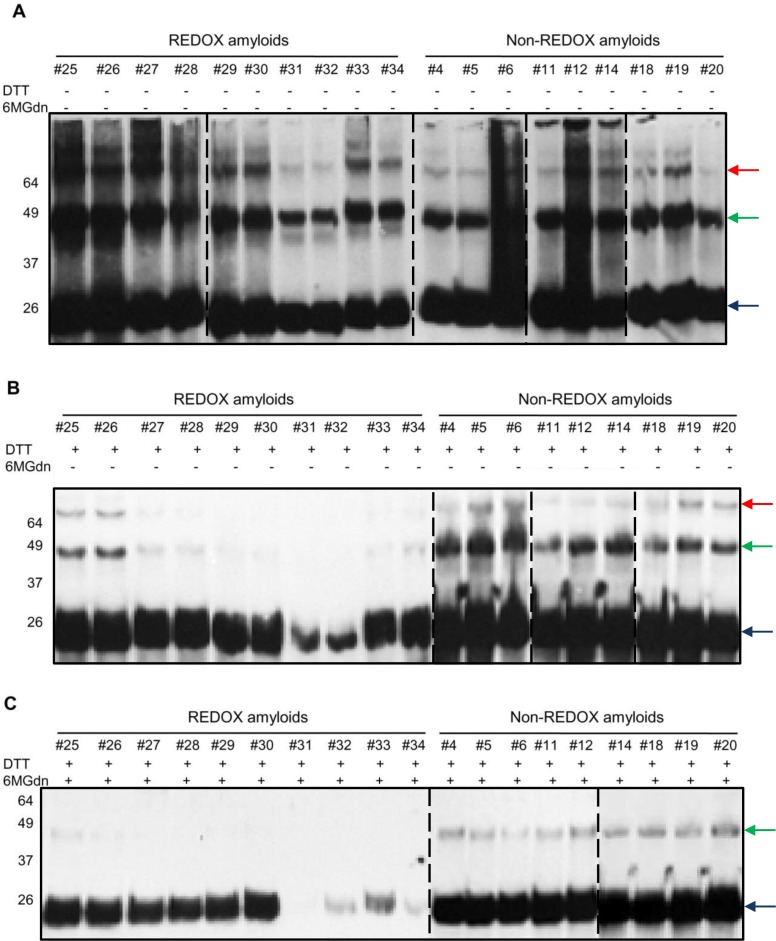
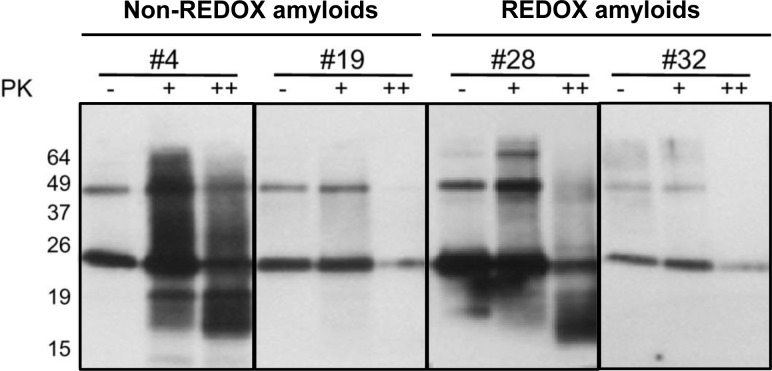
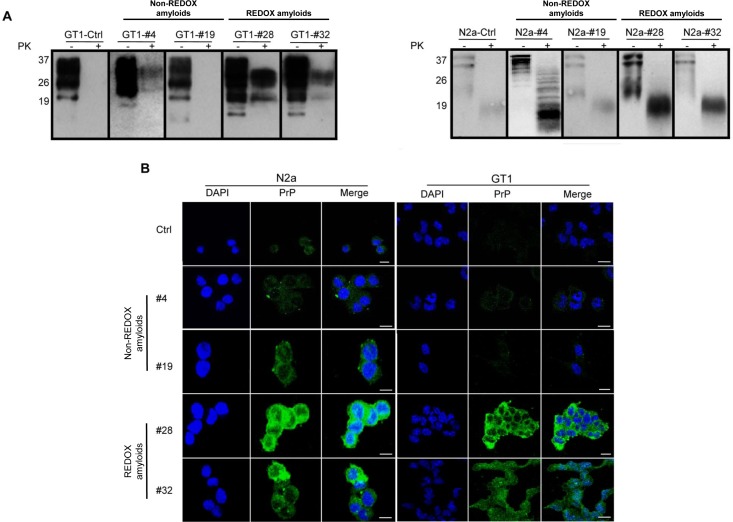
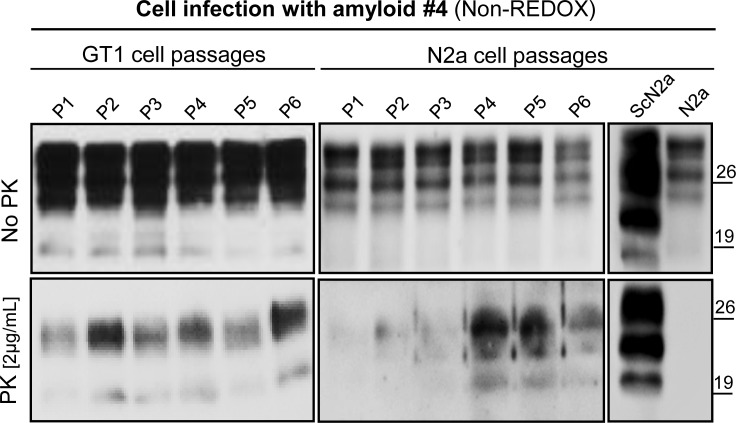
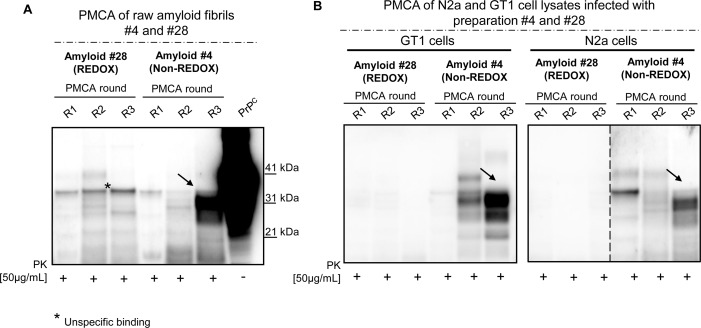
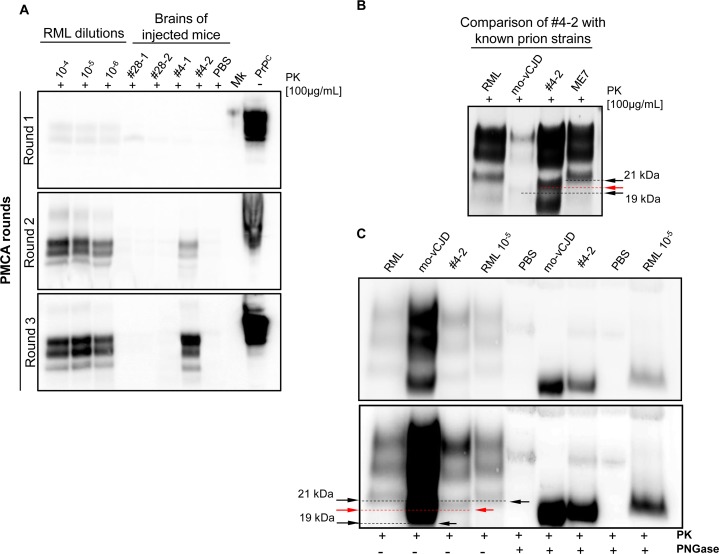
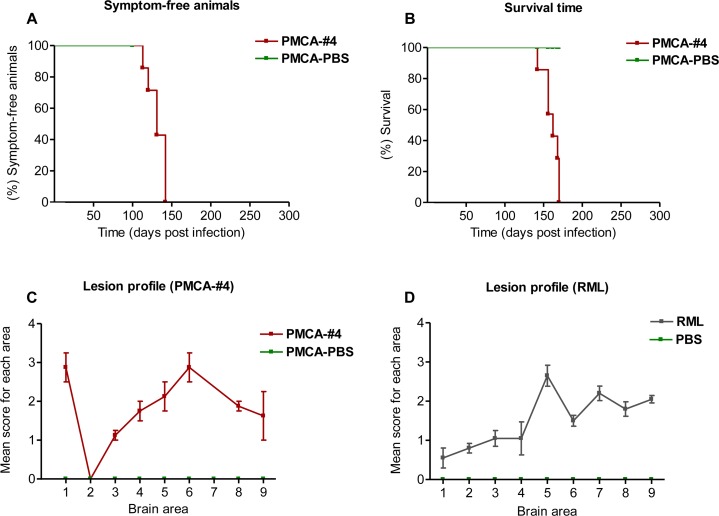
Prions are infectious proteins that possess multiple self-propagating structures. The information for strains and structural specific barriers appears to be contained exclusively in the folding of the pathological isoform, PrP(Sc). Many recent studies determined that de novo prion strains could be generated in vitro from the structural conversion of recombinant (rec) prion protein (PrP) into amyloidal structures. Our aim was to elucidate the conformational diversity of pathological recPrP amyloids and their biological activities, as well as to gain novel insights in characterizing molecular events involved in mammalian prion conversion and propagation. To this end we generated infectious materials that possess different conformational structures. Our methodology for the prion conversion of recPrP required only purified rec full-length mouse (Mo) PrP and common chemicals. Neither infected brain extracts nor amplified PrP(Sc) were used. Following two different in vitro protocols recMoPrP converted to amyloid fibrils without any seeding factor. Mouse hypothalamic GT1 and neuroblastoma N2a cell lines were infected with these amyloid preparations as fast screening methodology to characterize the infectious materials. Remarkably, a large number of amyloid preparations were able to induce the conformational change of endogenous PrPC to harbor several distinctive proteinase-resistant PrP forms. One such preparation was characterized in vivo habouring a synthetic prion with novel strain specified neuropathological and biochemical properties.
朊病毒是具有多种自我传播结构的传染性蛋白质。毒株信息和结构特异性屏障似乎仅包含在病理性异构体PrP(Sc)的折叠中。最近的许多研究表明,重组(rec)朊病毒蛋白(PrP)可在体外通过结构转化为淀粉样结构产生新的朊病毒毒株。我们的目标是阐明病理性recPrP淀粉样蛋白的构象多样性及其生物学活性,以及在表征参与哺乳动物朊病毒转化和传播的分子事件方面获得新的见解。为此,我们生成了具有不同构象结构的感染性物质。我们将recPrP转化为朊病毒的方法仅需要纯化的全长小鼠(Mo)PrP和常见化学物质。既未使用感染的脑提取物,也未使用扩增的PrP(Sc)。按照两种不同的体外方案,recMoPrP在没有任何接种因子的情况下转化为淀粉样纤维。将小鼠下丘脑GT1和神经母细胞瘤N2a细胞系用这些淀粉样制剂感染,作为快速筛选方法来表征感染性物质。值得注意的是,大量淀粉样制剂能够诱导内源性PrPC的构象变化,使其具有几种独特的蛋白酶抗性PrP形式。其中一种制剂在体内被表征为携带具有新毒株特定神经病理学和生化特性的合成朊病毒。