Phan Nhan Lu-Chinh, Trinh Ngu Van, Pham Phuc Van
Laboratory of Stem Cell Research and Application, University of Science, Vietnam National University, Ho Chi Minh City, Vietnam.
Onco Targets Ther. 2015 Dec 23;9:49-59. doi: 10.2147/OTT.S96291. eCollection 2016.
Breast cancer stem cells (BCSCs) are considered the cause of tumor growth, multidrug resistance, metastasis, and recurrence. Therefore, differentiation therapy to reduce self-renewal of BCSCs is a promising approach. We have examined the effects of 5-aza-2'-deoxycytidine (DAC) on BCSC differentiation.
BCSCs were treated with a range of DAC concentrations from 0.625 to 100 µM. The differentiation status of DAC-treated BCSCs was graded by changes in cell proliferation, CD44(+)CD24(-) phenotype, expression of tumor suppressor genes, including BRCA1, BRCA2, p15, p16, p53, and PTEN, and antitumor drug resistance.
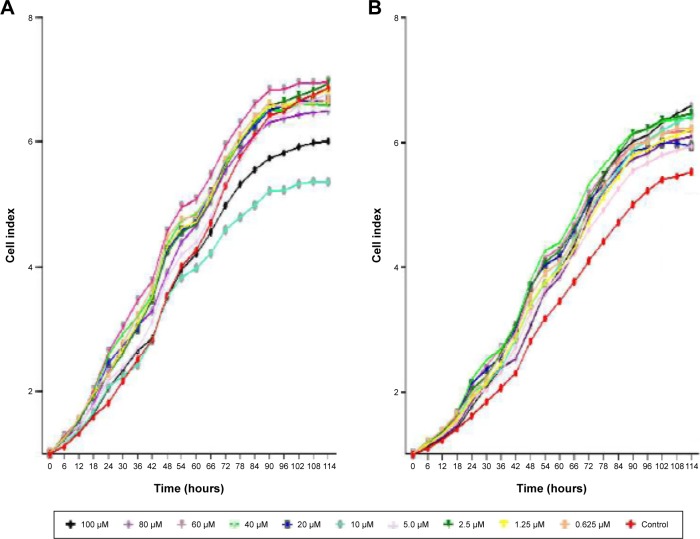
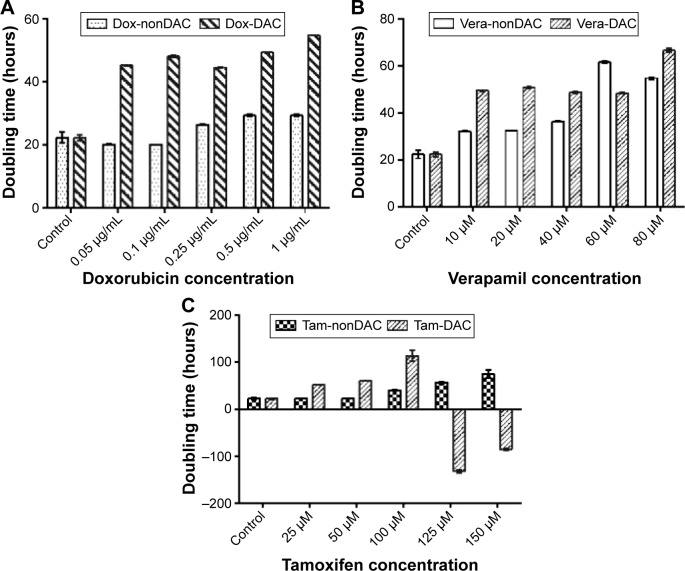
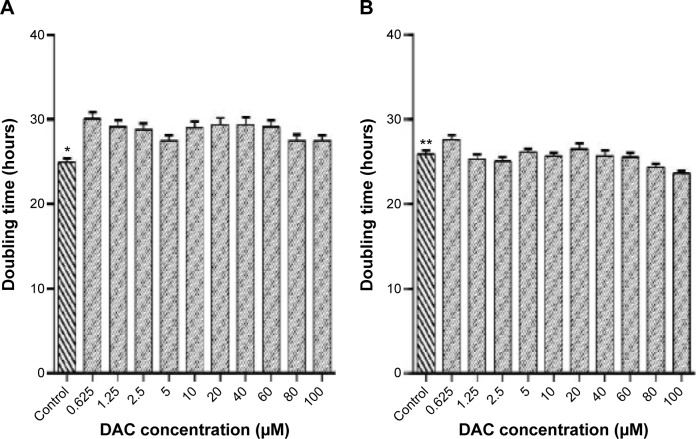
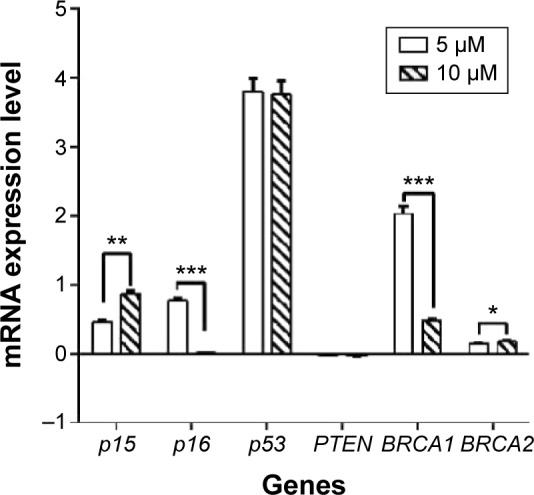
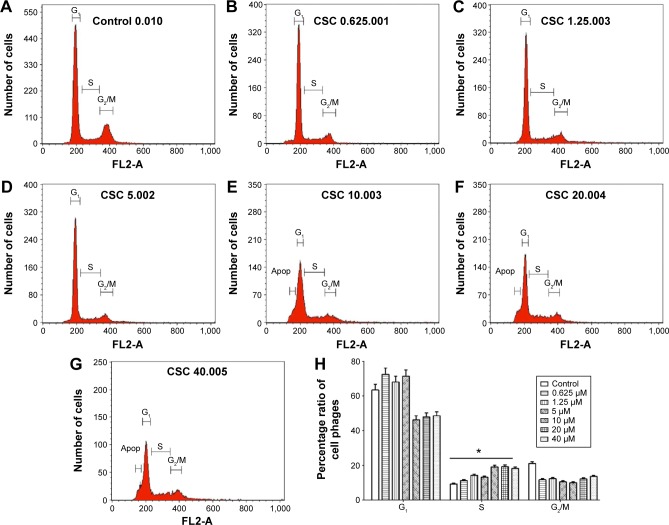
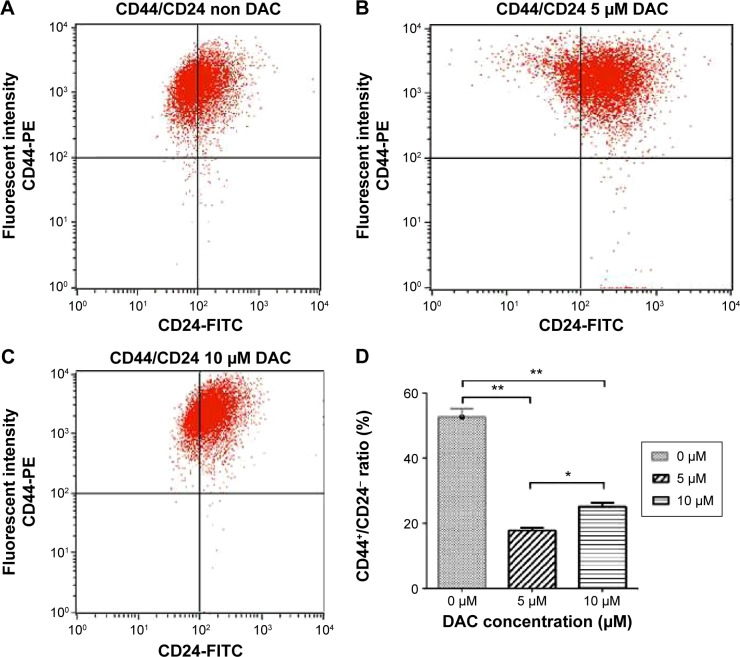
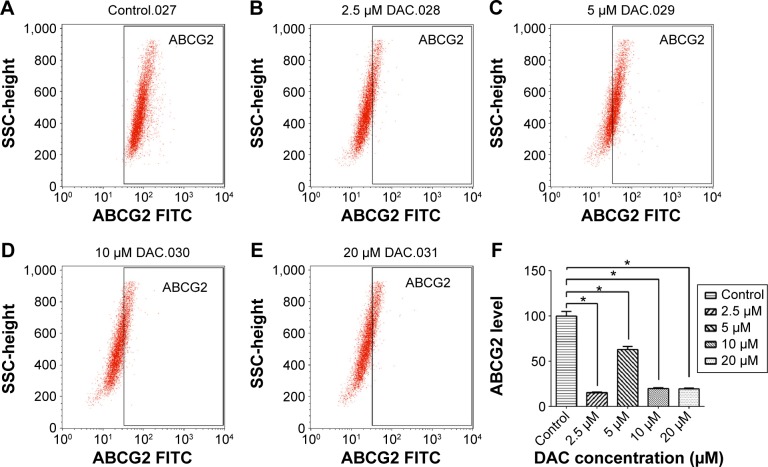
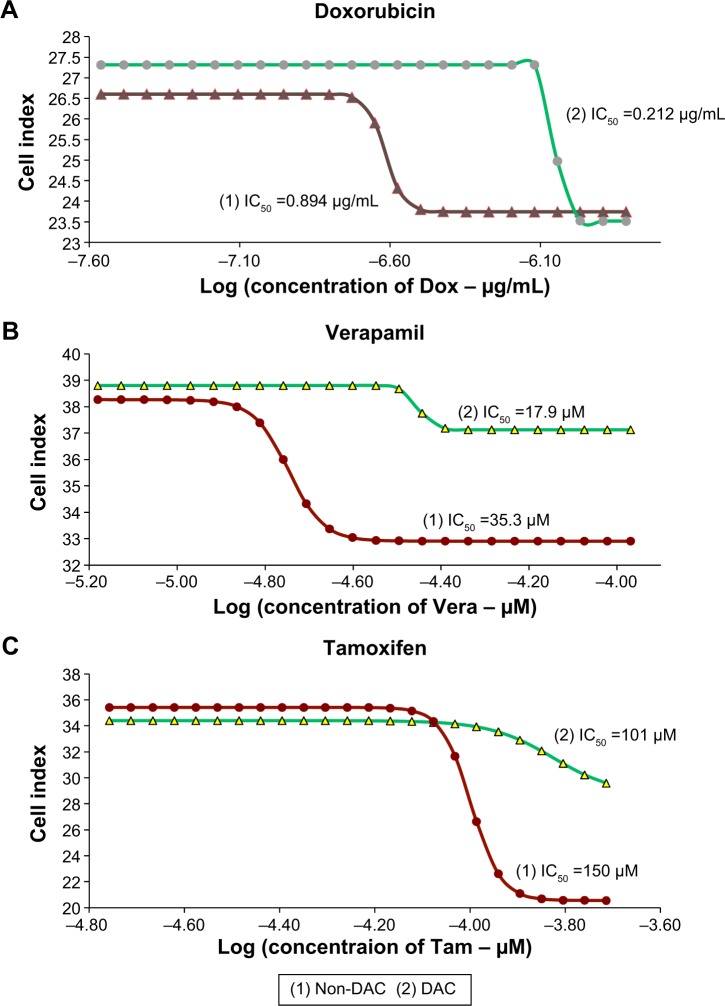
DAC treatment caused significant BCSC differentiation. BCSCs showed a 15%-23% reduction in proliferation capacity, 3.0%-21.3% decrease in the expression of BCSC marker CD44(+)/CD24(-), activation of p53 expression, and increased p15, p16, BRCA1, and BRCA2 expression. Concentrations of DAC ranging from 0.625 to 40 µM efficiently induce cell cycle arrest in S-phase. ABCG2, highly expressed in BCSCs, also decreased with DAC exposure. Of particular note, drug-sensitivity of BCSCs to doxorubicin, verapamil, and tamoxifen also increased 1.5-, 2.0-, and 3.7-fold, respectively, after pretreatment with DAC.
DAC reduced breast cancer cell survival and induced differentiation through reexpression of tumor suppressor genes. These results indicate the potential of DAC in targeting specific chemotherapy-resistant cells within a tumor.
乳腺癌干细胞(BCSCs)被认为是肿瘤生长、多药耐药、转移和复发的原因。因此,通过分化疗法降低BCSCs的自我更新能力是一种很有前景的方法。我们研究了5-氮杂-2'-脱氧胞苷(DAC)对BCSC分化的影响。
用浓度范围为0.625至100μM的一系列DAC处理BCSCs。通过细胞增殖、CD44(+)CD24(-)表型、包括BRCA1、BRCA2、p15、p16、p53和PTEN在内的肿瘤抑制基因表达以及抗肿瘤药物耐药性的变化,对经DAC处理的BCSCs的分化状态进行分级。
DAC处理导致显著的BCSC分化。BCSCs的增殖能力降低了15%-23%,BCSC标志物CD44(+)/CD24(-)的表达降低了3.0%-21.3%,p53表达激活,p15、p16、BRCA1和BRCA2表达增加。浓度范围为0.625至40μM的DAC能有效诱导细胞周期停滞于S期。在BCSCs中高表达的ABCG2也随着DAC处理而降低。特别值得注意的是,在用DAC预处理后,BCSCs对阿霉素、维拉帕米和他莫昔芬的药物敏感性也分别增加了1.5倍、2.0倍和3.7倍。
DAC通过肿瘤抑制基因的重新表达降低了乳腺癌细胞的存活率并诱导了分化。这些结果表明DAC在靶向肿瘤内特定的化疗耐药细胞方面具有潜力。