Zheng Fei, Kasper Lawryn H, Bedford David C, Lerach Stephanie, Teubner Brett J W, Brindle Paul K
Department of Biochemistry, St Jude Children's Research Hospital, Memphis, TN 38105, United States of America.
Department of Developmental Neurobiology, St Jude Children's Research Hospital, Memphis, TN 38105, United States of America.
PLoS One. 2016 Jan 5;11(1):e0146366. doi: 10.1371/journal.pone.0146366. eCollection 2016.
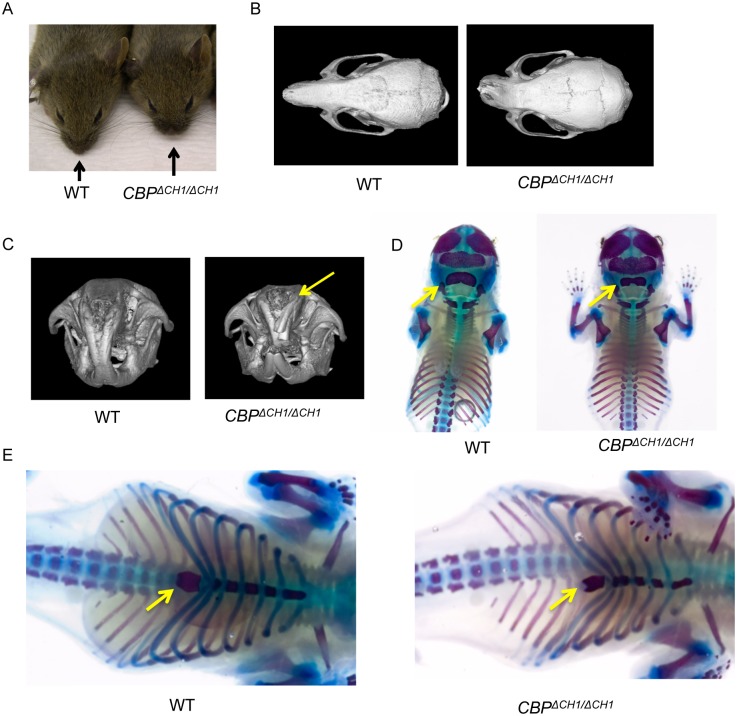
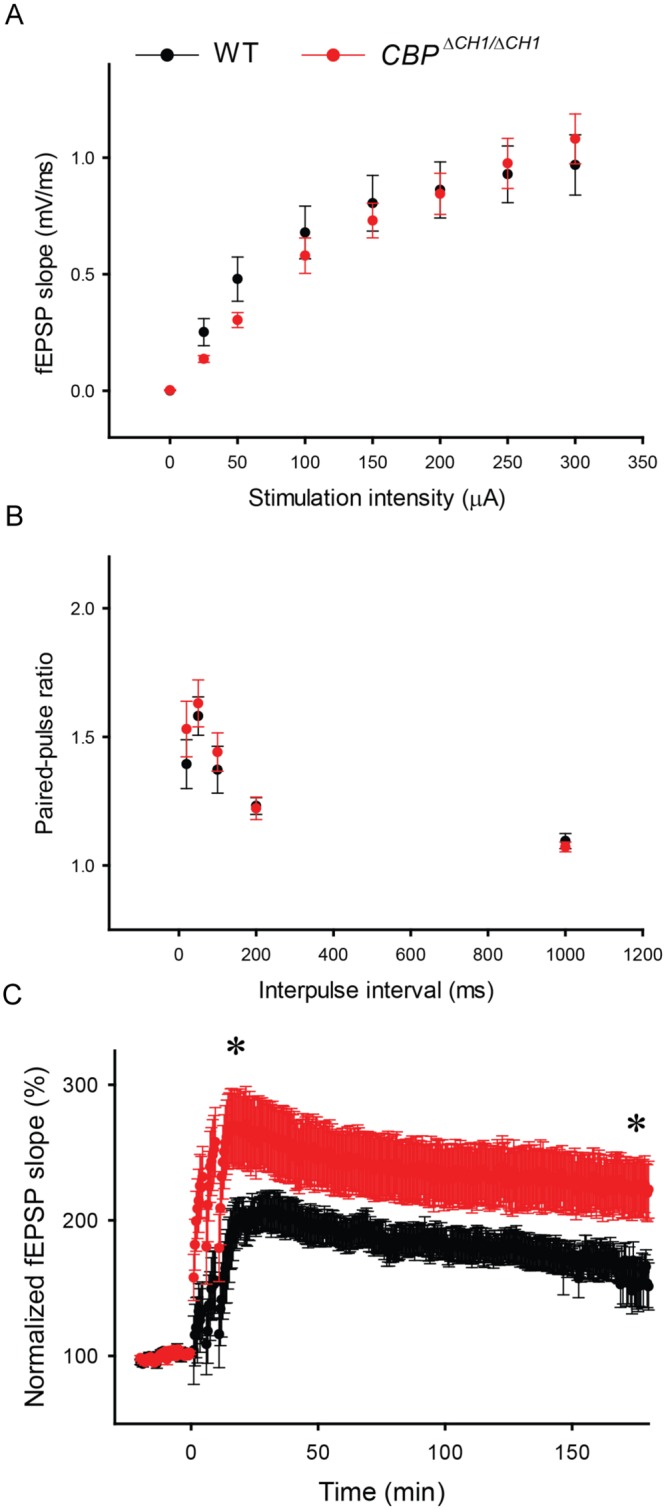
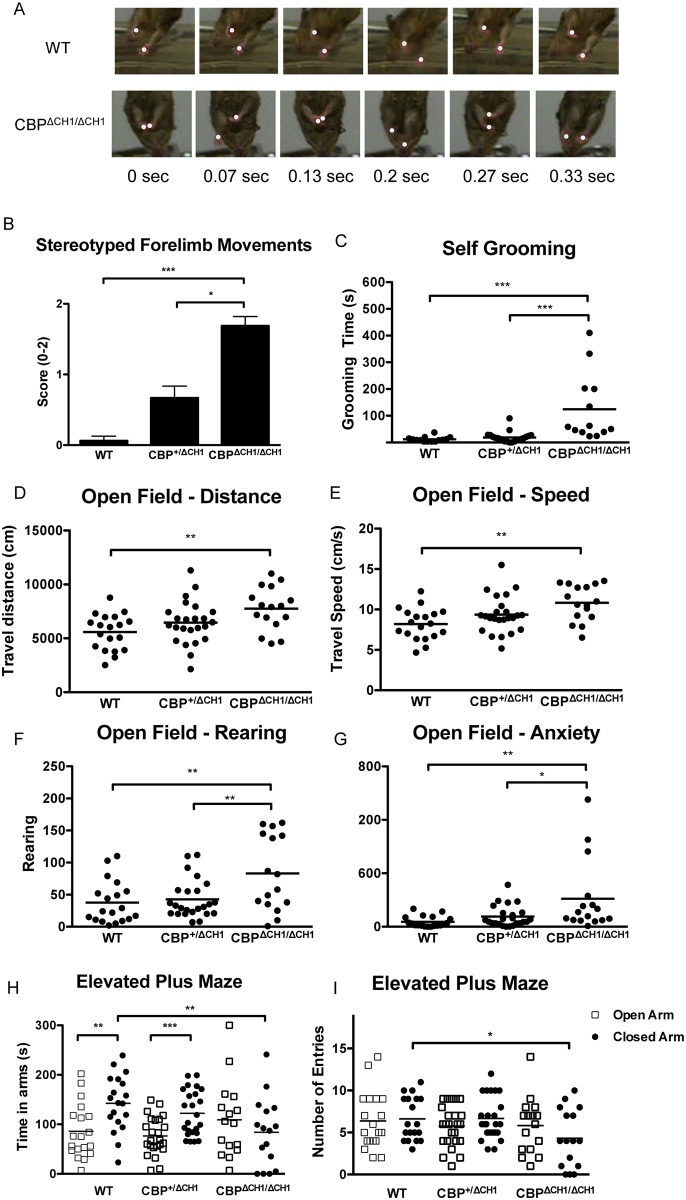
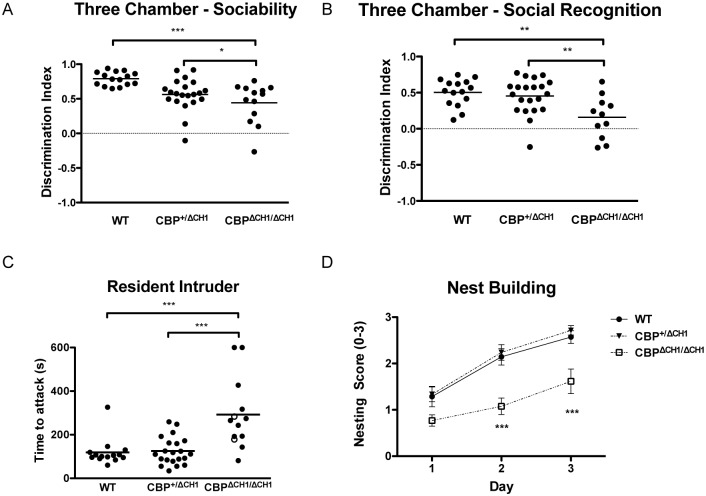
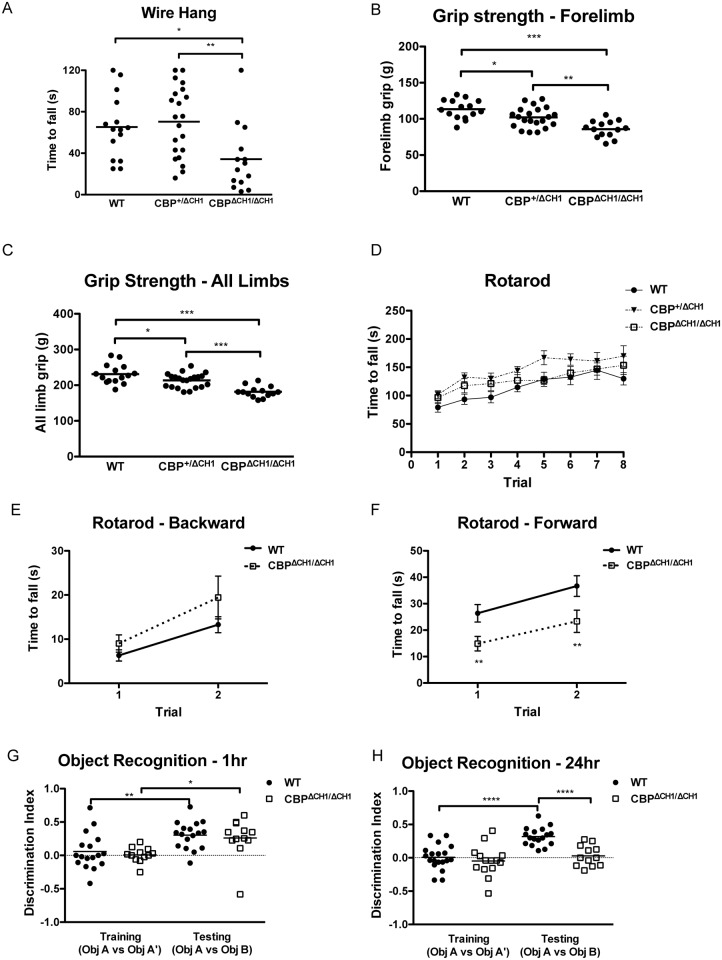
Autism spectrum disorders (ASDs) are a group of neurodevelopmental afflictions characterized by repetitive behaviors, deficits in social interaction, and impaired communication skills. For most ASD patients, the underlying causes are unknown. Genetic mutations have been identified in about 25 percent of ASD cases, including mutations in epigenetic regulators, suggesting that dysregulated chromatin or DNA function is a critical component of ASD. Mutations in the histone acetyltransferase CREB binding protein (CBP, CREBBP) cause Rubinstein-Taybi Syndrome (RTS), a developmental disorder that includes ASD-like symptoms. Recently, genomic studies involving large numbers of ASD patient families have theoretically modeled CBP and its paralog p300 (EP300) as critical hubs in ASD-associated protein and gene interaction networks, and have identified de novo missense mutations in highly conserved residues of the CBP acetyltransferase and CH1 domains. Here we provide animal model evidence that supports this notion that CBP and its CH1 domain are relevant to autism. We show that mice with a deletion mutation in the CBP CH1 (TAZ1) domain (CBPΔCH1/ΔCH1) have an RTS-like phenotype that includes ASD-relevant repetitive behaviors, hyperactivity, social interaction deficits, motor dysfunction, impaired recognition memory, and abnormal synaptic plasticity. Our results therefore indicate that loss of CBP CH1 domain function contributes to RTS, and possibly ASD, and that this domain plays an essential role in normal motor function, cognition and social behavior. Although the key physiological functions affected by ASD-associated mutation of epigenetic regulators have been enigmatic, our findings are consistent with theoretical models involving CBP and p300 in ASD, and with a causative role for recently described ASD-associated CBP mutations.
自闭症谱系障碍(ASD)是一组神经发育疾病,其特征为重复行为、社交互动缺陷和沟通技能受损。对于大多数ASD患者而言,潜在病因尚不清楚。在约25%的ASD病例中已鉴定出基因突变,包括表观遗传调节因子的突变,这表明染色质或DNA功能失调是ASD的关键组成部分。组蛋白乙酰转移酶CREB结合蛋白(CBP,CREBBP)的突变会导致鲁宾斯坦-泰比综合征(RTS),这是一种包括ASD样症状的发育障碍。最近,涉及大量ASD患者家系的基因组研究从理论上把CBP及其旁系同源物p300(EP300)模拟为ASD相关蛋白质和基因相互作用网络中的关键枢纽,并在CBP乙酰转移酶和CH1结构域的高度保守残基中鉴定出新生错义突变。在此,我们提供动物模型证据来支持这一观点,即CBP及其CH1结构域与自闭症相关。我们发现,CBP CH1(TAZ1)结构域存在缺失突变的小鼠(CBPΔCH1/ΔCH1)具有RTS样表型,包括与ASD相关的重复行为、多动、社交互动缺陷、运动功能障碍、识别记忆受损和异常的突触可塑性。因此,我们的结果表明,CBP CH1结构域功能丧失会导致RTS,可能还会导致ASD,并且该结构域在正常运动功能、认知和社会行为中起着至关重要的作用。尽管表观遗传调节因子的ASD相关突变所影响的关键生理功能一直是个谜,但我们的发现与涉及CBP和p300在ASD中的理论模型一致,也与最近描述的ASD相关CBP突变的致病作用一致。