González-Garrido Antonia, Vega Rosario, Mercado Francisco, López Iván A, Soto Enrique
Instituto de Fisiología, Benemérita Universidad Autónoma de Puebla Puebla, Mexico.
Dirección de Investigaciones en Neurociencias, Instituto Nacional de Psiquiatría Ramón de la Fuente Muñiz México D.F., Mexico.
Front Cell Neurosci. 2015 Dec 22;9:483. doi: 10.3389/fncel.2015.00483. eCollection 2015.
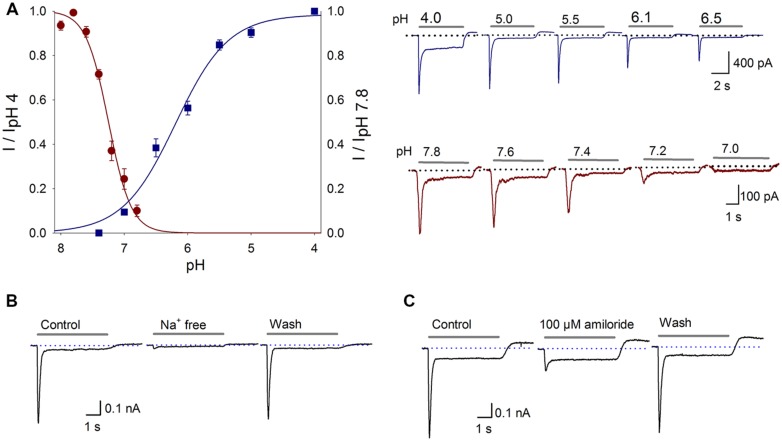
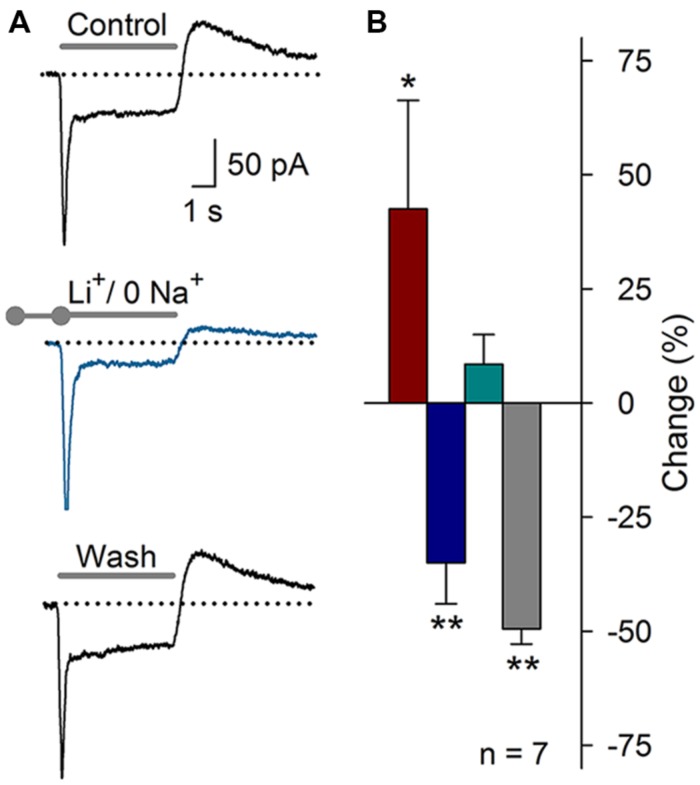
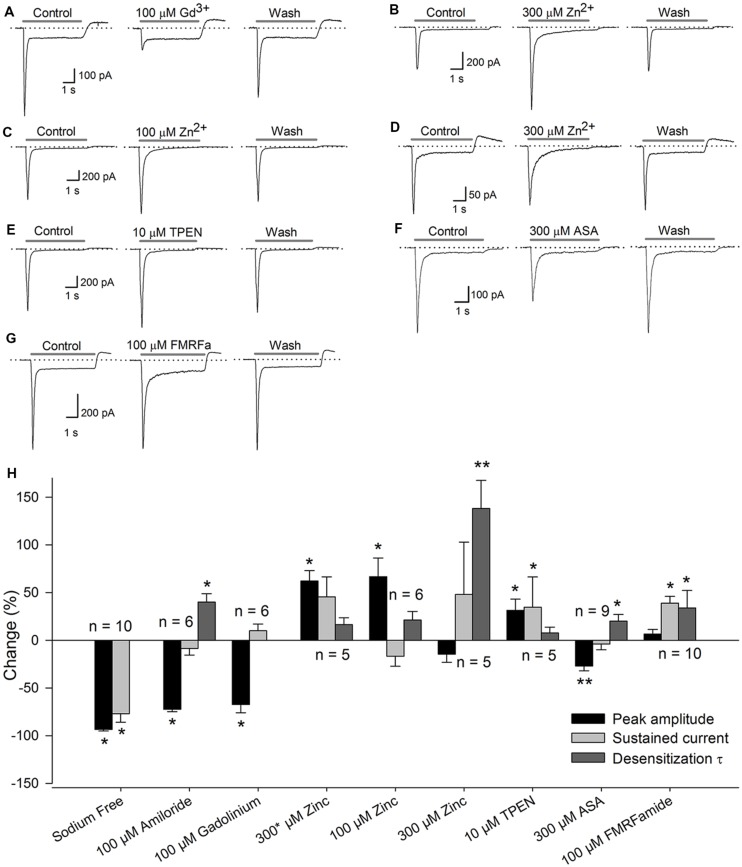
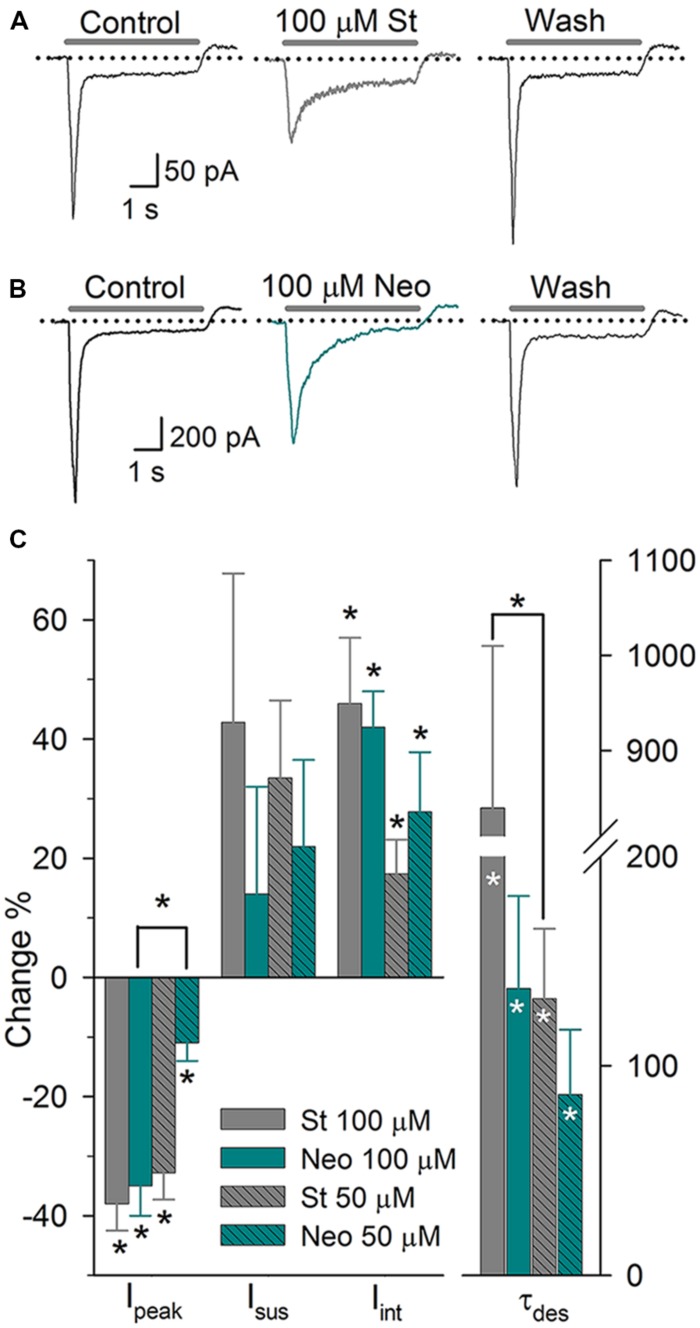
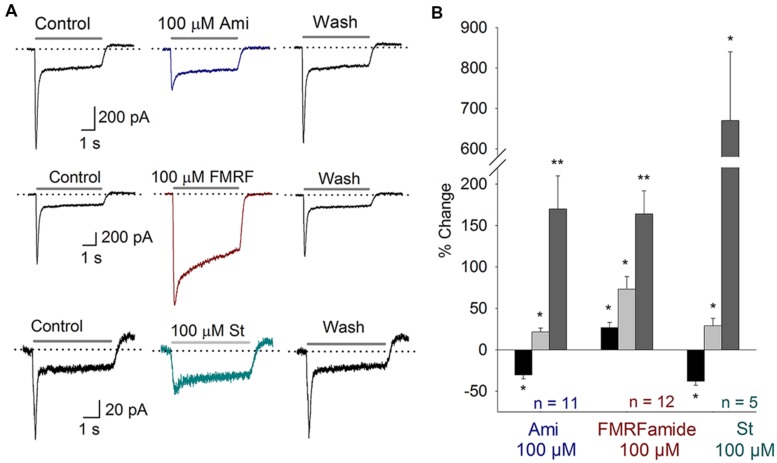
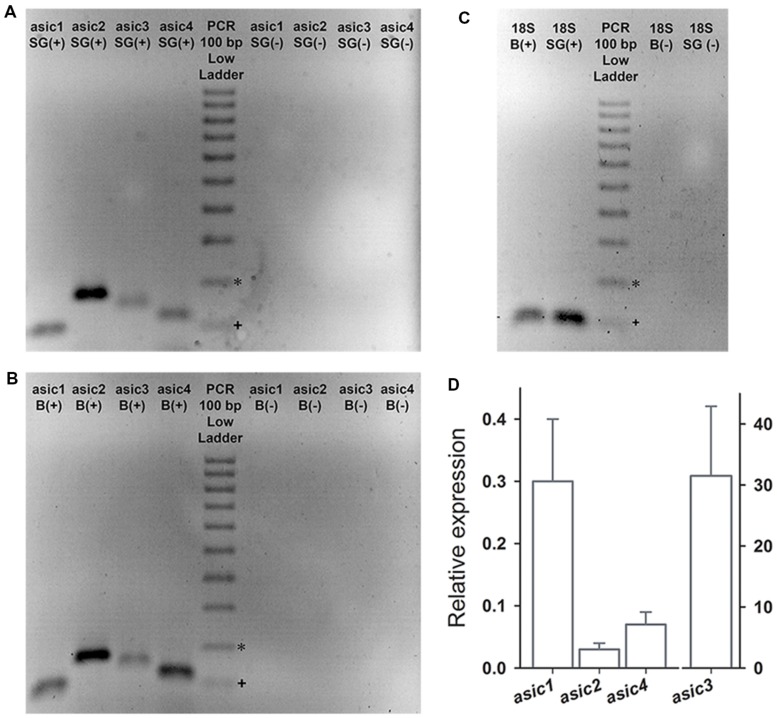
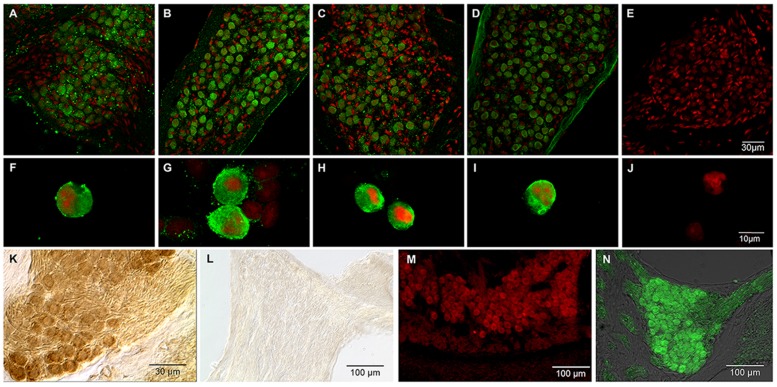
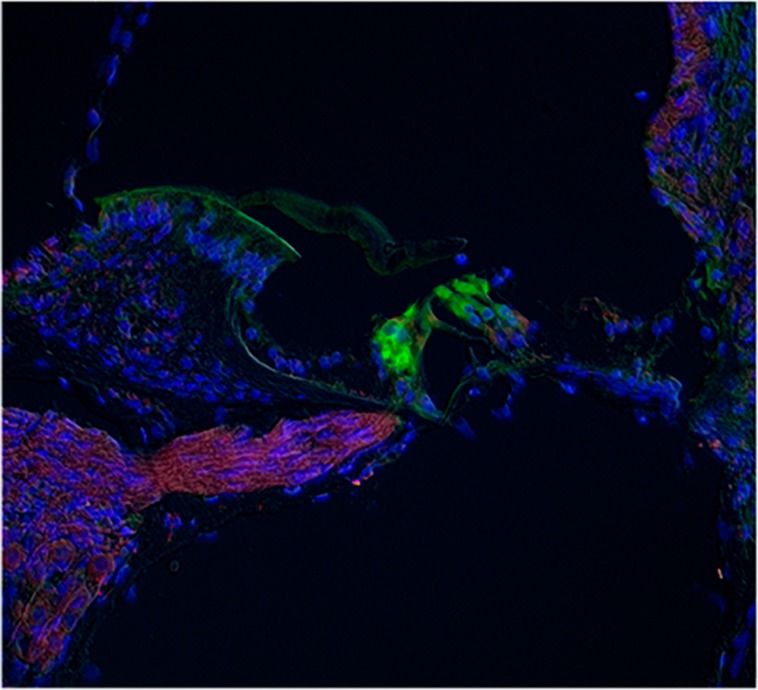
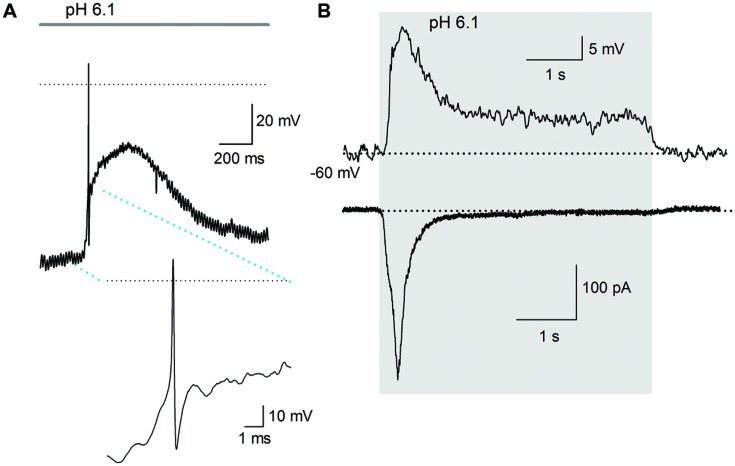
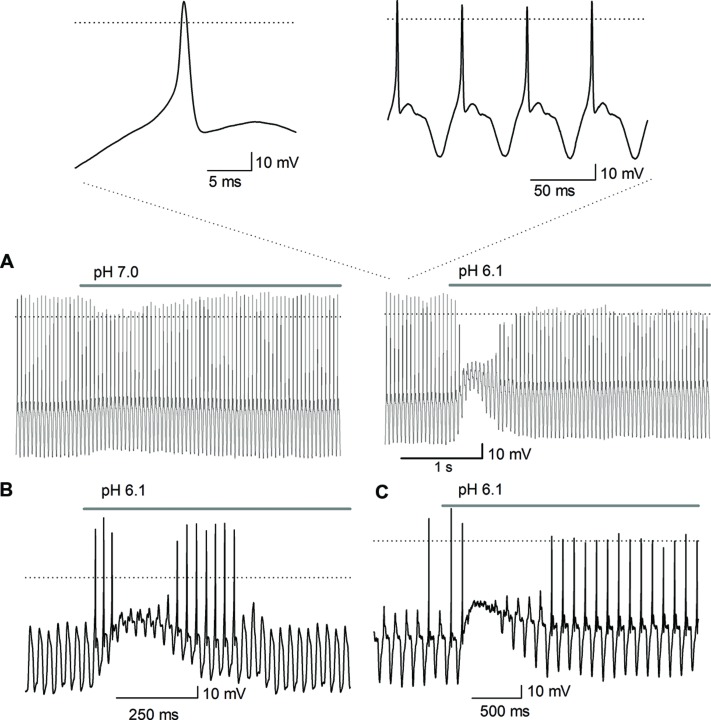
Acid-sensing ion channels (ASICs) are activated by an increase in the extracellular proton concentration. There are four genes (ASIC1-4) that encode six subunits, and they are involved in diverse neuronal functions, such as mechanosensation, learning and memory, nociception, and modulation of retinal function. In this study, we characterize the ASIC currents of spiral ganglion neurons (SGNs). These ASIC currents are primarily carried by Na(+), exhibit fast activation and desensitization, display a pH50 of 6.2 and are blocked by amiloride, indicating that these are ASIC currents. The ASIC currents were further characterized using several pharmacological tools. Gadolinium and acetylsalicylic acid reduced these currents, and FMRFamide, zinc (at high concentrations) and N,N,N',N'-tetrakis-(2-piridilmetil)-ethylenediamine increased them, indicating that functional ASICs are composed of the subunits ASIC1, ASIC2, and ASIC3. Neomycin and streptomycin reduced the desensitization rate of the ASIC current in SGNs, indicating that ASICs may contribute to the ototoxic action of aminoglycosides. RT-PCR of the spiral ganglion revealed significant expression of all ASIC subunits. By immunohistochemistry the expression of the ASIC1a, ASIC2a, ASIC2b, and ASIC3 subunits was detected in SGNs. Although only a few SGNs exhibited action potential firing in response to an acidic stimulus, protons in the extracellular solution modulated SGN activity during sinusoidal stimulation. Our results show that protons modulate the excitability of SGNs via ASICs.
酸敏感离子通道(ASICs)由细胞外质子浓度升高激活。有四个基因(ASIC1 - 4)编码六个亚基,它们参与多种神经元功能,如机械感觉、学习与记忆、伤害感受以及视网膜功能的调节。在本研究中,我们对螺旋神经节神经元(SGNs)的ASIC电流进行了表征。这些ASIC电流主要由Na⁺携带,表现出快速激活和脱敏,pH50为6.2,可被氨氯吡脒阻断,表明这些是ASIC电流。使用几种药理学工具对ASIC电流进行了进一步表征。钆和乙酰水杨酸降低了这些电流,而FMRF酰胺、锌(高浓度时)和N,N,N',N'-四(2 - 吡啶甲基)乙二胺增加了这些电流,表明功能性ASICs由ASIC1、ASIC2和ASIC3亚基组成。新霉素和链霉素降低了SGNs中ASIC电流的脱敏速率,表明ASICs可能参与氨基糖苷类药物的耳毒性作用。螺旋神经节的RT - PCR显示所有ASIC亚基均有显著表达。通过免疫组织化学在SGNs中检测到了ASIC1a、ASIC2a、ASIC2b和ASIC3亚基的表达。尽管只有少数SGNs在酸性刺激下表现出动作电位发放,但细胞外溶液中的质子在正弦刺激期间调节了SGN的活性。我们的结果表明质子通过ASICs调节SGNs的兴奋性。