Deng Xuefeng, Yan Ziying, Cheng Fang, Engelhardt John F, Qiu Jianming
Department of Microbiology, Molecular Genetics and Immunology, University of Kansas Medical Center, Kansas City, Kansas, United States of America.
Department of Anatomy and Cell Biology, College of Medicine, University of Iowa, Iowa City, Iowa, United States of America.
PLoS Pathog. 2016 Jan 14;12(1):e1005399. doi: 10.1371/journal.ppat.1005399. eCollection 2016 Jan.
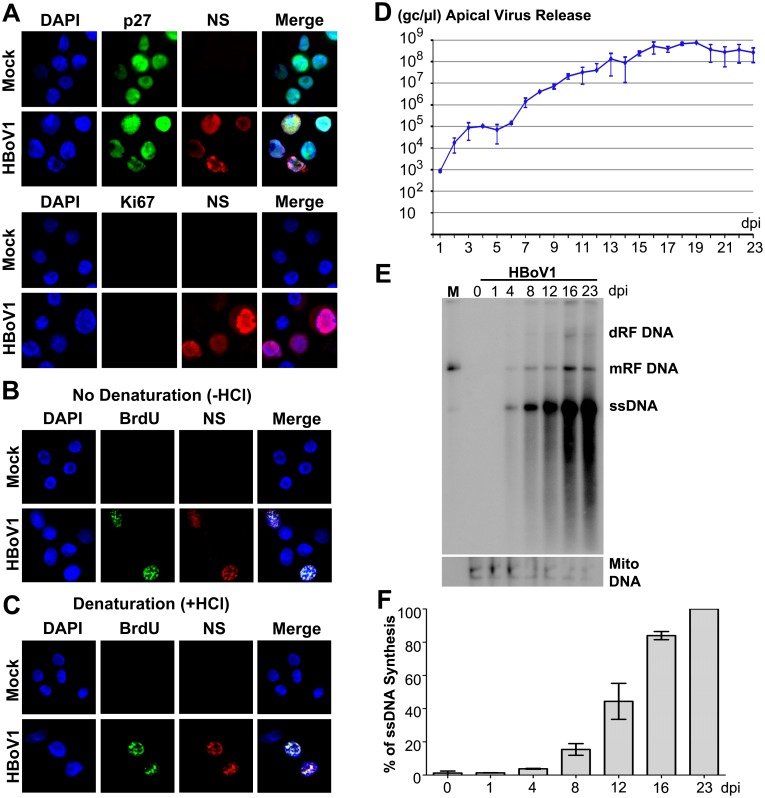
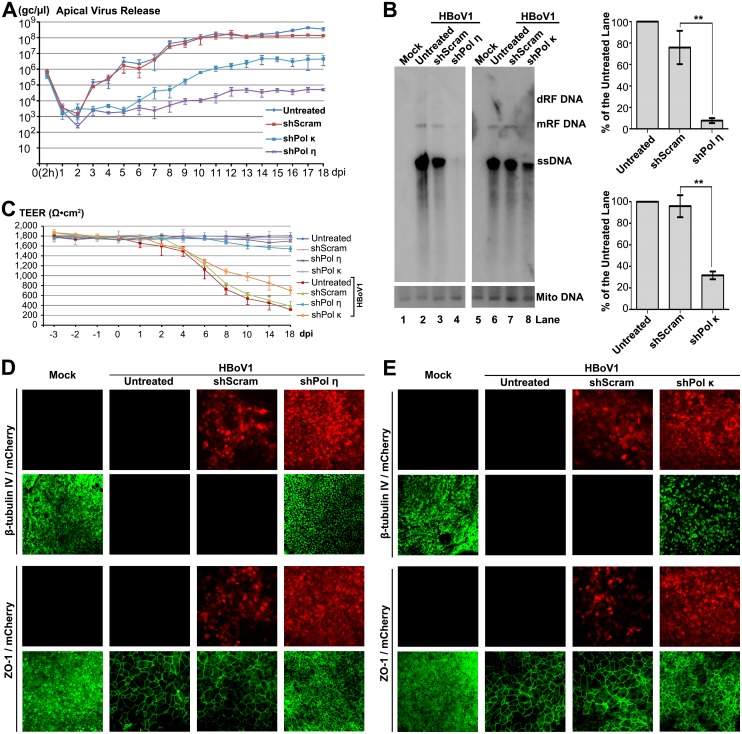
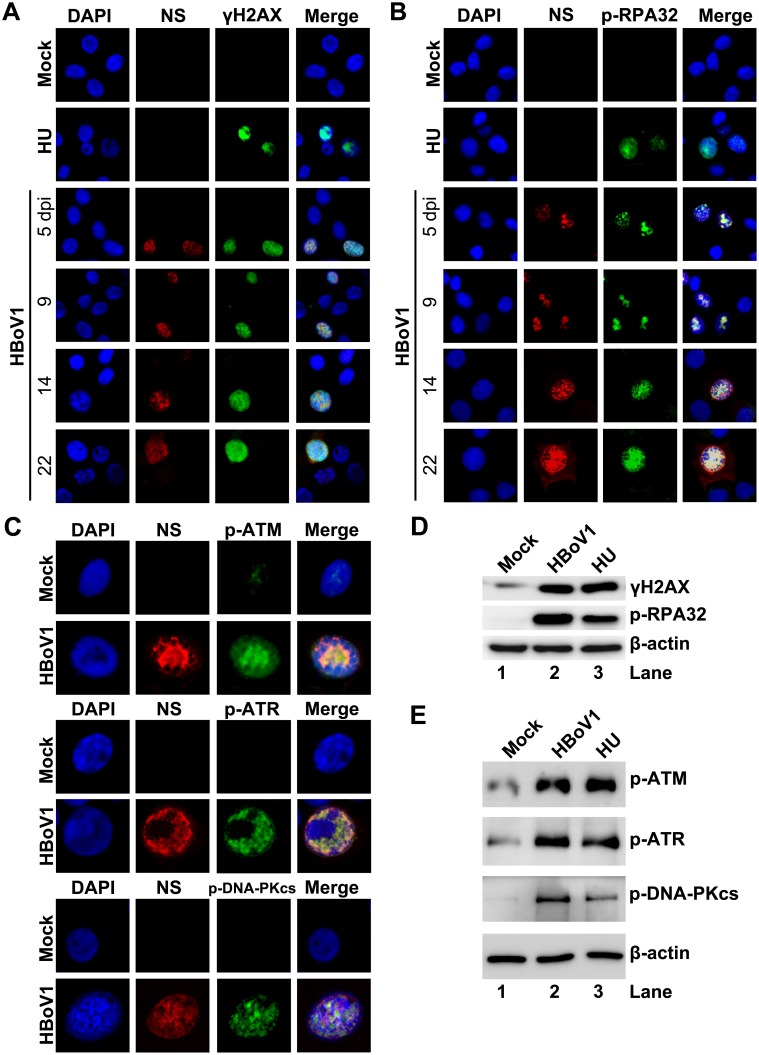
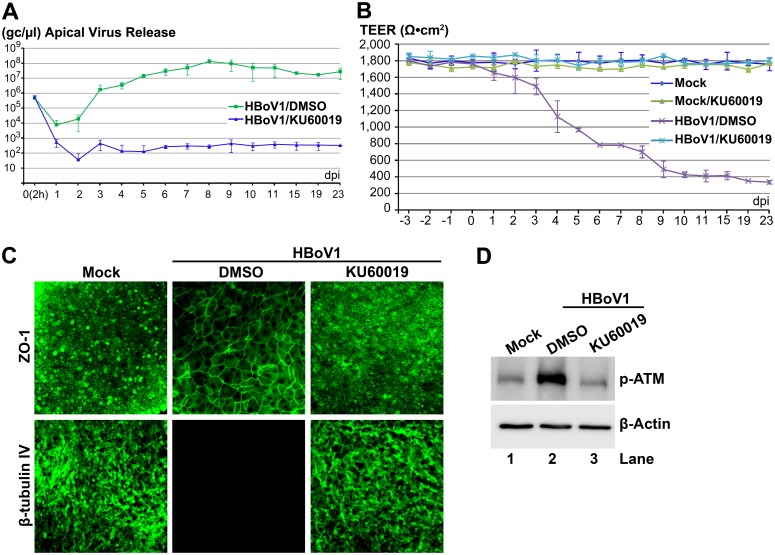
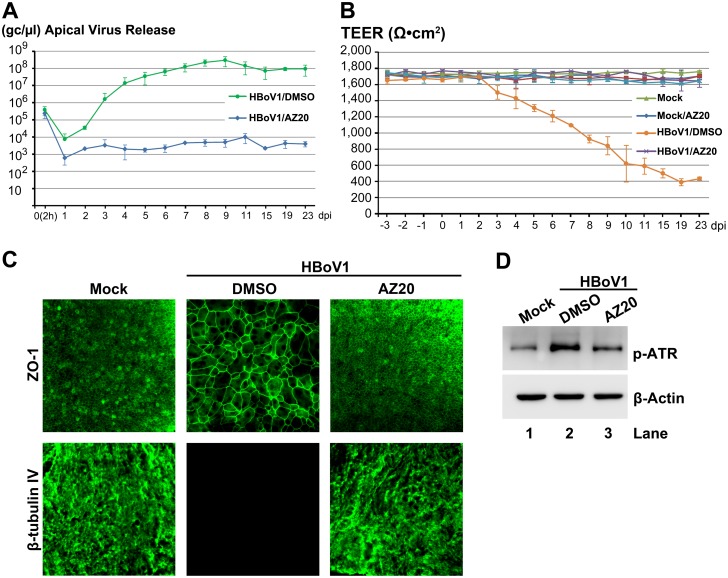
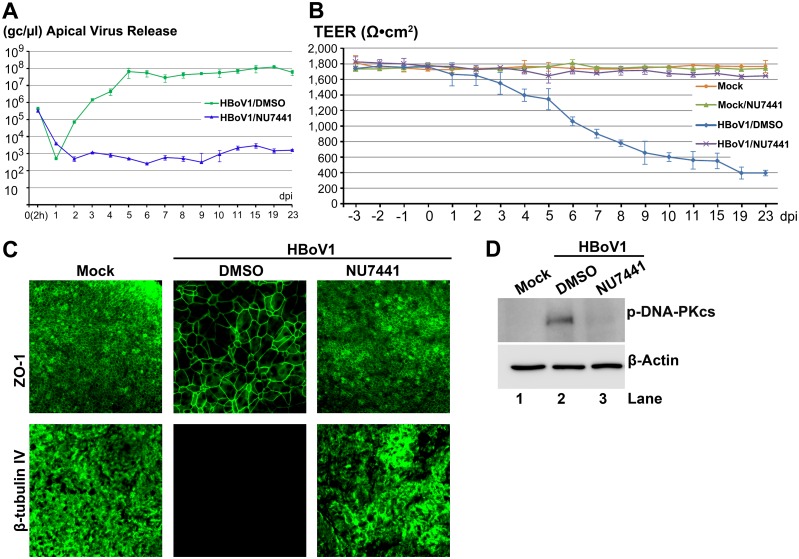
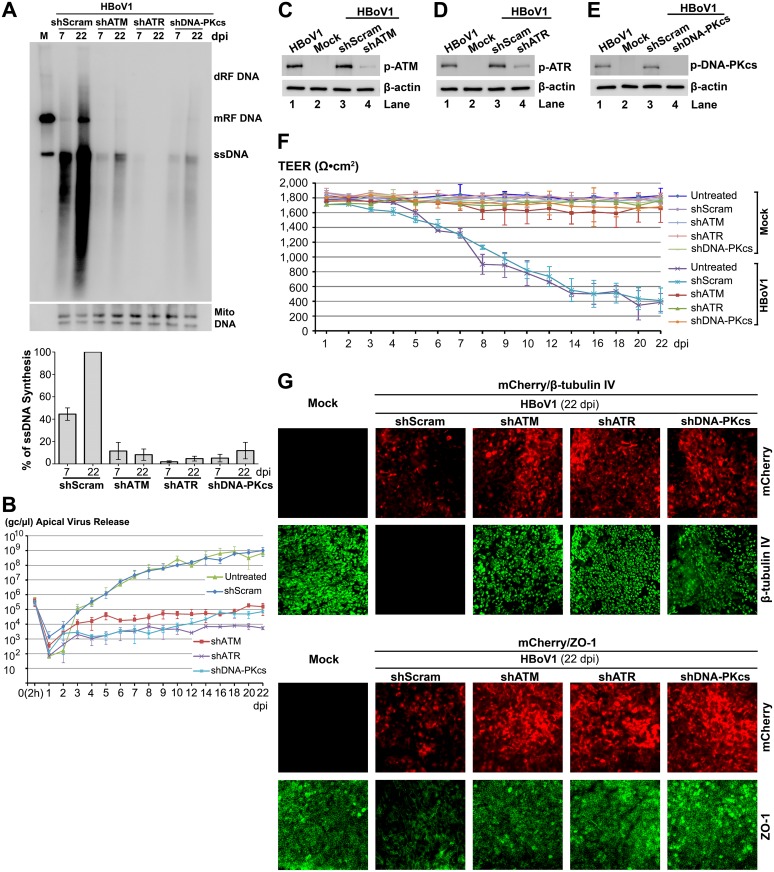
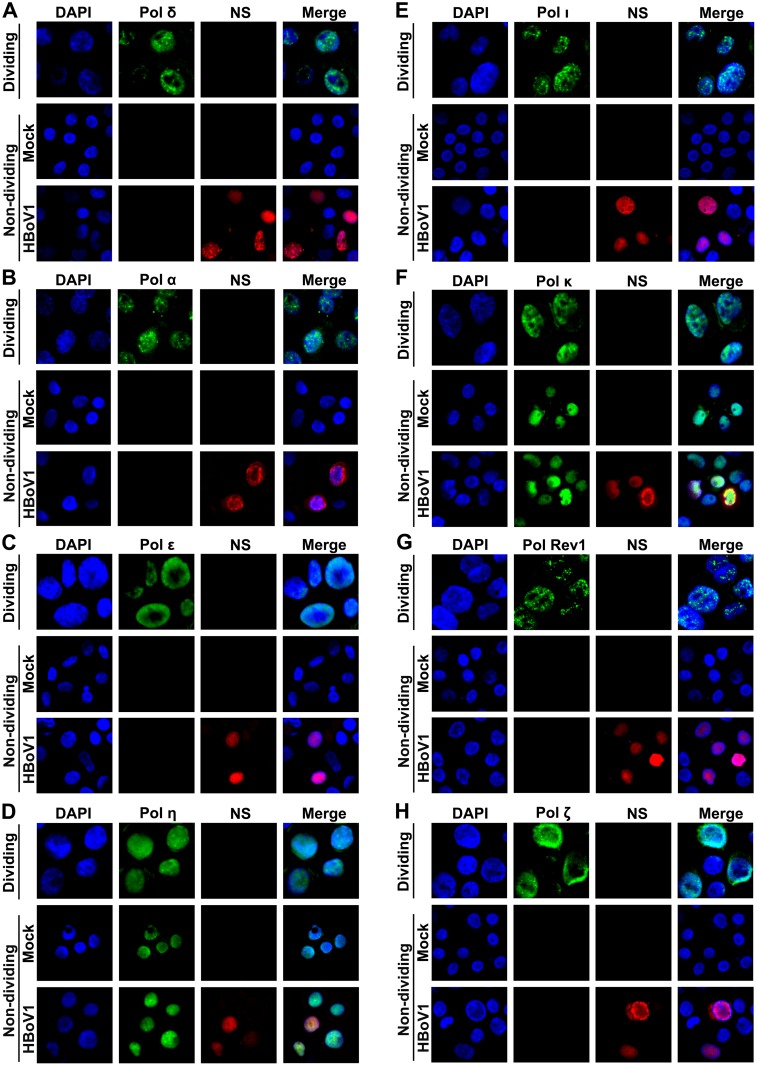
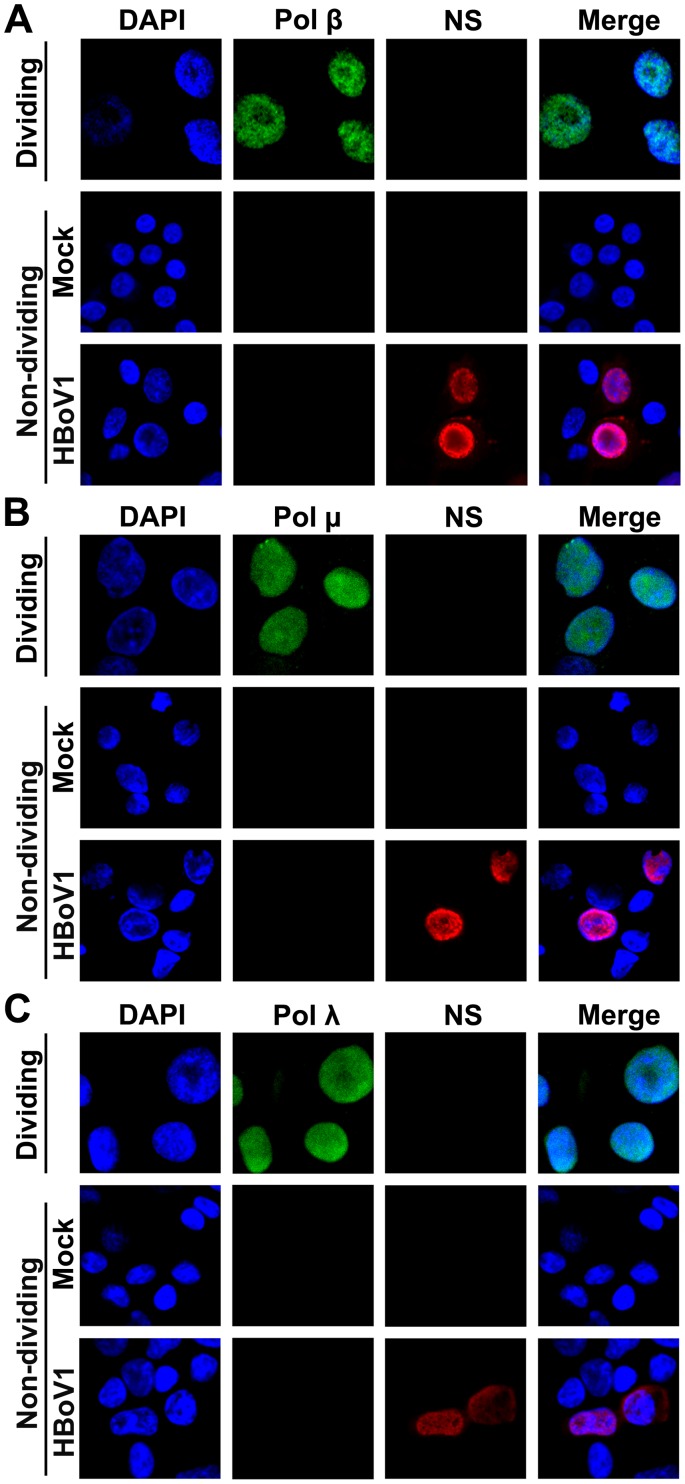
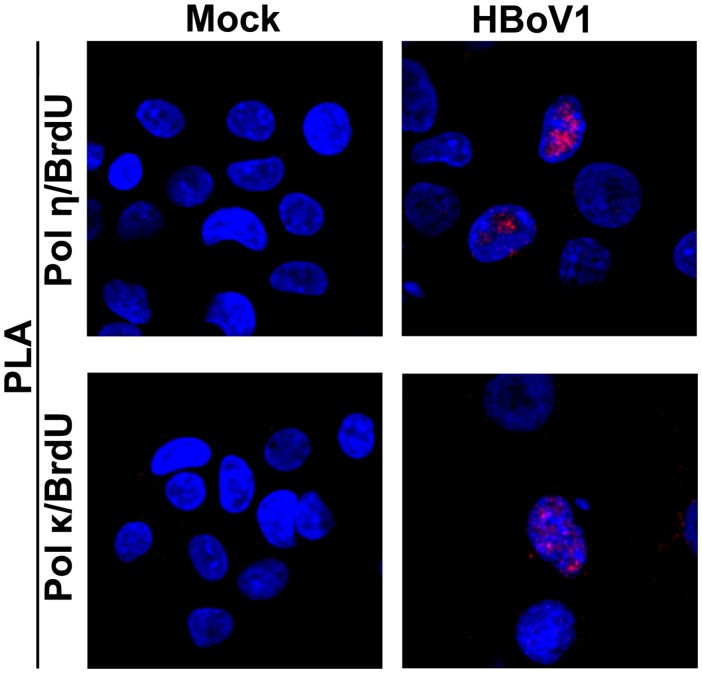
Human bocavirus 1 (HBoV1) belongs to the genus Bocaparvovirus of the Parvoviridae family, and is an emerging human pathogenic respiratory virus. In vitro, HBoV1 infects well-differentiated/polarized primary human airway epithelium (HAE) cultured at an air-liquid interface (HAE-ALI). Although it is well known that autonomous parvovirus replication depends on the S phase of the host cells, we demonstrate here that the HBoV1 genome amplifies efficiently in mitotically quiescent airway epithelial cells of HAE-ALI cultures. Analysis of HBoV1 DNA in infected HAE-ALI revealed that HBoV1 amplifies its ssDNA genome following a typical parvovirus rolling-hairpin DNA replication mechanism. Notably, HBoV1 infection of HAE-ALI initiates a DNA damage response (DDR) with activation of all three phosphatidylinositol 3-kinase-related kinases (PI3KKs). We found that the activation of the three PI3KKs is required for HBoV1 genome amplification; and, more importantly, we identified that two Y-family DNA polymerases, Pol η and Pol κ, are involved in HBoV1 genome amplification. Overall, we have provided an example of de novo DNA synthesis (genome amplification) of an autonomous parvovirus in non-dividing cells, which is dependent on the cellular DNA damage and repair pathways.
人博卡病毒1型(HBoV1)属于细小病毒科博卡细小病毒属,是一种新出现的人类致病性呼吸道病毒。在体外,HBoV1能有效感染在气液界面(HAE-ALI)培养的高度分化/极化的原代人气道上皮细胞(HAE)。尽管众所周知自主细小病毒的复制依赖于宿主细胞的S期,但我们在此证明HBoV1基因组在HAE-ALI培养物的有丝分裂静止气道上皮细胞中能有效扩增。对感染的HAE-ALI中的HBoV1 DNA分析表明,HBoV1按照典型的细小病毒滚发夹DNA复制机制扩增其单链DNA基因组。值得注意的是,HBoV1感染HAE-ALI会引发DNA损伤反应(DDR),激活所有三种磷脂酰肌醇3激酶相关激酶(PI3KKs)。我们发现三种PI3KKs的激活是HBoV1基因组扩增所必需的;更重要的是,我们确定两种Y家族DNA聚合酶,Pol η和Pol κ,参与了HBoV1基因组的扩增。总体而言,我们提供了一个自主细小病毒在非分裂细胞中从头进行DNA合成(基因组扩增)的例子,这依赖于细胞的DNA损伤和修复途径。