Mawioo Peter M, Rweyemamu Audax, Garcia Hector A, Hooijmans Christine M, Brdjanovic Damir
Department of Environmental Engineering and Water Technology, UNESCO-IHE Institute for Water Education, Westvest 7, 2611 AX Delft, The Netherlands.
Department of Environmental Engineering and Water Technology, UNESCO-IHE Institute for Water Education, Westvest 7, 2611 AX Delft, The Netherlands.
Sci Total Environ. 2016 Apr 1;548-549:72-81. doi: 10.1016/j.scitotenv.2016.01.013. Epub 2016 Jan 19.
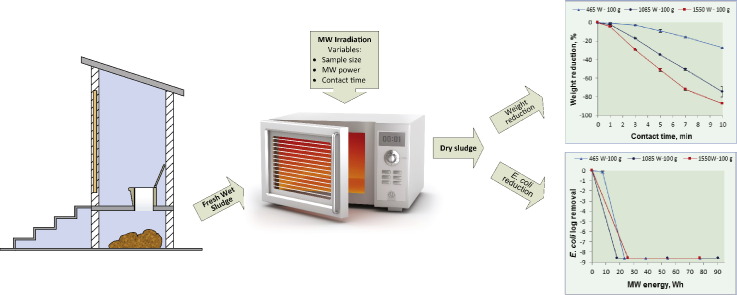
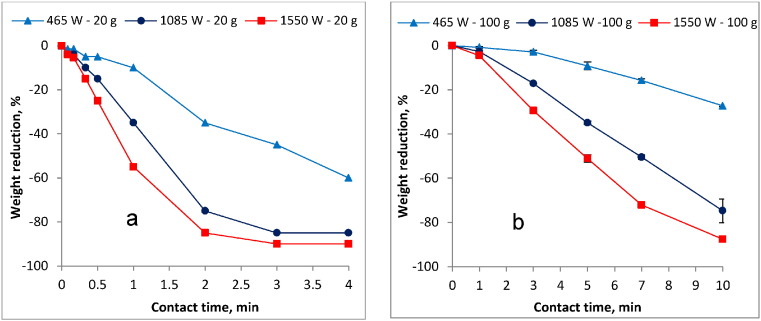
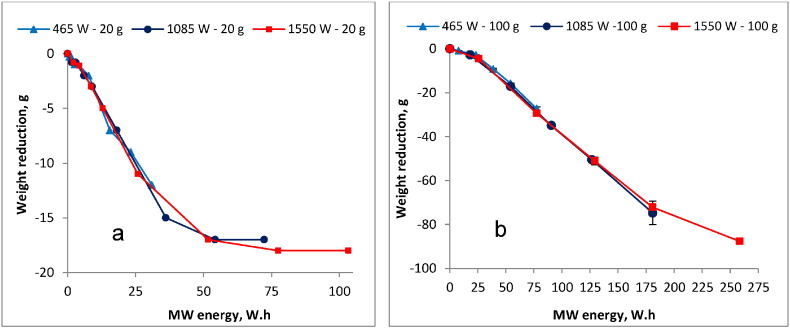
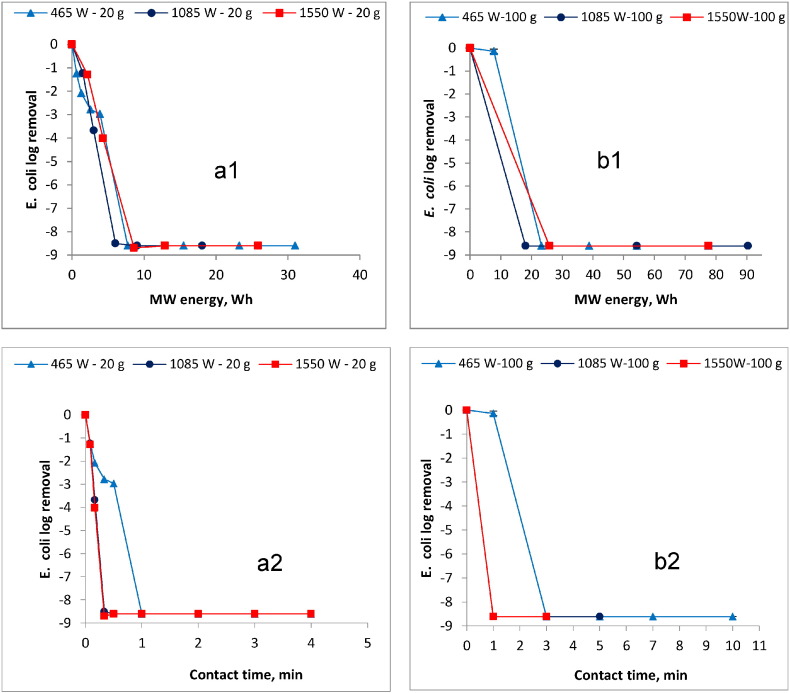
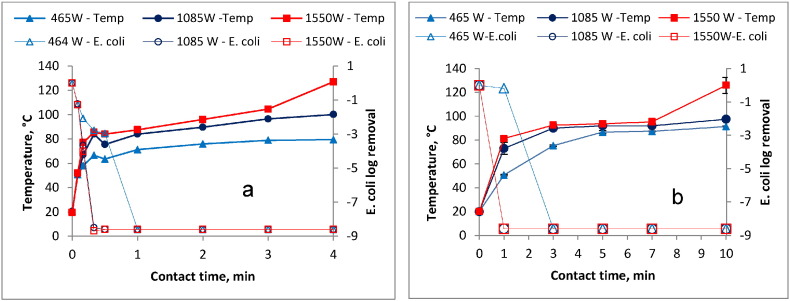
A laboratory-scale microwave (MW) unit was applied to treat fresh blackwater sludge that represented fecal sludge (FS) produced at heavily used toilet facilities. The sludge was exposed to MW irradiation at different power levels and for various durations. Variables such as sludge volume and pathogen reduction were observed. The results demonstrated that the MW is a rapid and efficient technology that can reduce the sludge volume by over 70% in these experimental conditions. The concentration of bacterial pathogenic indicator E. coli also decreased to below the analytical detection levels. Furthermore, the results indicated that the MW operational conditions including radiation power and contact time can be varied to achieve the desired sludge volume and pathogen reduction. MW technology can be further explored for the potential scaling-up as an option for rapid treatment of FS from intensively used sanitation facilities such as in emergency situations.
一个实验室规模的微波(MW)装置被用于处理新鲜黑水污泥,该污泥代表了在使用频繁的厕所设施中产生的粪便污泥(FS)。污泥在不同功率水平下接受微波辐照,并持续不同时长。观察了污泥体积和病原体减少等变量。结果表明,在这些实验条件下,微波是一种快速且高效的技术,可使污泥体积减少70%以上。细菌致病指标大肠杆菌的浓度也降至分析检测水平以下。此外,结果表明,可以改变包括辐射功率和接触时间在内的微波操作条件,以实现所需的污泥体积减少和病原体减少。微波技术可进一步探索其扩大规模的潜力,作为在紧急情况等使用密集的卫生设施中快速处理粪便污泥的一种选择。