Seyed Tootoonchi Seyed Javad, Ghiasi Samad, Shadara Parvaneh, Samani Simin Mirakhor, Fouladi Daniel Fadaei
Tabriz University of Medical Sciences, Imam Reza Teaching Center, Department of ENT, Tabriz, Iran.
Tabriz University of Medical Sciences, Drug Applied Research Center, Tabriz, Iran.
Braz J Otorhinolaryngol. 2016 Sep-Oct;82(5):500-6. doi: 10.1016/j.bjorl.2015.08.021. Epub 2015 Dec 18.
Preventing or reversing hearing loss is challenging in Ménière's disease. Betahistine, as a histamine agonist, has been tried in controlling vertigo in patients with Ménière's disease, but its effectiveness on hearing problems is not known.
To examine the effect of betahistine on hearing function in not-previously-treated patients with Ménière's disease and to define possible contributors in this regard.
A total of 200 not-previously-treated patients with definite unilateral Ménière's disease received betahistine by mouth (initial dose, 16mg three times a day; maintenance dose, 24-48mg daily in divided doses). Changes in indicators of hearing status before and six months after treatment were documented. Hearing loss was considered as the mean hearing level >25dB HL at five frequencies.
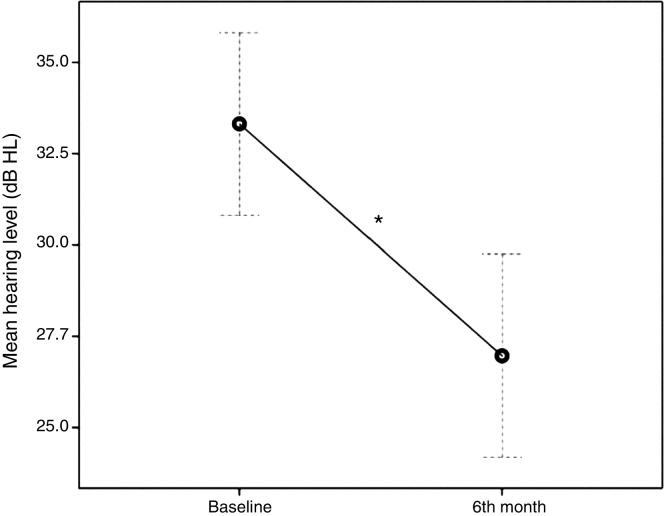
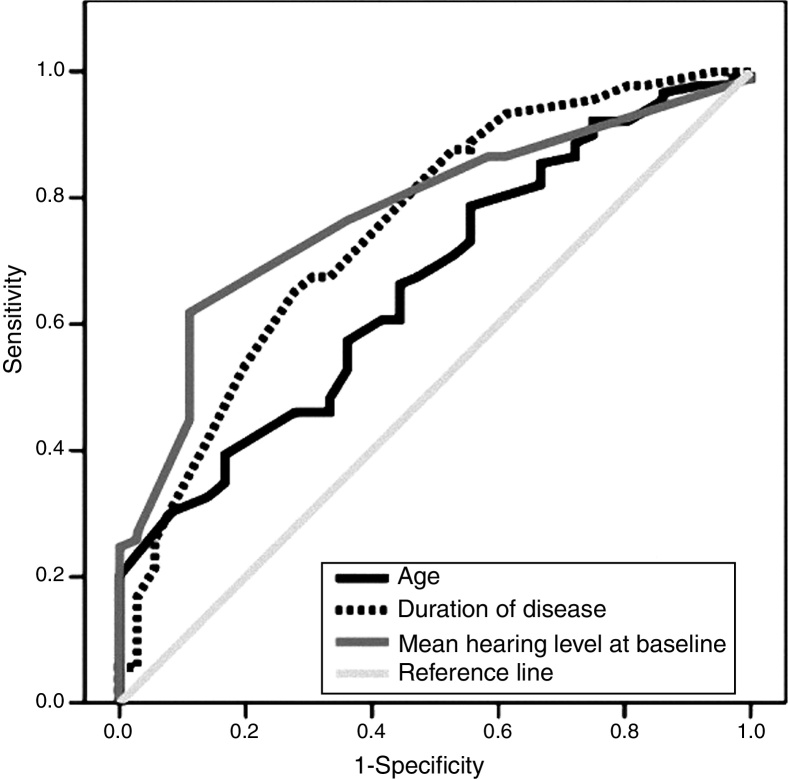
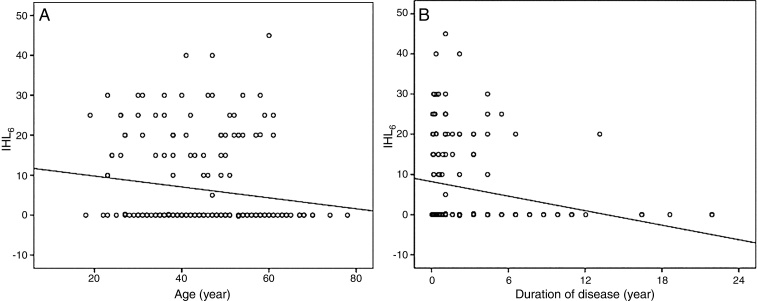
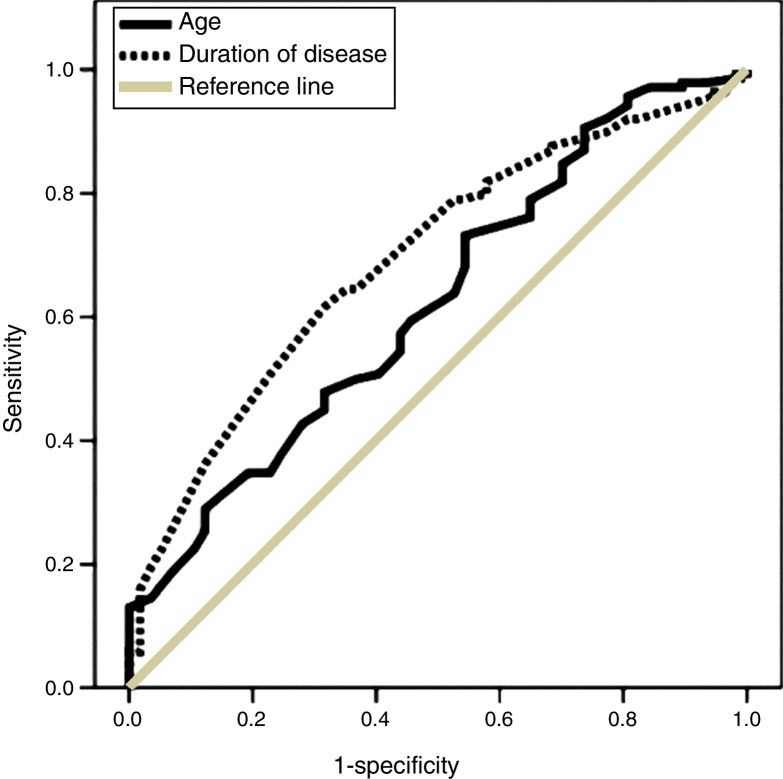
The mean duration of disease was 3.37 years. Six months after treatment the mean hearing level decreased by 6.35dB compared to that at the baseline (p<0.001). Both patients' age and the duration of disease correlated negatively with the improvement in hearing function. Post treatment hearing loss was independently associated with age, the initial hearing level and the chronicity of disease. The corresponding optimal cut-off points for predicating a persistent hearing loss 6 months after treatment were 47 years, 38dB HL, and 1.4 years, respectively.
Oral betahistine was significantly effective in preventing/reversing hearing deterioration in patients with Ménière's disease. Age, the hearing level on admission, and the disease duration were independent predictors of hearing status after treatment.
在梅尼埃病中预防或逆转听力损失具有挑战性。倍他司汀作为一种组胺激动剂,已被用于控制梅尼埃病患者的眩晕,但它对听力问题的有效性尚不清楚。
研究倍他司汀对未经治疗的梅尼埃病患者听力功能的影响,并确定这方面可能的影响因素。
共有200例未经治疗的单侧明确梅尼埃病患者口服倍他司汀(初始剂量,每日3次,每次16mg;维持剂量,每日24 - 48mg,分剂量服用)。记录治疗前和治疗6个月后听力状况指标的变化。听力损失定义为五个频率的平均听力水平>25dB HL。
疾病平均病程为3.37年。治疗6个月后,平均听力水平较基线时下降了6.35dB(p<0.001)。患者年龄和病程均与听力功能改善呈负相关。治疗后听力损失与年龄、初始听力水平和疾病慢性程度独立相关。预测治疗6个月后持续性听力损失的相应最佳切点分别为47岁、38dB HL和1.4年。
口服倍他司汀对预防/逆转梅尼埃病患者的听力恶化具有显著效果。年龄、入院时听力水平和病程是治疗后听力状况的独立预测因素。