Li Yi, Zhong Weixin, Wang Daqing, Feng Qiru, Liu Zhixiang, Zhou Jingfeng, Jia Chunying, Hu Fei, Zeng Jiawei, Guo Qingchun, Fu Ling, Luo Minmin
Graduate School of Peking Union Medical College, Chinese Academy of Medical Sciences, Beijing 100730, China.
National Institute of Biological Sciences, Zhongguancun Life Science Park 7 Science Park Road, Beijing 102206, China.
Nat Commun. 2016 Jan 28;7:10503. doi: 10.1038/ncomms10503.
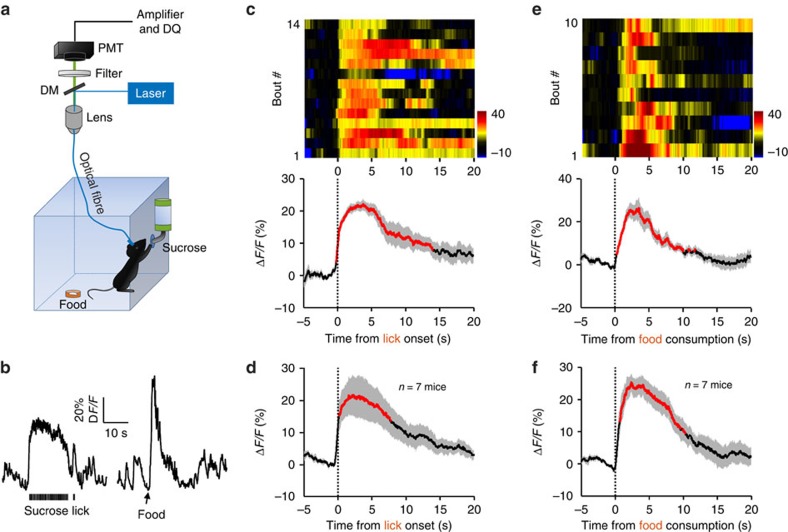
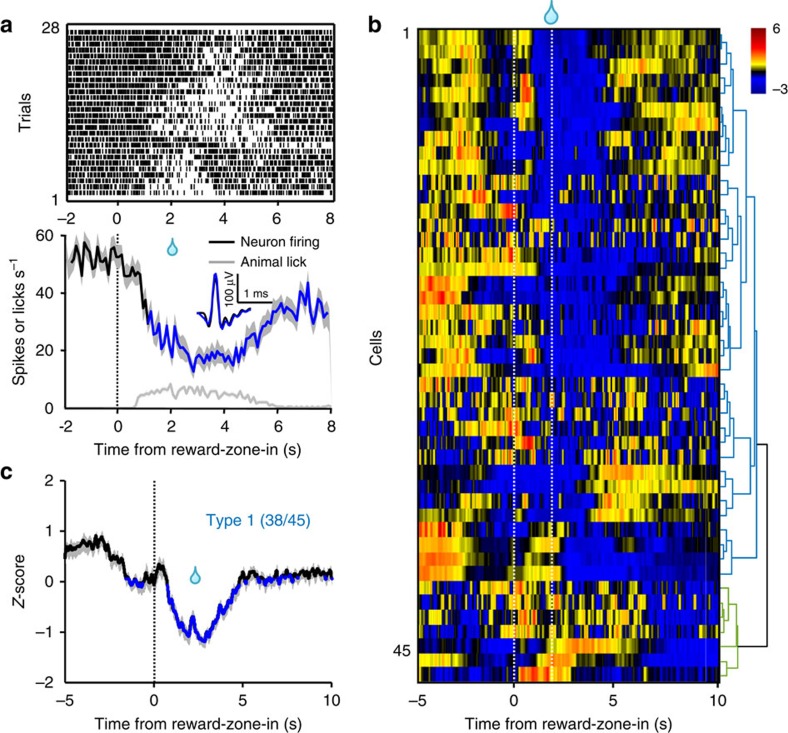
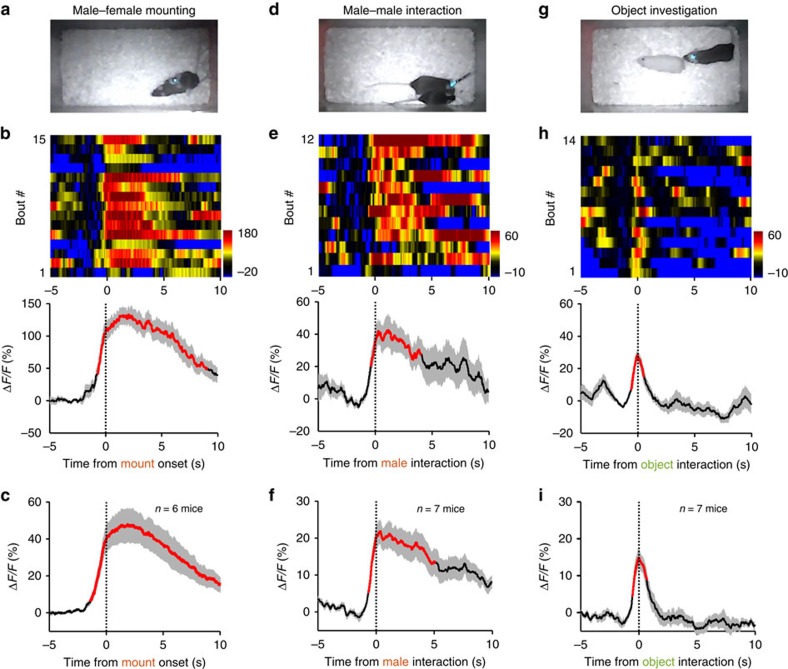
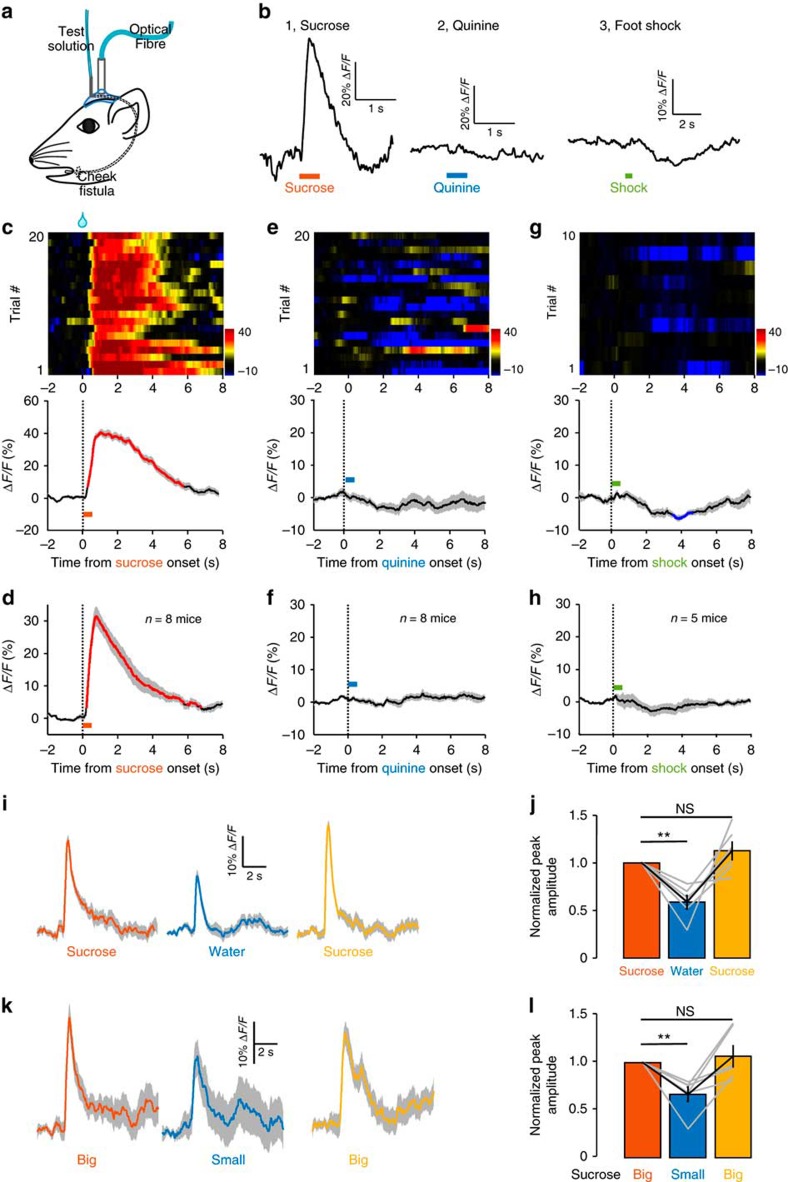
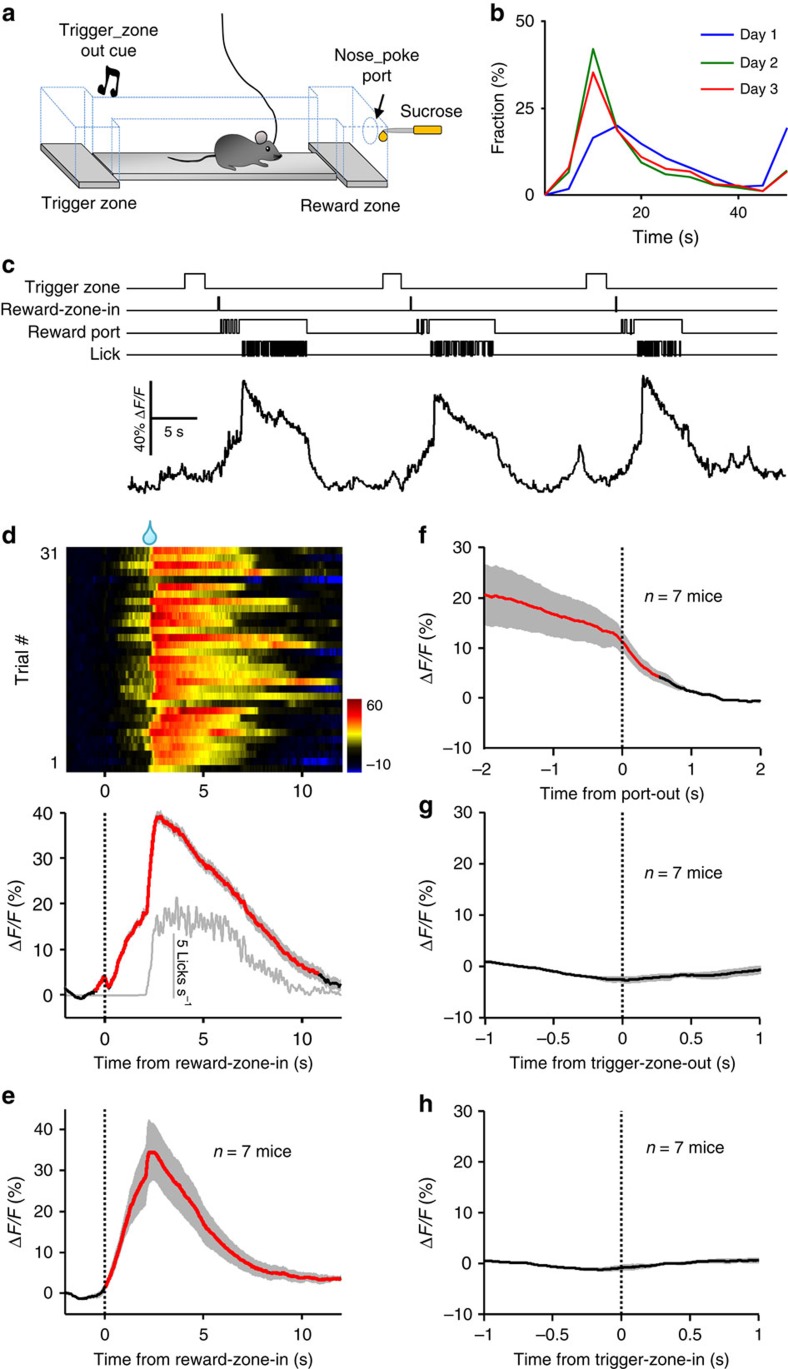
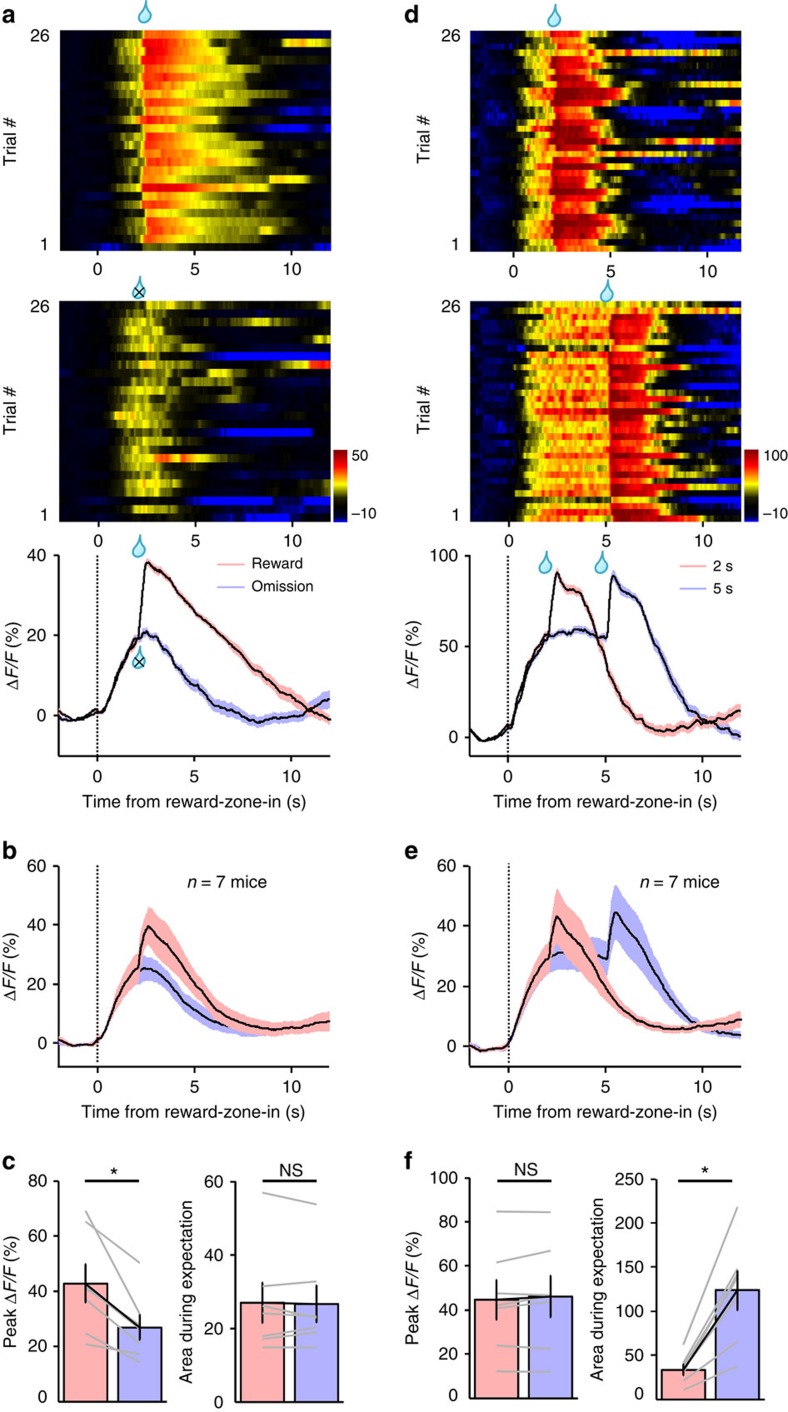
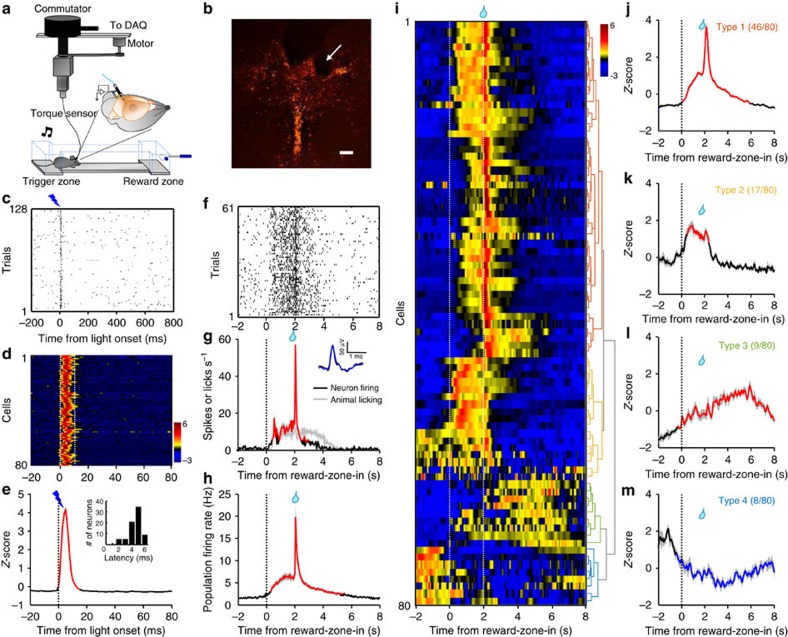
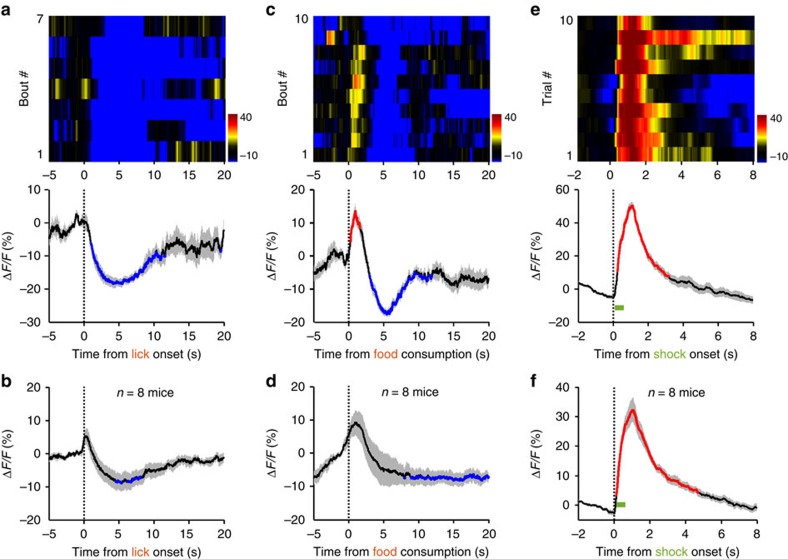
The dorsal raphe nucleus (DRN) is involved in organizing reward-related behaviours; however, it remains unclear how genetically defined neurons in the DRN of a freely behaving animal respond to various natural rewards. Here we addressed this question using fibre photometry and single-unit recording from serotonin (5-HT) neurons and GABA neurons in the DRN of behaving mice. Rewards including sucrose, food, sex and social interaction rapidly activate 5-HT neurons, but aversive stimuli including quinine and footshock do not. Both expected and unexpected rewards activate 5-HT neurons. After mice learn to wait for sucrose delivery, most 5-HT neurons fire tonically during waiting and then phasically on reward acquisition. Finally, GABA neurons are activated by aversive stimuli but inhibited when mice seek rewards. Thus, DRN 5-HT neurons positively encode a wide range of reward signals during anticipatory and consummatory phases of reward responses. Moreover, GABA neurons play a complementary role in reward processing.
中缝背核(DRN)参与组织与奖赏相关的行为;然而,尚不清楚自由活动动物的DRN中基因定义的神经元如何对各种自然奖赏做出反应。在这里,我们使用光纤光度法和对行为小鼠DRN中的5-羟色胺(5-HT)神经元和GABA神经元进行单单元记录来解决这个问题。包括蔗糖、食物、性和社交互动在内的奖赏会迅速激活5-HT神经元,但包括奎宁和足部电击在内的厌恶刺激则不会。预期和意外的奖赏都会激活5-HT神经元。在小鼠学会等待蔗糖递送后,大多数5-HT神经元在等待期间持续放电,然后在获得奖赏时相位性放电。最后,GABA神经元被厌恶刺激激活,但在小鼠寻求奖赏时受到抑制。因此,DRN 5-HT神经元在奖赏反应的预期和完成阶段对广泛的奖赏信号进行正向编码。此外,GABA神经元在奖赏处理中起互补作用。